
Language
Views: 222 Author: Edvo Publish Time: 2026-01-22 Origin: Site


Content Menu
● Main Differences Between Orthotics and Insoles
● Benefits of Orthotic Insoles
>> Enhanced Posture and Alignment
>> Improved Athletic Performance
>> Long-Term Injury Prevention
>> Comfort for Occupational Use
● How Orthotic Insoles Are Manufactured
>> Step 1: Biomechanical Evaluation
>> Step 2: Design and Material Selection
>> Step 4: Quality Control and Testing
● Choosing the Right Orthotic Insoles
● Orthotic Insoles in Modern Footwear Manufacturing
● How to Maintain Orthotic Insoles
● Global Market Trends in Orthotic Insoles
● FAQ
>> 1. What are orthotic insoles used for?
>> 2. Are orthotic insoles different from shoe inserts?
>> 3. How often should orthotic insoles be replaced?
>> 4. Can I use orthotic insoles in all types of shoes?
>> 5. Do orthotic insoles really prevent injury?
Foot health is a crucial aspect of body wellness, influencing not just comfort, but also balance, mobility, and long-term joint health. Many people experience discomfort, fatigue, or even chronic pain due to improper foot support. When searching for a solution, terms like orthotics and insoles often appear—but they are not the same. Although they might share a similar appearance and placement inside shoes, their purpose, design, and function differ significantly.
In this article, we'll explore the true difference between orthotics and insoles, how orthotic insoles work, and what makes them essential for both personal use and wholesale footwear markets.
As a professional orthotic insoles OEM manufacturer based in China, we aim to provide a clear understanding of these products to help brands, distributors, and end users make informed decisions.
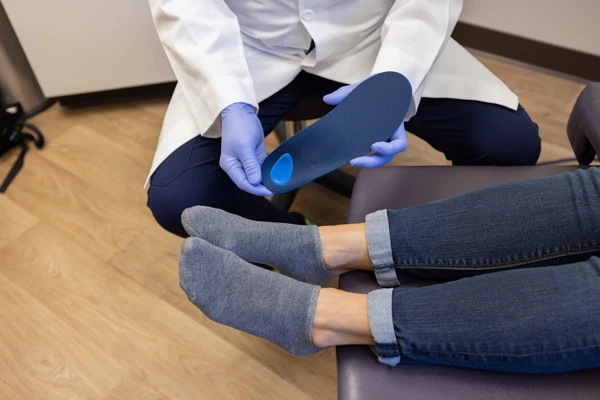
Insoles, also known as footbeds or inner soles, are removable cushioning inserts placed inside shoes. Their main purpose is to offer additional comfort, absorb shock, and reduce pressure on the feet during movement. Most commercial shoes include basic factory insoles that meet general comfort demands, but they rarely provide specialized support for different foot types or conditions.
Common types of insoles include:
- Comfort insoles: Soft foam or gel inserts designed for everyday cushioning.
- Performance insoles: Engineered for athletes to improve shock absorption and energy return.
- Odor-control insoles: Equipped with antimicrobial layers to reduce bacteria and odor.
- Therapeutic insoles: Offer slightly more structure to support arches and heels but remain non-medical.
These insoles are widely available, inexpensive, and easy to replace. However, they primarily focus on providing temporary comfort rather than addressing underlying biomechanical or medical concerns.
Orthotics, often referred to as orthotic insoles, are specially designed medical devices that support, align, or correct abnormal foot functions. They differ from standard insoles because they're designed based on biomechanical evaluation, gait analysis, and, in some cases, medical diagnosis.
While insoles cushion the feet, orthotics correct imbalance. They guide the feet into more natural positions, distributing weight evenly and preventing excessive strain. This correction has a positive chain effect on the ankles, knees, hips, and even spinal alignment.
There are two primary types of orthotics:
1. Functional Orthotics: These devices are made of semi-rigid materials like carbon fiber or polypropylene. They help control abnormal motion, such as overpronation or supination, and are often prescribed to reduce pain in the foot, ankle, or leg.
2. Accommodative Orthotics: Softer and more flexible, these orthotics are designed for cushioning and pressure relief in patients with diabetes, arthritis, or severe foot deformities.
By addressing both support and correction, orthotic insoles act as a foundation for overall musculoskeletal balance.
Although orthotics and insoles look similar, they serve distinct roles:
| Feature | Insoles | Orthotics |
|---|---|---|
| Purpose | Comfort and cushioning | Structural correction and medical support |
| Customization | Mass-produced | Personalized or semi-custom based on foot scan |
| Material | Foam, gel, fabric | Rigid or semi-rigid materials with medical-grade finish |
| Longevity | Few months | Designed for long-term use, often years |
| Effectiveness | Relieves mild discomfort | Corrects biomechanical issues and chronic pain |
| Prescription | Not required | Often prescribed or professionally fitted |
In summary, insoles are consumer comfort accessories, while orthotics are precision-engineered tools for functional correction and long-term health improvement.
Using orthotic insoles provides wide-ranging benefits that go beyond comfort. From pain relief to performance enhancement, these products play a vital role in promoting proper body mechanics.
Orthotic insoles reposition the feet, which serves as the body's foundation. Proper foot alignment ensures better posture and reduces stress on joints from the feet upwards to the spine.
Foot pain, particularly from plantar fasciitis, flat feet, or overpronation, can be significantly reduced or eliminated with orthotic support. They work by correcting the source of pressure rather than masking the symptom.
Athletes benefit immensely from orthotic insoles because they stabilize the foot during movement, minimizing energy loss and reducing fatigue. This stability leads to better balance and enhanced performance.
Incorrect gait or foot imbalance can lead to repeated micro-injuries. Orthotic insoles reduce the risk by providing targeted support and shock absorption, preventing chronic strain and repetitive injuries.
Workers who spend long hours standing—like factory workers, medical staff, or retail employees—gain improved comfort and endurance from orthotic cushioning and alignment features.
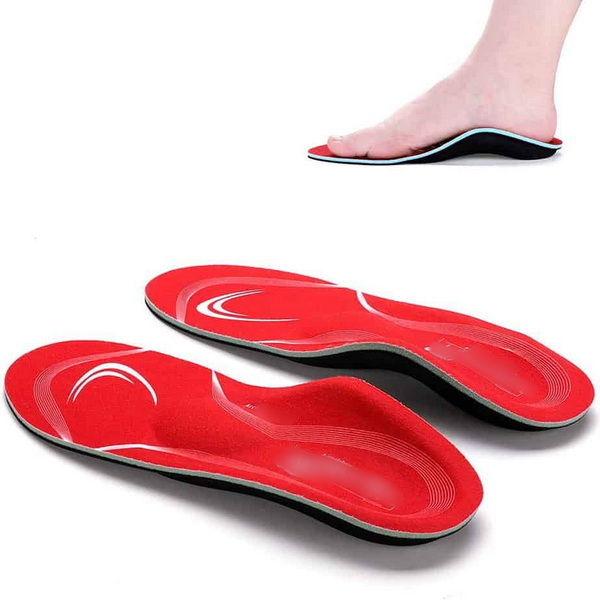
Creating high-quality orthotic insoles involves both biomedical understanding and precision engineering. The manufacturing process depends on whether the insoles are custom-made for medical use or produced as semi-custom models for retail and brand distribution.
For custom orthotics, medical professionals analyze the user's gait, posture, and pressure points. Digital 3D scanning or plaster molds capture the foot's structure accurately.
The insole design depends on foot type and correction goal. Materials range from EVA for flexibility, to thermoplastic for rigidity, ensuring both durability and corrective performance.
CNC milling or molding techniques shape the insoles. The layers are bonded, including the base structure, cushioning foam, and moisture-wicking top cover for long-term comfort.
Each orthotic insole undergoes flexibility, compression, and wear-resistance tests before mass production or individual delivery.
In OEM scenarios, manufacturers create semi-custom models that combine ergonomic shaping with cost efficiency—suitable for private-label footwear brands, orthotic clinics, and wholesale distributors.
Orthotic insoles are not limited to medical patients. A broad range of individuals can benefit from their use.
- People with foot deformities such as flat feet or high arches.
- Athletes seeking enhanced performance and reduced joint impact.
- Elderly individuals desiring balance and pain relief.
- Workers who stand all day.
- People with diabetic or arthritic foot conditions needing pressure redistribution.
By realigning the feet, orthotic insoles often alleviate pain in the knees, hips, and lower back, showing how deeply interconnected foot mechanics are with total body alignment.
Finding the perfect pair of orthotic insoles involves understanding foot type, activity level, and shoe compatibility. Consider these guidelines:
- Identify your arch type: Flat, neutral, or high arch shapes require different contouring.
- Choose based on usage: For running shoes, select firm and impact-absorbing materials; for everyday wear, cushioned designs are ideal.
- Ensure a proper fit: The insole should align with your heel and arch without squeezing your foot inside the shoe.
- Consult a podiatrist or orthopedic specialist: Professional evaluation ensures the right orthotic for chronic or structural issues.
- Replace periodically: Even durable orthotics may wear down after extended use, reducing their corrective ability.
In today's competitive footwear market, orthotic insoles are not just a medical necessity—they are a value proposition. Consumers globally seek comfort and support, pushing both fashion and sports footwear manufacturers to integrate orthotic-friendly features into their designs.
As a leading Chinese orthotic insoles manufacturer, we partner with brands, wholesalers, and medical suppliers to deliver high-performance OEM products. We provide customized materials, ergonomic shaping options, and branding flexibility to enhance each client's product lineup.
Our core strengths include:
- Material innovation: EVA, PU, and urethane foams for varying density and flexibility.
- Technical support: Biomechanical design tailored for end-user comfort.
- Quality assurance: Consistent quality control meeting EU and U.S. standards.
- Private labeling: OEM and ODM service for custom branding.
Whether distributed under your brand or medical retail label, our orthotic insoles combine function, aesthetics, and user satisfaction.
Proper care extends the life and performance of orthotic insoles. Here are practical maintenance tips:
- Air dry daily: Remove insoles after use to let moisture evaporate.
- Clean gently: Wipe with a mild soap solution—avoid soaking or machine washing.
- Check regularly for wear: Replace when there's flattening, cracking, or discomfort.
- Alternate pairs for frequent use: Using two pairs improves hygiene and durability.
Maintenance is especially important for orthotics used in active or professional environments, where constant wear can lead to faster material fatigue.
The market for orthotic insoles has grown significantly over the last decade. Increased awareness of posture health, aging populations, and the rise of athletic footwear has driven demand worldwide.
According to industry research, global orthotic insole demand is expanding in both healthcare and lifestyle sectors. Customizable materials, 3D printing, and eco-friendly designs are shaping the next generation of orthopedic foot solutions.
Manufacturers who can balance medical accuracy, comfort design, and cost efficiency are positioned to lead this high-growth segment.
While orthotics and insoles both improve foot comfort, their differences are profound. Insoles provide general cushioning and temporary relief, while orthotic insoles deliver targeted correction and sustained biomechanical support. By improving alignment, redistributing pressure, and stabilizing the base of the body, orthotic insoles play a central role in maintaining posture, reducing pain, and enhancing everyday performance.
Understanding this distinction helps footwear professionals, athletes, and health-conscious consumers choose better solutions for long-term comfort and mobility. Whether you are an end-user or a brand seeking reliable OEM production, orthotic insoles remain an essential investment for improving life quality from the ground up.
Contact us to get more information!
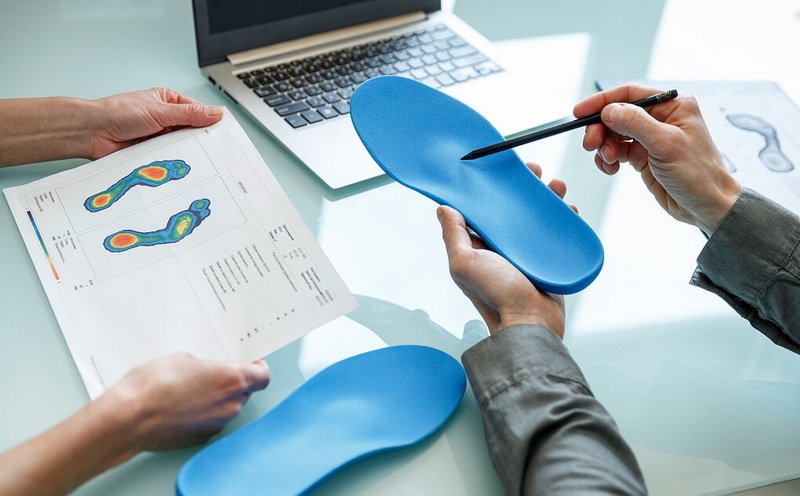
Orthotic insoles are designed to align and support the feet, improving posture and reducing discomfort caused by biomechanical imbalances such as overpronation or flat feet.
Yes. Regular shoe inserts offer temporary cushioning, while orthotic insoles are engineered to correct foot alignment and provide lasting relief from structural issues.
Typically, orthotic insoles last 1–3 years depending on usage frequency, body weight, and activity level. Regular inspection ensures optimal performance.
Orthotic insoles fit most footwear styles including sneakers, boots, and work shoes. However, some custom orthotics may require shoes with deeper heel cups or removable factory insoles.
Yes. By improving balance and correcting foot movement, orthotic insoles reduce stress on joints and muscles, preventing injury in sports and everyday activities.
1. American Podiatric Medical Association (APMA) – [www.apma.org](https://www.apma.org)
2. National Institute of Health – Foot Orthotics Overview – [www.nih.gov](https://www.nih.gov)
3. Physiopedia – Orthoses and Foot Biomechanics – [www.physio-pedia.com](https://www.physio-pedia.com)
4. Medical News Today – Orthotics and Insoles Explained – [www.medicalnewstoday.com](https://www.medicalnewstoday.com)
5. Global Footwear Market Report – [www.grandviewresearch.com](https://www.grandviewresearch.com)


