
Views: 222 Author: Edvo Publish Time: 2026-01-12 Origin: Site


Content Menu
● Why Felt Matters in Orthotic Inserts
● Main Types of Felt Used in Orthotic Inserts
>> Wool Felt
>> Wool‑Blend Felt (Wool + Synthetic Fibers)
>> Synthetic Felt (Polyester, Polypropylene, Other Fibers)
>> Specialty Natural Fiber Felts
● Performance Requirements for Felt in Orthotic Applications
>> Cushioning and Pressure Redistribution
>> Moisture Management and Odor Control
>> Thermal Regulation and Comfort
>> Durability and Shape Stability
● How Felt Combines with Other Orthotic Materials
● Choosing the Right Felt for Different Orthotic Applications
>> Medical and Podiatric Orthoses
>> Everyday Comfort Insoles and OEM Footwear Inserts
>> Outdoor, Work, and Winter Footwear
● Practical Considerations for OEM Orthotic and Insole Production
● FAQ
>> 1. What is the best felt for orthotic inserts?
>> 2. Is wool felt better than synthetic felt in insoles?
>> 3. How thick should felt be in an orthotic insert?
>> 4. Does felt in an orthotic help with foot odor?
>> 5. Can felt orthotic inserts be used year‑round?
Orthotic inserts are engineered to support biomechanics, relieve pressure, and improve comfort, so the felt used must do far more than simply fill space inside a shoe. Felt materials for orthotics are selected for density, resilience, moisture control, and long‑term shape retention under repeated load. The right felt type helps enhance the function of the plastic, EVA, or foam shell rather than replace it, turning a rigid device into something that feels natural under the foot.[1]
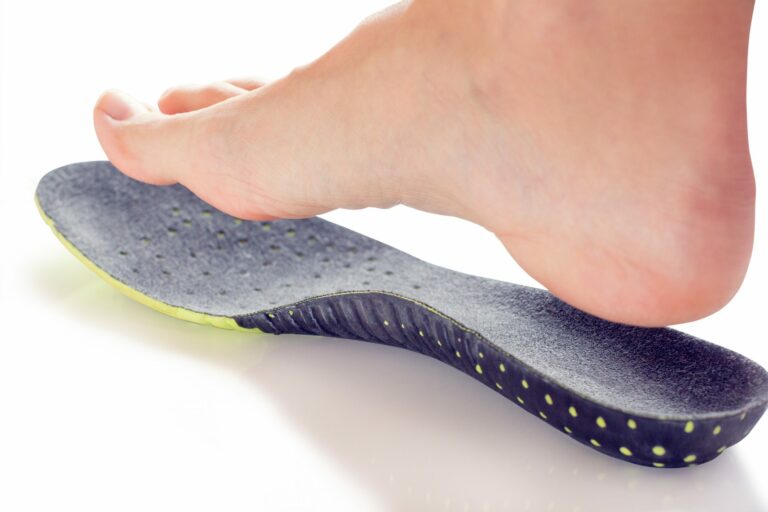
Felt may look like a basic textile, but in orthotic inserts it is a critical performance layer that sits directly under the plantar surface of the foot. This interface layer influences how the user perceives hardness, stability, and comfort from the entire device.[1]
Key reasons felt is widely used include:
- It provides a compliant interface between the rigid or semi‑rigid orthotic shell and the plantar surface of the foot, smoothing transitions and avoiding harsh edges.[1]
- It spreads load and reduces peak pressure over bony prominences and sensitive areas, helping to protect the skin and soft tissue from friction and localized stress.[1]
- It manages sweat, odor, and temperature better than many plain foams when natural wool content is included, which is crucial for long daily wear in closed footwear.[1]
In medical and podiatry applications, felt pads and top covers are also easily cut, layered, and skived to create customized off‑loading around corns, calluses, ulcers, and metatarsal heads. For OEM shoe insole production, the same principles apply at scale, but the felt must also be compatible with industrial die‑cutting, lamination, adhesive application, and automated assembly lines.[1]
Wool felt is one of the most traditional and clinically trusted materials for insoles and orthotic covers, especially in colder climates and outdoor footwear. It is made by mechanically entangling and compressing wool fibers into dense sheets rather than weaving or knitting them.[1]
Key characteristics of wool felt for orthotics include:
- High moisture‑wicking capacity, keeping feet drier and reducing the risk of fungal growth and odor inside the shoe over long use.[1]
- Natural thermal regulation, staying warm in cold conditions and relatively cool in heat due to the air pockets and crimp structure in wool fibers.[1]
- Good resilience and cushioning that gradually conform to the foot shape, which improves comfort for people who stand or walk for many hours every day.[1]
Commercial wool felt insoles are often produced at higher thicknesses for heavy‑duty or winter use, delivering substantial padding and insulation inside boots and work shoes. For orthotic inserts, thinner wool felts can be laminated over plastic or EVA shells as a top cover to combine precise structural support with a softer, more natural surface in contact with the skin or sock.[1]
Many performance and OEM insoles use wool‑blend felts that mix natural wool fibers with synthetic fibers such as polypropylene or polyester. This approach allows a manufacturer to tune performance, cost, and appearance at the same time.[1]
Benefits of wool‑blend felt in orthotics include:
- Improved abrasion resistance and dimensional stability compared with 100% wool, extending product life when users put inserts through demanding daily cycles.[1]
- Cost reduction while retaining much of wool's moisture‑management, thermal comfort, and softness, which is attractive for mid‑range price segments.[1]
- Better compatibility with industrial processing, including more uniform thickness, density, and bonding performance when integrated with foams or plastic substrates.[1]
A typical use case is a wool‑blend felt insole made from wool and polypropylene for winter boots, offering both warmth and durability in outdoor environments. For medical orthotics, the same types of blends can be specified in several densities to tune cushioning, support, and longevity depending on the patient group.[1]
Synthetic felts made from polyester, polypropylene, or mixed synthetic fibers are widely used in podiatry padding and as top covers for cost‑effective orthoses. These non‑woven materials can be engineered with very consistent properties across large production volumes.[1]
Common advantages include:
- High durability and resistance to compression set when specified at appropriate densities and processed with suitable bonding techniques.[1]
- Consistent quality, color, and thickness, which is essential for high‑volume OEM cutting, automated stacking, and lamination in large factories.[1]
- Lower material cost compared with pure wool, while still delivering adequate performance for many comfort and support applications.[1]
However, fully synthetic felt typically does not match wool's natural moisture‑wicking and temperature‑regulating abilities, so it may need perforation, mesh layers, or moisture‑management fabrics on top for demanding environments or high‑sweat users. For brands targeting professional or medical markets, synthetic felt is often combined with functional fabrics, antimicrobial finishes, or perforated foams to improve overall comfort.[1]
Some high‑end insoles use felts based on specialty natural fibers such as alpaca or high‑grade merino blends to provide very soft, warm, and hypoallergenic soles. These materials are often positioned as premium comfort or outdoor solutions rather than standard clinical orthotics.[1]
Key points for specialty felts:
- Very soft hand‑feel and loft, delivering a plush sensation underfoot that differentiates premium collections from mainstream products.[1]
- Hypoallergenic behavior and gentle contact with the skin, which is valuable for sensitive users who cannot tolerate rough fibers or harsh synthetic fabrics.[1]
- Strong warmth and moisture‑management, making them popular in winter, alpine, and outdoor recreation footwear lines.[1]
These felts are less common in mass‑market medical orthotic inserts but can be used to create signature product lines for brands focused on natural, sustainable, or luxury positioning.[1]
Orthotic inserts must cushion the foot while managing peak pressure under the heel, forefoot, and specific problem zones like the metatarsal heads or plantar fascia insertion. Felt used for this application is normally specified with medium to high density to avoid bottoming out while still providing enough compliance to deform and spread load.[1]
In practical terms:
- Wool felts and wool‑blend felts provide elastic cushioning that compresses and rebounds repeatedly, supporting shock absorption during gait cycles.[1]
- Synthetic felts can be engineered to exhibit similar compression and recovery curves when combined with appropriate foam layers beneath the top felt layer.[1]
By tuning the density and thickness, a designer can decide whether the felt layer acts primarily as a comfort surface or as an active component in pressure redistribution across the plantar surface.[1]
One major advantage of using wool‑containing felt in orthotics is its superior moisture and odor management compared with many other textile options. Wool fibers can absorb moisture vapor internally while the surface still feels relatively dry, and this moisture can later evaporate as the footwear is ventilated.[1]
Practical implications include:
- Reduced accumulation of sweat on the skin and sock, which helps limit the conditions that allow odor‑causing bacteria and fungi to thrive.[1]
- Better comfort for users who must wear closed footwear for prolonged periods, especially in professional, safety, or sports shoes.[1]
For brands, promoting moisture‑management and odor‑resistant felt top covers can be a powerful marketing message in both medical and everyday comfort channels.[1]
For many users, especially those in outdoor or cold‑weather markets, the thermal behavior of felt insoles is a decisive factor during purchase and long‑term satisfaction. Wool felt insoles are widely recognized for providing warmth in winter while remaining usable in other seasons due to their insulating and breathable structure.[1]
In orthotic contexts:
- A wool or wool‑blend felt top cover prevents the sensation of standing on a cold plastic shell, which can otherwise discourage consistent device use.[1]
- Balanced insulation supports better compliance with orthotic wear, which is critical for long‑term therapeutic results and symptom reduction.[1]
For hot climates or athletic use, thinner felt top covers may be combined with open‑cell foams, perforated shells, and breathable upper fabrics to keep feet cooler while maintaining some of wool's comfort benefits.[1]
Orthotic inserts are subjected to continuous load cycles, shear forces, and exposure to sweat, dust, and temperature fluctuations. Felt materials must maintain thickness, cushioning, and shape without excessive pilling, fraying, or delamination over the life of the product.[1]
Durability considerations include:
- Wool and wool‑blend felts produced as heavy‑duty pressed felt can be long‑lasting when correctly specified for insole use.[1]
- Blending wool with synthetic fibers such as polypropylene significantly improves structural strength and resistance to wear.[1]
- High‑density synthetic felts combined with advanced foams can reach very high durability targets in demanding everyday or industrial environments.[1]
From an OEM perspective, predictable wear behavior is vital to align warranty periods, brand promises, and customer expectations with material performance.[1]
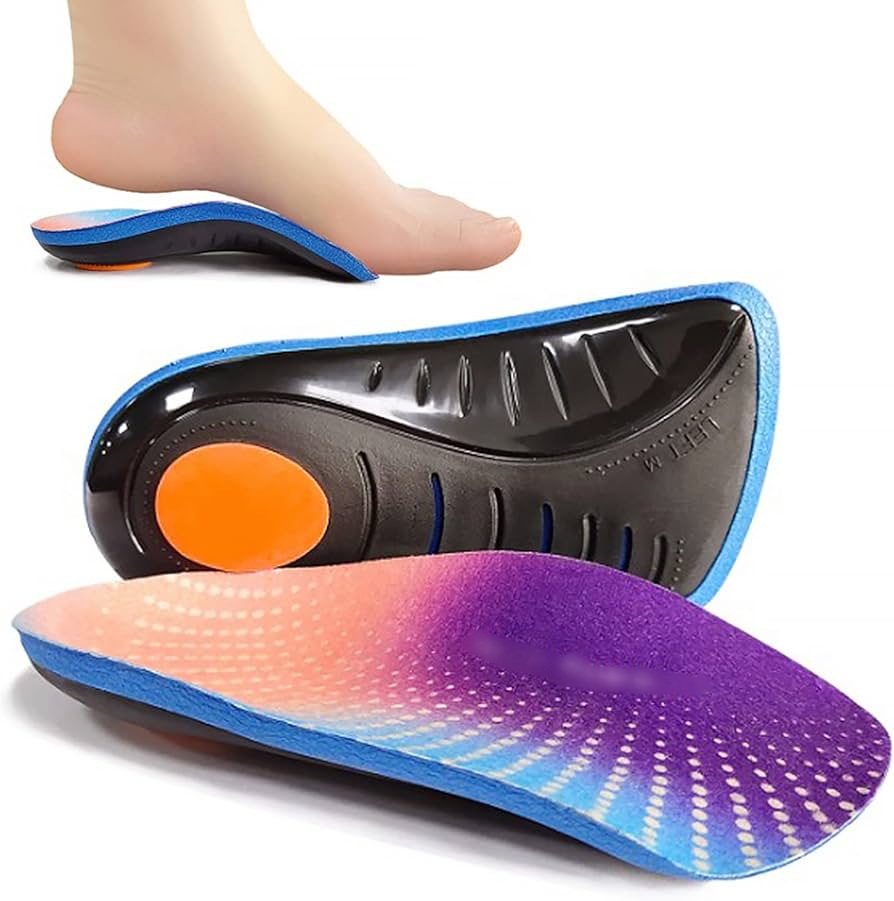
Orthotic inserts rarely rely on felt alone for support and correction. Instead, felt is integrated as one layer within a multi‑material system that often includes thermoplastic shells, EVA, PU foams, gels, and high‑tech fabrics.[1]
A typical layered structure can include:
- A bottom or core made from polypropylene or another thermoplastic shell that delivers structural arch support and motion control.[1]
- One or more mid‑layers in EVA, latex, or polyurethane foam for bulk cushioning and energy absorption.[1]
- A top cover made from wool felt, wool‑blend felt, or synthetic felt to provide comfort, moisture control, and fine‑tuned pressure distribution at the skin interface.[1]
This layered approach allows OEM manufacturers and brands to adjust performance by changing felt type, thickness, and density without redesigning the shell geometry or basic foam system. It also facilitates product line extensions, such as offering the same orthotic shell with standard, premium wool, and sport top cover options.[1]
For therapeutic orthoses prescribed by podiatrists or orthopedic specialists, the felt must respond well to professional modification and targeted padding. Podiatry felts are often supplied with adhesive backing and in various thicknesses so that clinicians can easily cut and position them on insoles or directly on the foot.[1]
In this segment:
- Wool or high‑quality wool‑blend felt is preferred for its combination of comfort, cushioning, and clinical reliability.[1]
- Different thicknesses and densities enable practitioners to build up off‑loading around lesions and high‑pressure zones in a very controlled way.[1]
Orthotic laboratories also use felt as a temporary or semi‑permanent modification material during fitting and adjustment appointments.[1]
For mass‑market comfort insoles and OEM shoe inserts, manufacturers usually balance performance with cost and branding goals. Wool‑blend felts and synthetic felts are widely used in this area, often in combination with EVA or PU foams for cushioning.[1]
Key decision factors include:
- Target price points for supermarket, online, or specialty retail channels.
- Expected lifetime of the footwear or insert, which influences how dense and durable the felt needs to be.
- Brand positioning on sustainability, natural materials, and technical performance, which will guide the choice between wool, blends, and synthetic solutions.[1]
By adjusting felt composition and thickness, OEM factories can serve multiple customers with differentiated orthotic and comfort insole designs from the same production lines.[1]
Boots for work, hiking, and winter sports often specify thick wool felt insoles to add warmth, cushioning, and a more secure fit. These products highlight thermal insulation and moisture‑management as core benefits for users who spend long hours outside or in cold environments.[1]
In this segment:
- High wool or wool‑blend felt is common, sometimes combined with additional insulating layers or reflective foils under the felt.[1]
- Inserts may be removable so users can dry them after use, which works well with the moisture‑handling properties of wool felt.[1]
For such footwear, orthotic‑style support can be integrated into the same felt‑based insole, providing both biomechanical assistance and environmental protection.[1]
For OEM brands and wholesalers, selecting felt for orthotic inserts is as much a manufacturing and marketing choice as it is a technical one. Felt must work smoothly with existing processes and help create clear value propositions for different product lines.[1]
Important practical factors include:
- Thickness and density tolerances, which must be tightly controlled to guarantee consistent fit, cushioning, and shoe volume across all sizes.[1]
- Bonding behavior with adhesives and foams, ensuring that top covers stay firmly attached and do not bubble or delaminate during use or washing.[1]
- Color, surface texture, and branding options, such as printing logos or adding functional finishes to differentiate the product in the market.[1]
- Regulatory and marketing claims, including terms like natural wool, recycled fibers, or hypoallergenic, which depend on the actual felt formulation and sourcing.[1]
With careful specification and quality control, OEM manufacturers can develop stable, repeatable felt‑based orthotic products for medical, sports, casual, and work segments.[1]
Wool felt and wool‑blend felt are the primary felts used in orthotic inserts because they combine cushioning, resilience, moisture‑wicking, and thermal comfort in a single interface layer that directly improves the wearing experience. Synthetic felts based on polyester or polypropylene are also widely used, particularly when cost, cutting precision, and high abrasion resistance are critical requirements. In modern orthotic design, felt functions as the comfort and pressure‑management surface in a layered system that includes thermoplastic shells and foams, transforming rigid support structures into practical solutions that users can wear all day in real conditions.[1]
The best felt for most orthotic inserts is medium to high density wool or wool‑blend felt, because it offers strong cushioning, moisture‑management, and thermal comfort while remaining durable under repeated loading cycles. For cost‑sensitive or very high‑volume products, high‑quality synthetic felt can be specified effectively when combined with appropriate foam layers underneath.[1]
Wool felt generally provides superior moisture‑wicking, odor control, and temperature regulation compared with purely synthetic felts, especially for users with sweaty or sensitive feet. Synthetic felts, however, deliver very consistent mechanical behavior, color, and thickness, and they are often more economical for large OEM projects.[1]
For full‑length insoles used in winter or outdoor footwear, thicker wool felt products are common, while thin felts are used as top covers over structural shells in medical orthotics or everyday comfort inserts. The ideal thickness depends on the balance between felt cushioning and the support provided by EVA, PU, or thermoplastic components underneath.[1]
Natural wool felt can help reduce foot odor because its fibers absorb moisture and contribute to a drier, less hospitable environment for odor‑producing microbes around the foot. Some natural felt insoles are specifically marketed as sweat‑resistant and odor‑resistant to meet the needs of users whose feet tend to smell quickly in closed shoes.[1]
High‑quality wool felt insoles can be used in both winter and summer thanks to wool's ability to insulate against cold while allowing moisture to move away from the skin in warmer conditions. In very hot climates, thinner wool‑blend or synthetic felt top covers combined with breathable foams can provide a better balance between cushioning, ventilation, and weight.[1]
[1](https://powerstep.com/products/heat-moldable-insoles)


