
Language
Views: 222 Author: Edvo Publish Time: 2025-12-23 Origin: Site


Content Menu
● Understanding Heat Molding Insoles
● The Science Behind Custom Fit Comfort
● Main Components of Heat Molding Arch Support Insoles
>> 1. Thermoplastic Base Layer
>> 2. Arch Reinforcement Plate
>> 5. Heel Cup and Metatarsal Design
● How the Heat Molding Process Works
● Advantages of Heat Molding Foot Arch Support Insoles
● Industrial Applications and Product Development
● Manufacturing Considerations for OEM and Private Label Clients
● Sustainability and Eco-Friendly Solutions
● Choosing the Right OEM Partner
● Market Trends and Consumer Expectations
● Advantages for OEM Branding and Distribution
● The Future of Insole Innovation
● FAQ
>> 1. How long do heat molding arch support insoles last?
>> 2. Can they be remolded more than once?
>> 3. Are they suitable for any type of shoe?
>> 4. Do heat molding insoles help foot pain or flat feet?
>> 5. How should users clean and store them?
Insoles have evolved from simple cushioning pads to sophisticated biomechanical support systems designed to improve comfort, posture, and athletic performance. Among the most advanced designs on the market are heat molding foot arch insoles—customizable inserts that adapt to the natural contours of the user's feet. For brands, wholesalers, and manufacturers, understanding what goes into these insoles and how they function is crucial to developing high-quality, marketable footwear products that truly stand out.
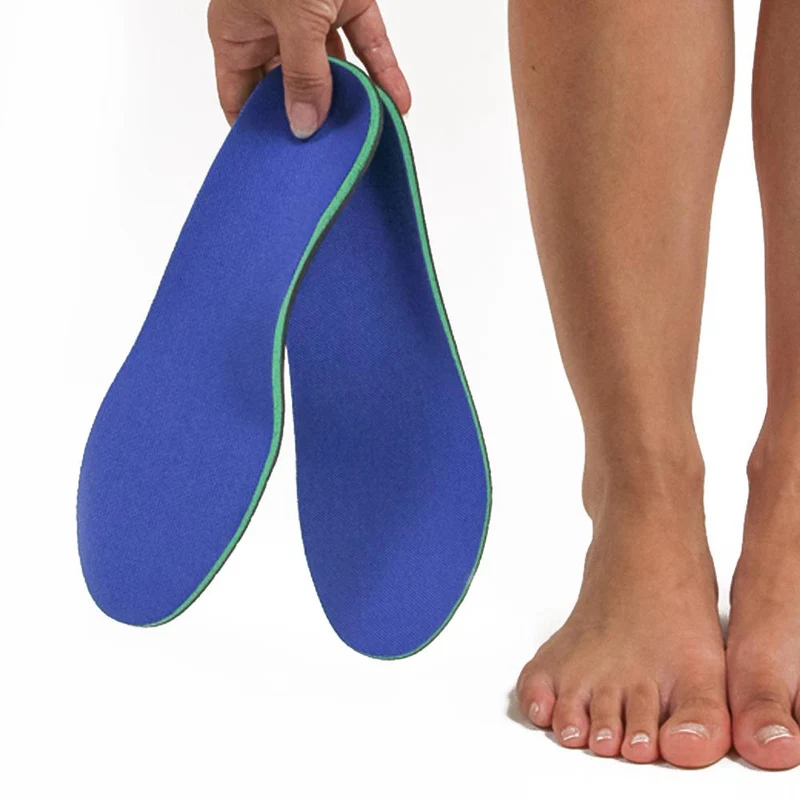
Heat molding insoles are designed to conform precisely to the shape of an individual's feet when gently heated. The science behind this approach combines material flexibility, structural memory, and ergonomic support. After softening under controlled heat, the insole reconfigures to match the user's foot shape. Once cooled, it permanently retains that form, offering a personalized orthotic experience without requiring professional customization services.
Unlike traditional insoles that provide generic support, heat molding insoles bridge the gap between off-the-shelf comfort and custom orthotics. They appeal to diverse user groups—from athletes seeking performance gains to workers requiring long-term foot support. Manufacturers appreciate this technology because it allows them to produce affordable, semi-custom solutions that enhance customer satisfaction and reduce return rates.
The human foot features an intricate network of bones, tendons, ligaments, and muscles. When body weight is not properly distributed, it can lead to soreness, fatigue, and even long-term injuries such as plantar fasciitis or knee misalignment. Heat molding insoles help address these challenges by evenly spreading pressure across the entire foot.
Through heat activation, the insole yields to individual foot contours—the heel, arch, and ball of the foot all make a distinct impression that helps stabilize every step. This personalized shape results in improved body alignment, better shock absorption, and sustained comfort throughout the day. By supporting the arch and cradling the heel, these insoles encourage proper posture, reducing stress on the knees and spine.
A well-engineered insole is more than soft padding. Each section has its own purpose, from structural reinforcement to hygiene and ventilation. High-quality heat molding insoles typically include several coordinated layers that work together for comfort and performance.
This foundational layer determines the insole's ability to reshape under heat. High-performance materials such as EVA (Ethylene Vinyl Acetate) or TPU (Thermoplastic Polyurethane) are ideal for this purpose. They soften at moderate temperatures and retain their new shape when cooled. Their flexibility ensures the insole molds precisely to the user's foot while offering long-term support and resistance to deformation.
Embedded between the base and cushioning layers, the reinforcement plate supports the arch area. Made from durable materials such as nylon composite or carbon-infused plastic, it maintains insole integrity even under continuous stress. This structure ensures the arch doesn't collapse during standing, walking, or running, which is critical for sustained posture control.
This layer provides immediate comfort and shock absorption. Multi-density PU foam, latex, or memory foam absorbs impact while offering a soft feel. The cushioning foam also minimizes energy loss during movement, improving athletic performance and reducing fatigue for workers, travelers, and busy professionals.
The surface layer significantly affects user experience. Breathable fabrics like bamboo fiber, antimicrobial polyester, or mesh ensure moisture control. These fabrics wick sweat away and resist bacterial buildup, maintaining freshness even after long hours of wear. For OEM brands, the top fabric is also customizable through printing, embroidery, or texture design—an ideal space for product branding.
The heel cup stabilizes the rear foot and centers the ankle's alignment to prevent overpronation or supination. A slightly raised metatarsal pad provides additional support beneath the ball of the foot, improving balance and relieving forefoot stress. Together, these ergonomic adjustments create a stable and neutral footing pattern.
Some premium insoles incorporate gel pads, activated carbon layers, or anti-static coatings. These additions target specialized needs such as odor control, vibration reduction, or ESD protection for industrial work environments. By offering modular options, OEM manufacturers can cater to diverse buyer segments and niche markets.
Heat molding is straightforward yet scientifically engineered. The process enhances the insole's usability while generating a personalized fit for each customer.
Typical steps include:
1. Preheat a conventional oven to around moderate temperature.
2. Place insoles inside for a few minutes until they become warm and flexible.
3. Insert the softened insoles into shoes.
4. Have the wearer stand naturally for one or two minutes, allowing body pressure to imprint shape.
5. Let the insoles cool for several minutes before removing them.
As the material cools, it retains the outline of the foot, creating an individualized mold that improves comfort and balance. This adjustment method can be repeated several times in most models without altering structure or performance significantly.
Beyond comfort, the main advantage of heat molding insoles lies in the improved biomechanics of walking and running. Each layer is designed with physiological balance in mind, ensuring optimal performance across different use cases.
- Customized Fit: Every pair adapts to an individual's natural arch and contour.
- Enhanced Support: Stable reinforcement prevents arch collapse.
- Pressure Relief: Even distribution minimizes localized pain points.
- Posture Correction: Proper alignment reduces back and knee strain.
- Energy Return: Resilient foam layers elevate movement efficiency.
- Extended Durability: Premium materials withstand daily wear and heat cycles.
- Versatile Applications: Fit for running, outdoor sports, casual wear, and work footwear.
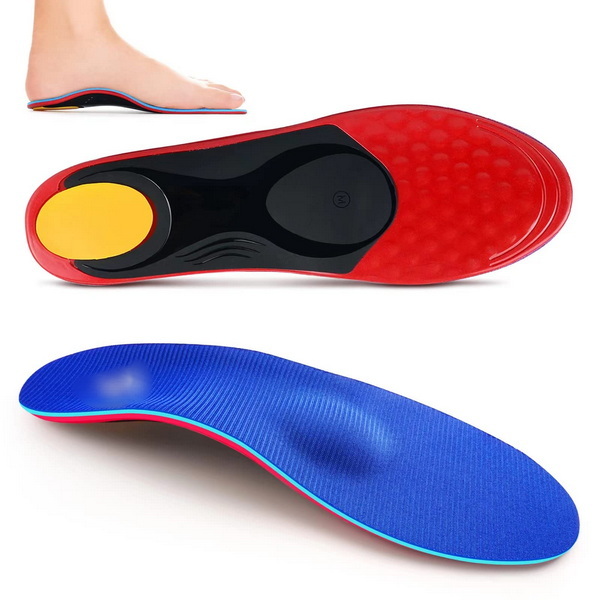
Heat molding insoles are suitable for nearly every footwear sector. Their adaptability makes them a highly versatile OEM product line capable of meeting the expectations of multiple consumer demographics.
Common industries using heat-moldable insoles:
- Athletic performance: Runners and cyclists benefit from stability and shock management during dynamic motion.
- Outdoor equipment: Trekking and mountaineering boots require long-term pressure absorption and adjustable fits.
- Occupational safety: Protective footwear demands rigidity and sustained arch support to reduce fatigue in industrial workers.
- Casual footwear: Everyday users appreciate balanced comfort for long commutes and extended standing.
- Rehabilitation: Recovering patients benefit from custom-fitting support during orthopedic correction.
As a result, OEM insole production allows manufacturers to serve multiple retail categories through shared technology and tooling systems, reducing inventory complexity and maximizing market reach.
As one of China's top OEM insole suppliers, a manufacturer must maintain precision, consistency, and scalability in heat molding production. Several technical and operational factors influence the ability to deliver top-performing insoles to global clients.
Formulating the right compound ensures reliable softening and re-hardening behavior. Engineers must balance thermal response, elasticity, and resilience while preventing odor or material degradation under cycling heat.
Accurate mold geometry is essential for series production. CNC-machined aluminum molds guarantee identical arch height and curvature across batches. Computer-aided design helps achieve consistency while reducing human error.
Each production batch passes performance testing under various temperature and load conditions. Compression resilience, flex fatigue, and adhesion strength are tested to confirm long-term reliability.
For brand differentiation, OEM manufacturers offer a variety of customization options—logo embossing, unique color schemes, surface textures, and branded packaging. This flexibility allows overseas buyers to position their products for different market segments without changing the fundamental structure.
Compliance with quality and environmental standards such as ISO 9001, REACH, or BSCI demonstrates responsible manufacturing practices. International certification not only boosts buyer confidence but also opens access to regulated retail and e-commerce platforms around the world.
In the global footwear industry, sustainability is no longer optional—it's a strong selling point. Advanced insole manufacturers now invest in recycled or bio-based materials, such as sugarcane-derived EVA and plant-based polyurethane. These eco-conscious materials reduce dependence on petroleum-based polymers.
Furthermore, closed-loop recycling programs enable factories to reuse leftover trimmings, lowering waste output. Heat molding insoles already support sustainability by extending shoe life; when a pair of insoles adapts precisely to a wearer's feet, it reduces wear pressure on the internal shoe lining, delaying replacement needs.
Companies adopting environmentally friendly production methods enhance their brand reputation and align with consumer values—especially in North American and European markets where sustainability strongly influences purchasing decisions.
Selecting a reliable OEM insole manufacturer determines the long-term stability of your brand's supply chain. Ideal partners should offer both technical expertise and business flexibility.
Key factors to evaluate include:
- Experience and specialization: Proven track record in thermoplastic and orthotic insole production.
- Prototype development: Capability to create pre-production samples and test performance.
- Flexible MOQs: Ability to handle both large-scale and pilot batches.
- Timely logistics: Efficient export management and international shipping coordination.
- After-sales support: Assistance with adjustments, reorders, or product improvements.
Choosing a manufacturer that understands both technology and branding helps foreign companies scale quickly and maintain consistent quality across global distribution channels.
The insole market continues to expand, fueled by rising consumer awareness of posture health and sports performance. The demand for custom-fit products has transformed once-basic shoe accessories into essential lifestyle components.
Several trends define the current direction of the market:
- Personalization: Consumers look for semi-custom solutions like heat molding insoles instead of generic mass-produced ones.
- Hybrid materials: Combining foam, gel, and thermoplastics for comfort plus functionality.
- Smart integration: Some new models include sensors that track gait and pressure distribution.
- Health focus: Growing public emphasis on orthotic support for disease prevention.
- E-commerce expansion: Direct-to-consumer sales and online customization kits stimulate retail demand.
OEM manufacturers and international buyers who align with these trends gain access to rising market segments while strengthening brand credibility.
Adding heat molding insoles to your product portfolio can differentiate your brand's identity. With flexible customization options, you can launch multiple product lines under one production framework while maintaining consistent quality.
Advantages include:
- Rapid product diversification without re-engineering core materials.
- Access to premium price segments through personalized comfort features.
- Low return rates due to better fit satisfaction.
- Compatibility with numerous shoe categories and retail packaging styles.
- Long-term partnership opportunities with a stable Chinese supply chain.
From sports retailers to orthopedic suppliers, every distributor can leverage heat molding technology to strengthen consumer trust and product value.
Looking ahead, the future of heat molding arch support insoles lies in smart materials and advanced ergonomics. Research now explores thermoreactive compounds that require lower heating temperatures or self-adjust automatically through body heat. 3D printing technologies may also play a critical role by enabling precise material layering and customized density zones within each insole.
Sustainability and digital customization platforms will further shape industry evolution. Online fitting tools are emerging, allowing customers to scan their feet through mobile apps and upload data for personalized insole recommendations. This integration of digital and physical technology will redefine the comfort-shoe experience over the next decade.
Heat molding foot arch support insoles stand as a milestone in comfort innovation. Their intelligent material design provides customized support, posture balance, and long-term durability suited to multiple footwear categories. For brands and buyers, they present a powerful opportunity to combine modern ergonomics with customizable product value. Partnering with an experienced OEM manufacturer helps guarantee precise engineering, consistent quality, and brand differentiation in competitive global markets.
By understanding the materials, design principles, and manufacturing considerations behind these insoles, companies can confidently expand into customized footwear solutions that deliver both comfort and commercial success.
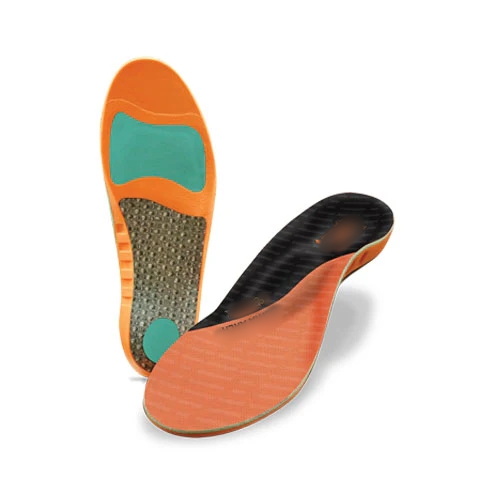
Properly maintained insoles can last between six and twelve months depending on user weight and activity level. Premium materials extend this life further when cared for correctly.
Yes. Most insoles can be remolded several times without losing structure, though excessive cycles may reduce elasticity slightly.
They fit most shoes, including running, casual, hiking, and work footwear, especially those with removable stock insoles.
They offer targeted arch reinforcement and stability, reducing discomfort for users with flat feet, plantar fasciitis, or heel strain.
Clean gently using mild soap and water, then air dry naturally. Avoid placing them near direct heat sources to preserve the molded shape.


