
Views: 222 Author: Edvo Publish Time: 2025-12-10 Origin: Site


Content Menu
● Why Shoe Choice Matters for Orthotics
● Key Features of Orthotic‑Compatible Shoes
>> Removable Insole and Extra Depth
>> Wide Toe Box and Sufficient Width
>> Firm Heel Counter and Stable Base
>> Supportive Midsole and Proper Flex Point
● Understanding Main Shoe Categories for Orthotics
>> Cushioned and Soft‑Flexible Shoes
● Matching Shoes and Orthotics to Foot Types
>> Low Arches and Overpronation
>> High Arches and Underpronation
● Best Everyday Shoe Types for Orthotics
>> Work Boots and Safety Footwear
● How to Test Shoe Fit with Orthotics
>> Step‑by‑Step Fitting Process
● Common Mistakes When Pairing Shoes and Orthotics
>> Using Non‑Removable Insole Shoes
>> Choosing Shoes That Are Too Soft or Too Shallow
>> Buying the Wrong Size for Orthotics
● How OEM Insole Manufacturers Support Orthotic‑Friendly Footwear
● Practical Buying Tips for Consumers and Brands
● Rotation and Replacement of Orthotic Shoes
● FAQ
>> 1. Do I need neutral or stability shoes for orthotics?
>> 2. Should I buy a larger shoe size for my orthotics?
>> 3. Can I use orthotics in dress shoes?
>> 4. Are sandals suitable for orthotics?
>> 5. How do I know if my shoes and orthotics are working well together?
Using orthotic for shoes without the right shoes can lead to discomfort, reduced support, and wasted investment. Choosing orthotic‑friendly shoes with enough space, structure, and compatibility ensures the orthotic insert can work effectively for comfort, alignment, and pain relief.
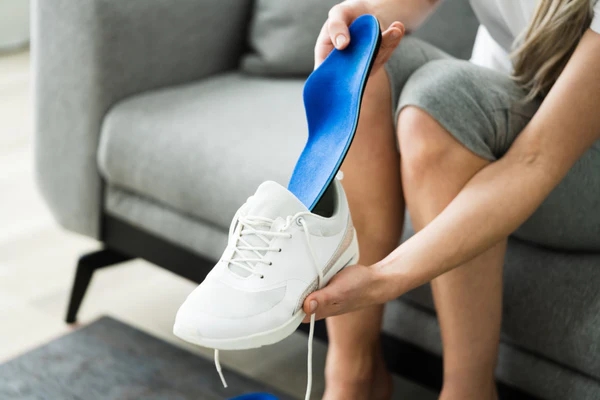
Orthotics are designed to control motion, support arches, and redistribute pressure, but they only perform well when placed in shoes with adequate depth, width, and stability. Flimsy or shallow footwear can cause the orthotic to tilt, slide, or create pressure points, reducing its corrective effect and potentially causing new pain.
High‑quality shoes also help the orthotic manage shock absorption and alignment for the entire lower limb, improving overall posture and reducing strain on knees, hips, and lower back. For brands and wholesalers, designing or sourcing footwear that cooperates with orthotics significantly increases perceived value for end users with foot issues.
An orthotic‑compatible shoe generally combines sufficient internal volume with controlled support under the foot. The most important features involve removable insoles, deep interiors, stable midsoles, and supportive heel structures.
Below are the core design elements to prioritize when selecting or developing shoes to pair with orthotics.
Shoes for orthotics should have a fully removable factory insole so there is room to insert the orthotic without excessively lifting the foot. Removing the original insert prevents tightness, toe rubbing, and heel slippage caused by stacking layers inside a shallow shoe.
Extra‑depth designs provide additional vertical space in the midfoot and toe areas, allowing the orthotic to sit flat while the foot still has comfortable clearance above it. This is especially important for people with bunions, hammertoes, swelling, or bulky custom devices that need more volume than standard footwear.
A wide toe box gives the forefoot and toes room to spread naturally on top of the orthotic, preventing compression and irritation. Cramped, pointed, or narrow toe designs can force the orthotic to bow upward or create friction across the top of the toes and joints.
Sufficient shoe width also matters because the combined width of foot plus orthotic can cause side bulging if the upper is too tight. For many users, switching to wide or extra‑wide models is essential once orthotics are added.
A firm heel counter locks the rearfoot over the orthotic so the device can control motion effectively. Soft, collapsible heel areas let the heel wobble, defeating the purpose of rearfoot posting or control features built into the orthotic.
The shoe's base should feel stable, not overly flexible from side to side, so that the orthotic is supported by the sole rather than bending excessively with each step. A supportive, slightly flexible sole helps distribute pressure and absorb shock while still allowing the orthotic to guide movement.
Orthotic‑friendly shoes typically use midsoles that provide a balance between cushioning and support, rather than extremely soft minimal designs. Features like dual‑density midsoles or firmer material on the inner side of the shoe help control inward rolling while maintaining comfort.
The flex point of the shoe should line up with the ball of the foot, not in the arch area, so that the orthotic's support zone stays stable. Excess flexibility under the arch can undermine the structural corrections built into the orthotic.
To choose the right shoe for orthotics, it helps to understand the major categories used in the athletic and comfort footwear industry. Each category interacts differently with orthotics depending on foot type and activity level.
In many cases, neutral models with good depth and removable insoles are preferred for custom devices, while stability or motion control models may suit people who use simpler over‑the‑counter inserts.
Neutral shoes are designed primarily for cushioning and a natural gait, without built‑in strong anti‑pronation structures. They are often recommended for people with relatively neutral foot mechanics or those using custom orthotics that already include motion control features.
Because neutral shoes typically have softer midsoles and fewer posts or wedges, they allow a prescription orthotic to do the corrective work without conflicting forces from the shoe itself. For many custom orthotic users, a neutral, well‑cushioned shoe with a removable insole and adequate depth is the most versatile combination.
Stability shoes add moderate support on the inner side of the foot to control mild to moderate inward rolling. They often include denser foam on the medial side and reinforced arch areas to guide movement without being as rigid as full motion control designs.
These shoes can work well with simpler orthotics or insoles that mainly add cushioning or slight support rather than strong posting. However, combining very aggressive stability shoes with highly corrective orthotics can sometimes lead to over‑correction, so professional guidance is useful.
Motion control models are built for people with more severe inward rolling or very low arches and use stiff midsoles and broad bases to limit excessive motion. They may feel firmer and less flexible than other types, prioritizing support over softness.
These shoes are sometimes paired with orthotics for individuals requiring maximum control, yet they can be too restrictive if the orthotic already provides strong correction. Careful testing and, ideally, professional assessment are important to avoid discomfort or altered gait.
Highly cushioned, very soft shoes focus on impact absorption and comfort, often for runners with high arches or people who prefer a plush feel. While comfortable, extremely soft designs can allow the orthotic to sink or tilt, reducing precision of support.
When pairing orthotics with soft shoes, choosing models with at least some structural support in the midfoot and heel is important. This ensures that the orthotic is not overwhelmed by the shoe's flexibility.
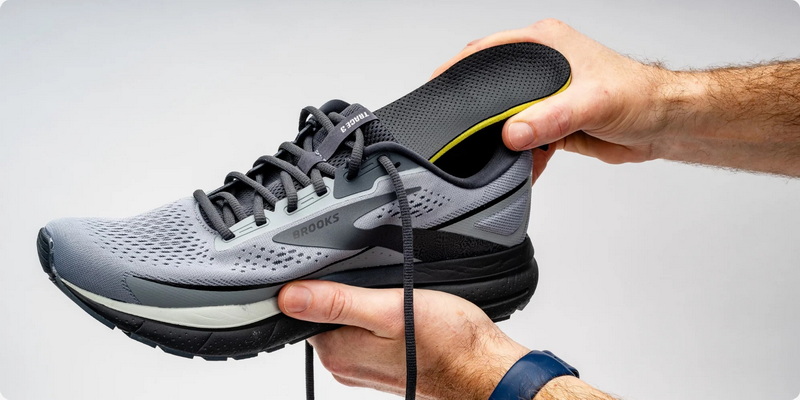
Different foot types require different combinations of orthotics and shoes to achieve optimal comfort and biomechanics. Understanding whether a person has low, neutral, or high arches helps guide the selection of both the device and the footwear platform.
Brands and retailers that educate customers on this matching process often see higher satisfaction and fewer product returns.
People with low arches or flat feet often experience inward rolling during walking or running, which can strain the plantar fascia, ankle, knee, and hip. Many benefit from orthotics that provide arch reinforcement and rearfoot control to limit this inward collapse.
Shoes with stable midsoles or light motion control features are typically recommended for this group, especially when using simpler over‑the‑counter orthotics. For custom devices with strong posting, a neutral but supportive shoe with a firm heel counter and deep interior may be preferable.
Neutral arches distribute pressure relatively evenly across the foot and usually do not require heavy correction. Orthotics for this group often focus on improved cushioning, subtle support, or addressing localized issues such as forefoot pain.
Neutral shoes with good cushioning, removable insoles, and adequate depth usually pair well with these less aggressive devices. Extra stability may be needed in cases of specific injuries or high training volume, but overly rigid footwear is rarely necessary.
High arches can lead to underpronation or reduced shock absorption, putting more stress on the outer part of the foot and the lower leg. Orthotics in this case often emphasize cushioning and mild support rather than aggressive motion control.
Cushioned shoes with flexible soles and spacious toe boxes work well for high arches, as long as they still provide enough structure to support the orthotic insert. Aligning the shoe's flex pattern with the high‑arched foot can improve comfort and reduce injury risk.
Orthotics can be used in many categories of footwear beyond athletics, including walking, casual, dress, occupational, and sandal styles. The main challenge is to combine aesthetic requirements with structural support and internal volume for the device.
Below are popular categories and how they typically interact with orthotics.
Athletic shoes and walking shoes are often the easiest categories for orthotic users because many models are designed with removable insoles and deeper interiors. Running and walking brands frequently offer styles that specifically mention compatibility with custom inserts.
Features to prioritize include firm heel counters, midfoot support, and roomy toe boxes, combined with lacing systems that allow fine adjustment over the orthotic. For everyday wear, a neutral or stability walking shoe with these characteristics is usually a safe choice.
Casual and dress shoes often have slimmer profiles, so finding orthotic‑friendly models requires extra care. Styles with removable insoles, hidden extra depth, and modest heel heights are preferable for accommodating inserts discreetly.
Loafers, lace‑up casuals, and some low‑profile business shoes can be adapted by using thinner orthotics or semi‑custom inserts tailored for limited space. Deep, wide designs with soft linings reduce friction and make it easier to wear orthotics throughout a long workday.
Work boots and safety shoes must balance orthotic compatibility with protective requirements such as reinforced toes and rugged outsoles. Many models now incorporate removable insoles and added depth to allow for custom devices.
For users standing on hard surfaces for long periods, combining shock‑absorbing orthotics with supportive, stable boots reduces fatigue and helps prevent overuse injuries. Adjustable closures and wide sizes are important to avoid pressure around the forefoot and ankle when the orthotic is installed.
Some modern sandals and open footwear now include removable footbeds or deep molded bases that can accept orthotic inserts. Adjustable straps help secure the foot and orthotic together, reducing sliding and improving alignment.
In other cases, brands produce sandals with built‑in supportive footbeds that mimic orthotic features for users who prefer not to insert a separate device. These designs offer a hybrid approach for warm climates or casual settings where fully closed shoes are not desirable.
Even the best orthotic and shoe combination can fail if the fit is not evaluated correctly. A systematic testing approach helps users, retailers, and clinicians confirm that the footwear supports the device and the foot simultaneously.
Simple in‑store or at‑home checks prevent long‑term discomfort, rubbing, or instability when using orthotics.
First, remove the original insole from the shoe so the orthotic can sit directly on the shoe's midsole or footbed. Place the orthotic inside and check that it lies completely flat without bulging at the edges or lifting at the heel or arch.
Next, put on the shoe and stand up, paying attention to heel security, forefoot space, and any pressure points on top or sides of the foot. Walk several steps, adjust the laces or straps, and ensure the orthotic does not slide forward, tilt, or feel unstable inside the shoe.
A good fit feels stable, with the heel held securely, toes free to move, and no sharp pressure areas on the top or sides of the foot. The orthotic should blend smoothly with the shoe, supporting the arch and heel without creating new hot spots.
Poor fit may show as bulging uppers, excessive tightness, pinching at the forefoot, or a sensation that the orthotic is rocking inside the shoe. In such cases, changing size, width, or shoe model is often necessary rather than forcing the device into an unsuitable design.
Many users and even buyers for retail chains make avoidable mistakes that reduce the effectiveness of orthotics. Addressing these issues improves user experience and reduces complaints and returns.
Below are some of the most frequent problems and how to avoid them.
Trying to place orthotics on top of non‑removable padded insoles often creates excessive volume under the foot, leading to instability and tightness. This can cause the heel to rise too high, increasing slippage and rubbing at the back of the shoe.
Brands and buyers should prioritize models explicitly designed with removable insoles and additional depth to house orthotics properly. Educating consumers to remove the original insert before inserting orthotics is also essential.
Very soft, flexible shoes may allow the orthotic to collapse or twist, reducing structural support and possibly worsening alignment. At the same time, shallow uppers and tight toe boxes can create friction and prevent the orthotic from sitting flat.
Selecting shoes that combine moderate cushioning with supportive construction and adequate interior depth solves both problems. This balanced approach ensures comfort without sacrificing the corrective function of the orthotic device.
Some people assume they must drastically increase shoe size to fit orthotics, but this is not always necessary if the shoe has removable insoles and extra depth. Oversizing can cause the foot to slide within the shoe, leading to unstable gait and blisters.
Instead, focus on correct length, width, and instep volume, ensuring that the orthotic sits flat and the foot is held securely without compression. Consulting trained fitters or clinicians can help determine whether a small size adjustment is needed for specific devices.
Leading OEM insole manufacturers work closely with footwear brands, wholesalers, and producers to design insoles and shoes as integrated systems. By aligning orthotic geometry with shoe depth, last shape, and midsole firmness, they help create products that feel natural and supportive for the end user.
For international buyers, partnering with a specialized insole factory allows full customization of arch profiles, heel cups, top covers, and materials based on target markets and foot types. This collaboration ensures that orthotic‑compatible shoes deliver consistent comfort, durability, and performance across different collections.
A Chinese OEM insole manufacturer can provide tailored solutions for athletic, casual, work, and medical footwear categories, including high‑volume private label projects. Through close cooperation on sampling, testing, and feedback, brands can develop orthotic‑friendly shoes that differentiate their product lines and build long‑term customer loyalty.
Beyond understanding categories and features, both individual consumers and professional buyers benefit from a clear process when choosing orthotic‑friendly shoes. Planning the purchase reduces trial‑and‑error and increases the chance of long‑term comfort.
Consumers should bring their orthotics when shopping, try multiple pairs, and prioritize comfort and stability over style alone. Brand buyers should request samples, test with standard orthotic shapes, and collect feedback from real users before committing to large orders.
Even the best shoes eventually lose support as midsoles compress and uppers stretch. For people who rely on orthotics, worn‑out shoes can significantly reduce the effectiveness of the devices.
Maintaining more than one pair of orthotic‑compatible shoes and rotating them can extend their usable life and improve hygiene. Both consumers and brands should understand that periodic replacement is necessary to preserve fit, cushioning, and structural integrity around the orthotic.
The best shoes for orthotics combine removable insoles, extra depth, wide toe boxes, firm heel counters, and supportive midsoles that allow the device to function properly. Matching shoe type and support level to the user's arch type and gait ensures comfort, alignment, and effective pressure distribution across the foot.
Avoiding common mistakes such as stacking orthotics on non‑removable insoles, using overly soft or shallow shoes, or choosing incorrect sizes preserves the therapeutic benefits of orthotics. For brands and wholesalers, working with experienced OEM insole manufacturers makes it easier to deliver orthotic‑friendly footwear solutions that meet the expectations of global customers.
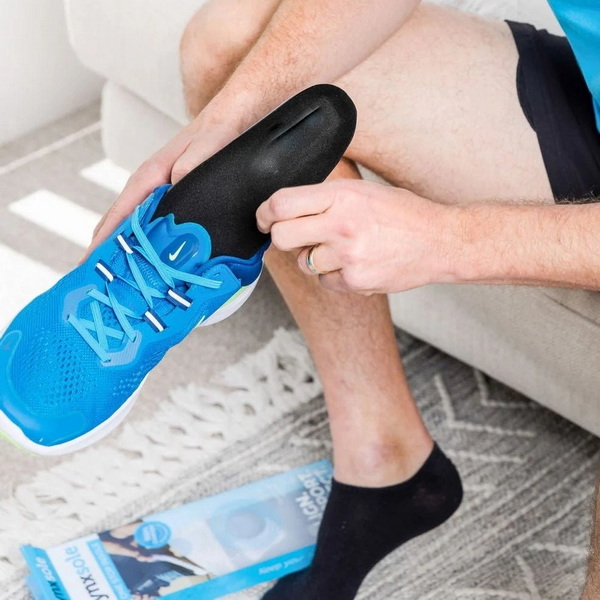
Many custom orthotics are designed to control motion themselves, so neutral shoes with good cushioning and removable insoles are often recommended. Stability shoes may be suitable when using simpler over‑the‑counter inserts or when extra support is required, but combining very strong stability designs with aggressive orthotics should be done carefully.
In many cases, switching to a larger size is not necessary if the shoe already has a removable insole and extra depth. The key is ensuring enough length, width, and volume so the orthotic lies flat while the foot feels secure and free from pressure points.
Orthotics can be used in dress shoes, but the models must have enough depth and preferably a removable insole or thin footbed. Many users rely on slimmer or partial‑length orthotics for tighter styles, or choose deeper, wider dress shoes designed to accommodate inserts discreetly.
Some modern sandals have removable footbeds or deep molded bases that can accept orthotic inserts securely. Designs with adjustable straps help keep the foot and orthotic aligned, while others offer built‑in supportive footbeds that mimic orthotic features.
A successful combination feels stable and comfortable, with no slipping heels, no pinching at the toes, and no new areas of soreness. The orthotic should stay in place, and over time many users notice improved comfort, better posture, and fewer pain episodes during daily activities.


