
Views: 222 Author: Edvo Publish Time: 2025-12-29 Origin: Site


Content Menu
● Understanding the Role of Arch Support
● Identifying Where the Arch Support Should Be
>> High Arches
>> Flat Arches
● Why Proper Arch Support Placement Is Essential
>> Effects of Poorly Placed Support
>> Benefits of Correctly Placed Support
● How to Test Arch Support Accuracy
● How Footwear Type Changes Arch Support Needs
>> Work Boots
>> Dress Shoes
● Key Elements of a Well-Designed Insole
● Common Foot Conditions Related to Arch Support
>> Heel Spurs
● Materials and Manufacturing: Behind Every Quality Insole
● Lifestyle Benefits of Proper Arch Support
● How to Maintain and Replace Your Insoles
● Common Myths About Arch Support
● FAQ
>> 1. How can I find my arch type?
>> 2. Can wrong arch support cause posture problems?
>> 3. Should I wear insoles all the time?
>> 4. What if my insoles cause discomfort at first?
>> 5. Are custom orthotics worth it?
Choosing the right arch insole is more than a matter of comfort—it is a foundation of health, performance, and endurance. Whether you are an athlete, a worker on your feet all day, or simply someone who values comfort, understanding where your insole should support your arch is crucial. Improper arch support leads to aches, poor posture, and fatigue, while proper support enhances balance, stability, and overall well-being.
As a leading insole manufacturer in China, we collaborate with international footwear brands, wholesalers, and OEM customers to produce high-performance insoles with perfect ergonomic fit. In this guide, we'll explain how arch support works, how to identify your arch type, where your insole should support your foot, and how to select the best insole for different uses and footwear.
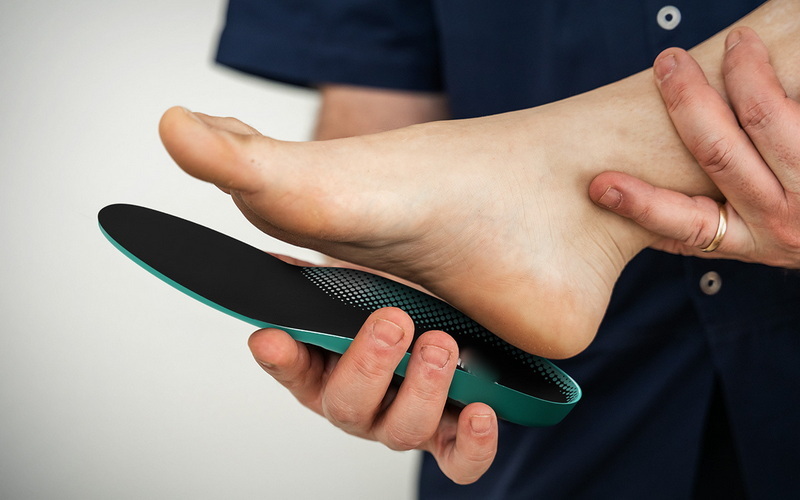
The human foot is a masterpiece of natural engineering. It bears the full weight of the body with each step and functions as both a shock absorber and a lever. The three main arches—medial, lateral, and transverse—play essential roles in distributing pressure and maintaining biomechanical balance. When these arches lose proper support, it can cause pain from the feet up through the knees and back.
Arch support in insoles helps maintain this mechanical harmony by:
- Evenly distributing pressure across the entire foot surface.
- Maintaining natural alignment between foot, ankle, and knee joints.
- Providing stability during movement and preventing excessive rolling.
- Relieving and preventing pain from common conditions like flat feet, high arches, and plantar fasciitis.
Without the right arch support, you may experience muscle strain or fatigue even during light activities. Over time, this imbalance can lead to chronic discomfort or deformities such as bunions and heel spurs. Therefore, the insole's supportive zone must perfectly match your foot's natural contour.
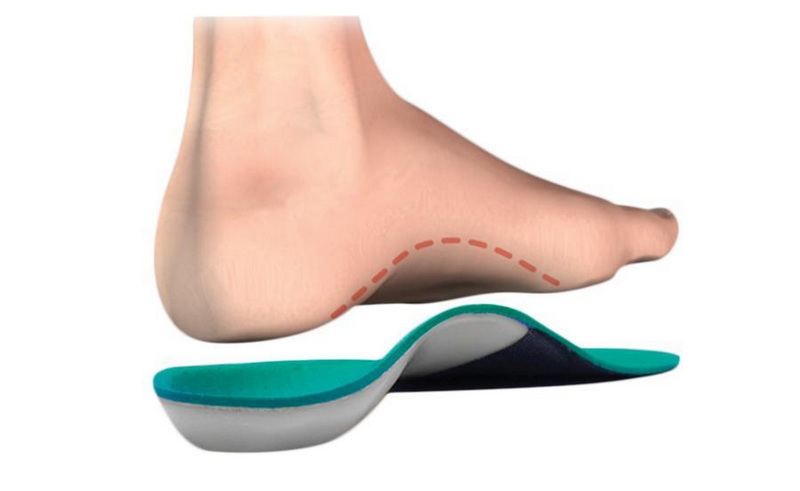
Every individual's arch shape is unique, but there are consistent design principles that guide where the insole should support the foot. The key is that arch support should match the region where your foot's arch naturally rises—not where it curves outward or flattens.
People with high arches have feet that do not flatten easily while walking. The insole should support the arch just below the midfoot, filling the hollow area without pressing too hard. Because high arches absorb less shock naturally, a combination of soft cushioning and firm mid-arch structure works best. Proper support here helps reduce stress on the heel and ball of the foot.
For individuals with a medium or neutral arch, the insole support should align directly beneath the natural arch curve. The goal is balance: preventing both excessive inward rolling (overpronation) and outward rolling (supination). When placed correctly, this position distributes pressure evenly and preserves the natural foot posture during every step.
Flat feet mean the arch collapses when standing, often causing overpronation. Insoles for flat arches should have defined structure starting from the heel and gently rising through the midfoot, encouraging a stable foot position. While it's impossible to permanently reshape a flat arch, proper insoles can improve comfort, posture, and walking alignment significantly.
When an insole's supportive area is too far back or forward, it fails to perform its purpose. Misaligned arch zones can cause uneven weight distribution, leading to fatigue, heel pain, or even joint issues. Proper placement ensures that the arch area receives continuous contact and pressure relief at the right point in your gait.
- Increased tension in the arch tendons.
- Pain radiating toward the heel or Achilles tendon.
- Unnatural gait causing knee and hip strain.
- Faster foot fatigue during walking or running.
- Improved posture and balance.
- Enhanced energy efficiency while moving.
- Longer shoe lifespan due to proper pressure distribution.
- Reduced risk of long-term injuries.
The logic is simple: when your insole supports your arch exactly where it needs to, your entire body alignment improves naturally. Over time, this support leads to better comfort, endurance, and joint health.
Finding whether your insole sits correctly doesn't always require technical instruments. A few simple checks can guide your assessment:
1. Barefoot test: Stand with your insole under your foot before inserting it into your shoe. You should feel steady support under your arch, not pressing or poking sensations.
2. Heel alignment check: Ensure the insole's raised arch area starts near the middle of your foot, not under the ball or too close to the heel.
3. Walking test: Move around in your shoes. If pressure feels evenly distributed, your insole placement is correct.
4. Look for signs of strain: If arch soreness develops after short wear, try insoles with adjusted curvature or density.
The objective is balance and comfort, not tension. When properly aligned, your arch support should feel natural and barely noticeable after a few minutes of walking.
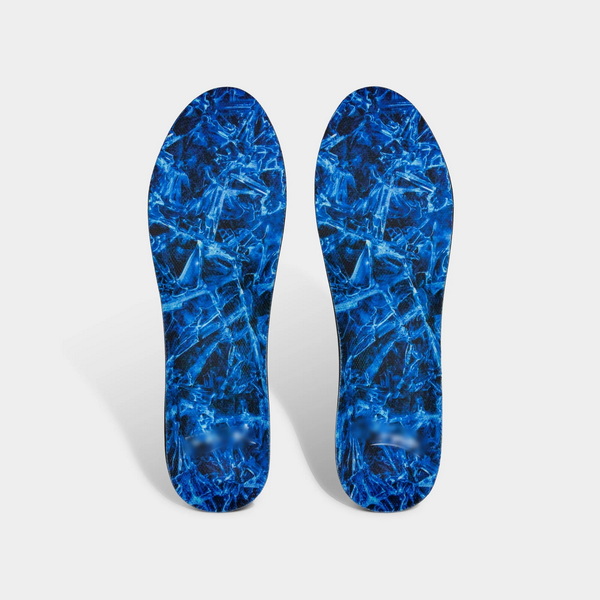
Different shoes serve different functions, which means the insole's arch placement and firmness vary depending on activity and footwear structure.
Running shoes focus on shock absorption and flexible motion. Insoles designed for these should position arch support slightly forward toward the midfoot to encourage energy rebound and forward momentum. Lightweight EVA foam or gel material maintains comfort and responsiveness during impact.
Work boots need firm and durable support since users typically stand for extended periods. The insole's arch support should extend from the heel through the midfoot to stabilize the body. Added thickness, reinforced heel cups, and anti-fatigue layers prevent soreness and leg strain.
Dress insoles should provide subtle, low-profile support that fits naturally inside tighter interior spaces. Midfoot support without bulk maintains both comfort and aesthetic shoe structure. Breathable materials with deodorizing features are often preferred for long business wear.
For daily footwear, focus on balanced, medium-firm arch supports that enhance comfort through light cushioning. These insoles should promote fluid movement without feeling intrusive.
Selecting the right combination of material, firmness, and arch placement ensures that every pair of shoes contributes to overall health rather than fatigue.
At our manufacturing facilities, we emphasize precision and comfort in insole engineering. Several factors determine how effectively an insole supports the arch:
- Material selection: EVA foam combines flexibility and shock absorption; polyurethane adds resilience, and memory foam conforms perfectly to foot contours.
- Arch contour accuracy: 3D modeling technology ensures the supportive area mirrors the natural curve of the human foot.
- Heel stabilization: Deep heel cups prevent rolling and anchor the arch under steady pressure.
- Ventilation channels: Good airflow maintains freshness during prolonged wear.
- Moisture control: Antibacterial liners and breathable mesh fabrics reduce odor and friction.
These details may seem small, but combined, they create insoles that deliver precision comfort across various applications—sports, work, or fashion.
Many common foot injuries or chronic conditions come from improper or missing arch support. Understanding these helps highlight why correct insole placement is so vital.
This inflammation of the tissue running along the bottom of your foot often stems from poor heel and arch cushioning. Well-placed arch support alleviates tension on this ligament and speeds recovery.
Overpronation occurs when the foot rolls inward excessively. Insoles with extra medial arch support help stabilize motion and balance pressure distribution.
Repeated stress on the heel bone from unsupported arches may lead to calcified growths. Consistent arch support reduces this impact and discomfort.
Pain in the ball of the foot frequently connects to misaligned arch balance. Proper insoles shift weight away from pressure zones, offering relief.
Continuous flattening of the arch causes tiredness and lower limb strain. Structural insoles restore uplift and energize walking posture.
Addressing these conditions early with supportive insoles prevents long-term mobility issues and enhances daily comfort.
As an OEM insole producer, material innovation defines how precisely we can align arch support with foot anatomy. Each production batch involves detailed testing and customization depending on client requirements.
- EVA Insoles: Lightweight, flexible, and cost-effective for mass manufacturing. Suitable for casual footwear and athletic design.
- PU Insoles: More durable, resistant to deformation, and supportive for heavy-duty applications like safety boots or outdoor wear.
- Memory Foam Insoles: Offer unmatched cushioning and shape recovery for premium products.
- Gel Inserts: Provide targeted pressure relief under arch and heel areas.
Modern insole manufacturing combines these materials strategically. For example, a PU base can ensure firmness while a memory foam top layer enhances comfort. Our advanced molding techniques ensure that the arch support always aligns with the precise curvature intended for specific body mechanics.
Correct insole alignment affects much more than your feet—it influences how your entire body moves and feels. Here are some wider lifestyle benefits well-designed arch support provides:
- Reduced fatigue: Spreads load efficiently, conserving energy—even after long days.
- Improved athletic performance: Enhances stride efficiency and foot response for runners or athletes.
- Better posture: Supports natural spinal alignment, reducing shoulder and lower back tension.
- Enhanced circulation: Promotes consistent blood flow in feet and calves during standing or walking.
- Greater comfort: Minimizes soreness, making any footwear feel more natural and stable.
Whether you're manufacturing footwear or selecting insoles for retail shelves, these benefits contribute directly to higher customer satisfaction and long-term health value.
Even the best insoles wear out over time. Proper maintenance ensures consistent support and hygiene.
1. Remove and air dry regularly. Moisture buildup can flatten materials and produce odor.
2. Avoid direct heat exposure. Instead of sunlight or dryers, let insoles dry naturally.
3. Clean gently with mild soap or spray disinfectant. Avoid alcohol-based cleaners that degrade adhesives.
4. Replace every six to twelve months. Heavy users such as runners or workers should replace them sooner.
5. Monitor compression signs. If the insole looks worn or soft spots appear, support efficiency has diminished.
A simple care routine keeps insoles performing effectively and extends shoe life as well.
Many misconceptions still confuse consumers. Let's clear them up.
- Myth 1: Every foot needs strong arch support.
Truth: The ideal firmness depends on arch height and activity type.
- Myth 2: Arch support can permanently fix flat feet.
Truth: Insoles assist alignment but cannot structurally alter bones.
- Myth 3: Softer equals better comfort.
Truth: Too-soft insoles compress under pressure, leading to instability.
- Myth 4: Any generic insole fits all shoes.
Truth: Footwear form and personal arch type determine the right fit.
Understanding these factors helps consumers and brands offer products that truly improve comfort rather than just soften the feel temporarily.
Proper arch support placement defines comfort, health, and performance. Your insole should cradle the natural rise of your foot—starting gently from the heel and continuing under the midfoot—so that each step aligns your body correctly. Whether you have flat, neutral, or high arches, precise support helps maintain mobility, reduce fatigue, and protect joints.
With advanced design, material innovation, and OEM customization, our factory delivers professional insole solutions that meet global brand standards. From athletic performance to occupational footwear, every pair we produce carries the same goal: to support your arch exactly where it counts most.
Do a wet footprint test. Step on paper with damp feet—if you see nearly the full print, you have flat feet; a band through the middle shows a normal arch; a thin line means a high arch.
Yes. Improper arch alignment changes walking balance and can gradually affect your knees, hips, and spine. Correct insoles restore natural posture.
If you spend long hours standing or have recurring foot pain, full-time wear is helpful. For others, using insoles during work, sports, or travel is usually sufficient.
Minor adjustment discomfort is normal for the first few days as your feet adapt to new support. However, persistent pressure means misalignment—try a different arch height or material.
For medical conditions like plantar fasciitis or chronic misalignment, custom orthotics made from 3D scans offer unmatched accuracy. For general comfort and daily activity, high-quality OEM or standard insoles work perfectly.


