
Language
Views: 222 Author: Edvo Publish Time: 2026-01-12 Origin: Site


Content Menu
● Understanding Dr Scholls Orthotic Inserts
● Buying From The Official Dr Scholls Website
● Major Pharmacy Chains And Drugstores
● Big Box Retailers And Supermarkets
● Online Marketplaces And E Commerce Platforms
● In Store Kiosks And Custom Fit Systems
● Types Of Dr Scholls Orthotic Inserts
● How To Choose The Right Dr Scholls Insert
● Comfort, Break In Time, And Daily Use
● Care, Cleaning, And Replacement
● Tips For Saving Money And Avoiding Poor Quality Products
● When To Consider Custom Or Medical Grade Orthotics
● Working With OEM And Private Label Insole Manufacturers
● FAQ
>> 1. Are Dr Scholls orthotic inserts good for plantar fasciitis
>> 2. Can I use Dr Scholls inserts in all my shoes
>> 3. How long do Dr Scholls orthotic inserts last
>> 4. Do I need a prescription to buy Dr Scholls inserts
>> 5. What is the difference between Dr Scholls Custom Fit and regular insoles
Dr Scholls orthotic inserts are widely available through official brand channels, major pharmacies, big box retailers, and online marketplaces, so it is easy to combine convenience with competitive pricing. Understanding each purchasing option and how to choose the right insole helps you protect foot health while controlling costs and delivery time.[1]
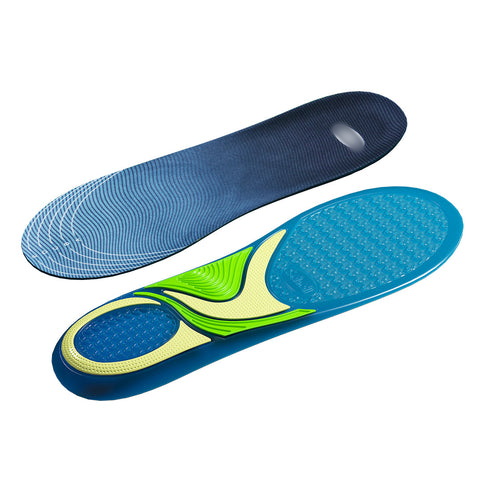
Dr Scholls is one of the most established names in consumer foot care and over the counter shoe inserts, offering solutions for everyday comfort and common pain conditions. The brand focuses on products that support natural foot motion and distribute pressure more evenly to make walking and standing more comfortable.[1]
Dr Scholls orthotic inserts target issues such as plantar fasciitis, heel pain, arch pain, ball of foot discomfort, and general fatigue from long hours on the feet. Different series are optimized for work, running, walking, casual wear, and specific medical related concerns, so users can match inserts to real daily activities.[1]
The official Dr Scholls website usually offers the most complete and up to date catalog of orthotic inserts and insoles for different needs. Visitors can filter products by pain type, shoe type, gender, or activity, which simplifies the process of locating the most suitable insole.[1]
Product pages typically provide detailed descriptions, fit suggestions, material information, and clear explanations of how the inserts are intended to relieve pain. This channel is especially useful for consumers who want high confidence in authenticity and access to the latest product launches or specialized lines.[1]
Large pharmacy and drugstore chains stock Dr Scholls inserts in the foot care or orthotics aisle, making it simple to pick up products during everyday errands. These stores often carry popular lines like plantar fasciitis insoles, heel pain inserts, work insoles, and comfort insoles for men and women.[1]
Many pharmacies now integrate online ordering with local store inventory, allowing customers to reserve items for same day pickup. This approach reduces the risk of a wasted trip, especially when you are looking for a specific model or size that may sell quickly.[1]
Big box retailers often provide a broad selection of Dr Scholls orthotic inserts at aggressive prices due to their purchasing volume. Shoppers can browse multiple lines in one place, from basic gel comfort inserts to more structured orthotics for work boots, running shoes, or casual sneakers.[1]
These stores usually offer both in store shelves and online listing pages, where you can check availability, choose delivery options, and read customer feedback. For cost sensitive buyers who still want reliable branded products, this mix of selection and pricing is very attractive.[1]
E commerce platforms and general online marketplaces make it easy to compare different Dr Scholls inserts and prices without leaving home. Customers often appreciate the ability to review user ratings, questions and answers, and product photos to better understand how a specific insert performs in real life.[1]
However, it is important to confirm that the seller is reputable and that product descriptions match the official Dr Scholls information. Checking packaging images, brand spelling, and model names carefully helps reduce the risk of receiving an imitation rather than an authentic insert.[1]
In some retail locations, Dr Scholls partners with stores to provide self service foot assessment kiosks that recommend Custom Fit orthotics. Customers stand on a sensing platform that evaluates arch type, pressure distribution, and other factors, then displays a recommended orthotic code for purchase.[1]
This system gives shoppers a convenient way to personalize their selection beyond basic shoe size, without needing a medical appointment. After receiving a recommendation, buyers can take the corresponding product from the nearby display or request it through an online channel if the store is temporarily out of stock.[1]
Dr Scholls offers several main groups of orthotic style inserts tailored for different use cases and target users. Understanding these categories helps you decide which product is more likely to perform well in your daily environment.[1]
Common categories include the following.
- Inserts for plantar fasciitis, designed with reinforced arch support and strong heel cushioning to reduce strain at the bottom of the foot.[1]
- Heel pain inserts, focusing on shock absorption and pressure relief at the heel area.[1]
- Work insoles for people who stand on hard surfaces for long shifts, often featuring durable foam or gel with additional arch structures.[1]
- Athletic and running insoles, tuned for impact control and responsive cushioning during sports and high impact activities.[1]
- Everyday comfort insoles that add cushioning and support for casual shoes and daily wear.[1]
Within each category, there may be variations for men and women, different shoe size ranges, and different thickness levels that affect fit inside shoes. Some models are full length, while others are three quarter length to allow easier transfer between shoes and better fit in tighter footwear.[1]
Selecting the right insert starts with identifying your main pain point or comfort objective. If you have specific discomfort such as heel pain or sharp pain in the arch area, choosing an insert labeled for that problem generally works better than a generic cushion.[1]
Next, consider the shoes in which you will use the insoles most frequently. Thick, cushioned full length insoles may be ideal for roomy work boots but may not fit comfortably in tight dress shoes or low volume sneakers.[1]
Pay attention to size ranges printed on the packaging and any trimming instructions. Some insoles can be trimmed to fine tune the fit to your exact shoe shape, while Custom Fit orthotics usually follow a fixed length format that emphasizes arch placement rather than trimming.[1]
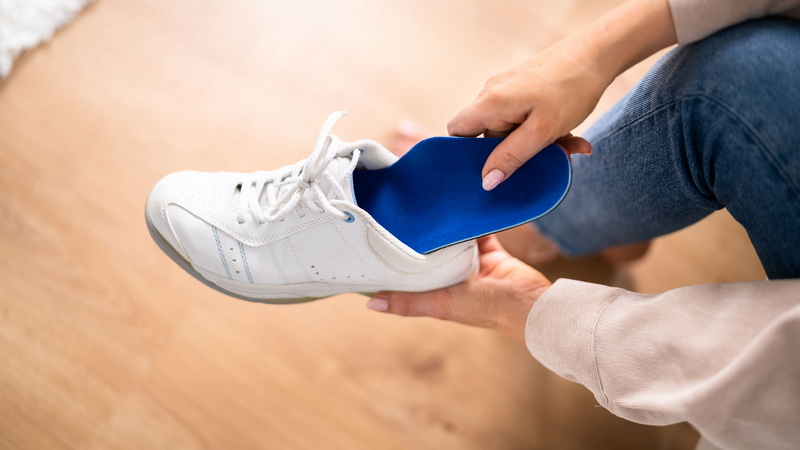
Even when a pair of orthotic inserts is well matched to your foot type and shoe, it may still require a brief break in period. During the first few days, wearing the inserts for only part of the day and gradually increasing usage can allow your feet to adapt to the new support pattern.[1]
Mild muscle fatigue around the arch or calves may appear as your body adjusts to the corrected alignment provided by the inserts. If you experience sharp pain, numbness, or worsening symptoms, it is wise to stop using the product and consider a different style or consult a medical professional.[1]
Once fully broken in, the inserts should feel supportive rather than intrusive, helping distribute pressure more evenly across the foot. With proper selection and placement, many users report less end of day fatigue and improved comfort while walking or standing.[1]
Proper care can extend the lifespan of your orthotic inserts and maintain hygiene inside your shoes. Most consumer grade insoles can be wiped with a damp cloth and mild soap, then allowed to air dry completely before being placed back into footwear.[1]
Avoid exposing inserts to direct high heat sources, such as radiators or dryers, because excessive heat can warp the structure or damage cushioning materials. Allowing insoles to dry at room temperature helps preserve both shape and support characteristics.[1]
Over time, all inserts gradually compress and lose some of their original resilience. Common signs that it is time to replace them include flattened cushioning, cracked top covers, noticeable odors, or a clear decline in comfort and support during daily use.[1]
To control costs, it helps to watch for promotions or loyalty discounts offered by pharmacies, large retailers, or the official brand store. Multi pair purchases or periodic sales events can bring the per pair price down while still keeping you within trusted distribution networks.[1]
When shopping online, use caution with deals that appear far below usual market price, especially if packaging images or descriptions look inconsistent. Choosing sellers with strong feedback and clear brand authorization reduces the chance of receiving products that do not match Dr Scholls quality standards.[1]
Reading product questions and reviews can highlight real world experiences with durability, comfort, and fit. Users often mention whether the inserts run thick or thin, how they perform in specific shoes, and how long they last under regular use.[1]
Although Dr Scholls orthotic inserts work well for general discomfort and common pain issues, they are not a substitute for professional medical treatment. People with complex structural problems, severe deformities, or persistent pain that does not respond to over the counter solutions may require medical grade custom orthotics.[1]
Custom orthotics involve detailed evaluation by a trained practitioner and are fabricated according to the exact shape and condition of each foot. These devices can be tailored for conditions such as advanced flat feet, high arches with instability, or significant leg length differences.[1]
Because medical orthotics are more expensive, many people start with consumer inserts to see whether moderate support improves comfort. If pain continues or worsens despite correct use of quality inserts, consulting a specialist is a sensible next step.[1]
For brand owners, wholesalers, or footwear producers, building a custom insole or orthotic line can be a powerful way to add value and differentiate products. Partnering with an experienced OEM insole manufacturer allows you to specify materials, shapes, hardness, and surface fabrics that match your customers exact requirements.[1]
A strong OEM partner typically offers design support, sampling, mass production, and export grade packaging so that your private label insole can compete with established brands. This includes customization of logo areas, retail ready packaging, and documentation for international quality standards.[1]
By combining in depth knowledge of local markets with the technical capabilities of a professional insole factory, importers and brand owners can introduce collections tailored to runners, workers, fashion shoes, or special medical themes. This approach lets businesses capture recurring demand for comfort and pain relief while building long term loyalty under their own brand identity.[1]
Dr Scholls orthotic inserts can be purchased from the official brand website, national pharmacies, big box retailers, and a wide range of online channels, giving consumers many convenient choices. By clarifying your key foot care goals, matching products to your main shoe types, and checking that you are buying from reliable sellers, you can select inserts that deliver meaningful comfort and support.[1]
Consumers with typical fatigue or mild to moderate pain often find that over the counter Dr Scholls products provide an effective balance of affordability and performance. For more complex cases, exploring medical guidance or custom orthotics ensures that foot health is managed with appropriate professional input.[1]
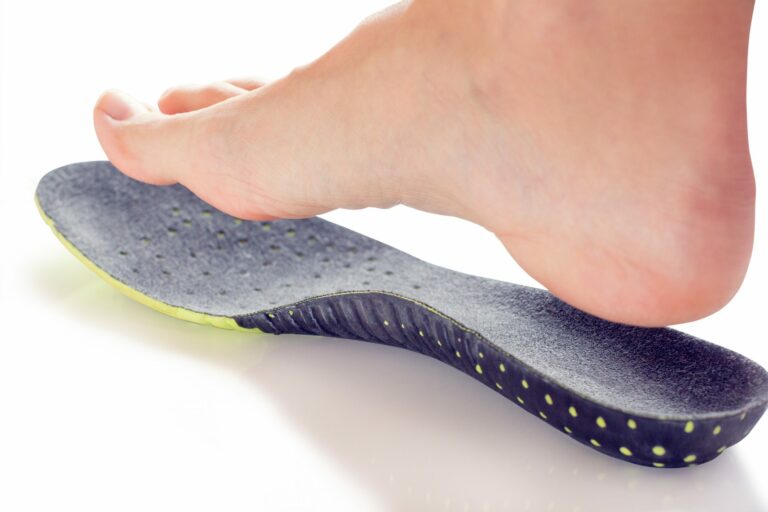
Dr Scholls offers specific plantar fasciitis inserts featuring reinforced arch support and deep heel cups designed to reduce tension on the plantar fascia. Many users report decreased morning heel pain and better comfort during long walking or standing periods when using a suitable plantar fasciitis model.[1]
Most Dr Scholls inserts are designed to work in common casual, work, and sports shoes, but very tight or low profile shoes may not have enough room for thicker insoles. Three quarter length models and slim profile designs are often easier to transfer among multiple pairs without creating excessive tightness.[1]
The service life of an insert depends on body weight, activity level, and how often you wear the same pair, but they are generally intended to last several months of regular use. If the cushioning feels flat, the surface fabric peels, or your original pain returns, replacement is usually appropriate.[1]
Dr Scholls orthotic inserts are over the counter consumer products and do not require a prescription. They are available directly through retail stores and online outlets, making them accessible to people who want additional support without a medical visit.[1]
Custom Fit products are recommended through a kiosk assessment that analyzes foot characteristics and suggests a specific code, while regular insoles are chosen manually based on shoe size and labeled purpose. Custom Fit models emphasize precise arch placement and targeted support, while standard insoles offer broader, more general cushioning categories.[1]
[1](https://www.drscholls.com/collections/shoe-inserts)


