
Views: 222 Author: Edvo Publish Time: 2026-01-25 Origin: Site


Content Menu
● Why Orthotic Insoles Matter for Everyone
>> Key Benefits
● Where To Buy Orthotics Insoles?
>> 1. Pharmacy and Healthcare Stores
>> 3. Physical Sportswear and Footwear Stores
>> 4. Medical or Orthopedic Clinics
>> 5. OEM and Wholesale Manufacturers
● Factors to Consider When Buying Orthotic Insoles
>> Fit and Size
>> Durability and Breathability
>> Certification and Quality Control
● Why Choose a Chinese OEM Orthotic Insoles Manufacturer
>> Extensive Customization Options
>> Global Supply Chain Capability
● Step-by-Step Guide to Ordering Orthotic Insoles From Manufacturers
>> Step 1: Requirement Discussion
>> Step 2: Prototype and Sample Creation
>> Step 4: Inspection and Quality Control
>> Step 5: Branding and Packaging
>> Step 6: Logistics and Delivery
● Maintenance Tips for Orthotic Insoles
● Common Foot Conditions That Benefit From Orthotic Insoles
● Choosing the Right Supplier: What to Look For
● FAQ
>> 1. What are orthotic insoles mainly used for?
>> 2. How long should a pair of orthotic insoles last?
>> 3. Are orthotic insoles suitable for all shoe types?
>> 4. Can I buy orthotic insoles in bulk for my retail brand?
>> 5. Do orthotic insoles help reduce back or knee pain?
Orthotic insoles have become essential for people seeking comfort, stability, and posture improvement in their daily lives. Whether you're an athlete aiming to enhance performance, a healthcare worker who stands for long hours, or someone who simply wants relief from chronic foot pain, these foot-support devices can make a remarkable difference.
If you're wondering where to buy orthotic insoles, this detailed guide will explain everything you need to know—from understanding their functions and benefits to choosing the right manufacturer or supplier for your needs.
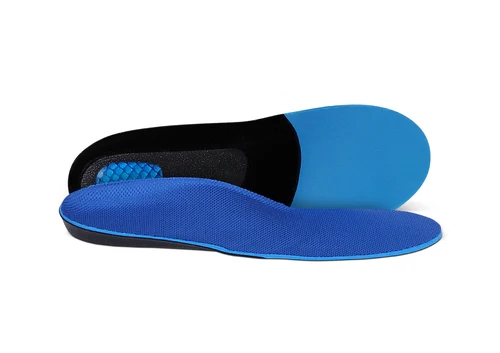
Orthotic insoles are specially engineered foot inserts that correct biomechanical imbalances and provide optimal support for your feet. By correcting improper movements and redistributing body weight evenly, they help prevent and relieve pain caused by excessive strain on joints, heels, and arches.
Broadly speaking, orthotic insoles are divided into two main types:
- Medical orthotic insoles: Prescribed by medical professionals to treat conditions like plantar fasciitis, bunions, or diabetic foot pain.
- Commercial orthotic insoles: Designed for general comfort and posture enhancement, available through retail brands or online platforms.
Typically, the base materials include EVA foam, polyurethane (PU), gel, silicone, or cork, each providing a unique balance between cushioning and rigidity.
Healthy feet contribute to overall well-being. Misalignment in your feet can translate into knee, hip, or back pain, making it vital to ensure proper alignment and support through the use of orthotic insoles.
1. Pain Reduction – They relieve common foot pain caused by flat feet, heel spurs, and plantar fasciitis.
2. Posture Improvement – Balanced foot alignment promotes spinal stability and reduces fatigue.
3. Enhanced Shock Absorption – Essential for athletes and workers who walk or stand for long periods.
4. Versatility – Orthotic insoles can fit various shoe types such as running shoes, office footwear, and work boots.
5. Durability – High-quality materials retain their shape even after extensive use, ensuring lasting comfort.
When properly chosen, orthotic insoles act as preventive tools for long-term foot health.
Your source of orthotic insoles will depend on your purpose—whether you're buying for individual health needs or bulk procurement as a retailer or brand owner. Below are the most common and effective purchasing channels.
Local pharmacies and healthcare shops are convenient places to start. They offer ready-made orthotic insoles that target common problems such as arch support or heel cushioning. These insoles are typically pre-sized and ideal for quick relief, although they are not fully customizable.
Online shopping has revolutionized accessibility to orthotic insoles. Major platforms like Amazon, eBay, and Walmart host hundreds of brands, giving buyers the option to compare:
- Product specifications (materials, design, hardness level).
- Customer ratings and reviews for credibility.
- Return and warranty policies for added security.
Before buying online, verify product certifications, sizing charts, and foot-type descriptions to ensure proper fit and effectiveness.
If you're more comfortable testing the product before purchase, sportswear stores such as Decathlon, Nike, or New Balance are ideal. These outlets usually carry orthotic-compatible insoles designed specifically for athletic shoes or hiking boots.
Here, you can feel the arch strength, heel grip, and cushioning level directly—helpful for those needing support during high-impact sports.
For severe issues like chronic plantar fasciitis, foot deformities, or post-surgery pain, podiatrists or orthopedic specialists can create custom orthotic insoles based on precise pressure mapping and gait analysis.
Although more expensive than retail options, custom insoles are the best choice for treating medical-grade conditions.
If you're a retailer, distributor, or brand owner, sourcing directly from OEM orthotic insole manufacturers offers considerable advantages.
China, in particular, has become a global hub for high-quality orthotic insole production, supplying to markets across America, Europe, and Asia. As one of the leading manufacturers in China, we specialize in OEM/ODM services for international clients—offering everything from material selection to complete private labeling.
Our factory team develops insoles using advanced ergonomic technology, ensuring comfort, durability, and scientific accuracy in foot posture correction. Partnering with experienced OEM suppliers allows brands to combine premium quality with cost-efficient manufacturing.
Not all insoles are created equally. A thorough understanding of the following parameters will help you choose the right product.
Each material delivers a different level of comfort and firmness:
- EVA Foam: Lightweight and budget-friendly; flexible enough for casual shoes.
- PU (Polyurethane): Excellent shock resistance and long-lasting support.
- Gel or Silicone: High cushioning suitable for high-impact activities or sports shoes.
- Memory Foam: Adapts to foot shape, providing a personalized experience.
- Cork or Carbon Fiber: Used for premium insoles requiring superior structure and firmness.
Since everyone's foot structure differs, choosing insoles that match your arch shape—flat, neutral, or high—is essential. Wrong arch support may increase pain instead of relieving it.
A snug fit prevents movement inside the shoe. Many orthotic insoles can be trimmed to fit perfectly within specific shoe sizes.
Different shoes serve different functions. Ensure the insoles you choose suit the type of shoes you wear most often—such as running shoes, safety boots, or dress shoes.
Quality insoles incorporate breathable fabrics and odor-resistant coatings, keeping your feet dry while maintaining shape after extended wear.
When sourcing from manufacturers, always confirm the availability of certifications such as ISO, CE, or FDA registration to ensure adherence to international safety and hygiene standards.
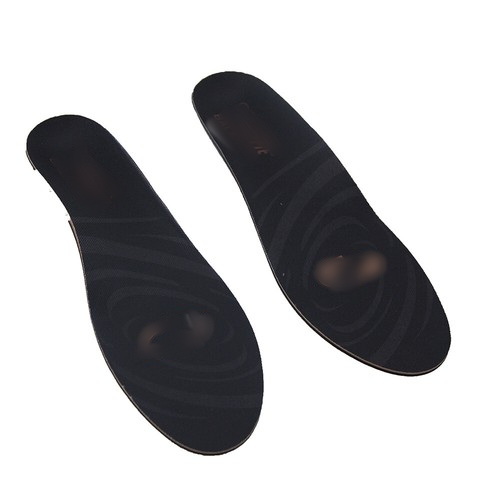
China has consistently led global supply chains for footwear accessories, including orthotic insoles. Here's why buyers and businesses prefer working with Chinese OEM factories:
Efficiency in bulk manufacturing allows for lower per-unit costs without compromising product quality. This is especially advantageous for brands seeking competitive retail pricing.
OEM services offer full flexibility on:
- Branding and logo placement.
- Customized arch shapes and footbed designs.
- Packaging and labeling according to your market standards.
This ensures your product stands apart from off-the-shelf alternatives.
Leading factories conduct thorough testing—verifying resilience, compression set, and temperature performance—to achieve consistent durability and comfort.
China-based manufacturers have global logistics networks, enabling fast shipping and smooth customs clearance to countries across North America, Europe, and the Middle East.
Many suppliers now emphasize sustainability by using eco-friendly EVA, recyclable PU compounds, and biodegradable packaging materials, aligning with environmental protection trends worldwide.
Working with OEM manufacturers involves several professional steps to ensure the final product meets your design, performance, and branding expectations.
Define the exact product specifications—shoe size, foot arch type, material, and design objectives. Provide sketches or samples if available.
The factory creates a prototype. You can test the prototype for comfort, resilience, and fit before confirming production.
Once approved, the manufacturing process begins according to your chosen materials and design specifications.
Every production batch undergoes detailed testing for uniform thickness, stability, and density consistency.
Your packaging preferences, brand logo, and labeling are applied to the final product before shipment.
Manufacturers provide international shipping options, ensuring your products arrive safely and on time.
Even the best insoles require proper care to maintain performance. Here are effective maintenance guidelines:
- Remove insoles daily to air them out and avoid moisture buildup.
- Clean periodically using a mild soap and soft cloth (no machine washing).
- Avoid direct sunlight to prevent material cracking.
- Replace every 6–12 months depending on wear frequency and activity level.
- Store in a cool, dry place to preserve cushioning elasticity.
By following these steps, your orthotic insoles will maintain comfort and support longer.
Orthotic insoles are widely known for helping with many foot and posture conditions, including:
1. Plantar Fasciitis – Reduces pressure on the heel and arch to relieve inflammation.
2. Flat Feet – Adds structured arch support to improve gait and distribute weight evenly.
3. Overpronation – Stabilizes the ankle to prevent inward rolling during motion.
4. Heel Spurs – Cushions the heel area and minimizes shock impact.
5. Metatarsalgia – Provides forefoot padding to reduce stress under toes.
6. Arthritis and Diabetic Foot Pain – Aids in pressure reduction for sensitive joints and nerves.
When chosen correctly, orthotic insoles enhance comfort and minimize risk for recurring pain.
When selecting an OEM or wholesale manufacturer, consider the following criteria:
- Experience and Production Scale: Long-term factories offer refined production processes and design flexibility.
- Global Client Portfolio: Look for suppliers already exporting to key markets.
- Sample Policy: A trustworthy supplier will provide samples for evaluation.
- Response Speed and Communication: Good after-sales service and open communication ensure smooth collaboration.
- Innovation Capacity: Choose suppliers capable of continuous design updates following global footwear trends.
These points help ensure you partner with a dependable manufacturer that meets both quality and timeline expectations.
In today's demanding world, orthotic insoles play a critical role in maintaining comfort, performance, and long-term foot health. Whether you need them for daily wear, sports, or clinical use, there are multiple options to explore—from pharmacies and sports shops to professional podiatrists and online marketplaces.
However, for businesses seeking large-scale procurement or brand development, sourcing directly from Chinese OEM orthotic insoles manufacturers offers a combination of reliability, affordability, and innovation. With modern technology, strict quality testing, and global delivery capacity, China remains one of the most trusted production centers for orthotic solutions.
By understanding your market, selecting the right material, and communicating detailed design needs, you can deliver high-quality orthotic insoles that meet both aesthetic and functional demands—helping customers walk healthier and live better.
Contact us to get more information!
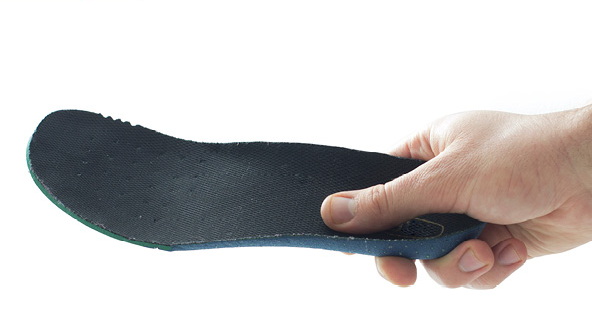
Orthotic insoles are designed to correct foot alignment, support the arch, relieve pain, and improve balance while walking or running.
Typically, between 6 and 12 months depending on body weight, walking intensity, and material quality. Frequent users should replace them every year.
Yes, but consider varying thickness. Thinner insoles fit dress shoes, while thicker types suit athletic or work footwear.
Absolutely. Many OEM factories in China provide private labeling, packaging customization, and bulk discount options for brand resellers.
Yes. By improving foot alignment and reducing lower-body strain, orthotic insoles can minimize knee, hip, and lower back discomfort.
1. [American Podiatric Medical Association - Foot Orthotics Overview](https://www.apma.org/)
2. [National Institutes of Health (NIH) - Plantar Fasciitis and Orthotic Support](https://www.nih.gov/)
3. [Foot Health Facts - Custom Orthotics](https://www.foothealthfacts.org/)
4. [WebMD - Benefits of Insoles](https://www.webmd.com/)
5. [Healthline - How Orthotic Insoles Improve Posture](https://www.healthline.com/)


