


Content Menu
● Why The Right Insoles Matter
● Where To Buy Shoe Insoles Online
● Benefits Of Buying Insoles Online
● Buying Insoles At Pharmacies And Drugstores
● Advantages Of Local Pharmacy Purchases
● Shoe Stores And Sports Retailers
● Benefits Of Buying In Shoe Stores
● Specialist Clinics And Custom Orthotics
● When To Choose Professional Solutions
● Buying Direct From OEM Manufacturers
● Advantages Of OEM Insole Cooperation
● Key Factors Before You Decide Where To Buy
● How To Choose The Right Insole Step By Step
● Online Versus Offline Buying: Which Is Better?
● Simple Buying Checklist For “Where To Buy Shoe Insoles?”
● FAQ
>> 1. What type of insole should I buy?
>> 2. Where can I buy good quality insoles?
>> 3. How do I choose the right size?
>> 4. How long do insoles usually last?
>> 5. Do I need different insoles for different shoes?
Shoe insoles are a simple upgrade that can dramatically improve comfort, reduce fatigue, and protect your joints in everyday life, at work, or during sports. When you understand where to buy shoe insoles and how to choose the right type, you can get far better results from every pair of shoes you own.
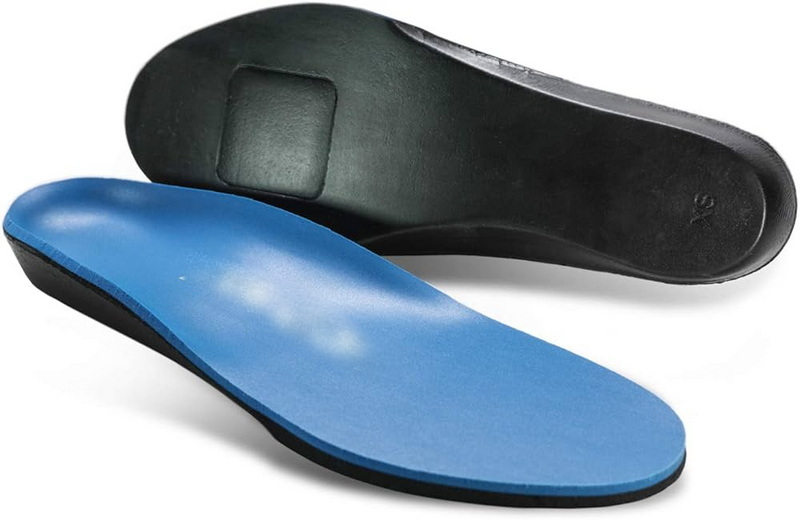
Shoe insoles are removable inserts placed inside your footwear to add cushioning, support, and shock absorption beyond the original thin footbed. They help distribute pressure more evenly across the foot, improve alignment, and reduce common problems such as heel pain, arch fatigue, and ball-of-foot discomfort.
Insoles can be made from foam, gel, cork, leather, or advanced composite materials, and each option offers a different balance of softness, stability, and durability. Some insoles are aimed at everyday comfort, while others are built for heavy-duty work, high-impact sports, or specific foot conditions.
Different people and activities require different insole structures, so knowing the main categories makes buying decisions much easier. Broadly, you will find comfort insoles, support or orthotic-style insoles, and custom or semi-custom insoles.
Comfort insoles focus on cushioning and shock absorption, often using foam or gel to create a soft, plush feel. Support insoles add firmer arch and heel structure to control motion and promote better alignment, which can help with issues like overpronation. Custom orthotics are designed around your individual foot shape and biomechanics for the most targeted results.
When you choose the right insoles, you can reduce pain from long hours of standing, walking, or running and make your shoes feel more supportive. Correct support under the arch and around the heel stabilizes the foot, which helps protect ankles, knees, hips, and even your lower back.
The right insoles can also improve the internal fit of shoes, filling excess space, reducing heel slip, and minimizing friction that can cause blisters. For people with demanding jobs or intense training schedules, this means more comfort, better performance, and fewer days lost to soreness.
One of the most convenient answers to Where To Buy Shoe Insoles? is online shopping. Online platforms offer a huge variety of brands, materials, and designs, from basic foam inserts to advanced support insoles and medical-style products.
Specialized insole and footwear websites often provide detailed product descriptions, size guides, arch-height information, and usage tips. Many also include customer reviews and comparison tools so you can quickly see which models work best for walking, running, hiking, work boots, or dress shoes.
Buying insoles online allows you to compare many products and prices in just a few minutes without visiting multiple physical stores. You can filter by shoe size, foot condition, activity type, material, and support level to narrow the selection quickly.
Online orders usually ship directly to your home or office, and many sellers offer flexible return policies in case the first pair is not a perfect match. This combination of selection, convenience, and clear information makes online shopping especially attractive for experienced buyers and for bulk orders.
Local pharmacies and drugstores are one of the most familiar places where people buy shoe insoles. In the foot-care section, you will typically find comfort insoles, gel heel cups, arch supports, and products aimed at everyday pain relief.
This option is ideal when you need immediate help and cannot wait for a delivery. You can read package labels in person, compare thickness and shapes, and quickly choose a product that matches your shoe size and main concern, such as heel pain, arch support, or all-day cushioning.
Buying at a pharmacy lets you physically handle the product box and often see a sample insole or a cutaway display. You can check how thick the insole is and whether it looks suitable for your shoe type, for example, sneakers, work boots, or flats.
In addition, you may be able to ask basic questions to staff, especially about the differences between simple gel cushions and more structured inserts. For many people, this in-person reassurance makes the first insole purchase easier and more confident.
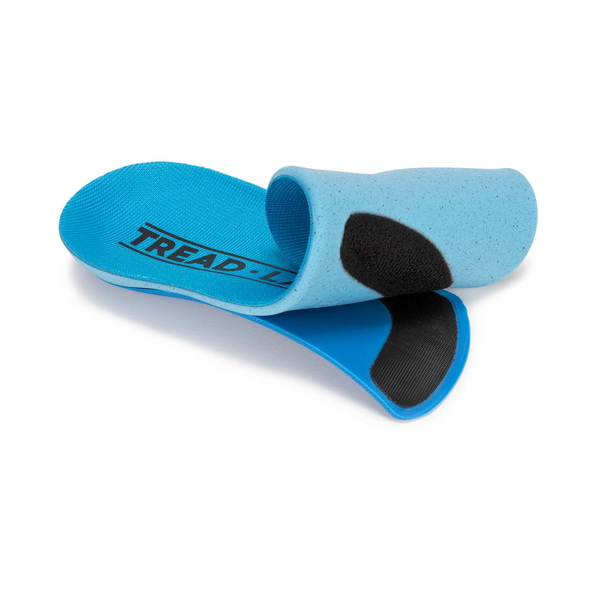
Shoe stores, sports retailers, and outdoor shops are also popular answers to Where To Buy Shoe Insoles?. These stores often carry insoles specifically designed for running, hiking, walking, team sports, or work environments.
Staff in these shops usually have experience fitting shoes and understanding common foot issues. They can suggest insoles that match your activity, arch type, and shoe model, and they may invite you to test the insoles inside your own shoes to feel the difference immediately.
Buying insoles where you buy your shoes has several advantages. You can check how the insole fits inside your footwear, whether it crowds your toes, and whether the heel feels stable and secure.
Some specialty stores also offer basic gait observations, such as checking whether you overpronate or supinate. With this information, they can guide you toward softer cushioning insoles or firmer support models that better control your foot motion.
If you suffer from chronic foot, knee, or back pain, or if you have conditions like flat feet, high arches, or plantar fasciitis, specialist clinics may be the best place to buy advanced insoles. Podiatrists and other foot-care professionals can perform a thorough assessment of your feet and walking pattern.
Based on this analysis, they might recommend high-quality prefabricated insoles or fully custom orthotics built around your own foot measurements or 3D scans. Custom orthotics are more expensive but can provide tailored support, long-lasting durability, and very specific corrections.
You should consider visiting a specialist if over-the-counter insoles do not relieve your pain, or if your discomfort is severe, long-lasting, or linked to medical conditions. Professional guidance helps reduce the risk of choosing insoles that are too soft, too rigid, or simply inappropriate for your situation.
In a clinic setting, you can also receive advice about exercises, stretching routines, and shoe choices that work together with insoles to protect your feet. This combined approach can deliver better long-term results than insoles alone.
For brands, wholesalers, and other businesses asking Where To Buy Shoe Insoles? at scale, direct cooperation with professional OEM manufacturers is a powerful solution. OEM factories can design and produce insoles that match your target market and brand positioning, from budget-friendly comfort inserts to premium support products.
Working with an experienced OEM insole factory allows you to customize materials, densities, shapes, surface textures, and packaging. You can develop collections for running, hiking, daily comfort, work boots, or specific foot concerns, all under your own brand.
OEM cooperation is ideal for companies that want stable quality, reliable lead times, and the ability to grow their own insole lines. You can start with development samples, run small trial orders, then scale up when the product proves successful in your market.
Such partnerships usually include services like logo printing, private-label packaging, barcode and label design, and professional export documentation. For overseas brands and wholesalers, working with a mature Chinese insole factory can deliver competitive pricing, flexible customization, and long-term supply security.
Before you decide where to buy shoe insoles, it helps to clearly define your main goal: more comfort, better support, sports performance, or medical-level correction. Your foot type, arch height, shoe style, and typical activities all influence which insole is best for you.
Budget and purchasing volume also matter. Single consumers may prefer easy retail or online options, while retailers and brands benefit from OEM partnerships that allow bulk production and tailored designs. By matching your needs with the right channel, you save time and money and avoid unnecessary frustration.
To make buying easier, follow a simple process:
1. Identify your problem
- Do you feel pain in the heel, arch, or ball of the foot?
- Are you standing all day at work or training intensely?
2. Know your arch type
- Low, normal, or high arch.
- Flat feet often need stronger structure, while some high arches need targeted cushioning.
3. Check your shoes
- Do your shoes have removable factory insoles?
- How much extra space is available in the toe box and around the instep?
4. Select insole category
- Comfort cushioning for general use.
- Support or orthotic-style insoles for control and alignment.
- Custom orthotics for complex or medical cases.
5. Choose the buying channel
- Drugstores and shoe shops for fast, simple solutions.
- Specialist clinics for professional evaluation.
- Online retailers for wide selection and easy comparison.
- OEM manufacturers for private-label and bulk orders.
Once you have chosen your insole, fitting it correctly makes a big difference. For most full-length insoles, it is best to remove the original thin insole from your shoes before inserting the new one, so you do not overfill the shoe.
If the insole is designed to be trimmable, place your old insole on top of the new one, trace the outline with a pen, and carefully cut along the line with sharp scissors. Start by trimming a little less than you think you need, then check the fit in the shoe and adjust gradually until the insole lies flat without buckling.
Online and offline channels each have strengths, and neither is always better in every situation. Online shopping is ideal if you already know your size and preferred type, or if you want access to specialized or niche products that local stores do not carry.
Offline shopping in pharmacies, shoe stores, or clinics is better when you are new to insoles or need immediate relief. Being able to hold the product, ask basic questions, and test the fit in your shoes can help you avoid the most common mistakes and wasted purchases.
A common mistake is buying insoles that feel very soft in the store but collapse quickly under body weight, providing little real support. Another mistake is ignoring shoe volume and choosing insoles that are too thick, which makes shoes tight and uncomfortable.
People also sometimes expect one pair of insoles to work perfectly for every situation. In reality, you may need lighter, thinner insoles for dress shoes and more robust, structured models for running or work boots. Matching the insole to both your foot and your shoe is the key to success.
Use this quick checklist to turn the question “Where To Buy Shoe Insoles?” into a smart purchase decision:
- Define your goal: comfort, support, sports, work, or medical.
- Check your arch type and common pain points.
- Look at your main shoe types and available space.
- Choose insole category and material.
- Select the buying channel that fits your budget and urgency.
- Confirm size, trimming possibility, and basic return policy.
- Test the fit and comfort, and be ready to adjust if necessary.
Shoe insoles are a powerful tool for upgrading comfort, improving alignment, and protecting your joints in everyday life, sports, and work. By understanding the different insole types, knowing your own foot needs, and choosing the right place to buy—whether online, in local stores, through specialist clinics, or via OEM manufacturers—you can turn the question Where To Buy Shoe Insoles? into a confident and rewarding decision.
Whether you are an individual shopper looking for instant relief or a brand planning your own insole line, taking a structured approach to insole selection and purchasing helps you avoid costly mistakes and unlock the full potential of your footwear.
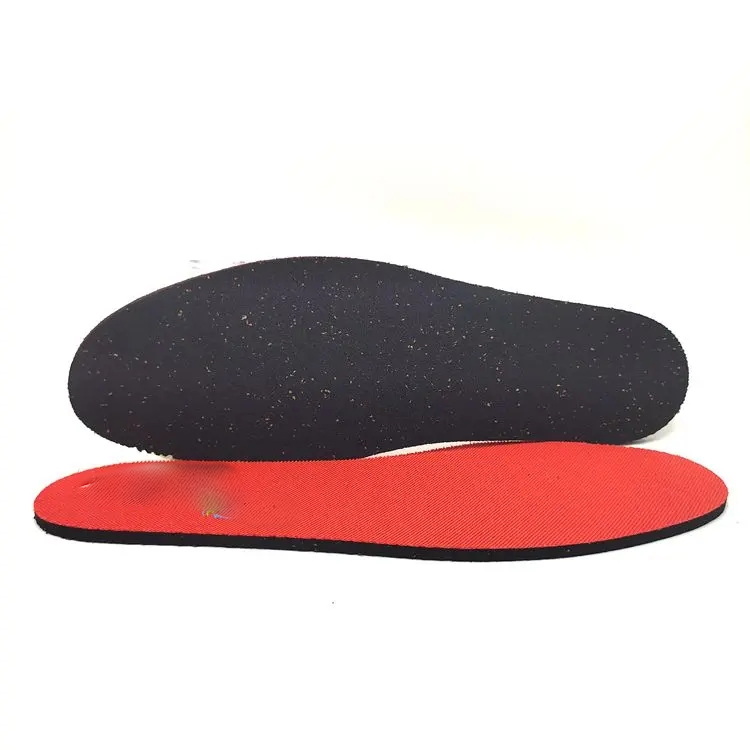
You should choose your insole based on your main goal and foot type. If you just want more comfort, a cushioned foam or gel insole may be enough, but if you have flat feet or overpronation, a firmer support insole is usually more effective.
You can find good quality insoles at pharmacies, shoe stores, sports shops, and outdoor retailers, as well as through online footwear and insole platforms. For larger quantities or private-label projects, working directly with a professional OEM insole manufacturer is an excellent option.
Most insoles are labeled with a size range that matches standard shoe sizing. Select the range that includes your size, then trim along the printed guidelines if necessary so the insole fits flat and snug inside your shoe.
The lifespan of insoles depends on the material, your body weight, and how often you use them, but many everyday insoles need replacement after several months of regular wear. If the surface is worn, the cushioning feels flat, or the support feels weaker, it is time for a new pair.
In many cases, yes. Thick, supportive insoles that work well in running shoes or work boots may be too bulky for slim dress shoes or casual flats, so you may need thinner or shorter designs for those. Having more than one style of insole helps you stay comfortable across all your footwear.


