
Language
Views: 222 Author: Edvo Publish Time: 2025-12-02 Origin: Site


Content Menu
● Key Features Of Inserts For High Arches
● Types Of Inserts Suitable For High Arches
>> 1. Full-Length Orthotic Insoles
>> 2. Three-Quarter-Length Arch Supports
>> 3. High-Arch Cushioned Sport Inserts
>> 4. Heat-Moldable Or Semi-Custom Inserts
>> 5. Medical-Grade Orthotic Inserts
● How To Choose The Best Insert For High Arches
● Examples Of High-Arch Insert Design Concepts
● Recommended Insert Profiles For Different Users
● Common Mistakes When Choosing Inserts For High Arches
● Daily Use And Care Tips For High-Arch Inserts
● How A Chinese OEM Insole Manufacturer Can Serve High-Arch Customers
● FAQ About Inserts For High Arches
>> 1. Are firm or soft inserts better for high arches?
>> 2. Can high-arch inserts help with knee or back pain?
>> 3. Do I need custom orthotics if I have high arches?
>> 4. How long does it take to get used to high-arch inserts?
>> 5. Which shoes work best with high-arch inserts?
High arches can make every step feel tougher on your heels, forefoot, ankles, and even your lower back, so the right arch insert is not just a comfort upgrade but an important protection for long‑term foot health. The best inserts for high arches combine structured arch support, a deep and stable heel cup, and targeted cushioning that matches your activity level, body weight, and shoe type.
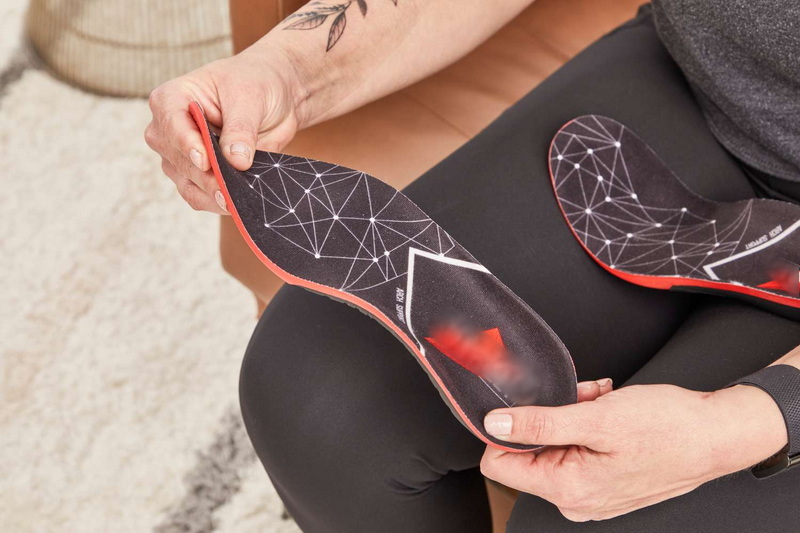
High arches (often called cavus feet) mean the midfoot does not collapse enough when you walk or run, so the heel and ball of the foot carry most of the pressure. This lack of natural shock absorption can lead to heel pain, forefoot burning, metatarsal discomfort, ankle instability, shin pain, and sometimes knee or back issues over time.
High arches are often linked with supination, where the foot rolls outward instead of inward. Because of this, simple flat cushions rarely solve the problem; high‑arched feet usually need a shaped insert that fills the empty space under the arch and helps guide the foot into a more neutral, stable position.
The ideal insert for high arches should support, stabilize, and protect the foot at the same time. When evaluating or designing products, focus on how these features work together instead of looking at cushioning alone.
- Firm or semi‑rigid arch support that matches a higher arch profile and spreads pressure more evenly.
- A deep heel cup to cradle the heel, reduce sideways rolling, and improve overall alignment of the foot and leg.
- High‑density cushioning, especially under the heel and forefoot, to soften impact on hard surfaces.
- A supportive but slightly flexible shell that allows natural motion without collapsing.
- Correct volume (thickness) and length so the insert sits flat in the shoe without lifting the foot too high or crowding the toes.
Different categories of inserts can work well for high arches, but each type suits specific shoe styles and usage scenarios. Understanding these types makes it easier for end users to choose and for OEM factories to plan product lines.
Full‑length orthotic insoles replace the original sock liner and run from heel to toe, offering continuous support across the whole foot. They are ideal for running shoes, walking shoes, hiking boots, work boots, and everyday sneakers.
High‑arch full‑length models typically combine a semi‑rigid arch plate with cushioning layers on top and bottom. This structure supports the midfoot, stabilizes the heel, and cushions the forefoot during push‑off, which is especially important for people who walk or stand many hours per day.
Three‑quarter‑length inserts extend from the heel to just behind the ball of the foot, focusing support on the arch and heel while leaving the toe area free. They are a good choice for slim shoes that do not have removable insoles, such as certain dress shoes, loafers, or fashionable sneakers.
Because they use less material and occupy less space, three‑quarter‑length supports are easier to fit into tight footwear. At the same time, they can still offer a tall arch profile and deep heel cradle specially tuned for high‑arched feet.
High‑arch sport inserts are designed for running, training, tennis, basketball, and other high‑impact activities. They usually feature an elevated arch shape, a rigid or semi‑rigid heel platform, and advanced foams that absorb repeated impact and provide energy return.
For athletes with high arches, this combination reduces stress on the plantar fascia, lessens shin and knee strain, and improves stability when changing direction or landing from jumps. Many users also choose this style for long work shifts on hard floors because it mixes performance support with serious cushioning.
Heat‑moldable inserts allow the shell or mid‑layer to soften under heat and then conform more closely to the unique shape of the wearer's arch and heel. After cooling, the insert keeps this customized contour, giving a closer fit than standard off‑the‑shelf insoles.
This format is attractive for customers who have high arches that do not match generic arch curves or who feel pressure points with normal insoles. It also gives brands and OEM suppliers an easy way to offer “semi‑custom” solutions at a more accessible price than full medical orthotics.
Medical‑grade orthotic inserts are geared towards users with chronic pain, severe supination, previous injuries, or complex biomechanical problems. They can be advanced over‑the‑counter devices or fully prescription orthotics produced based on foot scans or casts.
These products typically feature aggressive arch height, extra firm shells, reinforced heel posts, and precisely placed pads to offload sensitive areas. They are recommended when standard high‑arch insoles do not provide enough relief or when a doctor identifies specific structural issues that require targeted correction.
Selecting the best high‑arch insert involves a simple but systematic evaluation. Whether you are advising customers or designing your own OEM line, consider these factors carefully:
- Arch height and flexibility: Very high and rigid arches benefit from clear structure and strong cushioning, while moderately high arches may be comfortable with slightly softer, semi‑rigid support.
- Main pain areas: Heel pain suggests strong heel cushioning and a deep cup; forefoot pain or burning indicates the need for extra metatarsal cushioning and pressure distribution.
- Shoe type and internal volume: Thick, high‑volume insoles work best in roomy shoes; slim shoes may require thinner or three‑quarter‑length supports to avoid tightness.
- Body weight and activity level: Heavier users and high‑impact athletes should prioritize durable materials and firm support so the insert does not compress and lose shape quickly.
- Adaptation period: More structured insoles often require a short break‑in schedule, starting with a few hours per day and gradually increasing wear time.
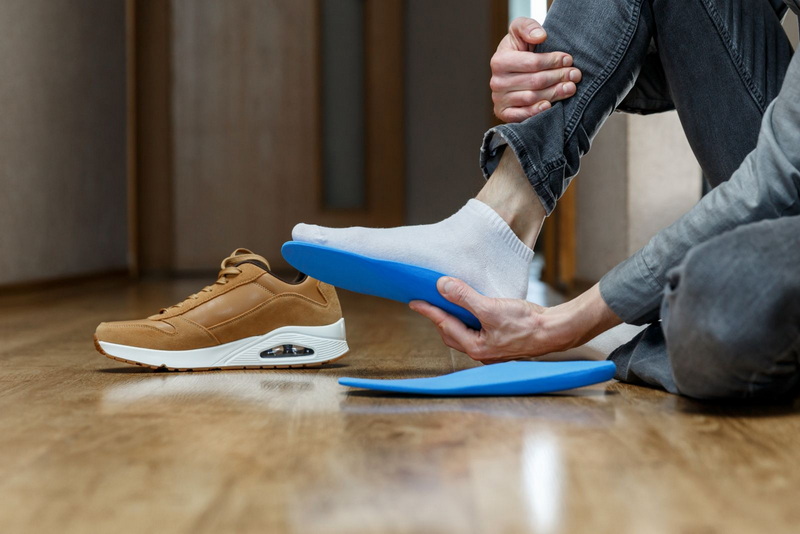
Many successful high‑arch insoles on the global market share similar design principles. These concepts also serve as useful guidelines for OEM product development.
- Elevated midfoot bridge that clearly fills the gap under the arch instead of leaving it “hanging” in the air.
- Deep, cupped heel design with raised side walls, forming a stable cradle to reduce lateral movement and supination.
- Multi‑layer construction with a firm base, shock‑absorbing core foam, and a soft top cover for comfort and moisture management.
- Optional metatarsal support area for customers with forefoot pressure, neuroma symptoms, or toe joint discomfort.
- Breathable top fabrics and perforations in non‑load‑bearing zones to reduce heat build‑up and improve hygiene.
Different groups of users have different priorities, even if they all share a high‑arch foot structure. Segmenting these groups can help you match inserts to real‑life needs.
- Runners and fitness enthusiasts: Prefer high‑arch performance inserts with strong arch control, deep heel cradles, and responsive cushioning that can handle repetitive impact.
- Retail, hospitality, and factory workers: Benefit from full‑length high‑arch insoles with softer top layers and robust cores to deliver all‑day comfort on hard floors.
- Office professionals using dress footwear: Often need thin, three‑quarter‑length high‑arch supports that fit discreetly inside formal shoes while still stabilizing the heel and arch.
- Outdoor and safety boot users: Look for rugged inserts that resist moisture, support the ankle, and maintain shape inside heavy work boots or hiking boots.
- People with chronic or medical foot conditions: Usually require more structured or medical‑grade orthotics and may need professional assessment to fine‑tune design.
Even with many options on the market, it is easy to choose the wrong insert. Avoiding these common mistakes can prevent frustration and additional pain.
- Choosing very soft gel pads with almost no structure: They often feel good at first touch but do not provide enough midfoot support and quickly pack down.
- Selecting an arch that is too high or too aggressive: Over‑correcting the foot can create new pressure points and even lead to discomfort in the knees or hips.
- Ignoring shoe fit: Forcing a thick insole into a tight shoe can lift the foot, create toe pressure, and make the shoe feel smaller, even if the arch shape is correct.
- Giving up too quickly: Some users discard high‑arch inserts after only a short trial; following a gradual break‑in plan usually improves comfort and acceptance.
Proper care extends the life of high‑arch inserts and keeps them comfortable and hygienic for everyday use.
- Rotate pairs: If possible, keep more than one pair of inserts and rotate them between shoes to allow each pair to dry and recover between wears.
- Air dry thoroughly: After a long day or heavy workout, remove inserts from shoes and let them dry at room temperature, away from direct heat.
- Clean gently: Wipe the top cover with a mild soap solution and a soft cloth, then air dry; avoid soaking or machine washing.
- Inspect for wear: Check regularly for compressed foam, cracks in the arch shell, or damage to the heel cup; replace the insert once support or cushioning clearly declines.
For a Chinese insole manufacturer focusing on OEM and ODM solutions, the high‑arch segment is a strong opportunity to move from simple commodity insoles to higher‑value functional products. International brands, wholesalers, and shoe factories often need reliable partners who can engineer orthopedic features and still deliver competitive pricing and flexible customization.
An OEM program targeting high‑arch users can include multiple product families, for example:
- Running and training high‑arch insoles with sport foams, anti‑slip top fabrics, and heel‑to‑toe cushioning.
- Everyday comfort high‑arch insoles designed for walking and standing, emphasizing pressure distribution and breathability.
- Work and safety boot high‑arch insoles with reinforced shells, rugged cover materials, and anti‑fatigue cushioning.
- Dress shoe high‑arch supports in three‑quarter‑length, low‑volume designs for formal footwear.
- Semi‑custom or heat‑moldable high‑arch models for premium lines that need a clear differentiation story.
By combining in‑depth technical know‑how, modern manufacturing, strict quality control, and clear marketing education, such an OEM factory can position itself as a specialist in high‑arch support and attract long‑term overseas partners.
For high‑arched feet, the best inserts are those that truly fill the gap under the arch, stabilize the heel, and cushion the key pressure zones without making shoes feel too tight. Full‑length orthotic insoles, three‑quarter‑length supports, sport‑oriented high‑arch inserts, heat‑moldable semi‑custom designs, and medical‑grade orthotics all play important roles for different footwear types and user groups.
When choosing or designing high‑arch inserts, key elements such as arch height, rigidity, heel cup depth, shoe volume, and expected activity level must work together. With the right insert, high‑arched users can enjoy better alignment, more even pressure distribution, reduced pain, and greater comfort in daily life, work, and sports—and a professional insole OEM manufacturer can turn this technical performance into a strong, differentiated product line.
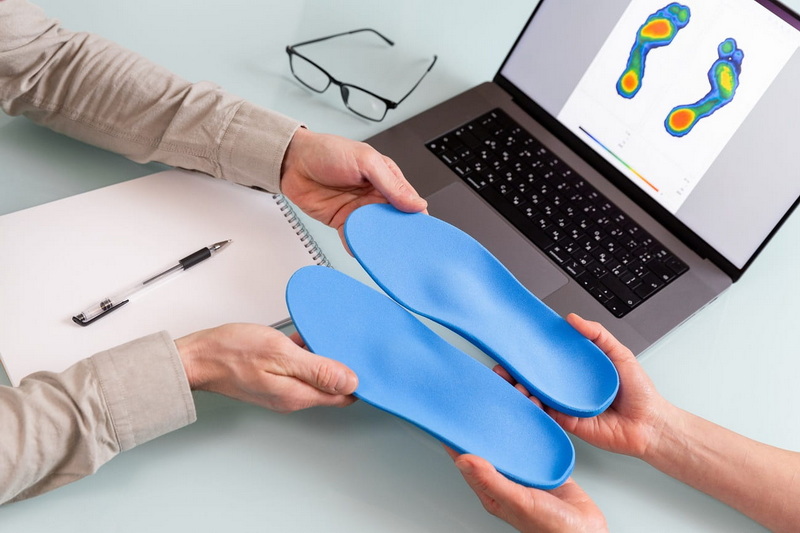
Most high‑arch users do better with firm or semi‑rigid inserts that provide real shape and support rather than very soft pads. Soft pads alone may feel comfortable for a short period but usually fail to control pressure and alignment in the long run.
High‑arch inserts can help reduce knee and lower‑back discomfort by improving foot alignment and shock absorption. When the feet are better supported and the heel is stabilized, forces travel more evenly through the ankles, knees, hips, and spine.
Many people with high arches get enough relief from high‑quality ready‑made high‑arch insoles. Custom orthotics are usually recommended when off‑the‑shelf products do not solve the problem or when a medical professional identifies complex structural or neurological issues.
Adaptation time varies, but it is common to need several days to a couple of weeks to get fully used to structured high‑arch support. A gradual schedule, starting with a few hours per day and slowly increasing wear time, helps feet and muscles adjust comfortably.
Roomy shoes such as running shoes, walking shoes, hiking boots, and work boots are ideal for full‑length high‑arch insoles. Slim dress shoes and fashion styles usually work better with thin or three‑quarter‑length high‑arch supports that provide stability without crowding the toes.


