
Language
Views: 222 Author: Amanda Publish Time: 2025-09-08 Origin: Site


Content Menu
● What Are Orthotics for Shoes?
● Key Features to Look for in Shoes for Orthotics
>> 6. Breathable and Durable Materials
● Best Types of Shoes for Orthotics
>> Dress Shoes
>> Boots
● Specialized Shoes for Orthotics
● How to Choose and Fit Shoes for Orthotics
>> Bringing Orthotics Along When Shopping
>> Breaking In
● Maintaining Shoes Used with Orthotics
● Benefits of Combining Orthotics with the Right Shoes
● FAQ
>> 1. Can I use any shoes with orthotics?
>> 2. How can I tell if my shoes fit orthotics well?
>> 3. Are special orthotic shoes necessary?
>> 4. Can orthotics fit into sandals?
>> 5. How often should I replace shoes used with orthotics?
Orthotics for shoes play a vital role in providing comfort, support, and pain relief for people with foot problems. Choosing the right shoes to accommodate orthotics can significantly enhance their effectiveness and improve overall foot health. In this article, we will explore which shoes are best for orthotics, discussing key features to look for, types of shoes ideal for orthotics, and tips to ensure a perfect fit.

Orthotics are custom or over-the-counter shoe inserts designed to correct biomechanical foot issues, alleviate pain, and improve foot function. When paired with the appropriate shoes, orthotics can help with conditions such as flat feet, plantar fasciitis, bunions, and arthritis.
Orthotics for shoes require footwear that provides:
- Adequate space for the insert
- Proper heel stability
- Arch support compatibility
- Sufficient cushioning
Shoes that lack these features can render orthotics ineffective or even worsen foot problems.
Before selecting your next pair of shoes to use with orthotics, consider these critical features.
Shoes with removable insoles make it easier to accommodate custom orthotics, allowing a comfortable fit without compromising support. Without this feature, the orthotic may push the foot too tight or cause discomfort due to limited space.
A deep and wide toe box gives your toes ample room, preventing discomfort or crowding when orthotics raise the foot's arch or change pressure distribution. A cramped toe box restricts toe movement and may worsen alignment issues.
A firm heel counter stabilizes the back of the foot, enhancing the effectiveness of orthotic inserts and reducing foot fatigue. This added heel stability helps maintain proper foot mechanics during walking or running.
Laces, Velcro straps, or buckles allow fine-tuning of fit, important for accommodating orthotics and ensuring the shoe remains secure without causing pressure points. It also allows adjustment throughout the day when swelling might occur.
A supportive midsole complements the orthotic's corrective properties, promoting proper alignment and cushioning. A shoe lacking midsole support can negate the benefits of orthotics, leading to discomfort or injury.
Shoes made of high-quality, breathable materials keep feet comfortable and extend the shoe's longevity, especially important for those wearing orthotics daily. Moisture-wicking fabrics prevent fungal infections and odor issues that sometimes accompany orthotic use.
Not all shoes are created equal when it comes to compatibility with orthotics. Below are the categories most suited for accommodating orthotics for shoes.
Athletic or running shoes often have removable insoles and deep toe boxes, making them one of the easiest shoes to pair with orthotics. Designed for cushioning and support, they accommodate foot mechanics well.
Ideal Features:
- Supportive midsoles
- Strong heel counters
- Breathable mesh uppers
- Adjustable laces
Athletic shoes also frequently feature technologies such as gel or air cushioning that complement orthotics, providing shock absorption which is beneficial for people with foot problems.
Walking shoes specialize in comfort and support during low-impact activities and are excellent candidates for orthotics. They provide good arch support and a roomy toe box. Some walking shoes are specifically designed to accommodate orthotics, offering extra depth and removable insoles out of the box.
Ideal Features:
- Cushioned midsoles
- Removable footbeds
- Durable construction
Many walking shoes also come in wider widths, which is helpful for orthotic wearers requiring more interior space.
Finding dress shoes for orthotics can be challenging due to limited space but options exist with removable insoles and wider toe boxes. Orthotic-friendly dress shoes may have stretchable materials or adjustable straps to increase comfort.
Ideal Features:
- Removable insoles
- Design with a wider toe box
- Low, stable heel
- Adjustable straps or laces
Some brands offer dress shoes specifically engineered for foot health, incorporating orthotic-friendly designs without sacrificing style.
Boots generally offer sturdy ankle and heel support, which pairs well with orthotics, especially for those needing extra stability. Hiking boots in particular often come with removable insoles and enough internal space for various orthotics.
Ideal Features:
- Removable insoles
- Firm heel counters
- Plenty of internal room for inserts
When selecting boots, make sure the fit is not too tight, especially around the ankle, so that orthotics can function properly without causing pressure points.
Orthotics-compatible sandals or casual shoes often come with adjustable straps and removable footbeds, making them versatile for summer or casual wear. Some sandals are designed with deep soles to hold orthotics firmly in place.
Ideal Features:
- Adjustable straps
- Deep sole cavity for inserts
- Cushioned footbed support
Sandals may not provide as much support as closed shoes, but orthotic-friendly designs minimize this issue and provide comfort during warmer months.
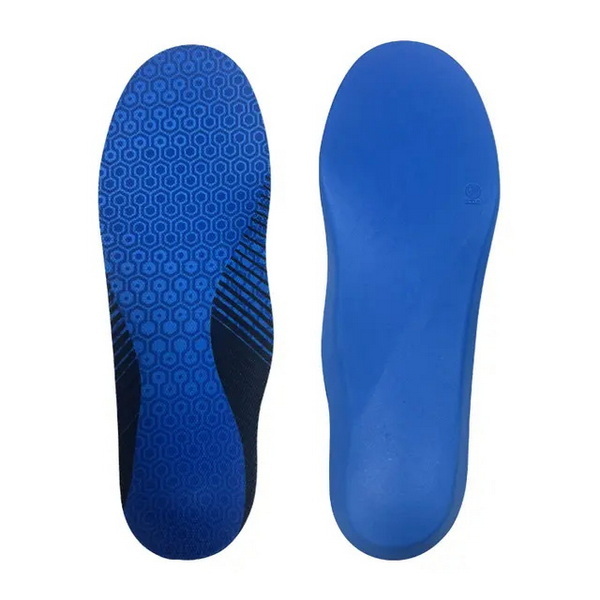
Beyond standard categories, specialized shoes cater explicitly to patients needing orthotics or extra foot support.
Diabetic shoes are designed to reduce pressure points and improve circulation, featuring extra depth for orthotics. They prevent ulcers and aid foot health drastically for diabetic patients who often require orthotics.
Orthopedic shoes often come with built-in orthotics or offer the removable insole feature to accommodate additional inserts. These shoes prioritize foot alignment and distributing weight evenly.
Always bring your orthotics when shopping for shoes. Insert your orthotics into the shoes before purchasing and walk around to assess the fit and comfort.
Ensure the heel fits snugly without slipping. Heel slippage can cause friction injuries and reduce orthotic efficiency.
Select shoes appropriate for the intended activity — running, walking, work, casual wear — as this influences shoe structure and durability.
Orthotics can take up space inside the shoe, so choosing wider or half sizes up may be necessary for a comfortable fit.
New shoes with orthotics may need a break-in period. Start wearing them for short durations and gradually increase time to avoid blisters or soreness.
Proper maintenance ensures optimal performance of both shoes and orthotics:
- Regularly clean shoes and dry them completely to maintain the shoe's structure.
- Inspect orthotics for wear and replace when necessary.
- Rotate shoes when possible to reduce wear and moisture build-up.
Pairing orthotics for shoes with the right footwear can:
- Alleviate foot, knee, hip, and back pain by correcting alignment
- Improve walking and running mechanics by providing proper arch and heel support
- Prevent further foot deformities such as bunions or hammer toes
- Enhance comfort during daily activities, reducing fatigue
- Support recovery from foot or lower limb injuries
Properly matched shoes and orthotics create a synergy that helps the wearer maintain mobility and quality of life.
Choosing the best shoes for orthotics involves evaluating shoes for removable insoles, deep toe boxes, sturdy heel counters, adjustable closures, and supportive midsoles. Athletic shoes, walking shoes, dress shoes, boots, and even some sandals can accommodate orthotics effectively if chosen carefully. Incorporating orthotics into the right kind of footwear maximizes foot support, alleviates pain, and promotes proper biomechanics. Bringing orthotics when shopping, prioritizing fit and comfort, and consulting specialists when necessary ensures your shoes help you get the most out of your orthotics. This attention to shoe selection ultimately leads to healthier feet and improved overall well-being.
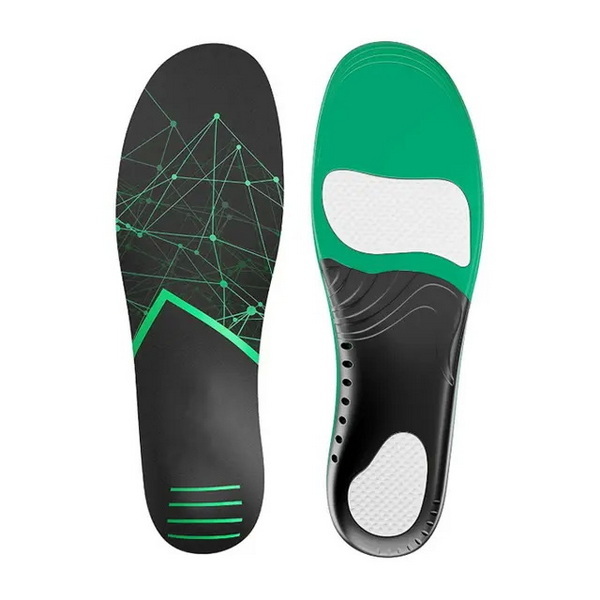
Not all shoes are suitable for orthotics. Shoes with removable insoles, deep toe boxes, and firm support are best for accommodating orthotics comfortably and effectively.
When wearing the shoes with orthotics, your toes should have room to move, and there should be no excessive pressure or pain. The heel should feel stable without slipping.
While specialized orthotic shoes exist, many regular shoes with the right features can work well with custom orthotics. It's important to test shoes for fit and comfort with your orthotics.
Yes, many sandals designed with removable footbeds and adjustable straps can accommodate orthotics, providing comfort in warmer weather without sacrificing foot support.
The general recommendation is to replace shoes every 300-500 miles for athletic shoes or every 6-12 months for daily wear shoes, depending on wear patterns and support degradation.


