
Language
Views: 222 Author: Edvo Publish Time: 2026-01-12 Origin: Site


Content Menu
● Who Is Aetrex And What Is The L200?
>> Aetrex's Design Philosophy Behind L200
● Key Features Of L200 Orthotic Inserts
● Design For Different Foot Types
>> Biomechanical Benefits In Daily Use
● Who Uses L200 Orthotic Inserts?
>> Common Foot Problems Addressed
● Where Are L200 Orthotics Sold?
>> How L200 Differs From Other Aetrex Models
● OEM And Private‑Label Production Perspective
● How OEM Factories Support L200‑Style Projects
● Choosing Between Branded L200 And OEM Alternatives
● FAQ
>> 1. Who actually manufactures the L200 orthotic shoe inserts?
>> 2. What foot conditions are L200 inserts recommended for?
>> 3. What materials are used in L200 orthotic shoe inserts?
>> 4. Are L200 orthotics suitable for all types of shoes?
>> 5. Can brands or wholesalers get L200‑style orthotics through OEM manufacturers?
The L200 orthotic insert is an Aetrex‑branded product under the Lynco Conform series, not a generic insole from an anonymous factory. Aetrex oversees product concept, biomechanics, materials, and quality control, ensuring consistent performance across its L‑series portfolio.[1]
Aetrex has positioned the L200 as a medically oriented insert aimed at people who need extra protection and comfort, rather than just a soft cushioning pad. The brand's foot‑care background and clinical focus are reflected in the way the L200 is designed to respond to pressure, friction, and long‑term wear.[1]
Aetrex is a global foot‑care company specializing in orthotic insoles, comfort footwear, and digital foot‑scanning technology sold through clinics, specialty stores, and e‑commerce channels. Its Lynco line has been one of the most recognized prefabricated orthotic series in the market for years, with the L200 occupying a key position in that family.[1]
The L200 is part of the Conform series, designed to mold to the user's foot and reduce high‑pressure points that can damage sensitive skin or aggravate pain. The model is especially targeted toward low‑risk diabetic feet and arthritic feet, which require stable support combined with gentle, adaptive contact.[1]
The design philosophy of the L200 can be summarized as conforming protection with stable support. Rather than pushing the foot aggressively into a rigid arch shape, the insert allows gradual adaptation between the foot and the insole surface.[1]
This approach is critical for users whose feet cannot tolerate sharp pressure peaks, such as people with diabetes‑related neuropathy or aging feet with reduced fat padding. By blending soft, heat‑sensitive materials with a more structured base, the L200 aims to balance comfort with biomechanical alignment.[1]
L200 orthotic shoe inserts are designed to deliver comfort, stability, and pressure relief for sensitive feet in everyday shoes. They use carefully selected materials and shapes to spread load, stabilize the heel, and support the arch during walking or standing.[1]
The L200 line appears in men's and women's versions, with sizing options that fit a wide range of shoe sizes and foot types. Retail descriptions consistently highlight its cupped heel, neutral forefoot, and conforming top cover as defining features.[1]
The construction of L200 orthotic inserts blends a soft, heat‑sensitive top layer with a firmer supportive base to control both pressure and motion. This multi‑layer structure is often referred to as tri‑density, because each layer has a different firmness and role inside the insole.[1]
The top cover uses Plastazote, a closed‑cell foam widely used in medical orthotics because it can mold to the foot's shape under heat and pressure. By gradually conforming, Plastazote reduces localized stress points, helping to protect areas such as the ball of the foot, heel, or bony prominences that are prone to breakdown.[1]
Beneath the top cover, a molded core provides structural support and resists long‑term compression. In the L200, this includes components such as cork‑blend and firm foam, which maintain shape over many steps while cushioning impact.[1]
At the base of the insert, a denser platform layer stabilizes the entire orthotic inside the shoe, so that it does not collapse or twist too easily. This layered combination gives the L200 enough rigidity to support the arch while still feeling comfortable for daily wear.[1]
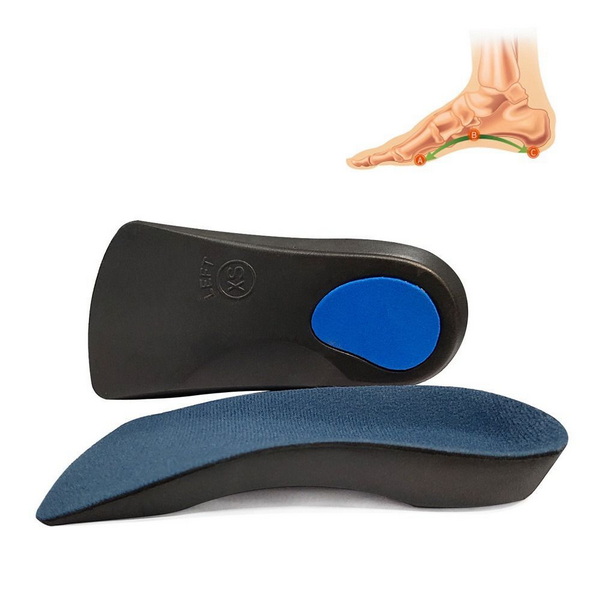
The L200 is designed as a cupped‑heel, neutral‑forefoot orthotic with a medium profile, meaning it is neither extremely thin nor extremely bulky. The cupped‑heel design cradles the heel in a shallow bowl‑like shape, which helps center the rearfoot and improve balance.[1]
The neutral forefoot design indicates that the insert does not include a built‑in metatarsal pad or pronounced forefoot posting. This is helpful for users who do not have specific ball‑of‑foot problems but still benefit from general cushioning and pressure distribution.[1]
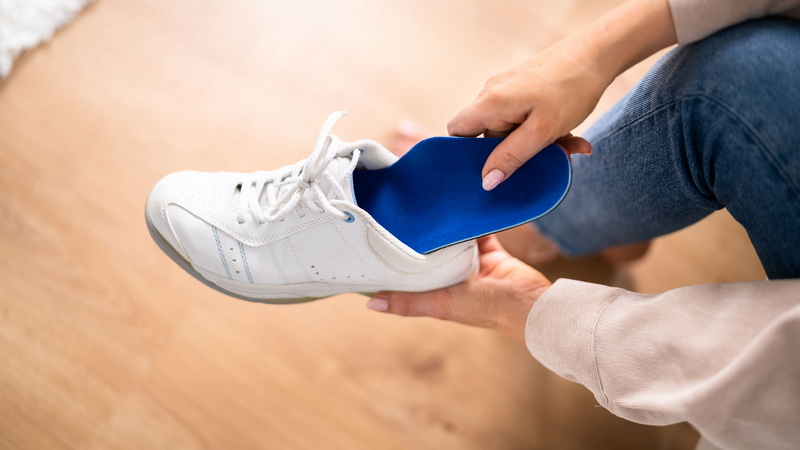
The profile of the orthotic is intended to fit most everyday shoes, particularly walking shoes and sneakers. Because of its thickness and heel cup, it is more suited to footwear with removable liners, allowing users to replace the factory insole with the L200 for optimal fit.[1]
The L200 is intended primarily for neutral or mildly pronated feet needing protective support rather than aggressive corrective control. Its arch contour follows a moderate shape that works for many medium‑arch wearers.[1]
For people with medium to moderately high arches, the L200 can provide extra contact and shock absorption along the inner arch area, helping to reduce strain on the plantar fascia. The conforming top layer makes the orthotic feel less intrusive than some rigid devices that press sharply into the arch.[1]
For users with low arches or mild flat feet, the L200 can offer a gentle lift and better alignment than flat shoe liners. However, those with very severe flatfoot or complex deformities may still require custom orthotics or more specialized devices, depending on clinical advice.[1]
The L200 supports the medial arch and stabilizes the heel, which can change how the foot loads during walking and standing. This alignment can ease stress on the plantar fascia, Achilles tendon, and lower leg muscles.[1]
By redistributing pressure, the orthotic can also reduce overload under the forefoot and heel, which are frequent sites of pain. Many users experience less fatigue at the end of the day because the insole shares more of the work normally handled by the foot's soft tissues.[1]
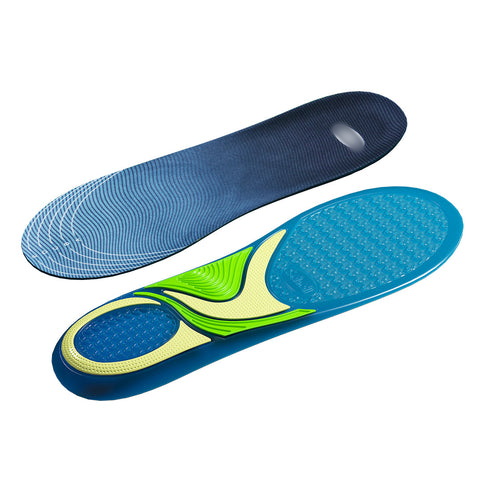
L200 inserts are targeted toward people seeking protective, medical‑grade orthotics for daily wear, including those with low‑risk diabetic feet, arthritis, or chronic soreness. They are also appropriate for individuals who stand or walk for long hours and need added comfort and support.[1]
Healthcare professionals, such as podiatrists and pedorthists, may recommend L200 orthotics for patients who require a pre‑fabricated device that still offers clinical‑level materials and pressure redistribution. The use of medical foam such as Plastazote aligns with these recommendations.[1]
The L200 can help manage a variety of common foot complaints linked to repetitive stress and poor shock absorption. These include heel pain, arch pain, and mild plantar fasciitis, where cushioning and controlled support decrease tissue irritation.[1]
Because of its pressure‑spreading ability, the L200 is also suited for people prone to calluses or hot spots under the forefoot or heel. Reducing peak load on these areas can minimize the formation of thickened skin, blisters, or early breakdown.[1]
L200 orthotic shoe inserts are distributed through Aetrex's official channels and a network of specialty retailers, clinics, and online stores. This multichannel availability makes it easy for both clinicians and consumers to access the product.[1]
Many independent comfort‑shoe and medical‑supply shops list the product under names such as “Aetrex Lynco L200 Conform Cupped/Neutral Orthotic.” These listings often highlight features like diabetic‑friendly top covers, rearfoot stability, and a focus on everyday footwear.[1]
Within the Aetrex portfolio, the L200 belongs to the Conform series, which emphasizes pressure relief and customization to the foot's shape. Other Lynco models, such as memory‑foam‑focused insoles, may prioritize cushioning and anti‑odor technology for highly active users.[1]
The Conform series uses medical foams and more structured cores to balance softness with stability, while other lines use different top covers or bases to suit sports, running, or dress shoes. This segmentation allows consumers to choose a model that fits both their foot condition and lifestyle.[1]
While Aetrex is the original designer and brand owner of the L200, many international brands and wholesalers develop similar orthotic inserts through OEM partners, particularly in Asia. These OEM factories design and manufacture insoles that replicate key functional elements, such as cupped heels, tri‑density construction, and pressure‑relieving foams, but under different brand names.
For overseas brands and retailers, cooperating with a specialized insole manufacturer allows the creation of private‑label orthotics that resemble L200‑style products in performance and quality. Parameters such as arch height, foam density, fabric texture, and color can all be tailored to match market positioning and customer expectations.
A professional OEM factory can also help translate clinical concepts into scalable, marketable products. This includes developing lines for diabetic care, work shoes, sports shoes, and casual footwear, each adjusted for thickness, firmness, and shoe compatibility.
When a foreign brand wishes to launch an L200‑style orthotic, OEM factories typically start by analyzing key functions such as pressure distribution and rearfoot control. The factory's engineering team then converts these functional goals into specific material and tooling choices.
Molds are created to define the insole's contour, including heel cup depth, arch curve, and forefoot profile. Foam formulas are tuned to match the desired softness and energy return, sometimes combining different layers to mimic tri‑density behavior.
In addition, OEM manufacturers can incorporate value‑added features, such as antimicrobial top fabrics, perforations for ventilation, or extra cushioning pads under the heel or metatarsal region. This lets brands differentiate their insoles while keeping the core functional concept similar to L200‑type orthotics.
For end consumers, the original Aetrex L200 offers the reassurance of a recognized foot‑care brand and long clinical experience. The product is clearly described, tested, and backed by a consistent specification that is easy to verify.
For private‑label brands, however, working with an experienced OEM factory enables more control over pricing, visual design, packaging, and integration with their existing footwear collections. This route is attractive to wholesalers and shoe manufacturers who want to offer in‑house orthotic solutions inspired by the L200 concept.
Ultimately, the choice between branded L200 inserts and OEM‑produced alternatives depends on the buyer's priorities. Those prioritizing brand recognition and clinician support may choose Aetrex, while those focusing on customization, private branding, and cost control often turn to OEM manufacturers.
L200 orthotic shoe inserts are manufactured by Aetrex, a specialized foot‑care company that created the Lynco Conform series to serve users who need medical‑grade cushioning and pressure relief, especially those with diabetic or arthritic feet. Through its combination of Plastazote top covers, supportive multi‑density cores, cupped‑heel geometry, and neutral forefoot design, the L200 provides protective, everyday support that can reduce pressure, improve comfort, and assist with common pain conditions. At the same time, the L200's success has inspired many OEM projects worldwide, where professional insole factories develop L200‑style orthotics for brands, wholesalers, and footwear manufacturers who want similar functionality under their own labels.[1]
Aetrex, an established American foot‑care company, designs and manufactures the Lynco L200 Conform Orthotics as part of its broader Lynco line. Product descriptions clearly identify Aetrex as the brand and originator of this model.[1]
L200 orthotics are recommended for users with low‑risk diabetic feet, arthritic feet, and general sensitivity who need pressure redistribution and gentle cushioning. They are also often used to alleviate arch pain, heel pain, and mild plantar fasciitis through supportive yet conforming design.[1]
The L200 features a Plastazote top cover that molds to the foot to reduce peak pressure points and protect sensitive skin. Beneath this are supportive core and base layers made from firmer materials that sustain arch support and absorb impact over long periods of use.[1]
L200 inserts are best suited for sneakers, walking shoes, and other everyday footwear that have enough internal space or removable liners. They may not fit well in very tight or low‑volume dress shoes, where the added thickness and heel cup can make the shoe feel cramped.[1]
Many brands and wholesalers cooperate with OEM insole factories to develop private‑label orthotics that offer similar functional characteristics to L200‑type inserts. These OEM products can be customized in arch profile, density, fabric, and branding to match each client's target market and footwear range.
[1](https://healthcaresolutions.ca/products/aetrex-lynco-l200-conform-series-orthotics)


