
Language
Views: 222 Author: Edvo Publish Time: 2025-12-02 Origin: Site


Content Menu
● How Inserts Change Your Arch Mechanics
● Common Causes of Arch Cramps with Inserts
>> 1. Incorrect Arch Height and Shape
>> 2. Excess Rigidity or Excess Softness
>> 3. Poor Shoe–Insert Compatibility
>> 4. Underlying Foot Conditions
● How Different Arch Types React to Inserts
>> Flat Arches
>> High Arches
● How Long Do Arch Cramps Usually Last?
● Step-by-Step Plan to Reduce Arch Cramping
>> 1. Gradually Break In New Inserts
>> 2. Check Fit, Position, and Shoe Choice
>> 3. Support Muscle Flexibility and Strength
>> 4. Consider Custom or Semi-Custom Solutions
>> 5. Address Whole-Body Factors
● When Cramping Signals a Bigger Problem
● How High-Quality Inserts Help When Properly Matched
● FAQs
>> 1. Why do my arches cramp even with “comfortable” soft inserts?
>> 2. Is it normal for new inserts to hurt my arches?
>> 3. Can using the wrong inserts make my foot problems worse?
>> 4. How do I know if I need custom orthotics instead of off-the-shelf inserts?
>> 5. What daily habits help prevent arch cramps with inserts?
Arch cramping after wearing arch inserts is usually a sign that your feet are reacting to new support, altered alignment, or a mismatch between your arch type and the insole design. While inserts are meant to help, they can temporarily overload your muscles and ligaments, especially if the fit is not customized for your foot structure.
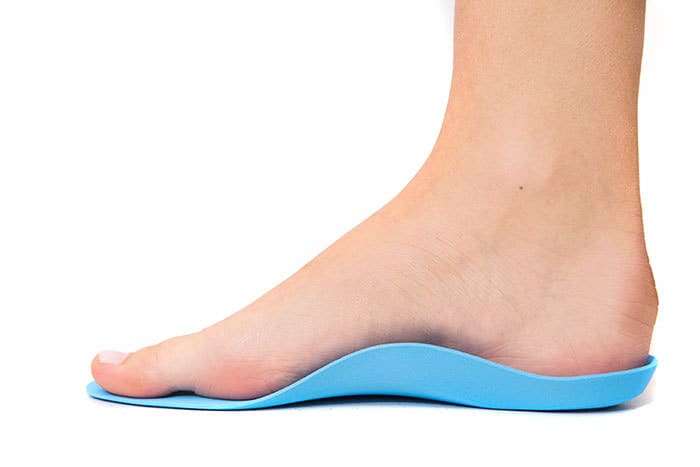
When you introduce inserts, your arches no longer move exactly as they did before, which changes how pressure and body weight are distributed through the foot. This new loading pattern activates muscles that were previously underused and can fatigue them quickly, leading to cramping.
Arch supports also influence how the heel strikes the ground and how your foot rolls during each step. If the insert lifts your arch higher or holds it stiffer than your natural shape, soft tissues such as the plantar fascia, intrinsic foot muscles, and tendons need time to adapt.
- If the insert has a higher arch than your foot, it can push directly into the mid-foot and create a pressure hotspot that quickly cramps.
- If the arch is too low, the foot may still collapse inward, forcing the muscles to overwork to stabilize the arch despite the insert.
- Generic, one-shape-fits-all insoles do not account for variations like flat arches, normal arches, and very high arches, so many users feel localized soreness or cramping at first.
- Rigid or semi-rigid inserts that do not flex with your foot can feel like a hard bar under the arch, causing the muscles to tense and cramp as they fight against that stiffness.
- On the other hand, very soft, squishy inserts may feel comfortable at first but can allow the arch to sink excessively, forcing muscles and ligaments to work harder to maintain stability.
- Inserts need enough space in the shoe to sit flat and support the arch correctly; if the shoe is too shallow or narrow, the insert may buckle or tilt, increasing strain.
- Shoes with minimal structure, thin soles, or high heels can conflict with arch supports, exaggerating pressure points in the mid-foot.
- Flat feet, high arches, plantar fasciitis, and overpronation amplify sensitivity to any new support under the arch.
- If you already have inflamed tissues or tight calves, inserting arch support without addressing those issues can aggravate pain and cramping rather than relieve it.
- Orthotics and inserts alter your alignment from the first step, but muscles, tendons, and joints need time to adapt to this new position.
- Wearing new inserts all day from day one may overload the arch, causing cramps that often settle if you transition more gradually.
People with flat arches often roll the foot inward more than average and rely heavily on soft tissues for stability. When a firm insert suddenly pushes the arch up, the supporting muscles and plantar fascia may feel stretched or compressed, triggering spasms.
Those with neutral arches may tolerate a range of inserts but can still experience cramping if the insole contours do not match their natural shape. Overly aggressive arch lifts or narrow inserts can create side-to-side pressure that irritates the inner or outer arch.
High arches tend to be rigid and place more pressure on the heel and ball of the foot. Inserts that are too hard or do not provide enough cushioning under the arch can concentrate force into a small area, leading to cramping and burning sensations.
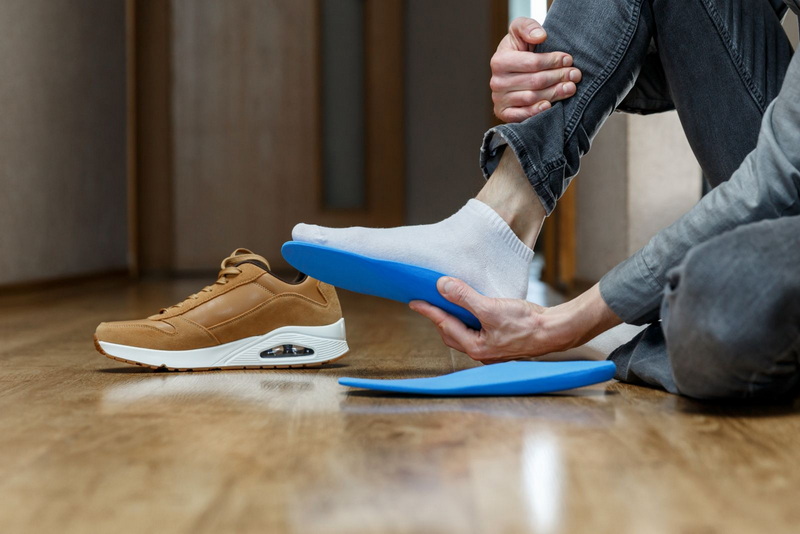
For many people, mild cramps or soreness improve within days or a few weeks as the feet adjust to the new support pattern. This assumes the insert is roughly appropriate for the foot and is used with a gradual break-in schedule.
If cramping remains strong, persists beyond several weeks, or worsens over time, it often means the insert design, arch height, or shoe combination is not suitable and needs to be reassessed.
- Start with short wear times, such as a brief period each day, then slowly extend as comfort improves.
- Switch back to your previous insoles or shoes if cramps become intense, then retry with slightly shorter sessions to avoid overloading the arch.
- Make sure the insert sits flat in the shoe with the heel snugly seated in the heel cup and the arch aligned under your natural mid-foot curve.
- Choose shoes with removable factory insoles, sufficient depth, and good structure so that the insert works with the shoe instead of fighting it.
- Gentle stretching of the plantar fascia, toes, and calf muscles improves flexibility, reducing the tendency of the arch to cramp under new mechanical loads.
- Light strengthening exercises, such as towel curls or picking up small objects with the toes, help build endurance in intrinsic foot muscles so they can support the arch more comfortably.
- If generic inserts consistently cause cramping, your foot shape may require a more tailored solution.
- Custom orthotics created from a foot assessment and mould can better match your arch height, width, and gait pattern, leading to less cramping and more stable support.
- Body weight, activity level, and posture all affect how much stress passes through the arch.
- Hydration and general muscle conditioning also influence cramp risk, so global wellness habits contribute to foot comfort as well.
Arch cramps sometimes point to more than simple adaptation. Watch for:
- Intense, sharp pain that does not settle with rest or adjustment
- Visible swelling or warmth in the arch area
- Pain spreading to the heel, ankle, shin, knee, or lower back
- Numbness, tingling, or weakness in the foot
These signs may indicate plantar fasciitis, nerve compression, stress injury, or other structural problems that require professional assessment. A clinician can examine your gait, test muscle strength and flexibility, and confirm whether the insert design is appropriate or needs modification.
When inserts are matched well with your foot, they do more than just reduce pain; they can actively improve long-term foot health.
Well-chosen inserts can:
- Support the arches to keep them from collapsing or overloading soft tissues.
- Help align the heel and ankle, improving the entire lower limb posture.
- Reduce pressure peaks under the forefoot and heel, easing strain on joints and tendons.
Used correctly, inserts work together with supportive footwear, regular stretching, and sensible training or work routines to extend comfort and performance.
Arches often cramp after wearing inserts because the foot is adapting to new support, or because the insole does not match the arch height, rigidity needs, or shoe type. Mild cramps during the early adjustment period are common, but persistent or severe pain suggests problems with fit, material, or underlying foot conditions. By introducing inserts gradually, pairing them with suitable shoes, stretching and strengthening the feet, and seeking expert guidance when necessary, most people can move from cramping and discomfort to stable, supportive comfort. If cramping continues despite these adjustments, a customized solution and professional evaluation are the safest way forward for long-term arch health.
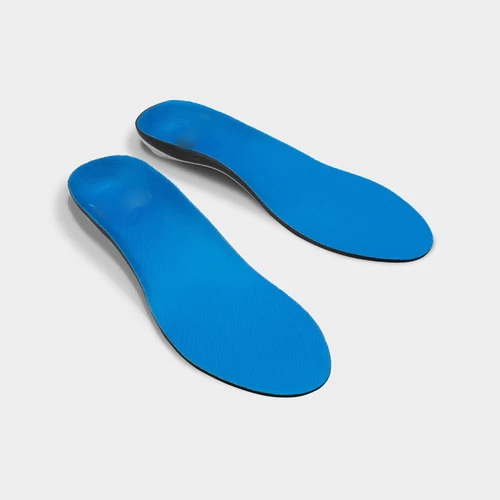
Soft inserts may feel pleasant at first, but if they allow the arch to sag or fail to support the foot in key areas, the muscles must work harder to stabilize each step. This ongoing effort can fatigue the muscles and cause cramping, especially during long periods of standing or walking.
Some mild soreness or occasional cramping is common when you first use inserts because your foot is adjusting to a new alignment and load pattern. However, strong pain, sharp cramping, or discomfort that persists despite gradual break-in is not normal and may indicate an incorrect insert or shoe–insert combination.
Yes, inserts that do not fit your arch type or shoe can overload certain areas, potentially aggravating plantar fasciitis, arch strain, or Achilles and knee issues. Poorly matched supports can create new pressure points or alter gait in ways that shift pain from the feet to other joints.
Signs you may need custom orthotics include ongoing cramping, recurrent arch or heel pain, a history of structural issues like flat or very high arches, and limited relief from multiple over-the-counter products. A podiatrist or foot specialist can assess your gait and arch mechanics and recommend whether custom devices are justified.
Helpful daily habits include stretching the calves and arches, building intrinsic foot strength, staying hydrated, and rotating shoes that work well with your inserts. Gradually increasing wear time and replacing worn inserts before they lose support also reduce the chance of cramping and recurring discomfort.


