
Language
Views: 222 Author: Edvo Publish Time: 2026-01-09 Origin: Site


Content Menu
● Understanding the Arch Structure of the Foot
● Common Reasons Insoles Hurt Your Arches
>> 1. Mismatch Between Arch Type and Insole Design
>> 2. Overly Hard or Soft Materials
>> 3. Improper Fit and Shoe Compatibility
>> 4. Lack of Break-In or Adaptation Period
>> 5. Underlying Foot Conditions
● How to Fix Arch Pain Caused by Insoles
>> Step 2: Adjust Fit and Alignment
>> Step 4: Strengthen Arch Muscles
>> Step 5: Replace Worn-Out Insoles
● Choosing the Right Insoles for Your Arch Type
>> For OEM Buyers and Distributors
● Material Innovations in Insole Design
● The Role of Ergonomics and Biomechanics in Insole Comfort
● When to Replace or Upgrade Your Insoles
● Everyday Habits to Support Foot Health
● FAQ
>> 1. Why do new insoles make my arches sore?
>> 2. How can I know if my insole fits correctly?
>> 3. Can I use the same insoles for all my shoes?
>> 4. What should I do if the pain doesn't go away?
>> 5. Are OEM custom insoles better than ready-made ones?
When you buy new insoles to enhance comfort, stability, or performance, the expectation is relief—not pain. Yet, many people experience arch soreness or discomfort after switching to new insoles. For some, the feeling occurs immediately; for others, it appears after several hours of wear. If you've ever asked, Why do my insoles hurt my arches? you're not alone.
Arch pain doesn't always mean your arch insoles are defective. In many cases, it's a sign that your feet are adjusting to new support levels or that the chosen insole design doesn't match your foot structure. To understand the root cause, it's necessary to explore how the arches function, what causes pain, and what steps can correct the issue.
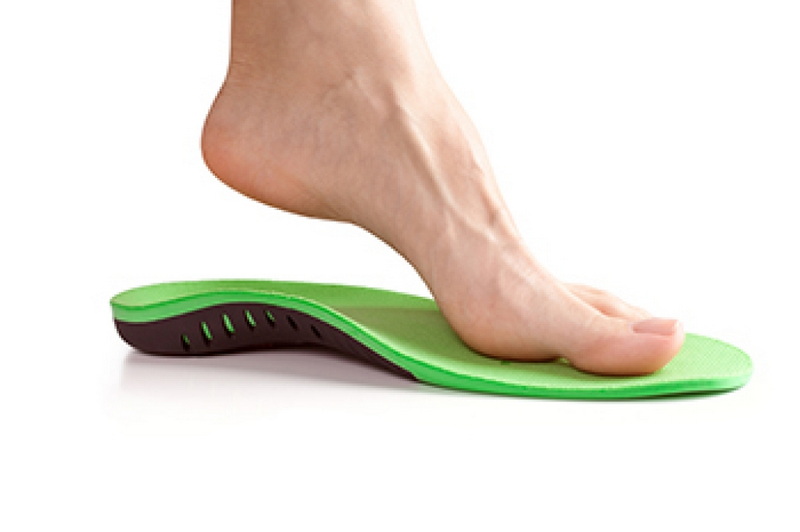
The arch is one of the most vital yet complex parts of human anatomy. It absorbs shock, supports body weight, and maintains balance during movement. The three main arches are:
- Medial longitudinal arch, running along the inner side of the foot, providing primary support and flexibility.
- Lateral longitudinal arch, located on the outer edge, offering stability.
- Transverse arch, across the midfoot, maintaining the shape and strength of the foot structure.
When properly supported, these arches distribute pressure evenly through each stride. However, when an insole fails to align with your natural arch contour, it places uneven stress on the tendons and ligaments, leading to soreness or fatigue.
High-quality insoles are designed to complement your foot's mechanics rather than interfere with them. The best OEM manufacturers now design insoles based on biomechanics research, ensuring that support zones, cushioning densities, and pressure distribution match the unique needs of various arch types.
Arches differ significantly among individuals. Some people have flat feet (low arches), while others have high arches or a neutral shape. Insoles built for one arch type may cause discomfort for another.
For example, people with high arches who wear flat, flexible insoles receive inadequate support, causing the midfoot to collapse inward. Conversely, those with flat feet who use strong, contoured insoles might feel like the arch area is pressing uncomfortably into the sole.
To prevent this, identify your arch type and choose insoles designed to complement it. OEM insole suppliers often provide multiple arch heights for each model to accommodate international customer varieties.
The material composition of the insole plays a massive role in arch comfort. Firm materials, such as thermoplastic or rigid foam, may feel too stiff, limiting shock absorption and resulting in joint strain. Soft materials, however, compress quickly, losing structural stability and allowing the arches to over-pronate.
A balanced-density material—like multi-layered EVA foam or polyurethane—offers the best results. These combinations provide both cushioning for comfort and firmness for stability. Premium insoles may also use a mix of microcell foam layers for adaptive responsiveness, helping to relieve arch fatigue during extended wear.
Insoles must fit both your feet and your shoes. If the size or arch placement doesn't match your anatomy, your arches can be misaligned and experience hot spots or pressure points. Shoes that are too narrow or shallow can further compress the foot and cause insoles to warp or shift.
One common mistake is trimming the insole only from the toe area without checking whether the arch support aligns with the foot's natural position inside the shoe. Proper trimming and fitting are essential steps before extended use.
In industrial and athletic applications, insoles should also align with footwear functionality—whether safety boots, running shoes, or dress shoes—since different styles distribute pressure differently across the arch.
Wearing new insoles continuously from day one can overwhelm your foot muscles. The body needs time to adapt to a new shape or level of support. This adaptation process can lead to temporary soreness as muscles strengthen and adjust.
To minimize this discomfort:
- Wear new insoles for short durations initially, gradually increasing time each day.
- Perform gentle stretching and rolling exercises for the arches.
- Check your footwear regularly for tightness or misalignment.
Most people adjust within one to two weeks of consistent, gradual wear. If discomfort intensifies rather than subsides, it's a sign that the insole design may not be compatible with your foot structure.
Sometimes, it's not the insole itself that causes pain, but existing foot conditions that amplify sensitivity. Common issues include:
- Plantar fasciitis: Inflammation of the tissue connecting your heel and toes can cause severe arch pain.
- Flat feet (fallen arches): Without proper structural support, the midfoot collapses under body weight.
- High arches: Arches that are too elevated reduce shock absorption, leading to long-term fatigue.
- Tendon dysfunction: Weak or injured posterior tibial tendons fail to support the arch effectively.
In these cases, standard insoles may not be sufficient. You may need semi-rigid orthotic designs or medically prescribed insoles customized to your biomechanics. OEM manufacturers often produce semi-customized solutions for clients catering to these specific needs.
Before replacing insoles immediately, identify what specifically triggers pain. Test whether it worsens during walking, standing still, or under certain shoes. Pain at the arch's center may suggest high arch support; pain closer to the heel may indicate rigidity or imbalance.
Ensure the insole sits flat within your shoe and that the arch contour matches your foot placement. If it slides or lifts when you move, you may need tighter fitting shoes or anti-slip insoles that prevent movement.
Slowly increase wear time by an hour or two each day until your feet adapt. This progressive transition helps reduce muscle tension and prevents overstressing the plantar fascia.
Foot exercises also alleviate discomfort. Try towel scrunches, foot rolling with a ball, or toe raises. These strengthen supportive muscles, allowing your arches to better handle insole pressure and realignment.
Over time, foam or gel materials lose elasticity and become uneven. Regularly replacing insoles—typically every three to six months depending on daily usage—keeps your arch support consistent.
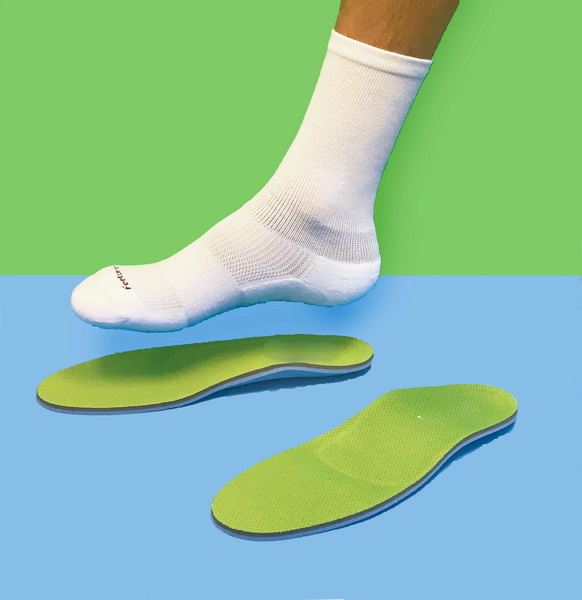
Every foot is unique, and different lifestyles demand varied solutions. Selecting suitable insoles starts with knowing your foot shape, intended use, and performance needs.
Choose firm, semi-rigid insoles with deep heel cups and moderate arch lift. This design prevents overpronation while supporting posture.
Moderately contoured insoles with balanced cushioning and flexible arch support offer comfort without overcorrecting natural movement.
Opt for insoles with enhanced cushioning, thicker heel padding, and soft midfoot zones. These help distribute pressure evenly across the foot and reduce shock impact on the forefoot and heel.
Durable materials like EVA, PU, or hybrid foam composites are ideal for long-duration usage or heavy loads. Breathable top layers with moisture-wicking fabrics also improve comfort during extended shifts or training hours.
If you're sourcing insoles for a brand or retail market, ensure your supplier provides customizable design options. Reliable Chinese manufacturers now offer flexible OEM and ODM services, adapting thickness, curvature, and materials to regional and consumer-specific needs. This customization ensures optimal comfort and brand consistency in both domestic and global markets.
Technology has revolutionized insole production. Modern insoles now incorporate materials engineered for biomechanical efficiency and long-term comfort:
- EVA Foam: Lightweight, shock-absorbing, and widely used for both sport and casual footwear.
- Polyurethane (PU): Dense and durable, providing resilient support that maintains structure over time.
- Gel Inserts: Targeted cushioning at heels and forefoot areas for superior shock absorption.
- Memory Foam: Contours dynamically to individual foot shapes for personalized comfort.
- Cork and Latex: Natural options offering firm arch support and moisture resistance.
- Carbon Fiber: Used in performance insoles for minimal weight and maximal tensile stability.
Advanced OEM manufacturers often combine several materials into layered composite systems, enabling precise control of firmness, elasticity, and airflow for improved performance and comfort balance.
Ergonomic insole design goes beyond simple padding—it integrates principles of biomechanics, ensuring natural alignment of the foot in relation to the leg and spine. A well-designed insole evenly distributes weight, maintains the arch curve, and minimizes repetitive stress.
Biomechanically optimized insoles correct gait irregularities, reduce fatigue, and enhance energy transfer during motion. For people standing all day or engaging in high-impact activities, ergonomic insoles significantly reduce injury risk and promote long-lasting comfort.
For OEM clients and international retailers, partnering with manufacturers that use biomechanical testing ensures product credibility and market competitiveness. Each design iteration can be validated by gait analysis and pressure mapping to ensure stability and balanced load distribution.
Even premium insoles lose functionality over time. Regular inspection helps you maintain comfort and avoid pain recurrence. Look for these signs that replacement is necessary:
- Noticeable flattening or compression under the arch area.
- Uneven wear patterns or cracking materials.
- Persistent odor or moisture buildup.
- Reduced comfort even after short wear periods.
Replacing insoles not only restores comfort but also extends the life of your shoes. For B2B buyers, promoting long-lasting insole products with high rebound and anti-deformation features can set your brand apart in competitive footwear markets.
Beyond the insoles themselves, good foot health depends on daily habits. Keep these practices in mind:
- Choose shoes that complement rather than counteract the insole's support.
- Stretch your calves and arches regularly.
- Maintain a healthy weight to reduce arch strain.
- Moisturize and massage your feet to enhance circulation.
- Alternate shoe pairs throughout the week to give insoles time to air out and recover shape.
Small adjustments in maintenance and habits can make a major difference in how comfortable and pain-free your arches remain across the day.
Arch pain caused by insoles usually indicates a mismatch between your support needs and the design or material of the insole itself. Understanding your foot type, choosing the correct firmness level, and allowing an adaptation period can dramatically improve comfort. Durable and ergonomically designed insoles not only ease pain but also improve posture, balance, and overall foot health.
For global brands, wholesalers, and OEM buyers, partnering with an experienced insole manufacturer capable of customizing support height, density, and materials ensures product consistency and long-term satisfaction for end users. A well-designed insole should never hurt your arches—it should empower every step you take.

Your feet may need time to adapt to new support levels. Gradual wear-in helps your muscles and tendons adjust to a new arch position, reducing temporary soreness.
The insole should match your arch contour and sit firmly inside your shoe without shifting. If the arch feels off-center or raised too high, it's likely a poor fit.
Not all insoles suit every shoe type. Sports shoes require more shock absorption, while work boots need durability and firmness. Adjust based on intended activity.
If pain continues after two weeks of gradual adjustment, consult a podiatrist. Persistent soreness might indicate an underlying issue like plantar fasciitis or tendon strain.
OEM or custom insoles are ideal for users with specific arch requirements. They offer personalized support, better material selection, and superior consistency for brand and retail applications.


