
Views: 222 Author: Edvo Publish Time: 2025-11-23 Origin: Site


Flat feet are far more common than most people realize, and the wrong footwear can quickly turn a normal day into a painful experience. For many people with flat feet, low arch support insoles are often the most comfortable and practical choice, especially when compared with aggressive, high-arch designs. This article explains why low arch support insoles are best for flat feet, how they work, what materials and design features matter, and how brands, wholesalers, and manufacturers can use them to win loyal customers in the global market.
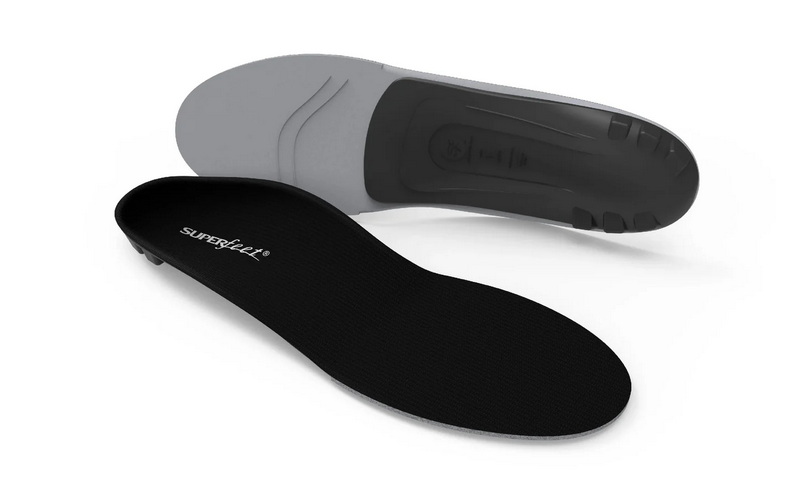
Flat feet, or fallen arches, describe a condition where the foot has little or no visible arch when standing. Instead of a curved midfoot, the entire sole touches the ground. This seems like a small structural difference, but it can have a major impact on comfort and biomechanics throughout the body.
People with flat feet often experience problems such as tired feet, muscle strain, and increased stress on the ankles, knees, hips, and lower back. Over time, this can affect posture and overall mobility. When the arch collapses, the foot tends to roll inward, a motion called overpronation, which disrupts normal weight distribution and puts extra pressure on joints and soft tissues.
Flat feet may be present from childhood due to genetics or may develop later in life because of aging, injury, obesity, pregnancy, or medical conditions that weaken tendons and ligaments. Whatever the cause, the end result is that the natural arch is not providing enough support and shock absorption during standing, walking, and running.
The arch of the foot works like a spring. It stores and releases energy as you move, helping with shock absorption and efficient forward motion. When that arch is very low or collapsed, the natural spring function is reduced. As a result, more impact is transferred to the heel, forefoot, knees, and spine.
Supportive insoles help compensate for this reduced function. They can:
- Redistribute pressure across the length of the foot
- Improve alignment from the heel through the ankle and up the leg
- Limit excessive overpronation
- Reduce strain on the plantar fascia and other soft tissues
- Make standing and walking feel easier and less tiring
However, not all “support” is equal. Too much or the wrong type of support can be just as uncomfortable as too little.
A common misunderstanding is that flat feet need very high arch support to “fix” the foot shape. In reality, extremely high or rigid arch support can create new pressure points and feel like a hard object pressing into the midfoot. For many flat-footed users, this leads to more pain, not less.
Low arch support insoles, by contrast, are shaped to follow the softer, shallower curve of a low arch. They support the foot in a natural position rather than forcing it into a completely different geometry. The benefits include:
- Comfortable contact
Low arch profiles gently fill the space under the arch without digging in. This allows more even weight distribution along the inner side of the foot.
- Reduced irritation
Instead of stressing ligaments and muscles to create a high arch, the insole supports the foot where it already sits, reducing friction and tissue irritation.
- Natural gait and movement
The foot can still flex and roll through each step in a relatively natural way. The insole stabilizes movement rather than blocking it.
- Better shoe compatibility
Many everyday shoes, safety shoes, and casual sneakers are not designed for a huge insole volume. A low arch support insole is usually thinner and easier to fit, especially for OEM projects where brands want universal fit across multiple shoe models.
For many consumers with flat feet, the goal is not to build a dramatic new arch, but to give the existing foot shape just enough structure and cushioning to move comfortably all day.
Another key factor is firmness. Very soft, “floppy” inserts made from basic foam or gel may feel comfortable when first tried on, but they usually do not provide enough structure for flat feet. As the material compresses, the arch collapses into the insole, and the foot receives little real support.
Low arch support insoles for flat feet generally work best when they combine:
- A firm or semi-rigid base to maintain arch contour and heel stability
- A cushioning top layer to provide comfort and impact absorption
- A supportive heel cup to keep the rearfoot in a neutral position and limit rolling inward
This kind of construction gives flat feet the “foot support” they need, not just surface-level softness. For OEM brands, getting this balance right is essential to reduce returns and complaints about foot pain.
When designing or sourcing low arch support insoles for flat feet, several structural elements matter:
The arch contour should be visible and supportive, but not so high that it creates a sharp pressure point. In practice, that means a gently raised inner side that follows the profile of a typical low arch foot. This subtle lift helps guide the foot into a healthier alignment without feeling intrusive.
A deeper heel cup holds the heel in place, supports the subtalar joint, and reduces excessive inward rolling. This is crucial for flat feet, where the heel often collapses inward. A stable heel base instantly improves posture and helps the rest of the foot function better.
Full-length insoles distribute weight across the entire foot and prevent a step-like feeling at the midfoot. They are particularly useful in casual shoes, work boots, sports shoes, and safety footwear, where users spend many hours on their feet.
Strategic flex grooves or slightly softer forefoot zones allow the toes to bend naturally during push-off. For flat feet, this maintains a smoother, more natural gait while the midfoot and heel stay supported.
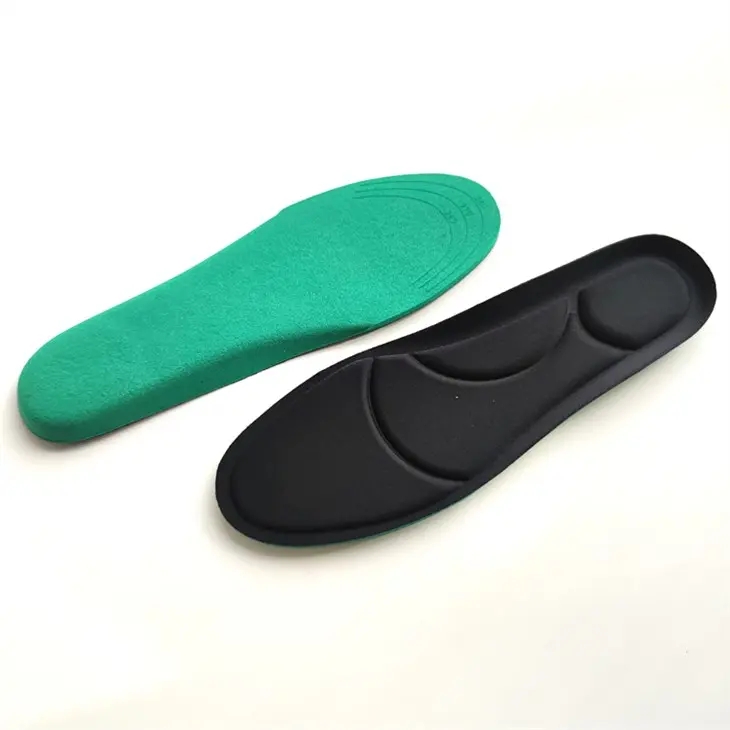
The choice of material influences comfort, durability, and price point. For international buyers and brands, material options also help position the product in different market segments.
Common structures include:
- EVA (Ethylene Vinyl Acetate)
Lightweight, versatile, and easy to shape. EVA can be tuned to different densities for more or less firmness. It is ideal for cost-effective, large-volume OEM orders.
- PU (Polyurethane)
More durable and resilient than basic foam, PU offers long-lasting cushioning and is suitable for mid- to high-end products. It works well for insoles intended for daily heavy use, work environments, or sports.
- TPU or composite shells
Used as stabilizing frames or mid-layers, these materials add torsional rigidity and control without making the insole too thick.
- Memory foam top layers
Provide a soft, customized feel by molding to the user's foot, improving surface contact and comfort. They are often combined with a firmer support structure underneath.
- Antibacterial and moisture-wicking fabrics
For long-term wear, especially in sport and work shoes, breathable and odor-resistant covers are a strong selling point.
An experienced manufacturer can adjust density and layering to meet each brand's comfort profile, target price, and product positioning.
Not all flat feet are the same. Some are rigid (flat in both sitting and standing), while others are flexible (an arch is visible when the foot is not bearing weight). Low arch support insoles are especially well-suited for:
- Rigid flat feet that cannot tolerate aggressive arch build-up
- Users transitioning from no insoles to structured support for the first time
- Customers who wear narrow or low-volume shoes and need a slim profile
For flexible flat feet, some users may eventually prefer slightly higher or more structured arch profiles, but many still find low arch designs more comfortable in daily life, especially in fashion or casual shoes.
From an end-user point of view, the advantages of low arch support insoles for flat feet are easy to communicate:
- Less daily foot fatigue during standing and walking
- Reduced risk of discomfort in the inner ankle and heel area
- Improved alignment that can help relieve stress in knees and lower back
- Better comfort in standard shoes without needing custom orthotics
- Easier adaptation, with fewer complaints of “something hard” under the arch
These points translate directly into marketing messages and package claims for brand owners and retailers.
For international brands and importers, low arch support insoles dedicated to flat feet are more than just a medical accessory; they are a high-potential product category:
- Differentiate your footwear line
Offering specialized insoles for flat feet adds value to sports shoes, work boots, safety shoes, and casual sneakers.
- Reduce product returns
Many shoe returns are related to comfort issues. A properly matched low arch insole can significantly improve perceived comfort, especially for flat-footed customers.
- Expand into health and wellness
Insoles can be marketed under comfort, performance, or health categories, opening more channels such as pharmacies, specialty stores, and online wellness platforms.
- Create private-label insole collections
Working with an OEM manufacturer allows you to build your own branded insole range with customized shapes, densities, logos, and packaging.
As a Chinese leading insole manufacturer specializing in OEM service, your factory can support brand clients with design suggestions, material selection, prototyping, and large-scale production tailored to their markets.
Clear guidance helps consumers choose the correct insole quickly and confidently. Brands and retailers can:
- Include simple foot-type illustrations on the box (flat, neutral, high)
- Provide quick self-check instructions such as a footprint or wet test
- Suggest typical use scenarios, like “ideal for flat feet and low arches,” “best for work and daily walking,” or “excellent for long standing hours”
- Offer size charts showing both shoe size and insole length
- Provide online videos demonstrating how to insert and test the insole
By educating buyers, you not only increase satisfaction but also build trust in your brand as a foot-care partner rather than just a shoe seller.
To help customers get the best experience from their low arch support insoles, consider sharing these tips:
- Break-in period
Encourage new users to wear insoles for a few hours per day at first, gradually increasing the duration as their feet adapt.
- Check for pressure points
If users feel sharp, localized pain under the arch, the insole may be too high or too firm for their foot type. Low arch profiles minimize this risk, but a short adjustment time is still normal.
- Replace when worn out
When the arch contour feels flat, cushioning compresses, or the top fabric is damaged, it is time to replace the insole. For most daily users, this is roughly every 6–12 months.
- Pair with appropriate footwear
Low arch insoles work best in shoes with enough internal space and relatively straight lasts. Shoes that are too tight or extremely narrow can squeeze the foot and reduce insole effectiveness.
As an OEM-focused factory, you can offer a wide range of customization options to global partners:
- Insole thickness, shape, and profile (full length, 3/4 length, slim-fit)
- Arch height tuned specifically for low arches and flat feet
- Different density combinations for heel, midfoot, and forefoot
- Special features such as anti-odor treatments, breathable perforations, or shock-absorbing heel pads
- Branding on the insole surface, heel area, or bottom side
- Custom packaging designs, instruction booklets, and multilingual labels
These options help overseas brands position themselves as experts in flat-foot comfort while relying on your manufacturing strength and experience.
Low arch support insoles are often the best overall solution for flat feet because they provide structured, stable support without the discomfort that many people experience from very high or aggressive arch designs. By matching the foot's real shape, they enhance comfort, improve alignment, and reduce daily fatigue for a wide range of users. For international brands, wholesalers, and manufacturers, integrating dedicated low arch support insoles into product lines offers a powerful way to improve user satisfaction, reduce returns, and build a strong reputation in the global foot-care and footwear market. With professional OEM support from a specialized Chinese insole factory, you can deliver consistent quality, flexible customization, and competitive pricing to customers around the world.
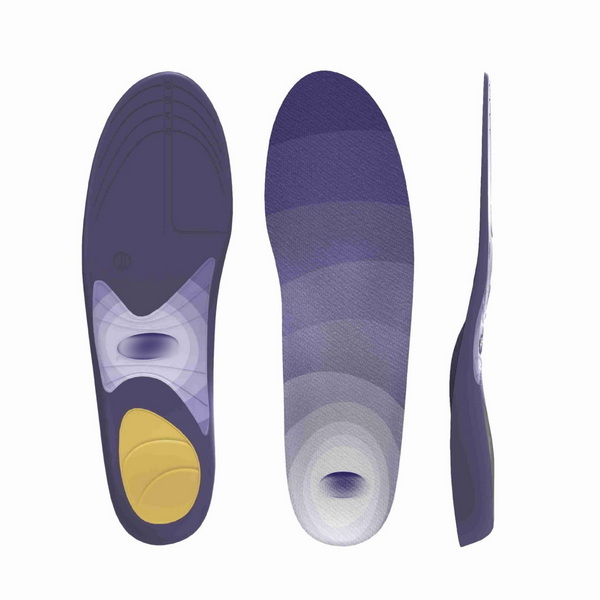
Low arch support insoles are ideal for most people with flat or low arches because they follow the natural shape of the foot instead of forcing it into a high arch. Extremely severe or painful conditions may still require medical assessment, but for everyday comfort, low arch designs are generally more acceptable and easier to adapt to than very high, rigid supports.
Low arch support insoles do not permanently change bone structure or fully “cure” flat feet. Instead, they provide better alignment and cushioning during use, helping to relieve pain and reduce strain on joints and soft tissues. Over time, this support can protect the feet and lower limbs, but it is not the same as surgically altering the arch.
Yes, low arch support insoles work very well in sports, running, and training shoes, especially for athletes with flat feet who need long-lasting support without feeling a hard bump under the arch. The right insole helps control overpronation, improves stability, and absorbs impact, making sports activities more comfortable and reducing the risk of overuse injuries.
Brands and wholesalers should consider their target users' foot types, typical use scenarios, and price positioning. Working closely with an experienced OEM manufacturer allows them to test different arch heights, densities, and materials in sample runs before deciding on the final specification. Feedback from test users and store staff is also very valuable in selecting the most comfortable model.
Most customers will benefit from replacing their low arch support insoles every 6–12 months, depending on how often they are worn and in what conditions. Heavy or professional use, such as long shifts in safety shoes or intensive sports training, will wear out cushioning faster. Clear replacement guidance on the packaging helps users maintain long-term comfort and support.


