
Views: 222 Author: Edvo Publish Time: 2025-11-20 Origin: Site


Content Menu
● Understanding Diabetic Shoes and Orthotics
● Why Proper Footwear Is Vital for Diabetics
>> The Risks Unmanaged Diabetes Poses to Feet
>> Preventing Complications with the Right Support
● Medicare Coverage: What's Included?
>> Medicare Part B and Diabetic Shoes
● How the Medicare Reimbursement Process Works
>> Understanding Your Out-of-Pocket Costs
● Step-by-Step Guide: Getting Your Diabetic Shoes with Medicare
>> Step 1: Consult Your Healthcare Provider
>> Step 2: Detailed Prescription and Certification
>> Step 3: Choose a Medicare-Approved Supplier
>> Step 4: Get Fitted and Order
>> Step 5: Receive and Use Your Footwear
● Types of Diabetic Shoes and Orthotics Covered
● Alternatives and Additional Support
● Frequently Asked Questions (FAQ)
>> 1. How often can Medicare pay for diabetic shoes and inserts?
>> 2. What medical conditions qualify someone for Medicare coverage of diabetic shoes?
>> 3. How long does it take to receive diabetic shoes through Medicare?
>> 4. Can I choose any style or brand for diabetic shoes under Medicare?
>> 5. What if I need modifications or a replacement during the year?
Navigating the complexities of Medicare coverage for diabetic shoes and orthotics can be a crucial task for millions of Americans living with diabetes. High-quality footwear and orthotics for shoes are not merely a comfort; they are essential medical necessities that can prevent severe complications. This article offers a comprehensive guide, to help you understand whether you or your loved ones may qualify for Medicare-funded diabetic shoes and orthotics in 2025 and beyond.
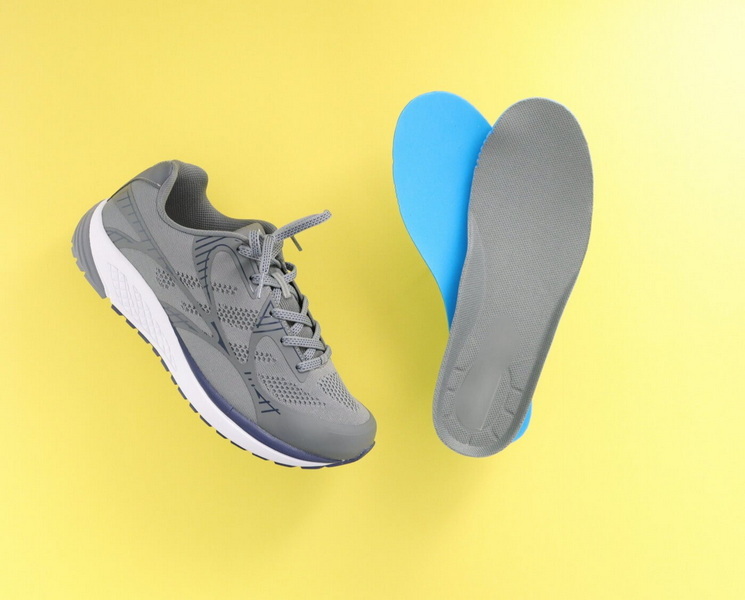
People with diabetes face an increased risk of foot problems—ranging from minor irritations to serious infections that can lead to amputation. Specially designed diabetic shoes and orthotics help alleviate pressure, reduce injury risk, and foster better overall foot health.
These shoes typically feature extra depth, seamless interiors, and supportive structures. Orthotics—customized support devices placed inside shoes—provide additional stability, cushioning, and offloading for sensitive areas.
Diabetes impairs blood circulation and reduces nerve sensation (neuropathy), making it easier for cuts or blisters to go unnoticed and become infected.
- Ulcers or sores can develop rapidly and prove difficult to heal.
- Minor injuries can escalate, sometimes resulting in hospitalizations or amputation.
Proper diabetic footwear and orthotics are designed to:
- Distribute weight evenly
- Minimize pressure points
- Reduce friction and shear
Medicare Part B covers therapeutic shoes for people with diabetes who qualify under certain conditions, as part of its Durable Medical Equipment (DME) benefit. Here's what's generally included:
- One pair of depth-inlay shoes and three pairs of inserts per calendar year, or
- One pair of custom-molded shoes with inserts (if you can't wear inlays), plus two additional pairs of inserts.
To receive this benefit, you must:
- Have diabetes
- Suffer from one or more conditions like previous foot ulcers, calluses, poor circulation, foot deformities, or neuropathy with evidence of callus formation
- Have a prescription from a qualified medical practitioner
- Get the shoes and orthotics from a Medicare-approved supplier
1. Get a Diagnosis and Prescription: Visit your doctor to obtain a proper diagnosis and detailed prescription.
2. Fill Out Necessary Documentation: Your doctor must complete and sign the required certification form.
3. Order from an Approved Supplier: Select a provider enrolled in the Medicare program.
4. Submit Claims: The supplier will often handle claim submission directly to Medicare.
After you meet your annual Part B deductible, Medicare typically covers 80% of the approved cost. You generally pay the remaining 20% co-insurance, as well as any costs above Medicare's approved amount if the supplier does not accept assignment.
You must see a qualified physician—usually the one managing your diabetes care—for assessment and eligibility confirmation.
- The provider assesses your risk, foot condition, and medical history.
The healthcare provider writes a prescription specifically for therapeutic shoes and inserts. They must also fill out a statement certifying medical necessity.
Work only with providers and suppliers enrolled in Medicare. This ensures the best chance of coverage and minimizes surprise out-of-pocket expenses.
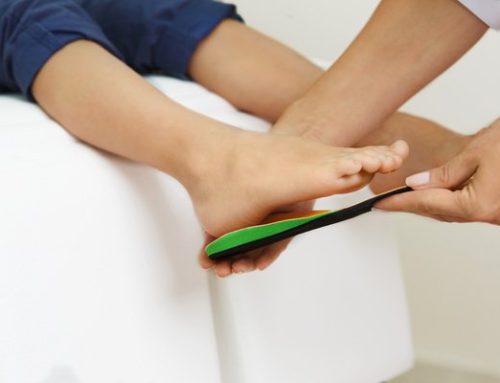
Certified shoe fitters or orthotists measure your feet and ensure a proper fit—often at a clinic or provider's office.
Pick up your custom shoes and inserts. Follow usage/care instructions and schedule regular follow-ups.
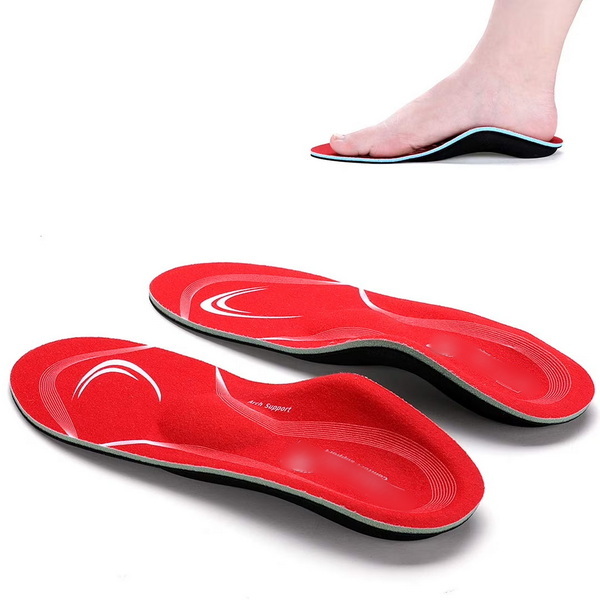
- Extra room for orthotics and inserts
- Reduces friction and irritation
- Made from impressions of your feet for those with severe deformities
- Accommodates significant changes due to surgery, ulcers, or amputation
- Up to three pairs of inserts for depth-inlay shoes, two for custom-molded shoes annually
- Individually sculpted for optimal support
If you don't meet strict Medicare requirements, consider these options:
- Look for secondary insurers or Medicaid plans, which may have different standards.
- Seek out local or nonprofit organizations providing assistance programs.
- Some shoe manufacturers offer discounts for medical needs.
Diabetic shoes and orthotics are a vital part of medical care for people experiencing foot risks from diabetes. Medicare offers significant support, but coverage is subject to strict guidelines regarding eligibility, documentation, and provider enrollment. By following the correct process—from physician diagnosis and prescription to working with approved suppliers—patients can reduce their out-of-pocket burden and protect their feet from serious complications. Always consult with your healthcare provider and keep up to date with Medicare policy changes to ensure continued access to this life-enhancing benefit.
Medicare covers one pair of therapeutic shoes and up to three pairs of inserts per calendar year for those who qualify. If custom-molded shoes are prescribed, coverage includes one pair and two extra pairs of inserts per year. It's important to keep all records each year for ongoing coverage.
Eligible conditions include a documented diagnosis of diabetes plus one or more specific foot complications such as foot ulcers, pre-ulcerative calluses, neuropathy with callus formation, foot deformity, poor circulation, or a history of amputation.
Once your physician and supplier have submitted all required documentation, it generally takes between two and six weeks to receive your shoes. Delays can occur if paperwork is incomplete or supplier demand is high.
No. Medicare will only pay for shoes and orthotics that are specifically approved and supplied by enrolled, certified providers. Coverage does not extend to every style or brand; shoes must meet therapeutic criteria.
Repairs or adjustments due to normal wear and tear may be covered. However, Medicare will not pay for an entirely new pair within the same year unless your medical needs dramatically change or your existing shoes are lost or stolen with proper documentation.


