
Language


Content Menu
● Introduction to A Line Shoe Insoles
● Unique Features and Performance
● Comprehensive Manufacturing Process
>> Precision Assembly and Laminating
>> Trimming, Customization, and Quality Control
>> Digital Integration and Rapid Prototyping
● OEM and Customization for Overseas Brands
● Installation and Maintenance Tips
● Sustainability and Future Trends
● User Experience and Testimonials
● FAQs
>> 1. What materials are used in A Line Shoe Insoles?
>> 2. How do A Line Shoe Insoles improve foot alignment?
>> 3. Can OEM customization be arranged for overseas brands?
>> 4. What certifications are available?
>> 5. How often should these insoles be replaced?
A Line Shoe Insoles are advanced orthotic inserts designed to optimize foot alignment, comfort, and overall biomechanics for a wide range of uses. By combining innovative technologies, premium materials, and ergonomic engineering, these insoles improve performance, reduce discomfort, and support foot health for athletes, workers, and people in everyday life.

A Line Shoe Insoles are crafted to achieve natural foot alignment. The Suspension Zone Technology actively guides the foot into its healthiest posture, minimizing misalignment of the ankle, knee, and hip. The multi-layer construction uses premium foam, carbon fiber, and gel pads to provide shock absorption, flexibility, and stability. These features help lower the risk of injury, mitigate fatigue, and tackle conditions such as plantar fasciitis and flat feet.
They include:
- Shock-absorbent heel cup to cushion impacts.
- Responsive arch support tailored for various foot arches.
- Medical-grade antimicrobial coatings to reduce odors and infection risks.
- Lightweight profile for easy fitting in sports and everyday footwear.
The journey begins with selecting high-grade raw materials such as PU, EVA, carbon fiber, gel, and performance textiles. Materials are tested for durability, flexibility, and breathability—essential for sustained comfort and long-term usage. Choice of material also depends on end-application, such as sports, rehabilitation, or casual wear.
Several advanced forming methods are used:
- Perfusion production, injecting blended PU or gel into precise molds for uniform structure.
- Cold forming, baking pre-cut EVA sheets before pressing into custom-shaped molds.
- Hotpress forming, applying heat and pressure to shape more rigid insoles, ideal for technical and professional use.
- Injection molding, forcing TPU or TPR into intricate molds for specialized support components.
Every stage involves strict monitoring by skilled technicians for consistency and quality. Modern factories often integrate rapid 3D printing for prototyping, enabling quick design iteration and testing before full-scale production.
A crucial step is laminating textiles or leathers onto the shaped core, enhancing comfort and aesthetics. For insoles requiring extra support, reinforcing gaskets, shells, and heel pads are inserted for shock absorption and stability. Proprietary adhesives guarantee zero slippage and product longevity.
After forming, insoles undergo trimming and finishing to match various shoe sizes and types. Quality control experts inspect for defects, ensure precise dimensions, and test resilience. In addition to industry standard certifications, international orders must comply with ISO, FDA, and EN norms.
With advancements in digital manufacturing, custom A Line Shoe Insoles can be made from 3D-scanned foot data. Specialized software models the ideal insole shape, with prototypes produced via 3D printers—reducing turnaround time and improving fit accuracy.
Leading Chinese manufacturers specialize in global OEM and ODM services, enabling brands and wholesalers to access:
- Custom design with branding, color schemes, and packaging.
- Fast prototyping for new product launches or seasonal campaigns.
- Material consultation for targeted markets (sports, medical, industrial).
- Regulatory compliance management for international distribution.
Dedicated R&D teams partner with clients to develop exclusive insoles catering to unique buyer profiles. Flexible MOQ, fast shipping, and robust supply chains guarantee timely fulfillment for large-scale distributors and private labels.
Athletes benefit from enhanced cushioning and stability, aiding performance while reducing the chance of injury. A Line Shoe Insoles are used in running, basketball, soccer, and many other sports.
Orthopedists and podiatrists prescribe these insoles to patients needing additional support for conditions like flat feet, heel spurs, and arch pain. Their construction supports biomechanical correction and prevents further injury.
For those standing or walking long hours, A Line Shoe Insoles minimize fatigue and maximize comfort. They are installed in work boots, safety shoes, and casual sneakers for daily wear.
Choosing the right A Line Shoe Insole involves assessing several factors:
- Foot arch type.
- Activity level and footwear style.
- Desired certifications (medical or industrial standards).
- Personal comfort requirements (softness, thickness, flexibility).
Manufacturers offer guidance and sample kits to ensure the optimal fit for individual and commercial clients.
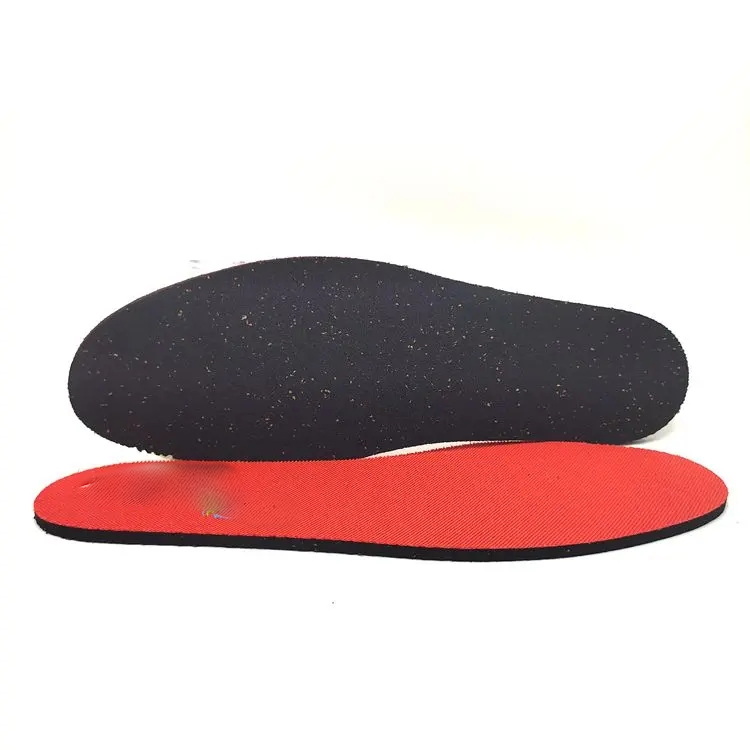
Proper installation ensures best results:
- Remove any existing insole from the shoe.
- Insert the A Line Shoe Insole, ensuring full contact with the shoe base.
- For custom insoles, double-check alignment to maximize benefit.
- Clean with mild soap and air dry; avoid heat sources.
- Replace every 6–12 months, depending on wear.
Modern factories are incorporating eco-friendly foams, plant-based materials, and sustainable production techniques. The use of recyclable packaging supports greener initiatives. Ongoing research into smart insoles—featuring sensors for gait analysis and health tracking—will drive further innovation.
Long-term users of A Line Shoe Insoles report noticeable improvements in comfort, posture, and reduced leg and back pain. Athletes appreciate the enhanced shock absorption and energy return. Industrial workers notice less fatigue after long shifts. Medical professionals trust their reliability for patient recommendations.
A Line Shoe Insoles exemplify advanced footwear technology for global markets. Their unique suspension design, high-quality materials, and precision manufacturing make them a top choice for sports, work, and medical use. Flexible OEM solutions empower international brands and distributors to deliver tailored comfort to their customers. Continuous innovation ensures these insoles meet evolving market needs with style, performance, and sustainability.
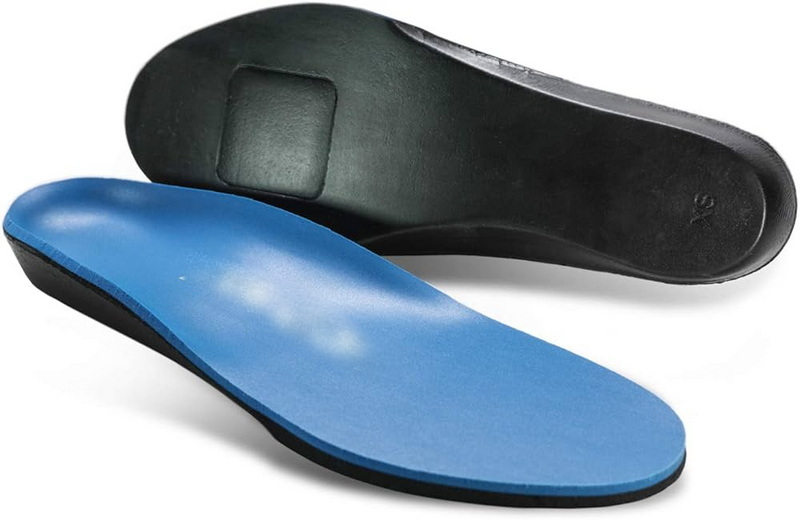
A Line Shoe Insoles are typically constructed from PU foam, EVA, carbon fiber, gel padding, and textile or antimicrobial layers for optimal support and hygiene.
They feature Suspension Zone Technology to align the foot, ankle, and knee, minimizing common stresses and promoting proper posture.
Yes. Leading manufacturers provide OEM/ODM services with design, materials, branding, and packaging tailored to clients' specifications.
Top Chinese factories offer ISO, FDA, and other global certifications to ensure compliance for sports, medical, and industrial markets.
A Line Shoe Insoles should be replaced every 6–12 months, depending on activity intensity and visible wear.


