
Language
Views: 222 Author: Edvo Publish Time: 2025-11-03 Origin: Site


Content Menu
● What Is Durable Medical Equipment (DME)?
● What Are Custom Orthotic Inserts?
● Are Custom Orthotic Inserts Considered DME?
● How Health Insurance Determines DME Classification
● Common Medical Conditions That Require DME Orthotics
● Technical Process of Making Custom Orthotic Inserts
● Materials and Design Features for DME Orthotic Inserts
● When Do Custom Orthotics Qualify as Medical Devices?
● OEM Manufacturing in China for Global Orthotic Brands
● Clinical Benefits of Custom Orthotic Inserts
● How Patients Can Qualify for Custom Orthotics as DME
● Maintaining and Replacing Custom Orthotic Inserts
● Why OEM Partnerships Matter for Orthotic Brands
● FAQ
>> 1. What does DME stand for in orthotic classification?
>> 2. Are prefabricated orthotic insoles considered DME?
>> 3. Who can prescribe DME custom orthotics?
>> 4. How long do DME orthotic inserts last?
>> 5. Can DME orthotics be customized for brand or retail distribution?
Understanding whether custom orthotic inserts are considered Durable Medical Equipment (DME) is crucial for healthcare professionals, distributors, and patients who rely on medical-grade foot correction products. Orthotic inserts play an essential role in correcting foot alignment, alleviating pain, and enhancing overall body biomechanics. To determine their classification as DME, it is necessary to examine both medical standards and real-world applications.
This article explores the definition of DME, explains when orthotic inserts qualify under that category, and highlights the manufacturing, clinical, and business aspects of custom orthotic production. It also provides insights for international brands seeking reliable OEM partners in China for custom orthotic manufacturing.
Durable Medical Equipment is a classification recognized under medical insurance and healthcare regulations to identify devices that:
- Serve a medical purpose.
- Can withstand prolonged or repeated use.
- Are appropriate for home or clinical environments.
- Are not primarily intended for comfort, convenience, or leisure.
Examples of DME include wheelchairs, crutches, oxygen machines, braces, and sometimes, orthotic or prosthetic devices.
For equipment to qualify as DME, it must be prescribed by a healthcare provider and serve as an essential aid in treating or managing a medical condition.
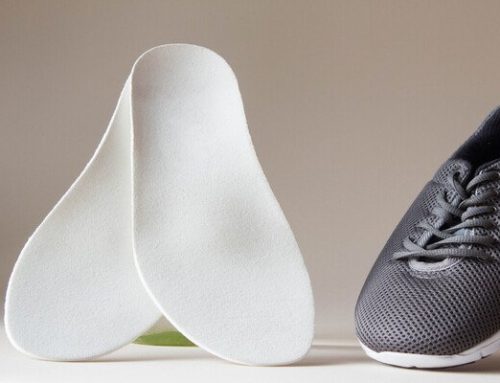
Custom orthotic inserts are specialized medical-grade insoles designed to fit the unique anatomy of a patient's feet. Using advanced technologies such as 3D scanning, pressure mapping, and digital modeling, these inserts are tailored to correct biomechanical abnormalities and better distribute body weight.
Typical applications include:
- Flat feet correction and arch support.
- Gait stabilization for athletes and patients.
- Pressure relief for diabetic foot conditions.
- Improvement of postural balance and lower limb alignment.
- Reduced joint strain and pain management for chronic conditions.
Custom inserts are fabricated from durable materials like EVA foam, polyurethane, or carbon fiber composites, ensuring flexibility, resilience, and long-lasting comfort.
In many clinical contexts, yes, custom orthotic inserts are considered DME. However, the classification depends largely on the intent of use and whether a licensed healthcare provider prescribed them for a medical diagnosis.
Generally, custom orthotics qualify as DME when:
- They correct diagnosed structural deformities such as pes planus (flat feet), plantar fasciitis, or diabetic foot ulcers.
- They are fabricated based on a podiatrist's written prescription.
- They are used repeatedly over time for therapeutic benefit.
Over-the-counter insoles, however, do not meet the criteria because they are mass-produced and used mainly for comfort, not for the treatment of specific medical conditions.
Insurance coverage for custom orthotic inserts varies by country and insurer. In most healthcare systems, DME coverage is reserved for medically necessary, physician-prescribed products. Key factors include:
1. Medical necessity: The product must treat a diagnosed condition or correct a functional deformity.
2. Professional prescription: The device must be ordered by a licensed practitioner.
3. Long-term durability: The insert must be designed for continuous use.
4. Therapeutic purpose: It must provide a measurable improvement to the user's function or mobility.
If all these criteria are met, the orthotic inserts are typically reimbursable under DME or related categories like prosthetics or orthotics.
Custom orthotic inserts are medically necessary for numerous chronic and orthopedic conditions:
- Plantar fasciitis and heel spurs
- Flat feet (Pes Planus)
- Diabetic neuropathy and ulcers
- Overpronation or supination
- Leg length discrepancies
- Knee or hip misalignment
- Post-surgical rehabilitation needs
Each of these conditions can lead to mobility limitations or chronic pain if left untreated. Therefore, orthotic inserts prescribed for these purposes often meet DME eligibility requirements.
Modern orthotic manufacturing combines digital technology with precision craftsmanship. The general process includes:
1. Foot Assessment: The patient's feet are scanned with 3D imaging or a pressure-mapping platform.
2. Data Analysis: Specialized software analyzes foot structure, pressure points, and gait movement.
3. Design Modeling: A digital orthotic model is created based on corrective requirements.
4. Material Selection: Multi-layer materials are chosen for durability, flexibility, and comfort.
5. Fabrication: CNC milling or 3D printing shapes the orthotic structure.
6. Finishing & Fitting: The insole is trimmed, polished, and tested for fit and comfort.
This process ensures precise correction for each user's unique needs, differentiating medical-grade orthotics from mass-market comfort insoles.

High-quality DME-compliant orthotic inserts incorporate advanced materials and design principles to meet both durability and medical standards. Common materials include:
- EVA Foam: Lightweight and cushioning for everyday wear.
- PU Foam: Offers high density and longer lifespan under high pressure.
- Carbon Fiber: Exceptional rigidity with minimal thickness, ideal for athletic or therapeutic use.
- Thermoplastic Polymers: Provide structural reinforcement for targeted support zones.
These materials are combined in layered designs to improve shock absorption, energy return, and arch stabilization. Each orthotic pair is unique in shape and rigidity, tailored to the patient's biomechanics.
Custom orthotic inserts are often classified as medical devices under international standards. They must meet specific quality and safety requirements, particularly for export or insurance claims. Medical device classification requires:
- Certification by regulatory agencies such as the FDA, CE, or ISO.
- Traceability of raw materials.
- Biocompatibility test results.
- Clinical documentation supporting medical efficacy.
As a medical-grade product, orthotics must demonstrate measurable health outcomes rather than merely comfort improvements.
As a leading orthotic insole manufacturer in China, our factory provides comprehensive OEM and ODM services to global partners. We specialize in customized orthotic inserts for healthcare distributors, footwear brands, and medical equipment suppliers worldwide.
Our strengths include:
- Complete R&D support for custom orthotic designs.
- Skilled engineers specializing in podiatric and biomechanical applications.
- Automated production lines ensuring precision and efficiency.
- Custom branding and packaging for international markets.
- Compliance with medical standards for DME qualification.
Global partners benefit from cost-effective production, consistent quality control, and rapid delivery times. Whether for medical clinics, retail distribution, or private label markets, our team provides end-to-end product development support.
Numerous clinical studies and user feedback confirm that custom orthotic inserts offer tangible therapeutic benefits:
- Improve foot and ankle alignment for better posture.
- Reduce pain from plantar fasciitis, arthritis, or joint strain.
- Distribute body weight more evenly across the foot.
- Prevent long-term musculoskeletal complications.
- Enhance comfort during daily activities and sports performance.
These benefits make them not only essential for medical use but also popular among wellness and prevention-minded consumers.
To qualify for custom orthotics that meet DME coverage requirements, patients generally need:
1. A medical diagnosis identifying structural or functional foot abnormalities.
2. A referral or prescription from a physician or specialist.
3. Documentation of medical necessity for treatment or rehabilitation.
4. Orthotics fabricated by a licensed orthotist.
Once these conditions are satisfied, patients can submit claims for reimbursement depending on their insurance plan and the DME classification policy in their region.
Durability is a key factor for DME classification. Even though custom orthotics are built for extended use, they require proper maintenance:
- Clean inserts regularly with mild soap and water.
- Air-dry them away from direct heat.
- Check for material wear or compression loss every six months.
- Replace them every one to three years based on usage frequency.
Patients with changing medical conditions or body weight adjustments may require new molds to maintain corrective accuracy.
By outsourcing orthotic manufacturing to an experienced Chinese factory, global brands can focus on marketing, branding, and distribution while relying on a professional production system. OEM partnerships ensure:
- Access to the latest orthotic technologies.
- Scalability for global supply.
- Higher profit margins through cost optimization.
- Private-label production with international shipping capabilities.
Our factory's technical team has over 18 years of experience in orthopedic and sports insole production, supporting both medical-grade and retail orthotic solutions.
Custom orthotic inserts can indeed be considered Durable Medical Equipment when prescribed to treat clinical foot disorders and produced under certified medical standards. They serve as long-term therapeutic aids that improve posture, mobility, and pain relief. By partnering with a professional OEM manufacturer, global brands can access advanced orthotic technologies and deliver medically compliant, high-quality products to international markets.
Whether the goal is to support diabetic patients, enhance athletic performance, or provide orthopedic correction, custom orthotic inserts remain one of the most effective, durable, and essential components in modern foot healthcare.

DME stands for Durable Medical Equipment. It refers to long-lasting medical devices used for therapeutic or rehabilitative purposes prescribed by healthcare professionals.
No, generic off-the-shelf insoles do not qualify as DME because they are not custom-made or prescribed for a medical condition.
Orthopedic specialists, podiatrists, or physicians qualified to diagnose musculoskeletal conditions can prescribe custom orthotics as DME.
Custom orthotic inserts typically last one to three years depending on the user's weight, activity level, and the materials used in production.
Yes, OEM manufacturers in China offer full customization, allowing medical brands to design, label, and distribute their orthotic inserts under private brand identities.


