
Language
Views: 222 Author: Amanda Publish Time: 2025-09-01 Origin: Site


Content Menu
● Key Differences Between Insoles and Orthotics
● Why Choose an Orthotic Insole?
● OEM Services for Orthotic Insoles
● How to Choose the Right Orthotic Insole?
● How Orthotic Insoles Improve Quality of Life
● Frequently Asked Questions (FAQ)
>> 1. What is an orthotic insole?
>> 2. Can insoles replace orthotics?
>> 3. How long do orthotic insoles last?
>> 4. Are orthotic insoles comfortable to wear?
>> 5. Can OEM manufacturers customize orthotic insoles?
Understanding the difference between insoles and orthotics is crucial for anyone seeking foot comfort, support, or medical relief. While these terms are often used interchangeably, they refer to distinct products with unique purposes and designs. This comprehensive guide explores the nuances between insoles and orthotics, with a special focus on orthotic insoles—customized devices designed to address specific foot conditions.
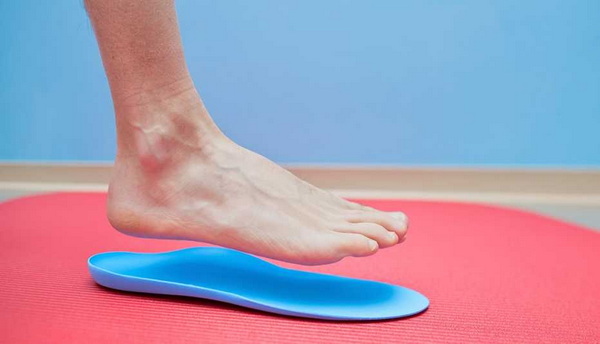
Insoles, often called footbeds, are the generic, removable or fixed layers located inside shoes beneath the foot. They serve primarily to provide basic cushioning and comfort during walking or standing. Insoles can be made of foam, gel, leather, or cork and are usually mass-produced to fit a variety of shoe types.
People commonly use insoles to alleviate minor foot pain, fatigue, or to enhance general shoe comfort. They can be replaced with aftermarket options to improve arch support and shock absorption in everyday shoes.
- Typical Materials: Foam, gel, cork, leather
- Purpose: Cushioning, minor support, general comfort
- Availability: Mass-produced, off-the-shelf
Insoles are especially popular among those who spend prolonged periods on their feet in standard footwear that may not provide adequate support on its own. They are an economical, accessible option for mild discomfort or for adding a layer of softness in shoes. However, they are not tailored to individual needs or foot shapes, which limits their ability to address specific biomechanical issues that can cause pain or long-term problems.
Orthotics, also known as Orthotic Insoles or medical-grade arch supports, are custom-made devices designed to correct structural and biomechanical foot issues. They are crafted based on a detailed assessment of an individual's foot shape, gait, and specific medical conditions by a qualified podiatrist or orthotist.
Orthotic insoles provide precise support to correct alignment problems, relieve pain from chronic conditions, and improve overall foot function. They often feature a rigid or semi-rigid support platform to stabilize the arch and control foot motion.
- Typical Materials: EVA, rigid or semi-rigid plastics, specialized foams
- Purpose: Correct foot deformities, provide customized support, prevent pain
- Availability: Custom-made, prescription-based
These devices can profoundly influence the biomechanics of the lower limbs. By guiding the foot into better alignment, orthotic insoles help redistribute pressures during walking or running, which can reduce strain and prevent injury not only in the foot but also in the ankles, knees, hips, and lower back. People suffering from conditions such as plantar fasciitis, flat feet, overpronation, arthritis, or diabetic foot complications often find significant relief with orthotic use.
Although both insoles and orthotics fit inside shoes and support the feet, their underlying purposes and manufacturing processes greatly differ. Insoles are designed primarily for added comfort and minor support, typically mass-produced and one-size-fits-many. Orthotic insoles, on the other hand, are carefully designed through clinical evaluation and custom fabrication, aiming to correct biomechanical irregularities.
Orthotic insoles are made from sturdier and more specialized materials that offer firm arch support and precise control over foot motion. Insoles tend to be softer and cushier, focusing on shock absorption rather than correction. Another crucial difference is the intended duration of use: orthotics are designed for long-term, often lifelong use in managing chronic orthopedic conditions, whereas insoles are usually a short-to-medium-term comfort accessory.
If there is an underlying foot condition such as flat feet, plantar fasciitis, arthritis, shin splints, or biomechanical dysfunctions, an Orthotic Insole provides targeted relief and correction that generic insoles cannot. Orthotic insoles:
- Guide the foot in natural motion to prevent over-pronation or supination
- Reduce strain on the plantar fascia and other foot muscles
- Improve overall posture and reduce knee, hip, or back pain linked to poor foot mechanics
In addition to correcting foot function, orthotic insoles can improve athletic performance by providing better alignment, which optimizes the body's movement efficiency. They also help relieve discomfort caused by prolonged standing or walking during daily activities or occupational demands.
The design of orthotics can also accommodate foot irregularities like bunions or hammer toes, distributing pressure away from sensitive or painful areas to prevent further damage. These benefits make orthotic insoles indispensable for people requiring more than just cushioning—those who need real correction and support for their long-term foot health.
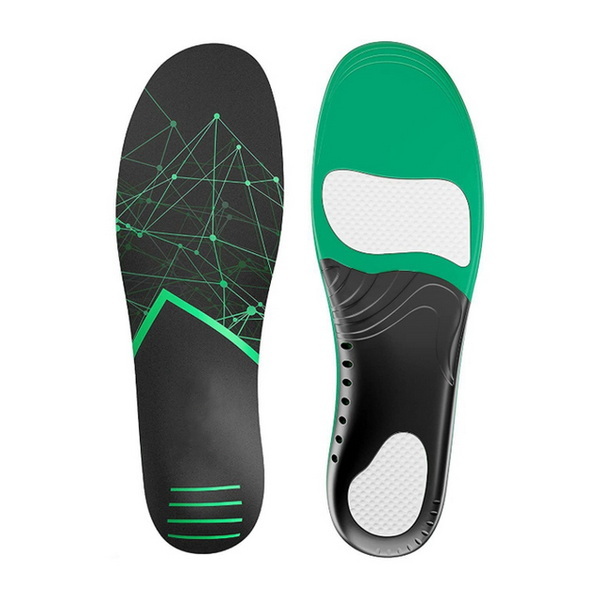
Orthotic insoles come with various support levels and materials to suit medical and lifestyle needs:
- Rigid Orthotics: Provide maximum support; best for severe foot deformities or injuries
- Semi-Rigid Orthotics: Offer firm but flexible support for moderate conditions
- Cushioned Orthotics: Focused more on shock absorption with some arch support
- Functional Orthotics: Designed to control abnormal foot motion
- Accommodative Orthotics: Soft devices that reduce pressure on painful or sensitive areas
Each type is designed according to the needs of the user and can be adjusted for activity level, footwear type, and severity of the condition. Some orthotics are limited to high-heel shoes, while others fit into athletic sneakers or work boots, showing the versatility of orthotic insoles based on personalized assessment.
As a leading shoe insole manufacturer in China, providing OEM services for orthotic insoles to international brands, wholesalers, and producers, your company plays a vital role in the footwear and healthcare markets. OEM production enables brands to customize and scale the manufacturing of orthotic insoles with high precision and quality.
OEM services include custom designing insoles with specific features such as enhanced arch support, heel cups, moisture-wicking covers, and antimicrobial treatments. Manufacturers also help brand clients choose suitable materials like EVA foam, polyurethane, latex, or thermoplastics to achieve the right balance of durability, flexibility, and comfort.
OEM partnerships allow overseas clients to introduce innovative Orthotic Insoles tailored to different target markets, such as diabetic foot care insoles, sports performance insoles, or general medical orthotics. Additionally, these collaborations ensure cost-effective production and adherence to regulatory standards, helping brands maintain competitiveness worldwide.
Choosing an orthotic insole depends on various factors:
- Foot Condition Diagnosis: The first and most important step is to get a professional assessment from a podiatrist or orthotist who can analyze gait, foot structure, and pressure distribution.
- Type of Activity: Consider the primary use—running, walking, standing for long hours, or sports. Specialized insoles are designed for specific activities to enhance performance and protection.
- Material Preferences: Some may prefer softer, cushioned orthotics for comfort, while others require rigid materials for maximum support and control.
- Shoe Compatibility: The orthotic insole must fit inside your shoes comfortably without overcrowding the foot, which can cause discomfort or blisters.
- Customization Level: Off-the-shelf orthotics provide moderate correction, but custom-made orthotics offer the finest fit tailored to individual needs.
In addition, ongoing assessment and occasional replacement or adjustment might be necessary as foot structure or activity patterns change over time.
By providing appropriate arch support, heel stabilization, and correcting foot alignment, orthotic insoles:
- Reduce chronic foot pain caused by conditions like plantar fasciitis, bunions, or arthritis.
- Prevent further foot deformities and help heal existing foot problems by evenly distributing pressure.
- Enhance balance and gait efficiency, reducing the risk of falls and injuries.
- Alleviate pressure ulcers or diabetic foot complications by customizing foot support and minimizing friction points.
- Improve overall body posture and reduce strain on joints such as knees, hips, and lower back by correcting abnormal foot mechanics.
For people with demanding physical jobs, athletes, elderly individuals, or those with chronic conditions, orthotic insoles can be life-changing by restoring mobility, reducing pain, and improving daily functional abilities.
To maximize the lifespan and benefits of orthotic insoles, proper care is essential. This includes:
- Cleaning them regularly according to manufacturer guidelines, often with mild soap and air drying
- Avoiding exposure to excessive heat, moisture, or direct sunlight which can degrade materials
- Inspecting for wear and tear and replacing them when support diminishes
- Wearing shoes that properly accommodate the orthotics without causing compression or discomfort
Proper maintenance ensures durability and consistent performance from your orthotic insoles, preserving foot health over time.
While insoles and orthotics both enhance shoe comfort and support, they serve very different purposes. Insoles provide general cushioning and minor support suitable for everyday use, but they do not address specific foot issues. Orthotic insoles are specialized, medically prescribed devices designed to correct biomechanical foot problems and relieve pain associated with various conditions. For long-term foot health and corrective support, orthotic insoles are the superior choice.
As a leading Chinese manufacturer offering OEM services, providing custom orthotic insoles to overseas brands and wholesalers allows collaboration in delivering high-quality footcare solutions worldwide. The importance of choosing the correct orthotic insole and proper professional guidance cannot be overstated for achieving optimal foot health and overall well-being.

An orthotic insole is a custom-made support device designed to fit inside the shoe to correct foot structural problems and relieve pain. It is prescribed based on individual assessments.
No, insoles provide general cushioning but do not address specific medical foot conditions that orthotics are designed to correct.
Orthotic insoles typically last several years with proper care, depending on materials and usage frequency.
They may require a break-in period but provide tailored support that reduces pain and enhances comfort over time.
Yes, OEM manufacturers can customize materials, sizes, colors, and features to meet brand specifications and medical requirements.
[1](https://www.drscholls.com/blogs/expert-advice/the-difference-between-orthotics-insoles-and-shoe-inserts)
[2](https://powerstep.com/blogs/news/orthotics-vs-insoles-what-s-the-difference)
[3](https://www.aideastep.com/which-best-insoles-for-plantar-fasciitis-company-doing-oem/)
[4](https://theinsolestore.com/pages/insole-guide)
[5](https://care-med.ca/custom-orthotics-vs-insoles/)
[6](https://www.aideastep.com/flat-feet-support-insoles-manufacturer-abc-certified-oem-services-for-clinics-brands/)
[7](https://www.topdoctors.co.uk/medical-dictionary/insteps/)
[8](https://www.algeos.com/company-news/post/algeos-product-guides/orthotics-or-insoles)
[9](https://www.linkedin.com/pulse/custom-orthotic-insoles-oem-podiatry-clinics-bulk-orders-karl-kang-lf6kc)
[10](https://www.footlevelers.com/blog/orthotic-insoles-guide)
[11](https://www.orthoticsolutionspodiatry.com.au/blog/insoles-vs-orthotics)
[12](https://www.dtsole.com/collections/all)
[13](https://my.clevelandclinic.org/health/treatments/orthotics)
[14](https://www.gothamfootcare.com/blog/torn-between-custom-orthotics-and-insoles-what-is-the-difference-and-which-one-to-choose/)
[15](https://footmasterinsole.com/oem-odm-service/)
[16](https://powerstep.com/blogs/news/guide-how-to-choose-the-right-orthotic-insoles-for-you)
[17](https://www.footlevelers.com/blog/orthotics-vs-inserts-what-is-the-difference)
[18](https://www.insolefoam.com/OEM-ODM-Service.html)
[19](https://uk.neo-g.com/blogs/guidance/insoles-buying-guide)
[20](https://www.suncoastpodiatry.com.au/what-is-the-difference-between-orthotics-and-insoles/)


