
Language
Views: 222 Author: Edvo Publish Time: 2025-11-26 Origin: Site


Content Menu
● Understanding Insoles and Orthotics
● Key Differences: Orthotics vs. Insoles
● Benefits of Insoles in Running Shoes
● Benefits of Orthotics in Running Shoes
● How Insoles and Orthotics Improve Running Performance
>> Pressure Distribution and Injury Prevention
>> Aid for Specific Foot Conditions
● Types of Insoles and Orthotics: A Closer Look
● User Experiences and Professional Recommendations
● How to Choose the Right Option: Key Considerations
>> Brand and Product Integration
● Innovations and Trends in OEM Footwear Support
● Frequently Asked Questions (FAQs)
>> 1. What's the main difference between orthotics and insoles in running shoes?
>> 2. How long do insoles and orthotics last before replacement?
>> 3. Who should consider custom orthotics over store-bought insoles?
>> 4. Can you use both orthotics and insoles in the same pair of running shoes?
>> 5. How can OEM footwear brands innovate using insoles and orthotics?
The right foot support is crucial for anyone who runs—whether you're a beginner, a seasoned athlete, or a brand sourcing OEM solutions for global markets. The debate orthotic insoles is important than ever, especially for international brands, wholesalers, and manufacturers eager to provide advanced comfort and injury prevention in their running shoe lines. This comprehensive guide details the differences between orthotics and insoles, their purposes, benefits, user experiences, and how you can leverage both types for your footwear products.
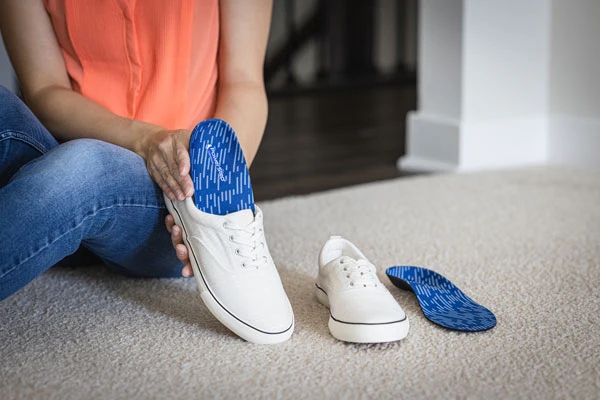
Insoles are removable inserts or footbeds positioned inside footwear to provide extra cushioning, mild support, and shock absorption. Most insoles are mass-produced and designed to offer general comfort for a variety of foot types and activities, especially running. They can be crafted from foam, gel, or composite materials, with different versions adapted for flat feet, high arches, or neutral feet. Some branded insoles even address specific concerns like foot odor or are engineered for activities such as long-distance running.
Orthotics refer to supportive shoe inserts that can be custom-made or prefabricated to address specific biomechanical issues, foot deformities, or severe discomfort. In most cases, orthotics are prescribed by healthcare professionals following an assessment of a person's running style, arch structure, and gait. Custom orthotics are designed for unique foot contours, addressing issues like overpronation, supination, limb length discrepancies, chronic plantar fasciitis, or diabetic foot ulcers. Prefabricated orthotics are also available, offering an intermediate option between generic insoles and fully custom devices.
Here is a direct comparison between regular insoles and orthotics in running shoes, focused on features, benefits, and use cases:
| Feature | Insoles | Orthotics |
|---|---|---|
| Customization | Mass-produced, basic fit | Custom or semi-custom, tailored fit |
| Purpose | General comfort & minimal support | Medical-grade correction & serious support |
| Targeted Issues | Mild arch pain, minor discomfort | Biomechanical misalignments, injuries |
| Materials | Foam, gel, basic composites | Rigid/advanced materials (EVA, carbon fiber) |
| Durability | Short-term, wears faster | Long-lasting, high durability |
| Professional Input | Not required | Often requires professional assessment |
| Application | Everyday, work, athletic, dress shoes | Running, clinical, sports medical use |
| Price Range | Low to moderate | Moderate to high |
- Provide additional shock absorption from running impacts, helping reduce fatigue during long runs.
- Designed for quick replacement and easy fit into most types of running shoes.
- Great for those who want to add a comfort layer to their standard or OEM running footwear.
- Some insoles target specific support, like arch support for flat feet or extra heel cushioning.
- Enable brands to offer cost-effective comfort solutions, broadening market reach and enhancing value in mid-range collections.
- Designed to correct gait irregularities, redistributing pressure across the foot for improved biomechanics.
- Help manage chronic foot pain, recurring injuries, and medical conditions such as plantar fasciitis, bunions, and Achilles tendinitis.
- Offer lasting support and alignment for runners with significant orthopedic needs.
- Reduce risk of repetitive stress injuries and improve overall performance by allowing a more effective running posture.
- Recommended for users not adequately aided by over-the-counter insoles or for professional athletes needing precise biomechanical correction.
Comprehensive foot support can transform a runner's experience. Whether opting for an insole or orthotic, the right insert absorbs shocks and helps distribute force evenly, which reduces fatigue and risk of injury. Running with improper support can lead to discomfort, imbalances up the kinetic chain, and chronic problems like shin splints or knee pain. Insoles are great for adding cushioning and comfort, while orthotics tackle underlying biomechanical faults to improve gait and function.
Insoles primarily make shoes more comfortable. Orthotics go further, adjusting the way force is distributed through the feet and correcting issues like overpronation or supination. This correction helps prevent common running injuries—such as stress fractures and tendon problems—by addressing their root causes rather than just masking symptoms.
- Flat feet benefit from insoles offering basic arch support or, in more severe cases, custom orthotics tailored for optimal structure.
- High-arched runners often need enhanced cushioning and precise arch support, both available through advanced insole and orthotic designs.
- Runners with bunions, hammertoes, or unique foot shapes gain optimal comfort and alignment with custom orthotics.
- Meant mostly for temporary relief and added softness.
- Good for those without chronic orthopedic issues or for entry-level sportswear lines.
- Combine robust arch and heel support with impact-reducing cushioning.
- Suitable for those wanting foot alignment correction plus all-day comfort.
- Individually molded using scans, measurements, or casts of the user's feet.
- Address serious biomechanical issues, medical conditions, and enable professional-grade injury prevention.
- Offer corrective features (such as medial/lateral posting for gait issues) while being less expensive than custom models.
- Best suited for active users looking for improved support but without complex foot abnormalities.
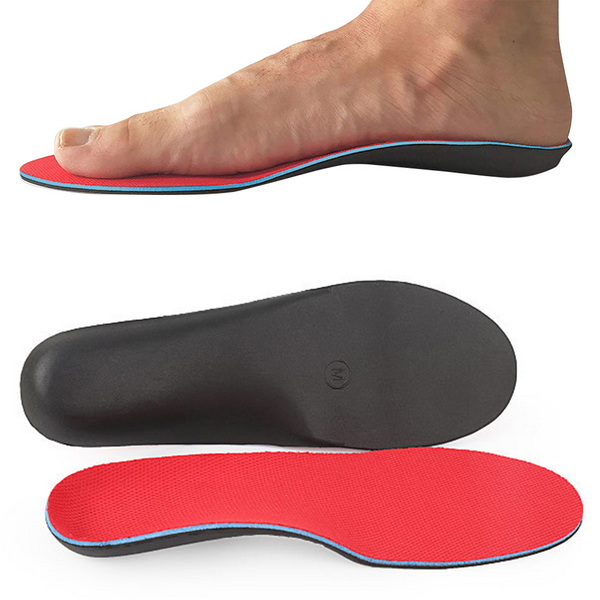
Some runners report immediate relief and clearer performance gains after using custom orthotics, especially when suffering from repeat injuries or pain. Others note that supportive insoles or even advanced stability shoes are sufficient and more comfortable for general running needs. There is no “one size fits all,” so experimentation and consultation with medical or biomechanical professionals are advised for runners with persistent pain or unique foot mechanics.
Healthcare professionals generally recommend custom orthotics for runners experiencing major alignment issues, chronic pain, or conditions diagnosed by a podiatrist. On the other hand, supportive and cushioned insoles are advised for mild discomfort, prevention of minor foot fatigue, or for those looking to enhance comfort and absorb shock during daily runs.
- If your main goal is to enhance comfort and reduce impact, a mass-produced insole is probably sufficient.
- If you experience chronic pain, recurring injuries, or have been prescribed corrective inserts, opt for orthotics.
Ensure that the chosen insole or orthotic fits the profile of your running shoe—too thick and the fit will be cramped; too thin and support might be lacking.
Active runners and athletes putting in high weekly mileages should consider orthotics for their durable build and corrective features. Occasional runners, or buyers targeting recreational running markets, may lean toward versatile, value-driven insoles.
- Premium models can offer a choice of removable insoles and the option for custom orthotic fit.
- Entry-level and mainstream product lines benefit from high-quality, cushioned insoles as a standard feature.
The OEM running shoe industry is witnessing growing demand for versatile, high-performance insoles and orthotics. Key trends include:
- Heat-moldable and semi-custom insoles bridging the gap between custom orthotics and mass-market comfort.
- Multi-density foams, carbon fiber inserts, and dynamic cushioning technologies for targeted consumer segments.
- Smart insoles integrated with sensors providing feedback on gait, posture, and foot health.
- Collaborative design between OEMs and healthcare professionals to ensure products meet international biomechanical standards.
Orthotics and insoles are both valuable for enhancing comfort and performance in running shoes, but their functions are distinct. Insoles are ideal for adding cushioning and mild support to everyday or entry-level running shoes, while orthotics offer lasting, medical-grade correction for injury-prone or biomechanically challenged runners. The right choice depends on each runner's biomechanics, injury background, running frequency, and personal preferences. OEM brands should consider offering both types to capture various international markets, customizing solutions for clients who demand either broad comfort or specialized correction.
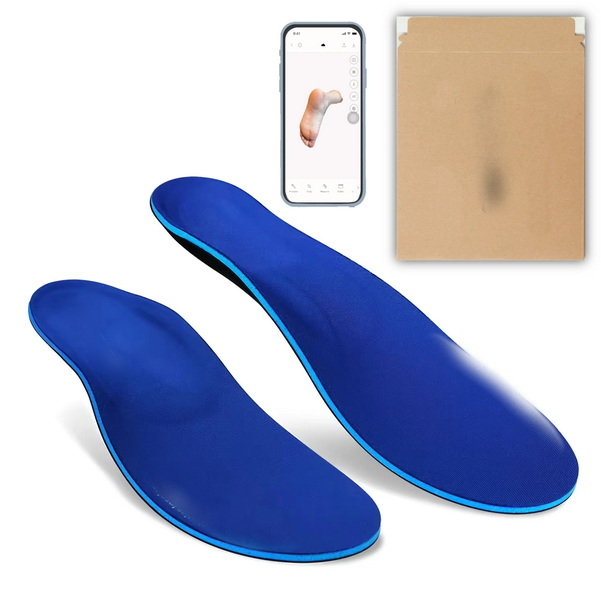
Orthotics are designed specifically for biomechanical correction and medical use, often requiring professional fitting, while insoles offer general comfort and mild support for everyday running.
Regular insoles typically last a few months with heavy use and should be replaced frequently for continued comfort. Orthotics, especially custom types, are more durable and may last years depending on care and materials.
Runners with persistent pain, diagnosed biomechanical issues, or those not helped by off-the-shelf solutions should seek custom orthotics, usually after consulting a podiatrist or specialist.
No, since both fill the same space under your foot and serve overlapping roles. However, some runners may alternate use depending on training intensity, injury status, or shoe type.
By providing a range of supportive inserts, including dual-density foam insoles and custom orthotic upgrade paths, brands can satisfy a wider customer base and distinguish their products in competitive markets.


