
Views: 251 Author: 3BU Technology Publish Time: 2026-07-01 Origin: Site


Content Menu
● Understanding Burning Feet Syndrome
● Burning Feet vs "Hot Feet": Two Overlapping Problems
● Key Causes: What Users Really Experience
● Best Insoles for Burning Feet Syndrome
>> What "Best" Really Means From an OEM View
>> Materials and Construction for Burning Feet Relief
● Cooling Insoles for Hot Feet
>> Cooling Insoles: Focus on Temperature and Moisture
>> Where Cooling Insoles Work Best
● Side‑by‑Side Comparison: Burning Feet vs Hot Feet Insoles
● Expert Insight: Why OEM Design Matters More Than Brand Label
● New Perspective: Data‑Driven Insole Design for Burning Feet
● Practical Selection Guide for Brands and Buyers
>> Step‑by‑Step: Choosing the Right Insole Type
● Case Study: How a Brand Solved Dual Problems with One Insole Portfolio
● Content and Product Experience for Burning Feet Users
● Why 3BU Technology Is a Strategic OEM Partner
● FAQs
Burning feet syndrome is a multi-factor foot condition often linked to nerve damage, circulation problems, footwear issues and metabolic factors such as vitamin deficiencies. From a user perspective, the sensation ranges from mild tingling to intense heat that can limit daily activity and work performance. As an OEM insole manufacturer, we see burning feet complaints most frequently among workers who stand for long hours, athletes and users wearing non‑breathable footwear. [insolemaker]

Although users often describe both conditions simply as "my feet are on fire," burning feet syndrome and hot feet due to heat build‑up are not exactly the same. Burning feet syndrome is typically linked to neuropathy or systemic conditions, while hot feet are more often driven by poor ventilation, moisture accumulation and in‑shoe temperature rise. For brand owners and OEM buyers, understanding this distinction is critical, because insoles designed for neuropathic relief require different engineering than purely cooling insoles for hot environments. [insolemaker]
From our discussions with global footwear brands and distributors, most end‑users describe four recurring triggers for burning or hot feet: [insolemaker]
- Nerve‑related issues (diabetic neuropathy, B‑vitamin deficiency, lumbar spine problems).
- Circulation problems, especially in workers standing on hard floors all day.
- Footwear design issues: non‑breathable uppers, hard footbeds, limited arch support.
- High‑heat or high‑humidity environments that trap sweat and raise in‑shoe temperature.
In clinical and consumer studies, insoles that combine pressure redistribution, shock absorption and moisture management consistently show better subjective comfort scores for users with burning feet symptoms. [synxbody]
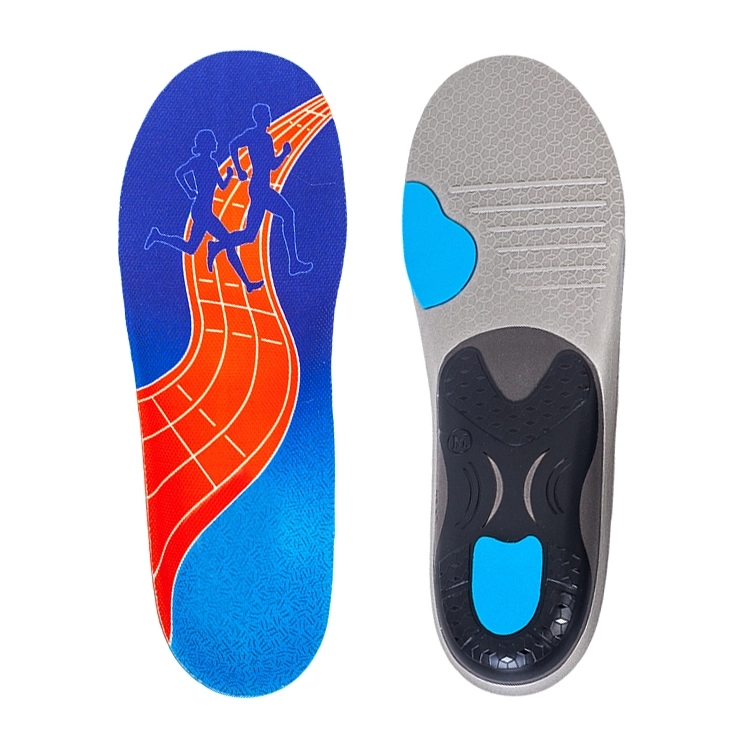
From an insole manufacturing perspective, the best insoles for burning feet syndrome are not just soft inserts; they are carefully engineered components that address load distribution, arch alignment, cushioning and micro‑climate control in the shoe. High‑performance insoles for burning feet typically feature multi‑density structures, targeted arch support and heel cupping that reduce nerve irritation by lowering peak pressure points. [insolemaker]
Essential design requirements include:
- Anatomical arch support to correct over‑pronation and reduce strain.
- Deep heel cup to stabilize the rearfoot and control motion.
- Metatarsal support or forefoot cushioning to relieve pressure under the ball of the foot.
- Shock‑absorbing mid‑layers to reduce vibration transmitted to nerves during walking. [insolemaker]
Clinical experience and field testing suggest that burning feet sufferers respond best to insoles combining medium‑density EVA or PU foam with gel or memory foam zones. Medium density retains structure under load, while softer top layers improve perceived comfort without collapsing the arch over time. [insolemaker]
Engineered insoles for burning feet syndrome often incorporate:
- EVA base plates for structural support and shape retention.
- Gel or viscoelastic pads at heel and forefoot to reduce peak impact forces.
- Breathable top covers with moisture‑wicking fibers to keep the skin surface drier. [synxbody]
In contrast, cooling insoles for hot feet focus primarily on in‑shoe climate control: temperature regulation, sweat management and air circulation. These insoles are engineered to keep feet cool, dry and ventilated, even when users wear protective footwear or operate in high‑temperature workplaces. From a UX perspective, users expect immediate cooling sensation, reduced stickiness and less odor build‑up. [insolemaker]
Typical cooling insole design includes:
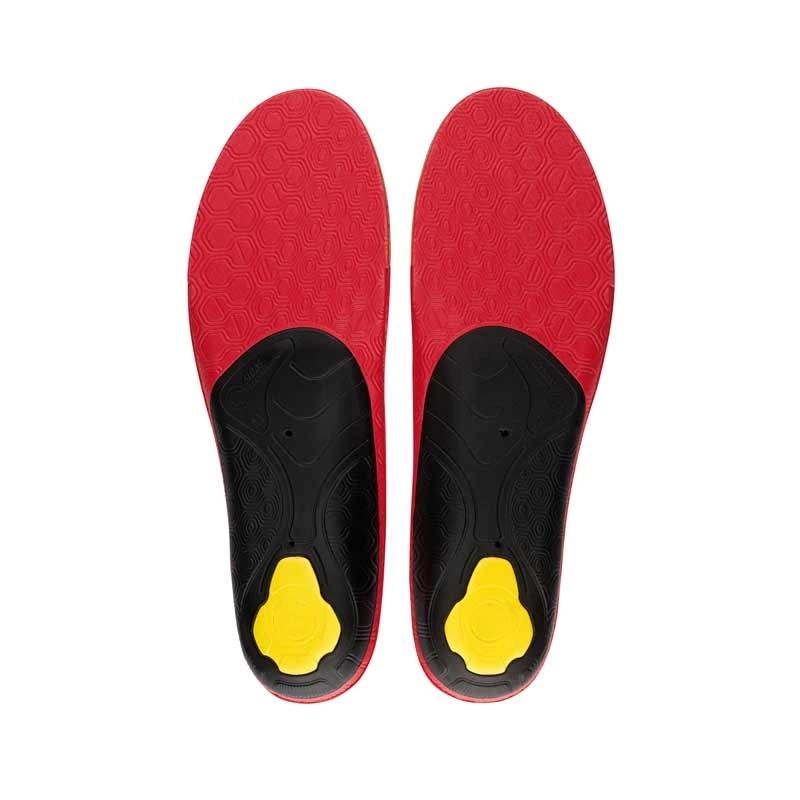
- Highly breathable foam or perforated gel structures to promote airflow.
- Moisture‑wicking top fabrics treated with anti‑microbial finishes.
- Ventilation channels that guide warm air out through the midfoot and forefoot.
- Thin, flexible profiles to fit into casual and athletic shoes without altering fit. [insolemaker]
Cooling insoles are especially effective for:
- Users wearing closed, synthetic footwear in hot climates.
- Workers in kitchens, factories or warehouses with poor floor and air conditions.
- Athletes training in summer or indoors with limited airflow around the foot. [synxbody]
For these user groups, cooling insoles for hot feet provide rapid perceived relief even when no underlying neuropathy exists. [insolemaker]
| Feature / Benefit | Best Insoles for Burning Feet Syndrome | Cooling Insoles for Hot Feet |
|---|---|---|
| Primary goal | Reduce nerve irritation and burning pain by improving biomechanics and cushioning. (insolemaker) | Lower in‑shoe temperature and moisture, improve freshness. (insolemaker) |
| Key technologies | Multi‑density EVA/PU, gel pads, structured arch and heel support. (insolemaker) | Perforated foam/gel, moisture‑wicking fabrics, ventilation channels. (insolemaker) |
| Target users | Neuropathy sufferers, long‑standing workers, people with arch or alignment issues. (insolemaker) | Users in hot climates, closed footwear, sports or heavy sweating situations. (insolemaker) |
| UX priority | Pain reduction, stability, long‑term comfort under load. (insolemaker) | Immediate cooling sensation, dryness, odor control. (insolemaker) |
| In‑shoe feel | Slightly thicker, more structured; noticeable arch and heel support. (insolemaker) | Slimmer, lighter, highly breathable; more "airy" feel. (insolemaker) |
From an OEM manufacturer's standpoint, the effectiveness of an insole for burning feet or hot feet depends more on engineering and QA than on the logo printed on top. Buyers should prioritize factories that demonstrate: [insolemaker]
- In‑house R&D and mold‑making capability for truly custom designs.
- Robust quality control, including foam density checks and compression testing.
- Proven collaboration history with global brands in comfort and orthotic insoles. [insolemaker]
3BU Technology, for example, operates a dedicated 5,000‑square‑meter facility focusing exclusively on insole R&D and production, with monthly output of around 200,000 pairs and advanced 120‑cavity EVA press molds to ensure consistency across large runs. For brands targeting niche segments like burning feet syndrome or hot feet relief, this depth of specialization is a key competitive advantage. [insolemaker]
Recent market analyses show that the Chinese foot orthotic insoles market is projected to reach around USD 698.5 million by 2033, with a CAGR of nearly 8.9%. This growth is driven partly by demand from users with foot pain, including burning feet, who are seeking specialized comfort solutions. [insolemaker]
From an OEM design standpoint, this data translates into three strategic priorities:
1. Segmented product lines: dedicated SKUs for burning feet syndrome and hot‑feet cooling, rather than one "universal comfort" insole.
2. Biomechanics‑driven R&D: integrating pressure mapping and gait analysis to identify high‑risk zones for burning pain.
3. Evidence‑backed marketing: using test data and standards compliance (ISO, REACH, etc.) to build E‑E‑A‑T credibility for brand partners. [insolemaker]
1. Define user scenario clearly.
Is the main complaint burning pain after standing or excessive heat and sweat? Align your keyword targeting and product positioning accordingly. [synxbody]
2. Match insole categories to user needs.
- For burning feet syndrome:
- Orthotic comfort insoles with structured arch support.
- Multi‑density EVA/PU with targeted gel pads.
- Options for different arch types (low, neutral, high). [insolemaker]
- For hot feet:
- Perforated cooling insoles.
- Moisture‑wicking, antimicrobial top covers.
- Thin profile for compatibility with everyday and athletic footwear. [insolemaker]
3. Validate OEM capability.
Check ISO 9001 certification, monthly output capacity, typical lead times and sample development processes to ensure consistent supply and quality over the full product lifecycle. [insolemaker]
A mid‑size European comfort footwear brand approached 3BU Technology to design two distinct insole lines: one for users with burning feet pain and one for users complaining of hot, sweaty feet in summer sneakers. [insolemaker]
- For burning feet, we created an orthotic‑style EVA insole with reinforced medial arch, deep heel cup and gel pods under heel and metatarsal heads.
- For hot feet, we engineered a perforated cooling insole with hydrophobic EVA base, heavily ventilated forefoot and moisture‑wicking top cloth. [insolemaker]
Within twelve months of launch, the brand reported higher repeat purchase rates for both lines and reduced product returns related to foot discomfort, demonstrating how clear segmentation between burning feet and hot feet solutions improves both UX and commercial performance. [insolemaker]
From a user‑experience perspective, burning feet sufferers need simple, actionable guidance from both content and products. Effective UX for this audience should:
- Use short paragraphs and bold key phrases (e.g., burning feet syndrome, cooling insoles for hot feet, arch support).
- Offer clear bullet‑point lists outlining benefits and features.
- Provide easy sizing and fitting instructions to reduce purchase friction. [synxbody]
In product design, UX translates into:
- Clear marking of left/right and arch type on the insole.
- Intuitive trimming guides for cut‑to‑fit models.
- Instruction cards explaining break‑in period and cleaning steps. [insolemaker]
As a China‑based comfort and orthotic insole specialist, 3BU Technology offers end‑to‑end OEM/ODM support for global brands targeting burning feet and hot feet segments. Key advantages include: [insolemaker]
- Twelve years of focused experience in insole R&D and production. [insolemaker]
- Flexible MOQs that support emerging brands and pilot projects.
- Free design support that converts concept sketches into production‑ready specifications.
- Sample lead time of around seven days and typical bulk production cycles of three weeks. [insolemaker]
For international buyers, this combination of technical depth, commercial flexibility and supply‑chain strength in Dongguan (Guangdong Province) creates a solid foundation to build differentiated insole portfolios for specific user problems like burning feet syndrome and hot feet. [insolemaker]
If you are a brand owner, wholesaler or footwear manufacturer looking to develop or upgrade your burning feet syndrome insoles or cooling insoles for hot feet, partnering with an experienced OEM is the fastest way to move from idea to market‑ready product.
Contact 3BU Technology to co‑create your next insole line, from concept design and material selection to mold development and mass production, and deliver user‑first comfort solutions that genuinely reduce burning pain and keep feet cool all day. [insolemaker]
1. Are burning feet syndrome insoles and cooling insoles the same product?
No. Burning feet insoles focus on biomechanics and shock absorption to reduce nerve irritation, while cooling insoles prioritize temperature and moisture control for hot feet. [synxbody]
2. Can one insole design solve both burning pain and hot, sweaty feet?
Some multi‑layer designs combine arch support, cushioning and breathable covers, but for best results brands usually develop at least two targeted SKUs: one for pain relief and one for cooling. [insolemaker]
3. Which materials are best for burning feet relief insoles?
Medium‑density EVA or PU bases with gel or memory foam pads and breathable top fabrics give a good balance of structural support and soft comfort for burning feet users. [synxbody]
4. How long do burning‑feet or cooling insoles typically last?
Depending on density and usage intensity, quality comfort insoles generally maintain performance for 6–12 months in daily use; heavy industrial or athletic use may shorten this to 3–6 months. [insolemaker]
5. What OEM information should brands check before launching a burning‑feet insole line?
Verify ISO certification, monthly capacity, tooling capabilities, sample turnaround time, and experience with comfort/orthotic insoles to ensure consistent quality and reliable supply. [insolemaker]
1. 3BU Technology Company Profile – OEM Comfort Insoles Manufacturer. https://www.insolemaker.com/aboutus.html
2. Top 10 Comfort Insoles Manufacturers in China – 3BU Technology. https://www.insolemaker.com/top-10-comfort-insoles-manufacturers-in-china.html
3. Best Insoles for Burning Feet Syndrome – ALINE. https://alineinsoles.com/blogs/news/best-insoles-for-burning-feet-syndrome
4. China Foot Orthotic Insoles Market Size & Outlook – Grand View Research. https://www.grandviewresearch.com/horizon/outlook/foot-orthotic-insoles-market/china
5. Comprehensive Process to Verify Chinese Manufacturers – Metafuro. https://www.metafuro.com/our-5-step-comprehensive-process-to-verify-chinese-manufacturers/


