
Language
Views: 268 Author: 3BU Technology Publish Time: 2026-06-29 Origin: Site


Content Menu
● What "Perfect Orthotic Fit" Really Means in Mass Production
● Understanding Heat Molding Orthotics
>> Why Brands Choose Heat Moldable Insoles
● Understanding Pressure Molding Orthotics
>> Why Brands Choose Pressure Molded Insoles
● Heat vs Pressure Molding: Key Differences for OEM Projects
>> Fit Customization and Clinical Use
● Material Science Behind Orthotic Molding
>> Choosing the Right Materials
>> Biomechanics and Pressure Redistribution
● When to Choose Heat Molding vs Pressure Molding for Your Brand
>> Strategic Considerations for Footwear Brands and Wholesalers
● Real-World OEM Insight: How 3BU Designs for Mass Customization
● Practical Fitting Tips for Heat Moldable Insoles
● OEM Partner Perspective: Why Manufacturing Expertise Matters
● Call to Action: Plan Your Next Orthotic Line With Confidence
● FAQs
Finding the balance between scalable production and a truly custom orthotic fit is one of the biggest challenges for global insole brands, wholesalers, and footwear manufacturers. As a Chinese OEM orthotic insole manufacturer working with international brands every day, I see firsthand how heat molding and pressure molding technologies can make or break user comfort, clinical outcomes, and product margins in mass production. This article explains the science behind both methods, shares real-world factory insights, and offers practical guidance on choosing the right molding approach for your next orthotic project. [insolemaker]
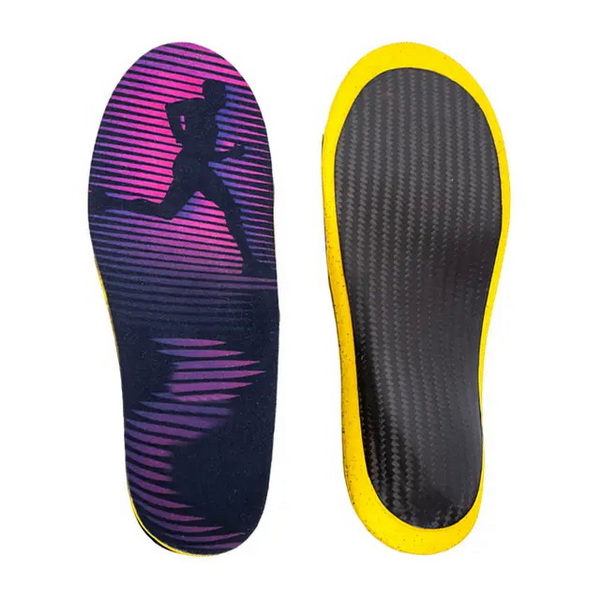
In clinical practice, "perfect fit" usually refers to an orthotic that matches the patient's foot shape, supports the arch, and guides biomechanics with minimal compromise. In mass production, perfection is more complex: you must blend repeatable manufacturing, consistent quality, and scalable customization while controlling cost and lead time. [insolemaker]
From an OEM manufacturer's point of view, a truly effective orthotic fit in large batches must achieve:
- Stable structural support for the arch and heel over the full product lifecycle. [insolemaker]
- Predictable performance across thousands of pairs, not just a few samples. [insolemaker]
- Adaptability to different foot types through materials and molding, not only size ranges. [insolemaker]
- Alignment with brand positioning (sports, medical, workwear, comfort) and price points. [insolemaker]
This is exactly where heat vs pressure molding becomes a strategic design and manufacturing decision rather than a purely technical one.
Heat molding insoles are manufactured using thermoformable materials such as EVA, PU blends, and medical-grade foams designed to become flexible under controlled temperature and then set into a new shape. During production, we pre-form the insole shell, but the final customization often happens later—either in the clinic, retail store, or at home—through heating and molding to the specific foot. [insolemaker]
The core steps behind heat molding are:
1. Pre-formation of a base orthotic shell using CNC or compression molding. [insolemaker]
2. Use of heat-activated foams or plastics with defined softening points. [insolemaker]
3. Controlled heating (typically in an oven) until materials become pliable. [insolemaker]
4. Molding the insole against the user's foot or a last, then cooling to lock in the new shape. [insolemaker]
From a manufacturing standpoint, the challenge is to design materials that respond predictably to heat while maintaining long-term structural integrity under repetitive loading and sweat exposure. [insolemaker]
In my experience working with sports and medical orthotic brands, heat moldable insoles are favored when:
- Retail or clinical customization is part of the brand promise.
- The target users have complex foot conditions (e.g., plantar fasciitis, high arches, overpronation). [insolemaker]
- The brand wants a premium fitting experience that differentiates them from generic comfort insoles.
Properly engineered, heat moldable insoles offer:
- High personalization: They can closely match individual arch height, width, and heel contour.
- Perceived value: Users feel they are getting a tailor-made product, even from a mass-produced base.
- Biomechanical precision: Clinicians can fine-tune posting, arch support, and cushioning with heat forming.
However, heat molding also requires clear usage instructions, proper heating equipment, and trained staff to avoid under- or over-heating and material damage. [insolemaker]
Pressure molding relies on controlled mechanical force applied to the insole material—often EVA, PU, gel, or composites—inside molds or under specially designed presses. Instead of relying on heat to soften materials, pressure molding uses pre-calculated cavity shapes and press forces to generate a consistent orthotic geometry at scale. [insolemaker]
Typical steps in a pressure-molded orthotic line include:
1. Material preparation (sheet cutting, multilayer lamination, or pre-formed blanks). [insolemaker]
2. Placement in a mold or under a press with defined pressure and cycle time.
3. Mechanical shaping of arches, heel cups, and metatarsal pads.
4. Finishing operations such as trimming, grinding, bonding top covers, and adding branding. [insolemaker]
The outcome is a highly repeatable fit profile that can be produced in large volumes with tight tolerances. [insolemaker]
For many OEM clients in sports, workwear, and e-commerce channels, pressure molded insoles offer several advantages:
- Manufacturing consistency: Each size range follows a stable mold design, reducing variation.
- Cost efficiency: Once tooling is established, per-unit production costs are optimized for large runs.
- Speed: Pressure molding lines can deliver thousands of pairs daily with predictable cycle times.
Pressure molded insoles are ideal when a brand prioritizes:
- Reliable sizing and fit expectations across different regions and customer segments.
- Simplified user experience with no heating step or specialist fitting required.
- Strong support for bulk OEM/ODM orders where time-to-market is critical. [insolemaker]
The trade-off is that individual anatomical differences are addressed mainly through size ranges and design geometry, not active customization at the point of use.
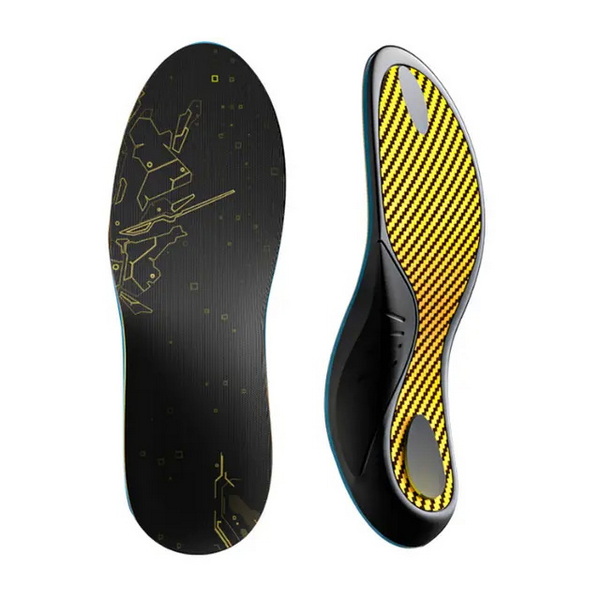
- Heat molding: Enables near-custom fit for individual users, especially valuable in clinical or performance contexts and for complex foot issues. [insolemaker]
- Pressure molding: Provides standardized fit tuned to target personas (runner, worker, everyday user) but less personalized at the individual level. [insolemaker]
- Heat molding: Requires additional equipment and fitting procedures, which may increase operational complexity and training needs in retail or clinical channels. [insolemaker]
- Pressure molding: Highly scalable and cost-effective once molds and tooling are set; ideal for large OEM orders and global distribution. [insolemaker]
From user feedback we observe in OEM projects:
- Users appreciate the custom feel of heat moldable insoles but sometimes struggle with correct heating and fitting if instructions are unclear. [insolemaker]
- Pressure molded insoles are perceived as "ready to use" and easy to fit, which reduces friction for e-commerce and wholesale buyers.
In our 5000㎡ facility, we work daily with EVA, PU, gel, carbon fiber, and medical-grade foams, each offering specific performance in molding and long-term use. The core material decisions for heat vs pressure molding include: [insolemaker]
- EVA foams: Lightweight, elastic, and suitable for both heat and pressure molding; good shock absorption. [insolemaker]
- PU foams: Durable with excellent resilience, often used for work boots and high-impact sports. [insolemaker]
- Carbon fiber shells: Provide rigid support, commonly paired with softer top layers in performance orthotics. [insolemaker]
- Gel pads: Targeted cushioning zones for heel or forefoot relief. [insolemaker]
Regardless of molding method, a properly engineered orthotic must:
- Redistribute plantar pressure away from high-stress areas like the heel and forefoot. [insolemaker]
- Support the medial longitudinal arch to improve alignment from the foot up through the knees, hips, and lower back. [insolemaker]
- Stabilize heel motion to control overpronation and reduce strain on ligaments and tendons. [insolemaker]
This is why many OEM projects combine rigid or semi-rigid shells with multi-density foams, using molding to fine-tune stiffness and cushioning in different zones.
When advising international clients, we usually start with three strategic questions:
1. Who is your core user—clinical patient, athlete, worker, or everyday consumer?
2. Where will fitting occur—clinic, specialty retail, online self-service, or factory-installed in footwear?
3. What is your target price range and margin structure?
Based on these answers, a typical recommendation is:
- Choose heat molding when:
- You serve medical or sports performance segments.
- You have access to clinicians or trained staff for fitting.
- You want a strong "custom fit" narrative and are willing to invest in user education.
- Choose pressure molding when:
- You operate in large-scale OEM or e-commerce channels.
- Simplicity and immediate usability are more important than full customization.
- You need highly predictable manufacturing cost and lead time for large volumes. [insolemaker]
Many successful brands combine both technologies in their portfolio: pressure molded insoles for mainstream lines, and heat moldable upgrades for premium or specialty segments.
As an orthotic insole manufacturer founded in 2012, we have worked with leading global brands on OEM and ODM projects that require both precision and scale. Our typical custom orthotic workflow includes: [insolemaker]
- Detailed foot analysis and user profiling based on scanning data and brand requirements. [insolemaker]
- CAD modeling of shell geometry for arch support, heel cup depth, and metatarsal relief. [insolemaker]
- Material selection combining EVA, PU, carbon fiber, and gels to match target usage.
- Prototyping and iterative testing for comfort, durability, and deformation under load. [insolemaker]
- Mass production using automated machinery plus skilled craftsmanship, with strict QC on hardness, resilience, and shape accuracy. [insolemaker]
For brands looking to balance mass production with differentiated fit, we often design pressure-molded base shells paired with heat-responsive top layers, enabling scalable production and post-sale customization.
From user feedback and in-house testing, correct fitting is the main success factor for heat moldable products. To support better user experience, most brands should provide clear, step-by-step instructions such as: [insolemaker]
1. Preheat the oven to the recommended temperature stated in the insole instructions. [insolemaker]
2. Place the insoles in the oven for the specified time, ensuring they do not touch heating elements. [insolemaker]
3. Insert the warm insoles into the shoes and stand in a natural posture for several minutes.
4. Allow the insoles to cool and set while maintaining normal standing alignment. [insolemaker]
Clear visual guides, warnings about overheating, and advice on cleaning (mild soap and warm water only, no machine washing or excessive heat) significantly improve satisfaction and reduce returns. [insolemaker]
Choosing between heat and pressure molding is not just a materials decision; it is a long-term brand and supply chain decision. Experienced manufacturers with robust R&D and quality control can: [insolemaker]
- Advise on which molding method best fits your market and positioning.
- Optimize material combinations for durability, comfort, and cost.
- Scale from small trial batches to large OEM orders without compromising consistency. [insolemaker]
With over 12 years of specialized orthotic insole manufacturing experience, our team has seen how small design choices—arch height, heel cup shape, foam density—can have outsized impact on user satisfaction and repeat purchases. For brands serious about comfort and performance, close collaboration between design, biomechanics experts, and manufacturing is essential. [insolemaker]
If you are planning a new orthotic insole line or refining an existing product range, now is the time to evaluate heat vs pressure molding through the lens of your target users, pricing, and supply chain. By partnering with a manufacturer that understands both technologies and has experience serving international brands, you can achieve a truly custom-feeling fit at mass-production scale. [insolemaker]
Whether you need pressure-molded insoles for global OEM distribution or heat moldable designs for premium clinical and sports channels, our team can help you select materials, geometries, and production methods that align with your brand's goals and market strategy. Reach out to discuss your next orthotic project and explore how combining heat and pressure molding can create a differentiated product portfolio that your customers will feel with every step. [insolemaker]
Q1: Are heat moldable orthotics better than pressure molded ones?
Heat moldable orthotics are not inherently better; they are different. Heat molding allows more individual customization at the point of use, while pressure molding delivers highly consistent fit and cost efficiency at scale. The right choice depends on your target users, channels, and price positioning. [insolemaker]
Q2: How long do orthotic insoles typically last in regular use?
Depending on materials and usage intensity, orthotic insoles usually last between 12 and 24 months before noticeable compression and wear appear. High-quality EVA, PU, and carbon fiber constructions tend to maintain support longer under daily load. [insolemaker]
Q3: Can pressure molded insoles still provide medical-grade support?
Yes. When designed with correct arch geometry, heel cup depth, and multi-density materials, pressure molded insoles can meet medical and performance requirements for many conditions such as plantar fasciitis, flat feet, and overpronation. [insolemaker]
Q4: Are heat moldable insoles suitable for e-commerce sales?
They can be, but success depends on clear instructions and customer education. Providing detailed step-by-step guidance, temperature and timing recommendations, and post-molding care instructions is key for online channels. [insolemaker]
Q5: What should brands look for when selecting an OEM orthotic manufacturer?
Look for proven experience in orthotic design, a modern production facility, robust R&D, strict quality control, and flexible OEM/ODM services that can support both small and bulk orders. Manufacturers with international partnerships and compliance with global standards are better equipped to support long-term brand growth. [insolemaker]
1. 3BU Technology – Orthotic Insole Manufacturer Overview. https://www.insolemaker.com/orthotic-insole.html
2. 3BU Technology – How To Use Heat Moldable Insoles. https://www.insolemaker.com/how-to-use-heat-moldable-insoles.html
3. 3BU Technology – How To Fit Insoles in Shoes. https://www.insolemaker.com/how-to-fit-insoles-in-shoes.html
4. 3BU Technology – What’s in Heat Molding Foot Arch Support Insoles? https://www.insolemaker.com/what-s-in-heat-molding-foot-arch-support-insoles.html
5. 3BU Technology – Top 10 Orthotic Insole Manufacturers in China. https://www.insolemaker.com/top-10-orthotic-insole-manufacturers-in-china.html


