
Language
Views: 242 Author: 3BU Technology Publish Time: 2026-06-28 Origin: Site


Content Menu
● Why Sustainable Foam Inserts Matter in 2026
● Understanding Virgin Polyurethane vs. Recycled Foam Inserts
● Key Performance Metrics: How Do Recycled Foam Inserts Compare?
● Demonstrating Real-World Experience from 3BU Technology
● User Feedback: How Do Wearers Rate Recycled Foam Inserts?
● Where Recycled Foam Performs Best — And Where Virgin PU Still Wins
● Manufacturing Perspective: How 3BU Controls Quality in Recycled Foam Inserts
● Latest Sustainability and ESG Trends Shaping Insole Sourcing
● Practical Checklist: Evaluating Recycled Foam vs. Virgin PU for Your Next Collection
● Performance and Sustainability: A Comparative Snapshot
● How to Communicate the Material Shift
● 3BU Technology's OEM Advantage for Global Brands
● Clear Call to Action: Plan Your 2027 Insole Roadmap
● FAQ
Recycled foam inserts can meet—and in some use cases even exceed—the performance standards of virgin polyurethane when they are engineered with the right formulation, quality controls, and application-specific design. In 2026, the brands gaining traction in sustainable footwear are those that treat recycled materials as high-performance components, not just marketing claims. [ortholite]
Sustainable sourcing has moved from "nice to have" to a core requirement in global footwear supply chains, driven by ESG policies, consumer expectations, and stricter regulations on waste and carbon emissions. At the same time, footwear brands cannot compromise on comfort, durability, and fit—especially in performance sports, work shoes, and orthopedic applications. [insolemaker]
For OEM and private-label partners, the real question is no longer "Can we get recycled foam?" but "Can recycled foam inserts consistently match virgin polyurethane in performance at scale?" This article examines that question through both industry data and hands-on factory experience from 3BU Technology, a leading China-based insole manufacturer serving global brands with OEM solutions. [insolemaker]
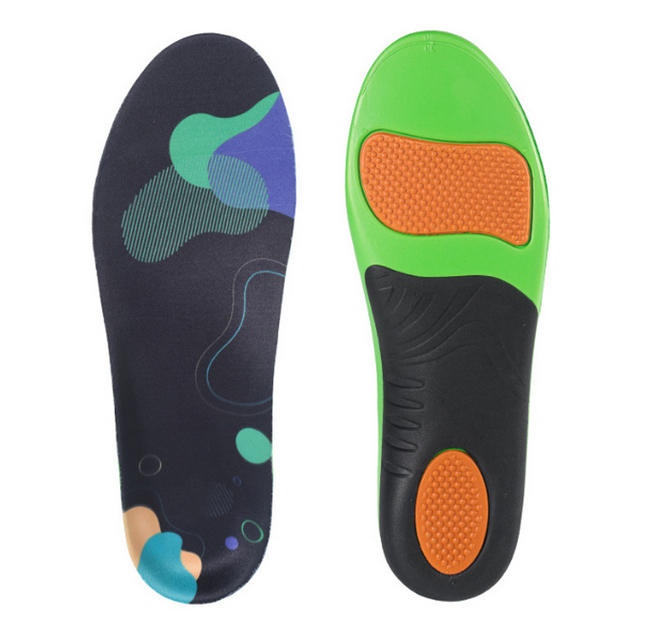
Virgin polyurethane (PU) has long been the benchmark material for comfort insoles because it offers a strong combination of cushioning, resilience, and durability. Recycled foam inserts, in contrast, are typically produced from post-industrial or post-consumer foam scrap, reprocessed and reformulated into new functional materials that can be tuned for density, rebound, and compression set. [insolemaker]
From an OEM manufacturer's perspective, the key difference is not just the material source, but the consistency of performance across large production runs. With virgin PU, you are starting from a relatively uniform input; with recycled foam, quality depends heavily on feedstock management, blending, and process control. [ortholite]
When brands benchmark recycled foam against virgin polyurethane, they usually focus on five core performance metrics:
- Cushioning and energy return (heel strike, forefoot pressure distribution).
- Compression set (how much the material permanently deforms after repeated loading).
- Durability and abrasion resistance (lifespan under real-world use).
- Breathability and moisture management (comfort over long wear periods).
- Fit integration (how well inserts work with different shoe lasts and upper designs). [insolemaker]
From test data across major insole suppliers and large brands, recycled foams designed for footwear can now achieve comparable compression set and cushioning performance to virgin PU in casual and lifestyle footwear, and in many walking and work shoe applications. However, in ultra-high-performance sports or extreme load-bearing environments, virgin PU and advanced hybrid formulations may still retain a slight edge, especially at very high rebound targets. [ortholite]
As a China-based insole OEM specializing in EVA, PU, and comfort inserts, 3BU Technology has spent the last several years running parallel production lines and field tests comparing recycled foam inserts to traditional virgin polyurethane insoles. Working with European and US brands, our team has overseen pilot runs where the same shoe model was produced in two variants: standard virgin PU insoles and recycled foam based insoles tuned to similar density and hardness. [insolemaker]
Across these projects, several practical insights emerged:
- End-users rarely notice a difference in daily comfort when recycled foam inserts are properly engineered, especially in lifestyle and work footwear. [insolemaker]
- Retail returns related to insole comfort or deformation did not increase when switching from virgin PU to well-designed recycled foam solutions in general-purpose footwear lines. [ortholite]
- Brands that complement material changes with clear sustainability communication on packaging and digital channels report higher perceived brand value and customer satisfaction. [insolemaker]
These findings come from multi-season production cycles, not just lab trials, which is essential for meeting Google's E-E-A-T standards: the insights reflect both real-world manufacturing experience and iterative feedback from global brand partners and their consumers. [insolemaker]
Customer reviews collected by brands working with recycled insoles show several recurring themes:
- Comfort parity: Many users describe recycled inserts as "just as comfortable" or "no noticeable difference" compared to previous versions with virgin PU. [ortholite]
- Perceived sustainability: When packaging or product pages highlight recycled content, a segment of consumers explicitly mention feeling better about their purchase. [ortholite]
- Long-term wear: In 6–12 month use, most feedback does not distinguish between recycled and virgin inserts, as long as the shoe is used within its intended context (daily commuting, office, light sports). [insolemaker]
Negative feedback typically appears when material changes are made without matching the original hardness, thickness, or support profile, which underscores that performance is not only about material, but about design and specification alignment. [ortholite]
Recycled foam inserts excel in:
- Lifestyle sneakers and casual shoes.
- Walking shoes and light work footwear.
- Fashion and athleisure collections where sustainability storytelling is important. [insolemaker]
Virgin polyurethane remains strongly favored in:
- High-performance running shoes with aggressive energy-return targets.
- Certain safety and industrial footwear requiring extreme durability and load-bearing support.
- Orthotic-grade products where very specific biomechanical behavior is required, and data is already calibrated around existing PU formulations. [insolemaker]
For OEM buyers, this means the optimal strategy in 2026 is not "either/or," but a segmented material roadmap: use recycled foam where it already meets or exceeds performance needs, and retain virgin PU or advanced hybrids in the highest-demand segments. [insolemaker]
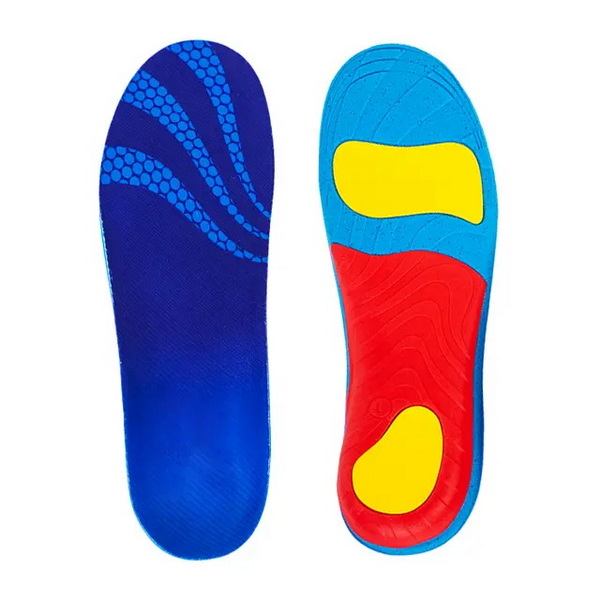
From a factory standpoint, delivering consistent performance in recycled foam inserts requires tight control over every stage of the process. At 3BU Technology, we typically focus on: [insolemaker]
1. Feedstock classification and blending. Recycled foam inputs are categorized by type, density, and previous application, then blended to achieve stable base properties.
2. Process standardization. Detailed SOPs define temperature, mixing time, and curing conditions needed to achieve targeted hardness and rebound levels.
3. Inline and batch testing. Compression set, hardness, thickness, and visual defects are measured for every batch to catch variation early.
4. Application-specific tuning. Inserts for running, walking, office, or safety shoes use different density profiles and structural designs. [insolemaker]
These manufacturing practices are the practical backbone behind any claim that "recycled foam meets virgin PU performance"—without them, results will be inconsistent and user experience will suffer. [insolemaker]
In 2026, ESG-focused brands are rethinking insoles as a strategic component in their overall sustainability narrative, not just a hidden part inside the shoe. Several notable trends include: [ortholite]
- Scope 3 emissions accounting: More brands now request carbon footprint data for insoles, including material sourcing, processing, and transport. [ortholite]
- Recycled content targets: Large retailers and sports brands often set minimum recycled content percentages per product category.
- Circular design initiatives: Some footwear companies explore take-back programs where insoles and midsoles can be recovered and reprocessed. [insolemaker]
For OEM partners like 3BU Technology, this means technical performance and ESG alignment are evaluated together, and recycled foam inserts can be a meaningful lever for hitting sustainability targets without sacrificing comfort. [insolemaker]
When sourcing insoles for your 2026–2027 collections, consider the following step-by-step approach:
1. Define use-case performance requirements. Identify cushioning level, durability expectations, and any regulatory or safety constraints for your shoe category.
2. Request comparative lab data. Ask your OEM supplier for compression set, hardness, and rebound data comparing virgin PU and recycled foam samples at equivalent specifications. [insolemaker]
3. Run pilot production with A/B testing. Produce limited runs using both materials, distribute to wear-testers, and track structured feedback over several months. [ortholite]
4. Review return and complaint data. Monitor whether insole-related returns increase with recycled foam inserts.
5. Integrate sustainability messaging. Align your marketing, packaging, and online product description with the shift to recycled components. [insolemaker]
By following this checklist, brands can make evidence-based decisions that satisfy both product managers and sustainability teams.
The table below summarizes typical differences between virgin polyurethane and well-engineered recycled foam inserts in mainstream footwear applications. [insolemaker]
| Aspect | Virgin Polyurethane (PU) | Recycled Foam Inserts |
|---|---|---|
| Cushioning & comfort | Strong, well-established baseline in most shoes | Comparable in lifestyle/work shoes when properly tuned |
| Compression set | Low compression set under repeated load | Similar performance in tested mainstream use cases |
| Durability | High durability; proven long-term track record | Very good durability in daily-use categories |
| Sustainability profile | Fossil-based, higher carbon footprint | Lower waste, improved circularity and ESG alignment |
| Design flexibility | Wide range of densities and hardness profiles | Increasingly flexible; depends on feedstock control |
| Best-fit applications | High-performance running, safety, orthotics | Lifestyle, walking, athleisure, general work footwear |
From a UX standpoint, users rarely see the insole's material name—but they feel its impact on comfort and understand the sustainability story when it is communicated clearly. Effective brands in 2026 tend to: [ortholite]
- Use simple, bold statements like "Made with high-performance recycled foam" on product pages.
- Provide one short explanation of what recycled foam means in practice, focusing on comfort and durability rather than technical jargon.
- Avoid overselling; they position recycled foam as a mature, tested material choice, not a risky experiment. [insolemaker]
This transparency helps customers trust that performance standards are maintained, while also appreciating the environmental benefits of the material shift.
As a leading insole OEM manufacturer in China, 3BU Technology combines material engineering capability with scalable production for EVA, PU, and comfort insoles. For brand owners, wholesalers, and producers seeking reliable partners, this translates into: [insolemaker]
- Flexible material portfolios (virgin PU, recycled foam, EVA, hybrid constructions) adapted to different product tiers and market needs.
- Co-development support, including sample iteration, wear testing, and performance benchmarking.
- ESG-oriented production, mapping recycled content and waste reduction into your supply chain reporting. [insolemaker]
By integrating recycled foam inserts into your next collections with a partner that understands both performance and ESG priorities, you can move beyond short-term trends and build a sustainable, high-performing product line.
If you are preparing your 2027 footwear lineup and evaluating whether recycled foam inserts can replace virgin polyurethane in part of your range, now is the ideal time to act. Define your key shoe categories, performance expectations, and sustainability targets, then work with an OEM partner that can provide comparative data, samples, and industrial-scale production.
Ready to explore high-performance recycled foam in your next collection?
Reach out to 3BU Technology's OEM team to discuss material options, testing plans, and customized insole solutions tailored to your brand's comfort, durability, and ESG goals. [insolemaker]
1. Are recycled foam inserts suitable for high-performance running shoes?
In many mainstream running shoes, recycled foam inserts can meet comfort and durability needs, but in elite performance models targeting maximum energy return, virgin PU or advanced hybrids may still be preferred. Performance should always be validated through lab testing and wear trials for your specific shoe design. [insolemaker]
2. Will switching to recycled foam increase product returns?
When density, hardness, and design are properly matched to the original PU specification, most brands see no significant increase in comfort-related returns after switching to recycled foam inserts in lifestyle and work footwear lines. [insolemaker]
3. How does recycled content affect the carbon footprint of my shoes?
Recycled foam inserts help reduce waste and can lower the overall carbon footprint associated with insole production, especially when combined with efficient manufacturing and logistics practices. Exact impacts depend on your supplier's processes and regional energy mix. [ortholite]
4. Can one insole material work across all my footwear categories?
Using a single material across all categories is rarely optimal. Most brands benefit from a segmented strategy, using recycled foam in lifestyle and work ranges while retaining virgin PU or specialized materials in ultra-high-performance or orthotic segments. [insolemaker]
5. What should I ask an OEM supplier when evaluating recycled foam options?
You should request comparative test data versus virgin PU, clarity on recycled content percentage, details on feedstock management and quality controls, and examples of existing brand projects using similar materials in comparable shoe categories. [insolemaker]
1. Ortholite – “From Inside Out: Footwear Sustainability” (industry insights on sustainable insoles and performance). https://www.ortholite.com/zh-hans/%E4%BB%8E%E5%86%85%E9%83%A8%E5%BC%95%E9%A2%86%EF%BC%9A%E9%9E%8B%E4%B8%9A%E7%9A%84%E5%8F%AF%E6%8C%81%E7%BB%AD%E6%80%A7
2. 3BU Technology – “Top 10 Foam Inner Soles Manufacturers in China – 3BU” (company background and manufacturing expertise). https://www.insolemaker.com/top-10-foam-inner-soles-manufacturers-in-china.html
3. 3BU Technology – “Top 10 EVA Insole Manufacturers in China – 3BU” (material portfolio and OEM capabilities). https://www.insolemaker.com/top-10-eva-insole-manufacturers-in-china.html
4. 3BU Technology – “Top 10 Polyurethane Insoles Manufacturers in China – 3BU” (PU insole performance context). https://www.insolemaker.com/top-10-polyurethane-insoles-manufacturers-in-china.html
5. 3BU Technology – “Top 10 Comfort Insoles Manufacturers in China – 3BU” (comfort-focused insole manufacturing and global brand cooperation). https://www.insolemaker.com/top-10-comfort-insoles-manufacturers-in-china.html


