
Language
Views: 222 Author: 3BU Technology Publish Time: 2026-06-07 Origin: Site


Content Menu
● How to Choose the Right Insoles: Expert, User‑First Guide for 2026
● Insoles vs Orthotics: What Are You Really Buying?
● Step 1: Understand Your Foot Type and Arch
>> Low, Neutral and High Arches
● Step 2: Match Insoles to Your Activity and Use Case
>> Everyday Walking and Standing
>> Running, Sports and High Impact
>> Work Boots and Safety Footwear
● Step 3: Key Design Features to Look For
>> Materials and Breathability
>> Fit, Shoe Compatibility and Trim‑to‑Fit
● Step 4: Choosing Insoles for Common Foot Problems
>> Plantar Fasciitis and Heel Pain
>> Overpronation and Supination
>> Diabetic and Sensitive Feet
● New Insight: Market Trends and Why OEM Quality Matters
● Why 3BU Technology Is a Strategic OEM Partner for Insoles
>> R&D‑Driven Insole Development
>> Experience With World‑Class Insole Brands
>> OEM & ODM Flexibility for Global Clients
● Practical User Checklist: How to Test Insoles Before You Commit
● Insole Types and Recommended Use Cases (At a Glance)
● How Brands and Buyers Can Work With 3BU to Launch Better Insoles
● Call to Action: Turn Better Insole Knowledge Into Better Products
● FAQ – Choosing the Right Insoles
Choosing the right insoles is not just about comfort; it is about long‑term foot health, performance, and even how your entire lower body moves with every step. From my perspective as both a long‑time insole user and an industry‑facing OEM partner, the best results happen when end users understand their feet—and brands choose manufacturers who deeply understand materials, biomechanics, and quality control. [alineinsoles]
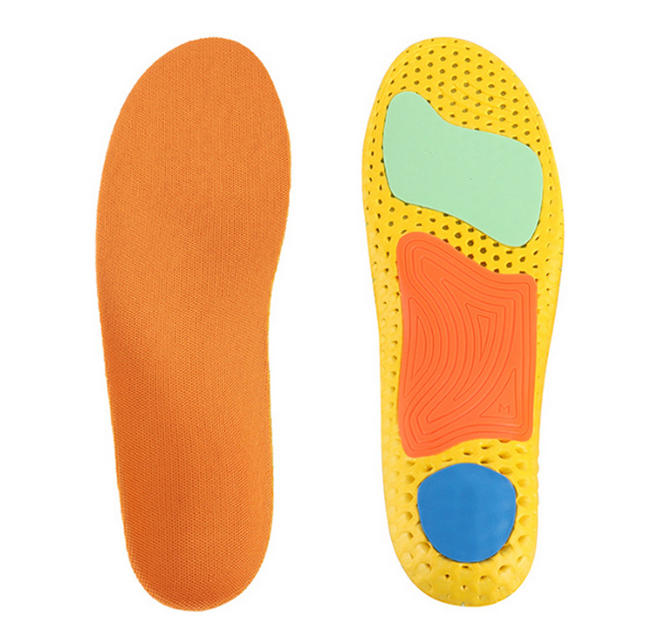
Insoles (also called shoe inserts or footbeds) are removable components you place inside your shoes to improve cushioning, support and alignment. They can help relieve pain, prevent overuse injuries, fine‑tune the fit of footwear, and boost comfort for workers, athletes and everyday users. Today's insole market ranges from simple foam layers to advanced orthotic designs with targeted arch support, heel cups and multi‑density materials. For brands and distributors, this diversity is an opportunity—but also a challenge—because buyers expect medically informed design and credible performance claims. [rei]
From an OEM perspective, insoles are no longer "nice‑to‑have add‑ons"; they are a core product category with a global market projected to reach over 8 billion USD by 2034, driven by customized and performance‑oriented designs. For foreign brands and wholesalers, choosing the right OEM insole manufacturer is now as strategic as choosing the right design or marketing message. [insolemaker]
Before choosing any product, it helps to clarify the difference between insoles and orthotics. [upstep]
- Insoles are usually over‑the‑counter inserts designed to improve comfort, cushioning and basic support for the general population. [insoles]
- Orthotics are typically prescribed by healthcare professionals and are custom‑made to correct specific biomechanical issues or medical conditions such as plantar fasciitis, severe overpronation or structural deformities. [treadlabs]
In practical terms, many consumers search for "orthotic insoles" even when they are actually looking for high‑support, ready‑to‑wear products rather than fully custom medical devices. As a brand, this is an SEO opportunity: you can target "orthotic insoles for [condition]" while clearly explaining when users should consult a podiatrist or doctor for tailored treatment. [alibaba]
From both a user and product‑design standpoint, arch type is the single most important starting point. Selecting an insole without knowing your arch is like buying prescription glasses without checking your vision. [alineinsoles]
Most people fall into one of three categories: low (flat) arch, neutral arch, or high arch. [easyfeet]
- Low arch / flat feet
- Often associated with overpronation (foot rolling inward). [rei]
- Users tend to benefit from firm arch support and a deep heel cup to stabilize the heel and limit excessive motion. [treadlabs]
- Neutral arch
- Requires balanced cushioning and moderate support to maintain natural alignment. [easyfeet]
- High arch
- Often linked to supination (foot rolling outward) and high pressure on heel and forefoot. [rei]
- Usually needs cushioned arch support with shock absorption under the heel and ball of the foot. [alineinsoles]
Many guides recommend a "wet footprint test": wet your foot, step on paper or cardboard, and examine how much of the arch is visible in the print. A fuller print suggests a lower arch, while a very narrow footprint suggests a higher arch. For brands, including this kind of simple self‑test in your product pages dramatically improves UX and reduces returns, because customers can self‑select the correct arch profile. [upstep]
The "best" insoles are always context‑dependent: a nurse on a 12‑hour shift does not need the same design as a marathon runner or a warehouse worker. [alibaba]
For retail workers, teachers or warehouse staff who stand all day, anti‑fatigue insoles with generous cushioning and heel shock absorption can significantly reduce pain and fatigue. Deep heel cups and stable arch support help distribute pressure more evenly across the foot. [treadlabs]
For running, hiking or court sports, users generally benefit from:
- Structured arch support to control pronation and stabilize the foot. [easyfeet]
- High‑rebound foams or gel for impact absorption and energy return. [insoles]
- A design that matches the volume and shape of athletic shoes. [alibaba]
Many evidence‑informed guides suggest a combination of firm support + cushioning, not just soft foam, to prevent issues like shin splints and plantar fasciitis. [rei]
Industrial workers face unique challenges: heavy loads, hard floors and long shifts. Insoles for work boots should focus on:
- Durable, compression‑resistant materials that do not flatten quickly. [insoles]
- Strong heel stabilization to reduce the risk of ankle and knee stress. [treadlabs]
- Moisture‑wicking and odor‑control properties for hygiene. [insoles]
This segment is especially relevant for OEM brands serving B2B buyers in construction, logistics and manufacturing.
Whether you are buying for yourself or specifying an insole line with an OEM partner, there are a few non‑negotiable features you should evaluate. [alineinsoles]
Proper arch support helps align the foot, ankle, knee and even hips, reducing strain and improving gait efficiency. Firm but comfortable support that matches the actual contour of the foot—not just a generic bump—is critical. [alibaba]
A deep heel cup (commonly recommended at about 12 mm or more for performance insoles) helps cradle the heel, absorb shock and limit side‑to‑side rolling. This is particularly important for plantar fasciitis and overpronation. [treadlabs]
Common insole materials include foam, gel, EVA, PU, memory foam and cork. Each material behaves differently: [easyfeet]
- Foam: lightweight cushioning, versatile and cost‑effective. [alineinsoles]
- Gel: excellent shock absorption, often used in heel or forefoot pads. [insoles]
- EVA / PU compounds: durable, supportive, widely used in sports and work insoles. [insolemaker]
- Memory foam: plush, step‑in comfort that molds to the foot. [easyfeet]
- Cork: natural support with good moisture regulation. [easyfeet]
Breathability and moisture‑wicking top layers improve comfort and help control odor, especially for all‑day wear. [insoles]
Even the most technical insole fails if it does not fit the shoe. Good practice includes:
1. Removing the original factory liner before inserting a new insole. [rei]
2. Ensuring the heel sits fully inside the cup with no overhang and toes are not pushed forward. [alibaba]
3. Walking around for at least 60–120 seconds to check for pressure points or sliding. [rei]
Many brands use trim‑to‑fit designs so users can cut along printed lines to match their shoe size. This improves usability and reduces sizing complaints. [insoles]
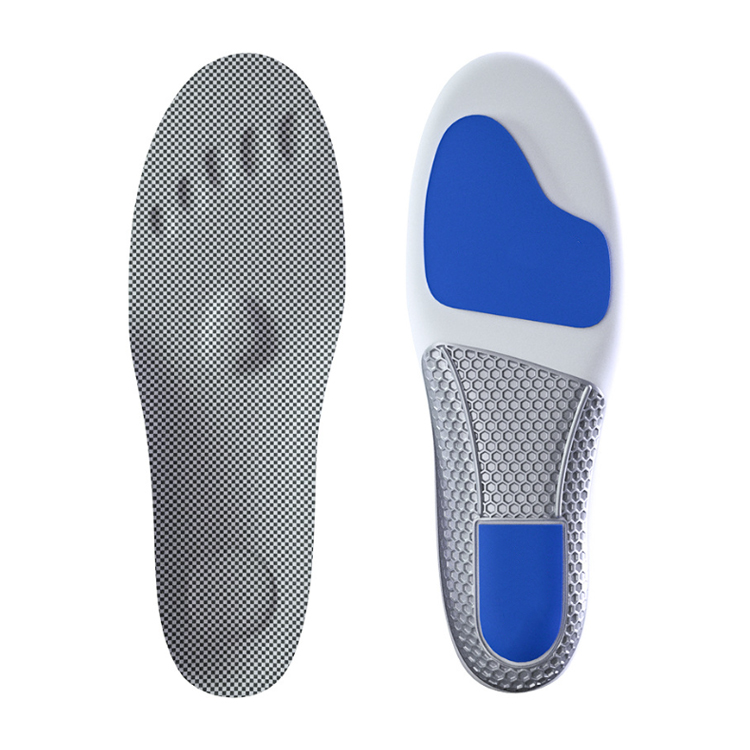
Although insoles cannot replace medical treatment, the right design can be a powerful part of a pain‑management strategy. [upstep]
For plantar fasciitis, most specialist sources recommend: [fortunebusinessinsights]
- Firm arch support that matches the user's arch height.
- Deep heel cup for shock absorption and stabilization.
- Enough structure to limit excessive pronation without feeling rigid. [treadlabs]
A 3‑part approach—reducing inflammation, stretching the calf and plantar fascia, and using appropriate orthotic insoles—is widely described as effective. [treadlabs]
- Overpronation: choose insoles with reinforced medial arch support and stability features to guide the foot into a neutral position. [rei]
- Supination: focus on cushioned arch support and enhanced lateral stability to prevent the foot from rolling outward. [rei]
Users with diabetes, arthritis or neuropathy should seek advice from a medical professional and choose insoles with soft, friction‑reducing top covers and even pressure distribution. For brands, this is a category where responsible messaging and clear disclaimers are essential for trust and regulatory compliance. [upstep]
The global foot orthotic insoles market is forecast to grow strongly through 2034, with customized and performance‑driven products taking the largest share. This shift reflects what users are demanding in reviews: more targeted support, better durability, and products designed around specific activities and conditions rather than generic one‑size‑fits‑all inserts. [fortunebusinessinsights]
For international brands, this creates a competitive space where material innovation, biomechanical design and quality consistency are key differentiators. Working with an OEM who understands both end‑user needs and brand‑side requirements—MOQ flexibility, lead times, testing and documentation—directly affects product success. [fxfootwear]
As a leading Chinese OEM insole manufacturer, 3BU Technology focuses on helping overseas brands, wholesalers and footwear producers turn their insole concepts into market‑ready products. [insolemaker]
3BU operates a dedicated workshop of about 5000 square meters with more than 100 skilled workers, combining volume capacity with flexible project setups for independent brands. The company specializes in innovative insole R&D, supporting projects from simple comfort inserts to multi‑layer, sport‑specific or medical‑adjacent designs. For global brands, this means you can co‑develop insoles tailored to specific arch profiles, materials and use cases rather than relying on generic catalog items. [insolemaker]
3BU has experience manufacturing for recognized international insole brands, including companies like Sidas, Footlogstics and VKTRY, which are known in the market for technical performance and sports applications. This experience translates into mature processes for material selection, multi‑density molding, and consistent quality control across large production runs. [fxfootwear]
Unlike many large factories that only accept very high MOQs, 3BU supports small‑order OEM and ODM to meet the needs of growing brands and niche product lines. International partners can collaborate on: [insolemaker]
- Custom shapes and footbed geometries.
- EVA, PU, foam and hybrid material combinations.
- Branded packaging and labeling tailored to specific markets.
For B2B buyers, this combination of flexibility and technical depth reduces time‑to‑market and allows product testing in smaller batches before scaling.
From a user‑experience standpoint, one of the biggest sources of dissatisfaction is buying insoles online without a clear testing routine. Here is a simple, expert‑informed process you can follow or adapt into your product pages and packaging. [alibaba]
1. Remove the original insole from your shoe so it does not interfere with support. [alibaba]
2. Stand on the new insole outside the shoe to feel arch contact, heel cup depth and width. [alibaba]
3. Insert the insole into the shoe, ensuring it sits flat with no curling at the edges. [rei]
4. Walk for 1–2 minutes on different surfaces (carpet and hard floor), checking for slipping, rolling sensation or pressure points. [alibaba]
5. Inspect your toes and heel fit—no crowding, no overhang, and your heel should feel cradled, not perched on an edge. [rei]
6. Re‑check after a full day of use: mild adaptation is normal, but persistent pain or burning spots are warning signs. [treadlabs]
| Insole type | Key features (user view) | Best for (use case) |
|---|---|---|
| Orthotic arch supports | Firm arch, deep heel cup, structured alignment (alineinsoles) | Plantar fasciitis, overpronation, daily support (treadlabs) |
| Cushioned arch supports | Softer arch, added padding and shock absorption (alineinsoles) | Long standing, light sports, mixed daily use (alineinsoles) |
| Flat cushions / replacements | Thin, basic cushioning, minimal structure (alineinsoles) | Dress shoes, mild comfort upgrade (insoles) |
| Sport / performance insoles | Multi‑density foam or gel, stability + energy return (rei) | Running, hiking, court sports (rei) |
| Work / safety boot insoles | Durable foam or EVA, strong heel support, moisture control (insoles) | Industrial work, logistics, construction (insoles) |
| Medical‑oriented insoles | Pressure distribution, soft top cover, tailored shapes (rei) | Diabetic feet, arthritis (with clinician guidance) (rei) |
Each product type can be developed and manufactured via OEM partners like 3BU Technology, with materials and geometry tuned to your brand positioning and target audience.
From a B2B perspective, choosing an insole is also choosing a supply chain and development partner. For brands, wholesalers and footwear manufacturers, here is a practical engagement roadmap with an OEM like 3BU. [insolemaker]
1. Define your target user and use case: runner, worker, hiker, casual, medical support, etc. [treadlabs]
2. Specify arch profile and support level based on your positioning—neutral support, motion control, high‑cushion comfort, etc. [alineinsoles]
3. Choose core materials (EVA, PU, gel, memory foam, fabric top cover) balancing cost, durability and feel. [insolemaker]
4. Align on required certifications and tests (e.g., durability, compression set, slip, odor control) depending on your markets. [fortunebusinessinsights]
5. Start with OEM samples or ODM concepts, iterate with real‑world wear testing, then scale production once the design is validated. [fxfootwear]
3BU's capability to handle small‑order OEM & ODM makes this cycle feasible even for growing brands that need to test different SKUs before mass roll‑out. [insolemaker]
If you are a brand owner, importer or footwear manufacturer looking to upgrade your insole line, now is the right moment to combine user‑centric design, data‑backed features and reliable OEM production. The market is moving quickly toward more specialized, high‑value insoles, and having the right manufacturing partner is a competitive advantage—not just a cost decision. [insiteinsoles]
To explore OEM / ODM insole projects built around your audience's arch types, activities and performance needs, you can connect with 3BU Technology's team in Dongguan, China, and discuss custom materials, shapes and branding possibilities. Translating this expert‑level knowledge into your product pages, packaging and marketing will not only help your users choose the right insoles—it will also strengthen your brand's authority in search results. [insolemaker]

1. How do I know if I need insoles or custom orthotics?
If you have general discomfort, fatigue or mild arch pain, good over‑the‑counter insoles are often enough. If you have severe or persistent pain, diabetes, arthritis or structural foot deformities, a clinician‑prescribed orthotic is usually recommended. [upstep]
2. How often should I replace my insoles?
Many expert guides suggest replacing insoles every 6–12 months or roughly every 500 miles of running, even if they still look intact. Foam and cushioning materials gradually compress and lose their support, which can quietly reduce protection and comfort. [insoles]
3. Can I use the same insoles in different types of shoes?
It is usually better to use different insoles for different shoe styles and activities—for example, one pair for running shoes and another for dress shoes or work boots. This ensures proper fit, volume and support for each footwear type. [insoles]
4. Are hard insoles better than soft ones?
Neither is universally better. Firm arch support is important for conditions like plantar fasciitis and overpronation, but users still need enough cushioning to stay comfortable. Soft, low‑support insoles may feel good at first but often fail to control motion or protect joints over time. [treadlabs]
5. Why should brands work with a specialized insole OEM instead of a general footwear factory?
Specialized OEM insole manufacturers typically offer stronger material knowledge, in‑house testing, and more refined footbed geometries than general factories. This leads to more consistent product quality and better end‑user experiences, which directly impact reviews, repeat purchases and long‑term brand equity. [insiteinsoles]
1. ALINE Insoles – "How to Choose the Right Insoles: A Complete Guide."
[https://alineinsoles.com/blogs/news/how-to-choose-the-right-insoles-a-complete-guide] [alineinsoles]
2. REI Co‑op – "How to Choose Insoles or Shoe Inserts."
[https://www.rei.com/learn/expert-advice/insoles.html] [rei]
3. Insoles.com – "Insole Guide: How to Choose the Right Insoles."
[https://insoles.com/pages/how-to-choose-the-right-insole] [insoles]
4. EASYFEET – "How to Choose the Right Insoles."
[https://easyfeet.store/blogs/our-blog/how-to-choose-the-right-insoles] [easyfeet]
5. Tread Labs – "Best Insoles for Plantar Fasciitis Arch Support."
[https://treadlabs.com/blogs/insoles-reach-your-stride/plantar-fasciitis-insoles-orthotics-inserts-medically-proven-pain-relief] [treadlabs]
6. Upstep – "Best Guide for Choosing the Right Orthotic Insoles for Your Feet."
[https://www.upstep.com/a/blog/choosing-the-right-orthotic-insoles-for-your-feet] [upstep]
7. Fortune Business Insights – "Foot Orthotic Insoles Market Size, Share | Global Report."
[https://www.fortunebusinessinsights.com/industry-reports/foot-orthotic-insoles-market-100348] [fortunebusinessinsights]
8. Alibaba Product Insights – "How To Choose The Best Shoe Insoles: A Complete Buying Guide."
[https://www.alibaba.com/product-insights/how-to-choose-the-best-shoe-insoles-a-complete-buying-guide.html] [alibaba]
9. 3BU Technology – "China Professional EVA Insole, PU Insole, Foam Insole Manufacturer."
[https://www.insolemaker.com] [insolemaker]
10. 3BU Technology – "How To Choose Shoe Insoles?"
[https://www.insolemaker.com/how-to-choose-shoe-insoles.html] [insolemaker]
11. FX Footwear – "How Footwear Brands Choose an OEM Insole Manufacturer."
[https://fxfootwear.com/oem-insole-manufacturer-footwear-brands-choose/] [fxfootwear]
12. INSITE Insoles – "Sustainable Insoles, Biomechanics, Comfort."
[https://insiteinsoles.com] [insiteinsoles]
13. Forbes – "Best Insoles for Plantar Fasciitis 2026."
[https://www.forbes.com/sites/forbes-personal-shopper/article/best-insoles-for-plantar-fasciitis/] [forbes]


