
Views: 222 Author: 3BU Technology Publish Time: 2026-06-09 Origin: Site


Content Menu
● What Is Foot Alignment and Why It Matters
● Hidden Risks of Poor Foot Alignment
>> Common Issues Linked to Misalignment
● How Proper Foot Alignment Supports Overall Health
>> Better Posture and Spinal Health
>> Joint and Muscle Protection
>> Performance Benefits for Athletes and Active Users
● Practical Steps to Improve Foot Alignment
>> 1. Start with Proper Footwear
>> 2. Use Orthotic or Supportive Insoles
>> 3. Integrate Daily Foot Care Habits
>> 4. See a Specialist When Pain Persists
● From User Stories to Product Requirements (OEM Perspective)
● How to Choose the Right Insoles for Your Feet
>> Step 1: Identify Your Foot Type
>> Step 2: Match Insole Features to Your Needs
● Latest Insights from Foot Health and Orthotic Research
● Case Example – From Pain to Performance with Structured Insoles
● How 3BU Technology Supports International OEM Partners
● Clear Call to Action for Brands and Buyers
● Frequently Asked Questions (FAQ)
Proper foot alignment is a powerful way to reduce pain, protect your joints, and improve your overall health, and choosing the right insoles is one of the most practical tools you can use to get there. In this guide, I'll combine expert insights with real user experiences to show how high-quality insoles and customized OEM solutions can support healthier feet, better posture, and long-term comfort. [rioseo]
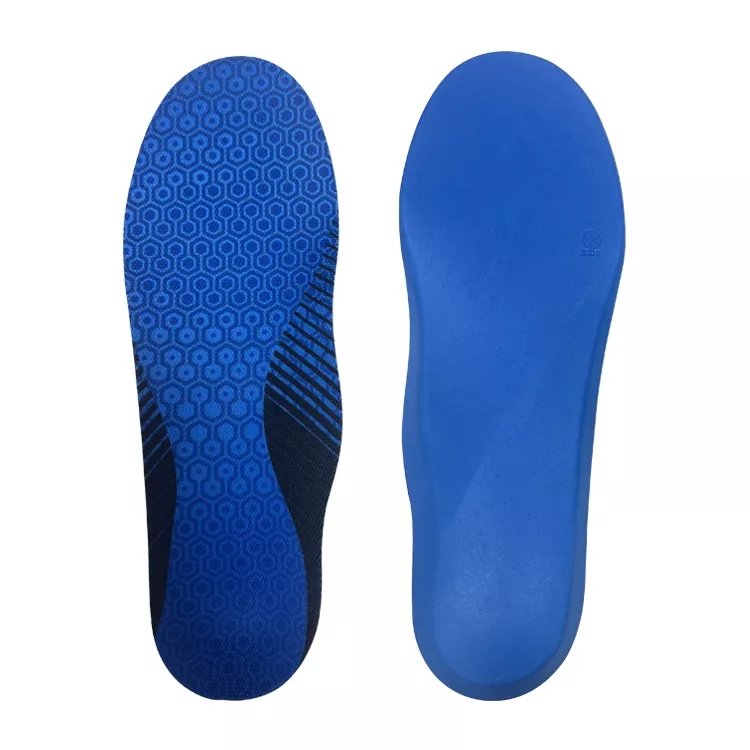
Proper foot alignment means that your heel, arch, and forefoot are positioned so your body weight is distributed evenly through each step. When this alignment is off, your feet roll inward (overpronation) or outward (supination), changing how your knees, hips, and spine move and absorb impact. [rioseo]
When alignment is correct, you typically experience:
- More stable steps and fewer "wobbly" moments when you walk or run. [rioseo]
- Better posture, because your feet, knees, hips, and spine are stacked in a straighter line. [rioseo]
- Less joint and muscle strain, especially in the knees, hips, and lower back. [rioseo]
Many users only connect the dots after trying supportive insoles: they report that what felt like "knee problems" or "back issues" actually started with the way their feet hit the ground. [healthcaresuccess]
Misaligned feet act like a tilted foundation under a building: the structure may stand for a while, but small stresses accumulate over time. For active people or workers who stand for long periods, these small stresses quickly become daily pain. [rioseo]
- Chronic knee and hip pain due to uneven load on joints. [rioseo]
- Lower-back discomfort and slouching from compensating for unstable feet. [rioseo]
- Frequent sprains, strains, and stress fractures, especially in the ankles and shins. [rioseo]
A large share of adults experience some level of foot pain, yet most do not proactively address it, allowing small problems to grow into long-term conditions. [healthcaresuccess]
From an OEM manufacturer's perspective, this is why functional insoles are not just comfort accessories—they are preventive tools for musculoskeletal health, especially when designed around specific user groups such as runners, workers, or elderly users. [siteimprove]
When your feet roll inwards or outwards, the misalignment travels upwards. Overpronation can rotate the knees inward, tilt the hips, and eventually curve the lower spine, while supination can cause excessive pressure on the outer foot and knee. [rioseo]
Aligning the feet properly helps to:
- Reduce chronic back pain and stiffness. [rioseo]
- Improve standing and walking posture, making it easier to stay upright without effort. [rioseo]
- Lower the risk of long-term spinal misalignment. [healthcaresuccess]
Chiropractors and physical therapists often flag foot posture as one of the most underrated causes of back and hip problems, which makes supportive insoles a simple, non-invasive intervention to improve posture. [healthcaresuccess]
Feet are natural shock absorbers, but only when the arches are supported and aligned. When they collapse or tilt, the impact forces are redirected to the knees, hips, and lower back instead. [rioseo]
Well-designed insoles:
- Redistribute pressure across the heel, arch, and forefoot.
- Improve shock absorption, especially on hard surfaces like concrete. [rioseo]
- Help muscles work efficiently, so they no longer overcompensate for unstable feet. [rioseo]
This is why many users notice less knee soreness after long walks and reduced hip stiffness when standing from a seated position once they adopt structured, supportive insoles. [rioseo]
For athletes, foot alignment is not only about avoiding injuries; it is a performance factor. When the foot lands correctly and pushes off efficiently, every movement becomes smoother and more powerful. [rioseo]
Proper alignment and a supportive insole can help:
- Improve balance and coordination, reducing the risk of rolled ankles during sports. [rioseo]
- Enhance energy transfer, so more power goes into forward motion rather than stabilizing the joints. [rioseo]
- Delay fatigue, because muscles do not have to "work overtime" to stabilize the body. [rioseo]
Many active users report that once they switch to performance insoles with targeted arch support and heel stabilization, they feel more grounded and confident in their movements, especially during high-impact activities like running or court sports. [rioseo]
Even the best insoles cannot fully compensate for poorly designed shoes. For everyday wear and sports, choose footwear that: [rioseo]
- Offers structured arch support to distribute pressure. [rioseo]
- Provides adequate cushioning under heel and forefoot to absorb shock. [rioseo]
- Fits snugly around the midfoot and heel without squeezing the toes. [rioseo]
Shoes that are too flat or too soft—such as basic flip-flops or worn-out sneakers—can contribute to conditions like bunions, calluses, and plantar fasciitis over time. [healthnews.com]
Orthotics and high-quality insoles are one of the most efficient ways to correct or support alignment. They can be: [rioseo]
- Custom-made by medical professionals for complex conditions.
- Semi-custom or off-the-shelf products designed for specific arch types or use cases. [rioseo]
Users frequently report:
- Noticeable pain relief within weeks.
- Improved mobility and confidence in walking or standing.
- Reduced recurrence of ankle and knee issues when using supportive insoles consistently. [rioseo]
As an OEM manufacturer, we see high demand for:
- Arch-specific designs (low, medium, high arch).
- Activity-based insoles for running, hiking, work safety shoes, and daily commuting.
- Targeted support zones for heel pain, forefoot pressure, or midfoot collapse. [patientgain]
Foot health is also about daily habits, not just products. [rioseo]
Build a simple routine:
1. Inspect your feet daily for redness, swelling, blisters, or cuts—small issues can escalate if ignored. [rioseo]
2. Keep feet clean and dry, especially between the toes, to avoid fungal infections. [rioseo]
3. Moisturize heels and soles if they are dry or cracked, but avoid adding lotion between the toes where excessive moisture can cause problems. [rioseo]
These basic steps are especially important for people who stand all day, athletes, and older adults, as their feet are under constant stress. [rioseo]
Persistent foot pain is not something to "tough out." A podiatrist or musculoskeletal specialist can: [rioseo]
- Diagnose alignment issues such as overpronation or supination. [rioseo]
- Recommend custom orthotics or physical therapy.
- Identify underlying conditions like plantar fasciitis, bunions, or tendon issues. [healthcaresuccess]
In many cases, a multidisciplinary team—podiatrist, physical therapist, and sometimes chiropractor—delivers the best result, especially when misalignment already affects posture and spinal health. [healthcaresuccess]
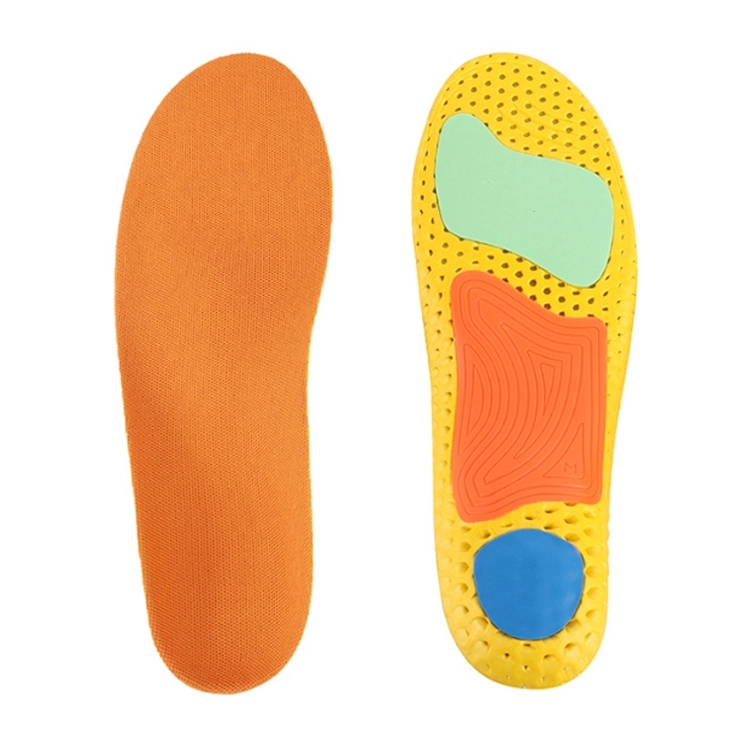
As a leading OEM insoles manufacturer in China, 3BU Technology works closely with international brands, wholesalers, and footwear manufacturers who want to add real value—not just "extra padding"—to their insole lines. [siteimprove]
Based on user feedback gathered through brand partners, we consistently see the same themes:
- Customers want noticeable support, not just softness. They often describe the "right" insole as firm under the arch yet comfortable under the heel.
- Long-time sufferers of knee or back pain frequently report unexpected improvement after switching to structured insoles, even when they had previously tried multiple shoes or therapies. [healthcaresuccess]
- Consumers increasingly ask for specific solutions: insoles for working on concrete floors, high-impact sports, or standing in production lines all day. [siteimprove]
For B2B partners, this translates into clear product requirements:
- Different density zones to combine support and comfort.
- Ergonomic shapes tailored to the target market's foot morphology.
- Materials engineered for durability, odor control, and moisture management. [patientgain]
To close the gap between generic advice and practical action, here is a simple decision framework that many consumers and brand partners find useful.
You can do a basic assessment at home:
- Flat feet (low arch): The entire foot leaves a print when wet; you may experience overpronation and inner knee pain. [rioseo]
- Normal arch: The middle of the foot is partially visible on a footprint; alignment issues may appear only under heavy load or poor footwear.
- High arch: Only the heel and forefoot are clearly visible; this often leads to supination and poor shock absorption. [healthnews.com]
Use this quick reference to guide choices:
| Foot / User Need | Recommended Insole Features |
|---|---|
| Flat feet / overpronation | Firm medial arch support, deep heel cup, structured midfoot stability. (rioseo) |
| High arch / supination | Cushioned arch support, enhanced forefoot and heel shock absorption. (rioseo) |
| Standing work (8+ hours) | Dual-density foam, reinforced heel, moisture-wicking top layer. (siteimprove) |
| Runners and athletes | Lightweight materials, targeted forefoot cushioning, anti-slip top fabric. (rioseo) |
| Elderly / sensitive feet | Softer top layer, gentle support, smooth seams to avoid friction. (rioseo) |
Encourage users to:
- Wear new insoles for a few hours a day at first, then gradually increase usage. [rioseo]
- Monitor changes in pain or posture over 1–3 weeks rather than expecting overnight transformation. [rioseo]
- Adjust or replace insoles if they create new pressure points or discomfort—proper alignment should feel more stable, not painful. [rioseo]
Recent healthcare emphasizes that health-related content should be evidence-informed, transparent, and regularly updated. For foot alignment and insoles, several trends stand out: [patientgain]
- Preventive focus: Medical organizations increasingly highlight early interventions—like supportive footwear and insoles—to reduce the long-term burden of musculoskeletal disorders. [patientgain]
- Personalized solutions: There is a shift from "one insole for everyone" to tailored designs based on activity type, foot structure, and health conditions. [siteimprove]
- Integrated care: Orthotics are more often combined with exercise therapy, posture training, and lifestyle modifications, delivering better outcomes than any single intervention alone. [siteimprove]
These insights directly inform how we design OEM insole solutions and how our partners position their products in the market: as long-term health tools, not short-term comfort accessories. [patientgain]
Many real-world stories follow a similar pattern:
1. A user experiences chronic knee or back discomfort, especially after long work shifts or runs.
2. They try changing shoes multiple times, with only partial relief.
3. After being advised by a specialist or retailer, they adopt structured insoles with proper arch support and heel stabilization.
4. Over several weeks, they report:
- Less daily pain and fewer flare-ups.
- More confidence in walking, running, or lifting.
- Better posture and less fatigue at the end of the day. [healthcaresuccess]
From a manufacturing standpoint, these narratives highlight that precision in design—not just materials—makes the difference: correct arch height, heel cup depth, and forefoot cushioning convert medical advice into daily comfort. [siteimprove]
As a Chinese OEM insole manufacturer, 3BU Technology collaborates with international brands, wholesalers, and shoe manufacturers who want to elevate their product lines with evidence-informed, user-tested insoles. [patientgain]
We help partners by:
- Co-developing insole collections for specific use cases (running, work safety, outdoor, casual, diabetic-friendly, etc.). [siteimprove]
- Offering R&D support based on user feedback, lab testing, and industry best practices in foot biomechanics and material science. [patientgain]
- Providing private label and OEM services, so brands can launch differentiated products under their own names while relying on our manufacturing expertise. [siteimprove]
For international buyers, this means you can build a full insole portfolio—from entry-level comfort to advanced orthotic-style support—without building your own production infrastructure.
If you are a footwear brand, wholesaler, or manufacturer looking to:
- Reduce product returns due to discomfort.
- Offer real health and performance benefits to your customers.
- Build a differentiated insole line aligned with modern foot health research.
3BU Technology can be your behind-the-scenes OEM partner, helping you turn scientific insights and user feedback into commercially successful insole products. [patientgain]
Get in touch to discuss:
- Custom insole designs for your target market.
- Material and structure options optimized for your brand positioning.
- Sample development and pilot runs to test new concepts before full-scale production.
The right insole strategy not only supports your customers' feet—it also strengthens your brand's reputation for comfort, health, and performance.
1. How do I know if my foot alignment is a problem?
Persistent foot, knee, or lower-back pain, uneven shoe wear, frequent ankle sprains, or feeling unstable when walking can all indicate alignment issues and should prompt a closer look or a visit to a specialist. [healthcaresuccess]
2. Can insoles really fix my posture?
Insoles do not "fix" posture alone, but by stabilizing the feet and improving alignment, they reduce compensations higher up the body, which often leads to better standing and walking posture when combined with healthy movement habits. [healthcaresuccess]
3. Are soft insoles always better for comfort?
Not necessarily. Very soft insoles can feel good initially but may collapse under load, failing to provide the structural support needed for proper alignment, especially for flat feet or high-impact activities. [healthnews.com]
4. How long does it take to feel the benefits of new insoles?
Many users notice changes within a few days to a few weeks, but adaptation time varies. It is often recommended to increase wear time gradually and monitor how your body responds. [healthcaresuccess]
5. What should brands look for in an OEM insole partner?
Look for manufacturers with clear R&D capabilities, experience in multiple insole categories, quality assurance systems, and a willingness to customize designs and materials to your market's specific needs. [siteimprove]
1. Aline Insoles. "The Importance of Proper Foot Alignment for Overall Health."
<https://alineinsoles.com/blogs/news/importance-proper-foot-alignment-overall-health> [rioseo]
2. Healthcare Success. "Mastering Google E-A-T for Healthcare Content."
<https://healthcaresuccess.com/blog/healthcare-marketing/google-e-a-t-and-healthcare-content-how-to-deliver-the-quality-google-de> [healthcaresuccess]
3. PatientGain. "E-E-A-T SEO Algorithm For Dental and Medical Websites."
<https://www.patientgain.com/e-a-t-algorithm-medical-seo-website> [patientgain]
4. Siteimprove. "Healthcare SEO Content Strategy."
<https://www.siteimprove.com/blog/healthcare-seo-content-strategy/> [siteimprove]
5. Rio SEO. "The 4 key steps to aligning SEO and content for search success."
<https://www.rioseo.com/blog/the-4-key-steps-to-aligning-seo-and-content-for-search-success/> [rioseo]
6. 健康醫療網. "鞋墊不是越軟越好!醫教你如何挑選才不傷腳 (Chinese health news about insoles)."
<https://www.healthnews.com.tw/article/66275> [healthnews.com]


