
Language
Views: 222 Author: 3BU Technology Publish Time: 2026-06-06 Origin: Site


Content Menu
● What Are Orthotic Insoles, and Why Does Lifespan Matter?
● How Long Do Orthotic Insoles Usually Last?
>> Typical lifespan benchmarks
● Custom vs OTC Orthotics: Lifespan and Expectations
● Key Factors That Determine Insole Lifespan
>> 1. Material quality and construction
>> 2. Activity level and use case
>> 3. Body weight and biomechanics
>> 4. Footwear environment and climate
● Clear Signs It's Time to Replace Orthotic Insoles
● What Happens If Customers Wear Orthotics for Too Long?
● How to Extend the Lifespan of Orthotic Insoles
>> Practical care tips for end users
>> What brands and OEMs can do
● OEM & Brand Perspective: Designing Insoles for Real‑World Lifespan
● Step‑by‑Step Replacement Guidelines You Can Share With Customers
● How 3BU Technology Supports Your Insole Product Line
● Call to Action: Design Your Next High‑Performance Insole Line With Us
● FAQs About Orthotic Insole Lifespan
If you sell or manufacture footwear, understanding how long orthotic insoles last is critical for product quality, customer satisfaction, and repeat sales. From a manufacturing and podiatry perspective, the real answer is: it depends on materials, usage, and the end user's foot condition—but there are clear benchmarks you can use to guide your customers and your product roadmap. [caringpodiatry]
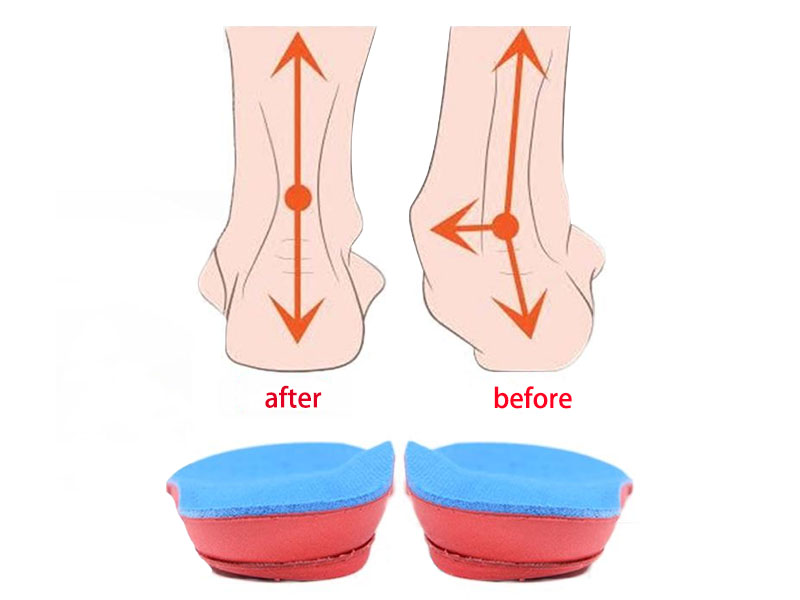
Orthotic insoles are removable inserts designed to improve foot alignment, redistribute pressure, and enhance comfort during walking, standing, or sports. They can be custom‑made by healthcare professionals or mass‑produced as over‑the‑counter (OTC) products for retail and OEM channels. [stcloudfootankle]
For brands, wholesalers, and manufacturers, insole lifespan directly affects product reviews, warranty claims, and customer loyalty, especially in segments like work footwear, outdoor shoes, and athletic lines. When insoles fail too early, customers often blame the entire shoe, not just the insert. [drcomfort]
Based on clinical and footwear industry sources, you can work with these general guidelines: [ilfootclinic]
- Custom orthotics: about 1–3 years with regular use, sometimes up to 5 years under moderate conditions.
- Over‑the‑counter orthotics: around 6–12 months with daily wear.
- Gel or soft foam comfort insoles: roughly 3–6 months, especially under high-impact use such as running.
These ranges assume typical adult users with average body weight and no extreme professional demands like all‑day heavy labor or high‑mileage training. [powerstep]
Two customers can buy the same insole and get very different lifespans. Usage intensity, body weight, gait pattern, and footwear type all change how quickly materials compress or break down. That's why manufacturers should provide *ranges* and clear replacement signals rather than a single fixed promise. [caringpodiatry]
From both clinical and OEM perspectives, it helps to draw a clear line between custom and OTC products. [upstep]
| Type of insole | Typical lifespan | Key materials | User expectations | Replacement guidance |
|---|---|---|---|---|
| Custom orthotics | 1–3 years, sometimes longer with moderate use (caringpodiatry) | Carbon fiber, high‑density plastics, multilayer PU foams (powerstep) | Long‑term support for specific pathologies | Annual check‑up; replace when support or comfort drops (caringpodiatry) |
| OTC orthotics | 6–12 months of daily use (powerstep) | EVA, PU foam, gels, fabric top covers | General support and comfort, price‑sensitive users | Review every 6 months; replace with clear wear signs (powerstep) |
| Soft comfort insoles | 3–6 months, sometimes less under heavy activity (powerstep) | Low‑density foams, gel pods | Cushioning over structure | Replace at first signs of flattening or heel pain |
For OEM buyers, these benchmarks help you align your warranty, product descriptions, and re‑order cycles with realistic performance, reducing friction with end customers.
From a manufacturing standpoint, material selection is the strongest lever you control for insole durability. [stcloudfootankle]
- High‑density EVA or PU foams hold their shape longer than very soft open‑cell foams.
- Carbon fiber or rigid plastic shells in custom orthotics maintain arch support for years, even as top covers wear. [drcomfort]
- Gel components provide excellent shock absorption but may break down faster under heavy impact if not properly encapsulated. [ilfootclinic]
For OEM projects, combining a durable supportive core with a replaceable comfort layer can extend functional lifespan while preserving a soft underfoot feel.
End‑user behavior heavily shapes wear patterns: [powerstep]
- Daily runners or high‑mileage walkers compress foams and gels faster.
- Workers who stand on hard surfaces 8–10 hours a day will typically need new insoles every 4–6 months for optimal comfort. [drcomfort]
- Occasional wear (for travel or weekend sports) can stretch a pair of quality insoles well beyond a year.
Positioning different SKUs for *work*, *sport*, and *casual* use allows you to set realistic replacement expectations and upsell accordingly.
Heavier body weight and biomechanical issues like flat feet or over‑pronation increase loading on each step. This accelerates compression of cushioning layers and can deform lower‑density foams more quickly. [mingder.com]
As an OEM, you can address this by:
- Offering multiple firmness levels for different weight ranges.
- Using more robust structural materials for insoles marketed to industrial or plus‑size segments.
Moisture, heat, and abrasion all shorten insole life. Closed work boots in hot climates produce more sweat and bacterial growth than breathable sneakers worn in mild conditions. [ilfootclinic]
Design choices like antimicrobial fabrics, perforations, and moisture‑wicking top covers can help your insoles stay fresher and last closer to the upper end of the expected lifespan.
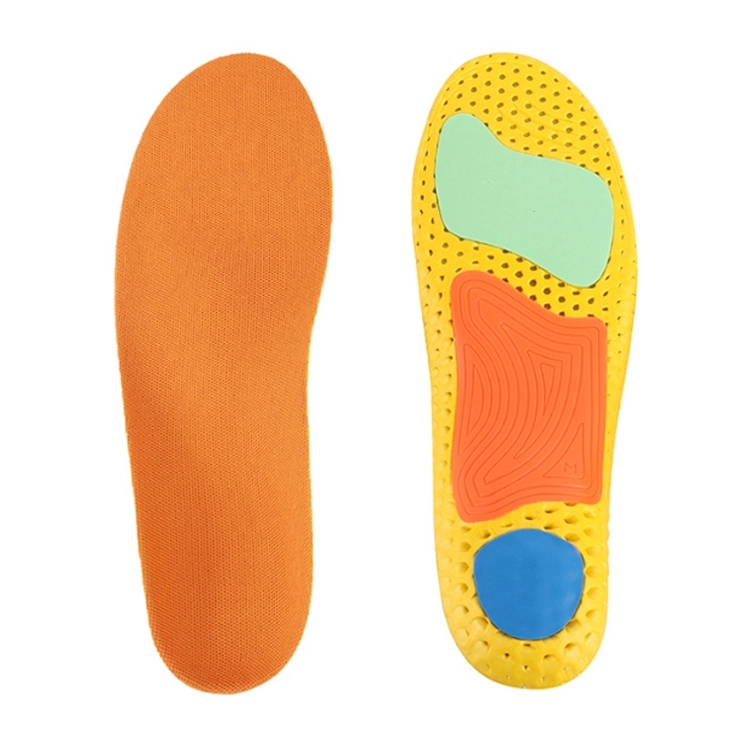
Your customers rarely think in terms of "months of use"; they react to what they *feel* and *see* in their shoes. Clear education here can reduce negative reviews and support requests. [caringpodiatry]
Visual signs of wear
- Cracks or splits in the shell or foam.
- Peeling top covers or exposed base materials.
- Flattened or "bottomed‑out" cushioning, especially under the heel and forefoot.
Comfort and performance signals
- A noticeable drop in comfort compared with when the insoles were new.
- Return of foot or heel pain (for example, plantar fasciitis discomfort) after months of relief. [stcloudfootankle]
- Feeling unstable or "tilted" inside the shoe, as if the arch is no longer supported properly.
Gait and posture clues
- New knee, hip, or lower‑back discomfort during walking or standing. [powerstep]
- Uneven shoe outsole wear patterns, indicating poor weight distribution.
As a manufacturer, you can incorporate simple replacement checklists into packaging, instruction leaflets, or product pages to guide users and generate predictable repeat purchases.
From both podiatry and user‑experience viewpoints, over‑worn insoles are worse than no insoles at all: they create a false sense of support. [caringpodiatry]
Potential consequences include:
- Increased foot, ankle, and heel pain as cushioning and support collapse.
- Higher risk of overuse injuries like plantar fasciitis flare‑ups or shin splints. [stcloudfootankle]
- Postural issues, with misalignment traveling up the kinetic chain to the knees, hips, and lower back. [ilfootclinic]
For brands and OEM partners, this is a powerful reason to communicate replacement intervals clearly in your content and packaging: it protects users and positions your products as part of long‑term foot health, not just short‑term comfort.
Even though insoles are consumables, good care can significantly extend their useful life. You can turn these recommendations into value‑adding content for your product pages and manuals. [drcomfort]
1. Rotate pairs between shoes. Using two pairs on alternate days allows foams to rebound and dry out.
2. Air‑dry after use. Remove insoles from shoes overnight to reduce moisture buildup and odor.
3. Clean gently. Wipe with a damp cloth and mild soap; avoid soaking or using harsh chemicals that can damage adhesives and foams.
4. Avoid direct high heat. Do not place insoles on radiators or in dryers, as this can warp plastic components or shrink fabrics.
5. Inspect every 3–6 months. Suggest customers set a calendar reminder to review their insoles for wear, especially in work or sports footwear. [powerstep]
- Use wash‑resistant fabrics and glues to handle basic cleaning over time.
- Design insoles with durable edges and heel cups where abrasion is highest.
- Offer multi‑pack or subscription options online to simplify timely replacement for loyal customers.
As a leading Chinese insole manufacturer serving international brands, wholesalers, and factories, 3BU Technology approaches insole lifespan not just as a clinical question, but as a product strategy and customer‑experience problem.
From our OEM experience with global clients, three insights consistently stand out:
1. Set clear lifespan expectations in the spec phase. When a brand aims at a 6–12‑month comfort window for everyday wear, we select materials and constructions that realistically deliver that range under typical international usage patterns.
2. Align lifespan with price point and positioning. Premium work or outdoor footwear often justifies a more durable support layer, while fashion or seasonal collections may prioritize softness and lower cost.
3. Build for predictable, not theoretical, performance. Instead of chasing maximum possible lifespan, we target consistent performance within a defined usage window, which results in more satisfied end users and fewer returns.
By combining lab testing, real‑user feedback, and large‑volume manufacturing data, OEM manufacturers like 3BU can help you design insole programs that match your market's expectations in North America, Europe, and beyond. [delante]
To reduce friction for buyers, you can turn the following into a simple infographic or on‑box guide.
1. Check your insoles every 3–6 months. Look for cracks, peeling fabric, and flattened areas.
2. Compare comfort to when they were new. If your feet, heels, or knees hurt more now than in the first weeks of use, it's time to act.
3. Look at your shoe soles. Uneven wear on the heel or forefoot suggests your insoles no longer correct your gait properly.
4. Consider your activity level.
- High‑impact sports or long‑hour standing: plan to replace insoles every 4–6 months.
- Moderate daily walking: aim for 6–12 months.
- Occasional use: inspect yearly and replace when comfort drops.
5. When in doubt, consult a professional. For chronic pain or complex conditions, encourage users to see a podiatrist, especially when moving from OTC to custom solutions. [caringpodiatry]
This practical framework supports your content's trustworthiness and helps customers feel guided, not sold to.
While the original article you referenced focuses on a single brand, an OEM‑oriented approach looks at how to design an entire insole portfolio for lifespan, comfort, and repeat purchases. [firework]
3BU Technology can help international footwear brands and wholesalers by:
- Co‑developing insoles with target lifespan ranges (e.g., 3–6 months for soft comfort, 6–12 months for structured support).
- Advising on material combinations that balance durability, comfort, and cost for different markets.
- Providing white‑label or custom‑branded insoles adapted to work, sports, outdoor, and everyday shoes.
- Supplying consistent OEM quality at scale, backed by testing data, so you can confidently communicate realistic replacement guidance to your customers.
If you are planning your next insole project or want to upgrade an existing line, partnering with a specialist OEM manufacturer ensures your claims about lifespan and performance are backed by engineering, not guesses. [infomedia]
If you are a footwear brand, wholesaler, or manufacturer looking to improve comfort, durability, and customer satisfaction, now is the time to review your insole strategy.
- Audit your current product claims around insole lifespan.
- Identify segments that need more durable or more cushioned solutions.
- Work with an OEM specialist like 3BU Technology to design insoles that match your market's real‑world expectations.
Contact our team to discuss OEM orthotic insole projects, material options, and private‑label solutions tailored to your target markets.
1. How often should customers replace over‑the‑counter orthotic insoles?
Most OTC orthotic insoles should be replaced every 6–12 months with regular daily use, or sooner if there are obvious signs of wear or returning pain. [drcomfort]
2. Do custom orthotics really last longer than standard insoles?
Yes, custom orthotics are usually built with more durable shells and high‑density materials, so they often last 1–3 years, and sometimes longer under moderate use. [upstep]
3. Can heavier users or workers on their feet all day expect shorter insole life?
Heavier body weight and long hours of standing or walking increase loading on the insole, which can compress cushioning and shorten lifespan compared to lighter or less active users. [stcloudfootankle]
4. Is it safe to keep using insoles once they feel flat but not visibly damaged?
If insoles feel flat and no longer provide support or comfort, they are effectively worn out, even if they look intact, and continuing to use them can contribute to pain and overuse injuries. [ilfootclinic]
5. How can brands use insole lifespan information in their marketing?
Brands can turn lifespan guidance into educational content, care tips, and re‑order reminders, positioning themselves as partners in long‑term foot health rather than just selling a one‑time product. [roirevolution]
1. ALINE. "How Long Should Orthotics Insoles Last?" [Original article used as structural and topical reference.] [powerstep]
2. PowerStep. "4 Signs You Should Get New Shoe Inserts." Discusses typical 6–12‑month lifespan for many insoles and wear indicators. [powerstep]
3. Caring Podiatry. "4 Signs It's Time to Replace Your Orthotics." Provides 1–5‑year lifespan range for custom orthotics and replacement signs. [caringpodiatry]
4. St. Cloud Foot & Ankle. "How Long Do Custom Orthotics Last?" Notes average 1–5‑year durability for custom devices with regular use. [stcloudfootankle]
5. Dr. Comfort. "How Long Do Shoe Inserts Last?" Explains lifespan by insert type (gel, foam, orthotic inserts) and activity‑based replacement timing. [drcomfort]
6. IL Foot Clinic. "How Long Do Insoles and Orthotics Really Last?" Covers factors like mileage, weight, and materials affecting lifespan. [ilfootclinic]
7. Upstep. "How long do store‑bought vs. custom orthotics last?" Compares typical durability of custom vs store‑bought orthotics. [upstep]
8. Delante. "How to Do SEO for the Footwear Industry?" Provides SEO guidance specific to footwear brands. [delante]
9. Firework. "Effective Footwear Brands Marketing Strategies." Discusses digital strategies for footwear brands, including product storytelling. [firework]
10. ROI Revolution. "Optimizing Your Site for Google E‑E‑A‑T." Outlines practical ways to improve E‑E‑A‑T signals, including citing sources. [roirevolution]
11. Infomedia. "Rank Better with EEAT: Unique Content Is Key to Blogging." Explores how unique, expert content supports E‑E‑A‑T and user experience. [infomedia]


