
Language
Views: 222 Author: Edvo Publish Time: 2026-01-01 Origin: Site


Content Menu
● Understanding What Insoles Are
● Can Insoles Fit All Types of Shoes?
>> 2. Casual and Everyday Shoes
>> 5. Sandals, Slippers, and High Heels
● How to Choose the Right Insole
● How to Insert Insoles Correctly
● Benefits of Adding Insoles to Shoes
>> 2. Corrected Posture and Alignment
>> 3. Reduced Injury and Fatigue
>> 6. Business Value for Brands
● Mistakes to Avoid When Using Insoles
● Advanced Features in Modern Insoles
● Custom Insoles and OEM Services
● How Insoles Affect Performance and Health
● When to Replace or Upgrade Insoles
● Simple Maintenance Tips for Longer Use
● Environmental and Sustainability Trends in Insole Manufacturing
● FAQ
>> 1. Can you put insoles in tight shoes?
>> 2. Do insoles make shoes smaller?
>> 3. How often should insoles be replaced?
>> 4. Can insoles help with foot pain and fatigue?
>> 5. Are custom insoles worth it?
Foot comfort plays a critical role in your everyday life. Whether you are walking through a busy workday, running on the track, or standing for long periods, the right insole can make an enormous difference. Many people often ask: Can you put shoe insoles in any shoe? The straightforward answer is yes, in most cases—but there are important factors to consider. Insoles are not simply accessories; they are functional tools that improve comfort, posture, and even long-term foot health.
In this detailed guide, we'll explore how insoles fit different kinds of shoes, how to choose the right ones, and what to avoid to ensure optimal comfort and performance. As a leading insole manufacturer providing OEM and ODM services to global clients, we'll also share insights based on years of production and design experience in the footcare industry.
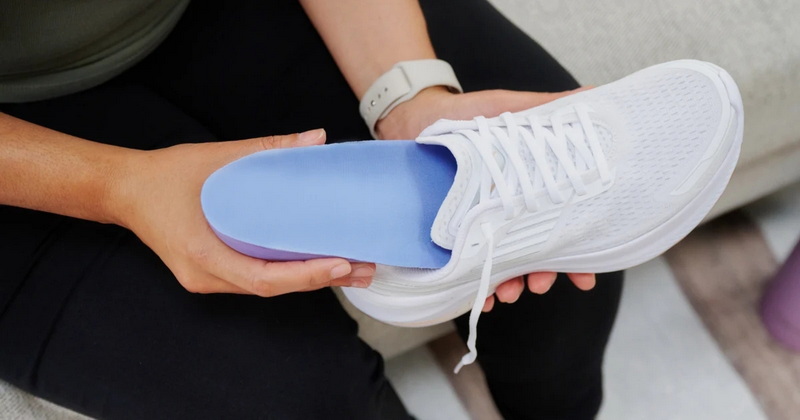
Insoles, also known as footbeds, shoe inserts, or inner soles, are removable layers that fit inside a shoe. Their primary purpose is to provide extra support, cushioning, and correction for your feet. Depending on your needs, insoles can be designed for comfort, protection, or orthopedic function.
- Support: Insoles stabilize the foot arch and distribute body weight evenly.
- Cushioning: They absorb shock and reduce impact on joints and bones.
- Alignment: Proper insoles correct pronation or supination, improving walking posture.
- Fit Adjustment: They can help adjust the shoe's internal volume for a snugger or looser fit.
- Moisture Control: Many insoles wick sweat and improve ventilation for hygiene.
Insoles come in a variety of materials, including foam, gel, EVA, cork, leather, silicone, and polyurethane. Each material type offers different advantages—foam for softness, gel for flexibility, leather for durability, and cork for natural breathability.
While insoles are highly versatile, the fit and performance depend on shoe type, size, and design. Understanding compatibility helps you make the right choice for each situation.
Running shoes, trainers, and hiking boots are designed with removable factory insoles, making them the easiest to customize. Replacing standard insoles with specialized performance ones can enhance energy return, stability, and foot protection. Runners who experience heel or arch pain often benefit from orthotic-grade insoles that maintain foot alignment through long-distance activity.
Everyday sneakers, loafers, and slip-ons generally accommodate most insoles, especially medium-thickness ones. For shoes with tighter builds, a half-length or slim-fit insole works best. Many consumers replace their original insoles after several months for better hygiene, odor control, or improved cushioning.
Dress shoes and leather-formal wear often have limited interior space, which can make thick insoles uncomfortable. However, modern ultra-thin and memory foam insoles can provide discreet comfort without altering the shoe's appearance. Some high-end insoles are designed to complement business footwear aesthetics, balancing support and elegance.
Work boots, safety boots, and industrial footwear typically have deeper heels and sturdier soles. These shoes can easily accommodate heavy-duty insoles that offer shock absorption and heel stabilization. Workers who stand or walk for long hours benefit from insoles that combine cushioning with antimicrobial or anti-fatigue features.
Open shoes are more limited, but targeted insoles such as heel pads, forefoot cushions, and gel stick-ons can enhance comfort. Women's high heels, for example, place high pressure on metatarsals. Adding a thin gel cushion or soft pad can reduce sliding and distribute weight more evenly.
Cycling shoes, ski boots, soccer cleats, or skating shoes require custom-made insoles. These are precision-engineered for narrow interiors and athletic performance. OEM manufacturers often design insoles specifically tailored to such footwear lines, ensuring fit accuracy and consistency.
Choosing an insole involves more than just selecting one that feels soft. It requires understanding your foot shape, walking style, and specific footwear type. Here's how to make an informed decision.
- Flat feet: Require firm arch support to prevent overpronation.
- Neutral arches: Need moderate support and cushioning.
- High arches: Benefit from enhanced shock absorption and contouring.
You can identify your arch type by performing a simple wet footprint test at home. A podiatrist's advice can also help determine the right level of corrective support.
Different situations require different insole designs:
- Comfort insoles for everyday use and walking.
- Orthotic insoles for structural support and medical correction.
- Sport insoles for performance and energy transfer.
- Work insoles for protection and anti-fatigue during long hours.
Each insole material serves distinct purposes:
- Memory foam: Excellent cushioning and step-in comfort.
- EVA foam: Lightweight with strong resilience.
- Gel: Superior shock absorption.
- Leather: Breathable and elegant for formal shoes.
- Cork or bamboo: Natural and eco-friendly with odor resistance.
Before purchase, always remove your shoe's existing insole and test compatibility. The replacement insole should match the outline of the original. If it's too long, trim it carefully at the toe section following the printed guide lines. Shoes that cannot accommodate thick insoles may require low-profile options instead.
Placing an insole properly ensures comfort, durability, and maximum benefit. Follow these key steps:
1. Remove the original insole if it's detachable. Leaving two layers can make the shoe tight.
2. Clean the interior before inserting the new insole to prevent slippage and bacteria.
3. Trim for fit using the old insole as a cutting pattern.
4. Place the insole flat inside, making sure it sits evenly from heel to toe.
5. Test the comfort by standing and walking briefly. Ensure the foot feels stable and doesn't lift out of the shoe.
Regular inspection is also important. If insoles lose their shape or compression, replace them promptly to maintain support and comfort.
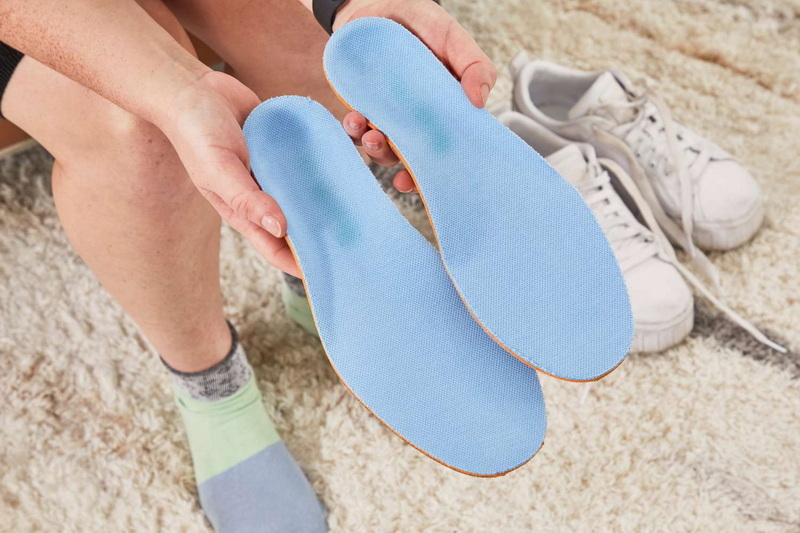
Insoles provide multiple advantages beyond mere comfort. Both individual consumers and businesses recognize how advanced insole design can enhance product quality and customer satisfaction.
Insoles increase step softness, reduce fatigue, and promote healthy movement patterns. For people who spend most of their day standing, comfort insoles can make a dramatic difference.
A well-designed insole helps balance the body's natural alignment, supporting neutral arches and improving back, knee, and hip comfort.
By supporting proper alignment and distributing pressure, insoles reduce the risk of overuse injuries like shin splints, tendonitis, or plantar fasciitis.
Insoles act as an additional protective layer, absorbing shocks that might otherwise wear down shoes faster. They also keep moisture away from lining materials.
Removable insoles are easy to wash or replace, maintaining odor control and freshness. Many are made with antimicrobial materials that resist fungus and bacteria.
OEM insole production allows international brands to customize material density, shape, and cover fabrics. Partnering with a skilled manufacturer ensures quality consistency and reduced development time—essential for companies in global footwear distribution.
Even though insoles are simple devices, using them incorrectly can cause discomfort or reduce effectiveness. Common mistakes include:
- Forcing thick insoles into small or tight shoes.
- Ignoring your actual arch type or foot condition.
- Using generic insoles in performance-oriented shoes.
- Failing to replace worn-out insoles regularly.
- Overlapping new insoles on top of old ones.
The best practice is to periodically check comfort levels and make adjustments as needed.
With growing market demand, insole technology has progressed rapidly. Manufacturers now produce feature-rich insoles that cater to specific consumer expectations.
- Ergonomic 3D contouring: Matches the natural foot shape for precise comfort.
- Breathable mesh layers: Improve ventilation and moisture control.
- Anti-slip textures: Keep the foot stable inside the shoe.
- Temperature regulation: Cooling or heating layers maintain comfort in extreme weather.
- Sustainable materials: Bamboo fiber, recycled EVA, and biodegradable compounds reduce environmental impact.
These innovations open wide opportunities for shoe companies to differentiate their products.
Custom-made insoles represent the future of personalized footwear. Leading Chinese manufacturers have developed advanced design and production systems that allow foreign brands, wholesalers, and shoe factories to create unique insoles perfectly matched to their products.
- Design flexibility: Tailor thickness, hardness, pattern, and branding.
- Consistency and quality control: Precision molding ensures uniform batches.
- Cost efficiency: Scalable production reduces unit costs.
- Customization: Fit specific shoe models or end-user needs.
OEM and ODM cooperation helps international clients launch products with faster turnaround and superior quality. For brands seeking a competitive edge, a partnership with a reliable insole manufacturer provides both innovation and efficiency.
Your choice of insole goes beyond comfort—it affects your entire body's mechanics. Proper insoles promote neutral alignment, preventing the foot from rolling inward (overpronation) or outward (supination). This alignment influences posture, balance, and energy transfer.
In athletic use, supportive insoles improve step efficiency, enhance running gait, and reduce impact stress. For individuals with orthopedic conditions such as heel spurs or flat feet, corrective insoles offer medical-grade alignment assistance, preventing long-term pain.
Furthermore, workplaces with extensive standing or walking demands—such as warehouses, factories, or hospitals—benefit from anti-fatigue insoles. These are engineered to compress slightly under pressure and rebound instantly, maintaining continuous comfort throughout the day.
Even the best insoles wear out over time. Frequent users should inspect their condition every few months. Indicators that it's time for replacement include:
- Visible flattening or cracks.
- Loss of cushioning response.
- Persistent odor.
- Foot discomfort even after rest.
- Uneven wear marks indicating misalignment.
On average, athletic insoles last 6–9 months, while work or casual insoles can last 9–12 months depending on intensity of use and material quality.
Maximize the life of your insoles with these care guidelines:
- Remove insoles after wearing to air-dry and prevent moisture buildup.
- Hand wash occasionally with mild soap and water.
- Avoid machine washing or high heat drying.
- Replace both insoles simultaneously for balanced wear.
- Store extra pairs in a cool, dry environment to preserve elasticity.
Good maintenance enhances both foot hygiene and the lifespan of your footwear investment.
Modern consumers increasingly value sustainability. Eco-friendly insoles made from natural latex, cork, bamboo fiber, or recycled EVA foam are gaining popularity. Manufacturers are adopting cleaner production processes and biodegradable materials to reduce environmental impact.
Chinese insole OEM suppliers, in particular, lead the shift toward green manufacturing. Using sustainable raw materials and waste-reduction engineering, the latest production lines achieve performance comparable to traditional insoles while minimizing carbon footprint—perfect for brands focusing on environmental responsibility.
So, can you put insoles in any shoe? The answer is yes—most shoes can be fitted with the right type of insole, as long as you consider size, function, and intended use. From athletic and work shoes to dress and casual styles, properly matched insoles improve comfort, performance, and posture. Whether you're an individual seeking pain relief or a footwear brand aiming for product differentiation, insoles remain a simple yet powerful upgrade.
For footwear producers, partnering with an experienced OEM insole manufacturer ensures personalized design, consistent quality, and competitive cost. The right insole doesn't just complete a shoe—it enhances every step you take.
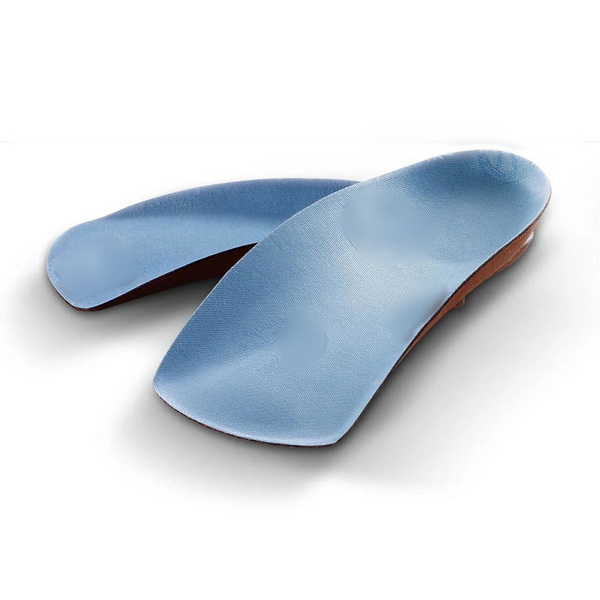
Yes, but choose thinner or low-profile insoles to fit without discomfort. Removing the factory insole can help create additional space.
They can slightly reduce internal space, especially thick ones. Choose appropriate sizing or half insoles for snug shoes.
Every six to twelve months is ideal depending on usage frequency and material wear.
Absolutely. Quality insoles redistribute pressure and support natural arches, reducing foot and joint pain effectively.
Yes, particularly for chronic foot pain or performance footwear. Custom options guarantee fit precision and long-term comfort.


