
Views: 222 Author: Edvo Publish Time: 2025-12-13 Origin: Site


Content Menu
● Insoles and Orthotics Explained
● What Happens When You Stack Layers
● When You Should Avoid Putting Insoles on Top
● When a Thin Insole on Top Can Work
● Why Fit and Shoe Volume Matter
● The Role of Original Shoe Liners
● Better Alternatives to Stacking
● Practical Self Check for Users
● How Professionals Approach the Question
● OEM Design Ideas for Brands and Wholesalers
● How a Chinese OEM Insole Factory Can Support You
● Application Scenarios in Different Footwear Categories
● Break In and Comfort Management
● Key Takeaways for Different Users
● FAQ
>> 1. Is it safe to put an insole on top of an orthotic?
>> 2. Should the original shoe liner be removed when using orthotics?
>> 3. Can I use a thin forefoot cushion with my orthotics?
>> 4. Do I need special shoes for orthotics?
>> 5. How can brands design insoles that work well with orthotics?
Wearing an extra orthotic insole on top of an orthotic is sometimes possible, but it must be handled very carefully to avoid crowding the shoe, losing stability, and reducing the corrective effect of the orthotic. In many everyday situations, podiatrists and footwear specialists recommend that a full length orthotic sits directly on the shoe base or on a thin, flat liner instead of being covered by a thick comfort insole.
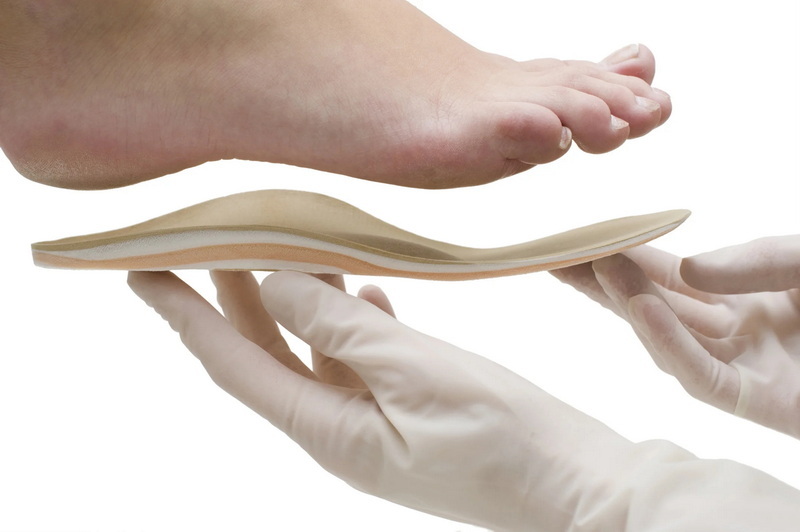
Insoles are removable inserts designed mainly to improve comfort, cushioning, fit, and light support inside footwear. They help spread pressure more evenly, reduce impact, and make shoes feel softer or more supportive during walking, running, or standing over long periods.
Orthotics are more structured devices designed to guide alignment, correct or compensate for biomechanical problems, and support specific medical conditions such as overpronation, flat feet, or plantar fasciitis. Custom devices are usually made to match the shape of the foot and are generally intended to replace the original shoe liner, not to be stacked under a thick comfort insole.
When an insole is placed on top of an orthotic, the combined thickness raises the foot higher in the shoe and reduces internal space. This can cause the heel to slip, the toes to rub against the front, and straps or laces to feel overly tight on the instep.
Extra layers can also reduce the stability of the orthotic because the device is no longer sitting directly on a firm base. If the top insole is soft or uneven, the orthotic can rock slightly inside the shoe, which may reduce its corrective power and sometimes increase pain instead of relief.
There are many situations where placing a comfort insole over an orthotic is not recommended. If the shoe already feels snug in length, width, or depth, stacking a second insert will usually make the fit worse, not better. If the orthotic is full length and designed to replace the factory liner, covering it with another insole tends to interfere with its shape and function.
Stacking is also risky when there is a history of pressure points, blisters, or nail problems caused by lack of space in the toe box. In addition, when the prescribing clinician has given clear instructions about how the device should sit in the shoe, changing the setup with extra layers can undermine the original treatment plan.
There are limited situations where a very thin top layer over an orthotic can be acceptable. For example, when the shoe has generous internal volume and removable liners, it may leave enough space for an extra slim cover without crowding the foot.
In some cases, the upper insole is extremely thin and used mainly as a smooth cover or moisture control layer on top of a rigid shell. A clinician may also recommend a specific top cover in combination with a particular orthotic and shoe model. In all these cases, the added layer should be as thin and compressible as possible so that the heel remains stable and the arch contour of the orthotic is not distorted.
Shoe volume is one of the most important factors when deciding whether to add an extra insole on top of an orthotic. Shoes with deep interiors, removable liners, and a more relaxed upper design can often accept a supportive device without making the wearer feel cramped.
Shallow or fashion focused footwear, on the other hand, often lacks the space needed for even a single thick insole. In such shoes, stacking layers nearly always causes rubbing, slipping, or deformation of the orthotic, which defeats the purpose of using a corrective device in the first place.
Most casual and athletic shoes come with a removable factory liner that provides basic cushioning and shape. When a full length orthotic is prescribed, the standard approach is to remove this original liner so the device can lie flat on the shoe's footbed.
Taking out the liner creates extra depth inside the shoe and prevents the foot from being pushed too high. This helps maintain good heel stability, better ankle alignment, and a more secure connection between the orthotic and the shoe, which are all essential for effective support.
Instead of placing a comfort insole on top of an orthotic, there are several alternatives that usually deliver better results. One option is to upgrade to an orthotic design that includes an integrated cushioned top cover and forefoot padding, combining support and comfort in a single device.
Another option is to switch to footwear with deeper interiors and removable liners so that a full length orthotic can be used alone without feeling hard underfoot. For people who only need extra cushioning under the front of the foot, a thin forefoot pad in front of a shorter orthotic can sometimes be enough, as long as it does not create a step or ridge that irritates the toes.
Anyone considering stacking insoles over orthotics can perform a simple self check at home. First, insert the orthotic into the shoe with the factory liner removed and stand up fully with weight on both feet. Check whether the toes touch the front, whether the upper presses uncomfortably on the top of the foot, and whether the heel feels stable in the heel counter.
Next, try walking on a firm surface and pay attention to whether the orthotic feels flat and secure or whether it moves and tilts. If the fit already feels tight or unstable at this stage, adding another insole on top will only exaggerate the problem. If the fit is comfortable but a little firm, the better solution is usually a different orthotic design or a shoe with more built in cushioning, not an extra full length insole.
Foot health professionals typically look at three key elements before they answer any question about stacking: the foot, the orthotic, and the shoe. They evaluate how much correction the foot needs, how thick and rigid the device is, and how much volume the chosen footwear offers.
If a shoe has plenty of room and the device is thin, a professional might allow a very slim top cover for comfort. If the device is already thick or the shoe is shallow, the advice is almost always to use the orthotic alone, possibly in a different pair of shoes that better match the treatment goals.
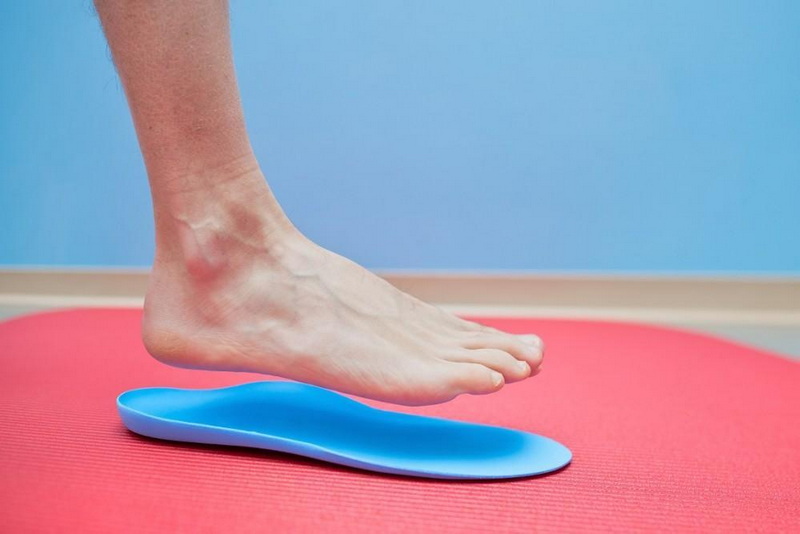
For international brands and wholesalers working with an insole manufacturer, there is a real opportunity to design footwear systems that naturally cooperate with orthotics instead of forcing users to experiment with multiple layers. One common approach is to design shoes with removable comfort liners that can be taken out completely when a custom device is used.
Another strategy is to create orthotic ready models with slightly deeper interiors, stable heel counters, and neutral midsoles. These designs make it easier for medical devices to sit flat and function correctly. In addition, brands can offer their own replacement insoles for everyday use, clearly labeling which models are ideal for wearers who do not use orthotics and which shoes are better for those who do.
A specialized insole factory in China can help overseas brands, wholesalers, and producers engineer comfort liners that work smoothly with orthotics. This includes designing liners in different thickness levels, shapes, and densities that match each last and target market.
Such a factory can also develop modular insole systems, where a base layer provides structure and optional top layers add cushioning or moisture management. These modular systems can be removed easily when a customer needs to use a medical device, avoiding the need for unsafe stacking inside the shoe.
In running and training shoes, the main goal is to balance shock absorption, support, and stability, so many pairs are built with removable liners and enough depth for orthotics. In this category, brands usually recommend that the orthotic replaces the original liner, not that it sits under another comfort insole.
In work boots and safety footwear, wearers often stand for long hours on hard surfaces. Here, combining strong arch support, heel stability, and durable cushioning is critical. Instead of stacking different full insoles, a better solution is a single well designed insole set created in cooperation with an OEM, along with clear instructions on how users should handle orthotics in each model.
In lifestyle and fashion shoes, space is often limited, and the construction may not be friendly to thick orthotics. For these models, slim comfort insoles or partial footbeds are usually the best option for general customers, while people who need serious correction may require a different type of footwear altogether.
Even when an orthotic is used correctly without extra insoles on top, a short break in period is common. Users are often encouraged to wear the device for limited time at first and gradually increase wearing time as the body adapts.
During this phase, some people are tempted to add a thick comfort insole over the orthotic to make it feel softer. However, this usually creates the same fit and stability problems already discussed. A more effective approach is gradual adaptation, correct shoe choice, and, when necessary, a small adjustment to the orthotic itself rather than doubling up on layers.
For everyday consumers, the main message is that stacking full insoles over orthotics is rarely necessary and often causes more problems than it solves. Using one well matched device in a well fitting shoe is a safer and more reliable way to improve comfort and support.
For clinicians, clear communication about whether the original liner should be removed, what type of shoe is required, and whether any extra top cover is acceptable can help patients avoid trial and error. For brands and wholesalers, cooperation with an experienced insole manufacturer can turn these technical considerations into clear product features and marketing messages that build trust with end users.
Putting insoles on top of orthotics is seldom the best long term solution, because the extra thickness often pushes the foot too high, crowds the toes, and undermines the stability and corrective function of the device. In most situations, full length orthotics are meant to replace the original shoe liner and should sit directly on the footbed or on a very thin cover, with any extra cushioning added only when space and professional guidance allow it.
End users should pay close attention to shoe depth, fit, and stability, avoiding thick stacked layers unless a health professional has recommended a specific, slim top cover. Brands and wholesalers can gain a strong advantage by working with a skilled OEM insole manufacturer to design orthotic friendly footwear systems, giving customers both comfort and medical compatibility without forcing them to build unsafe combinations inside their shoes.
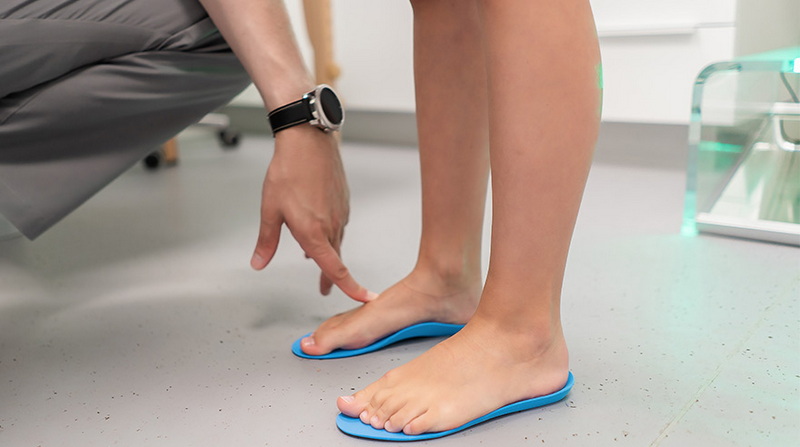
In many cases it is not recommended, because the added thickness can make shoes too tight, lift the heel out of the heel counter, and reduce the stability and effectiveness of the orthotic. Only a very thin, carefully chosen top layer in a spacious shoe should be considered, and preferably under professional advice.
For a full length orthotic or orthotic insole, the original shoe liner is usually removed so that the device can sit flat on the shoe base and work as intended. This improves support, alignment, and comfort by keeping the heel stable and preserving the designed arch and contour of the device.
A thin forefoot cushion in front of a shorter orthotic can sometimes be acceptable if there is enough space in the shoe and the heel remains stable. The extra piece should not create a step or ridge that irritates the toes, and it should not push the foot upward enough to cause rubbing or slipping.
Orthotics often work best in shoes with removable liners, adequate depth, firm heel counters, and relatively neutral midsoles. Athletic, walking, and many work shoes are commonly designed this way, whereas very shallow or tight fashion shoes may not accommodate devices safely without causing discomfort or losing corrective effect.
Brands can cooperate with OEM insole manufacturers to create removable comfort liners, orthotic ready shoe interiors, and modular layer systems that add cushioning without disturbing the shape of medical devices. By focusing on depth, heel stability, and ease of liner removal, brands make it easier for customers and clinicians to achieve a secure and effective fit.


