
Language
Views: 222 Author: Edvo Publish Time: 2026-01-10 Origin: Site


Content Menu
● Understanding the Purpose of Insoles
● Can You Put Two Insoles in Shoes?
● When You Should Avoid Double Insoles
● Key Factors to Consider Before Doubling Insoles
>> Shoe Depth
>> Foot Type and Activity Level
● How to Double Insoles Correctly
● Expert Insights from an OEM Insole Manufacturer
● Benefits of Using Two Insoles
>> Perfect Fit for Loose Shoes
>> Posture and Alignment Improvement
● Disadvantages of Double Insoles
● Alternatives to Double Insoles
● How to Maintain Shoes with Two Insoles
● Materials That Work Best for Layering
● Industry Use Cases for Double Insoles
● Testing Comfort Before Daily Use
● Designing Shoes for Dual-Insole Support
● Who Benefits Most from Double Insoles
● FAQ
>> 1. How many insoles should you wear in one shoe?
>> 2. Can adding two insoles harm your feet?
>> 3. Are double insoles suitable for athletes?
>> 4. Can I use insoles from different brands together?
>> 5. What's the best material for layering insoles?
For many people, finding the right pair of shoes is only half the battle—ensuring that they feel comfortable and supportive throughout the day is the real challenge. Insoles, often called footbeds or liners, play a major role in this equation. But sometimes, a single insert doesn't do the job, leading people to wonder: Can you put two insoles in shoes?
This comprehensive guide explores everything you need to know about using double shoe insoles—from how they can improve your comfort to potential drawbacks and practical fitting advice. Whether you are an individual looking for more cushioning or a footwear brand interested in customizing products with modular insole systems, this article will help you understand when doubling insoles works and when it doesn't.
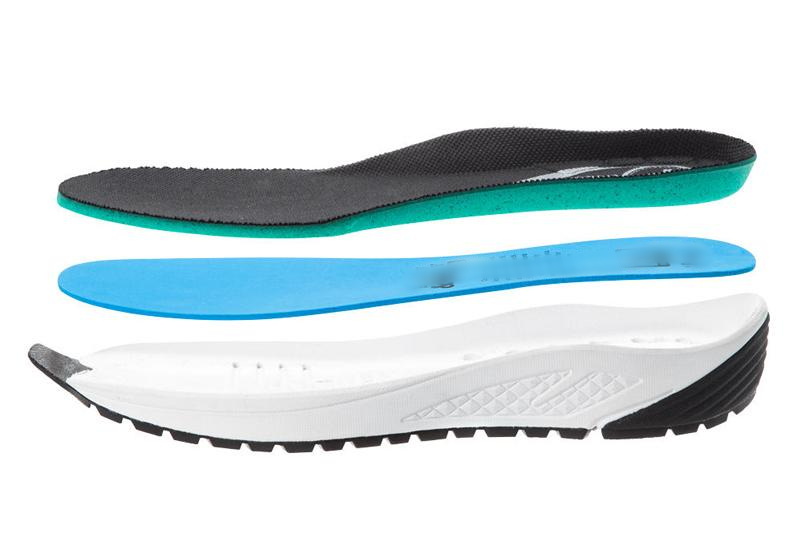
Insoles are removable inserts placed inside shoes to enhance comfort, correct foot alignment, and reduce stress on joints and muscles. They provide cushioning, improve balance, and can even reduce fatigue caused by long hours of walking, standing, or exercising.
Common types of insoles include:
- Cushioning insoles that absorb impact during movement and alleviate pressure.
- Support insoles designed to provide stability for the arch and heel.
- Orthotic insoles that correct foot structure problems or help manage medical conditions.
- Performance insoles created for athletes to optimize posture and agility.
- Special-purpose insoles such as odor-control, heat-insulating, or moisture-wicking versions.
Each type is engineered for a different purpose, but many people find one insole is not enough to achieve their desired level of comfort or support. This often leads to experimentation with double insoles.
Yes, you can put two insoles in shoes, but not all combinations are equally effective or comfortable. Doubling insoles may help fill extra space, cushion the feet more deeply, or fine-tune balance and alignment. However, this approach must be done correctly to avoid discomfort or injury.
The effectiveness of double insoles depends on three factors:
1. Your shoe size and design – Some shoes have enough depth to accommodate additional layering; others don't.
2. The type of insoles used – Thin cushion insoles pair better with supportive ones than two thick foam inserts.
3. Your intended use – Wearing two insoles for short-term support or winter insulation differs from using them daily for work or sports.
Understanding these factors helps determine whether layering insoles is an ideal practice for your specific shoes or lifestyle.
The reason behind using double insoles often relates to personal comfort or shoe fit issues. Here are the main motivations:
- Shoe Fit Adjustment: Many people have shoes that feel slightly loose due to manufacturing tolerances, half sizes, or natural stretching. Adding a thin insole below the existing one can make them fit perfectly without the need for a new pair.
- Enhanced Cushioning: Workers, nurses, and athletes often experience prolonged impact on their feet. A second insole can add extra softness, cushioning each step and reducing fatigue.
- Foot Pain Relief: Individuals struggling with plantar fasciitis, flat feet, or heel spurs may find that extra padding relieves pressure on affected areas.
- Temperature Regulation: A double layer helps insulate the feet during winter while maintaining flexibility and comfort.
- Posture Correction Experiments: Some users add an additional insert to gradually adjust elevation or angle, helping the body adapt to better alignment.
These practical reasons show that doubling insoles isn't just a random choice—it can address real needs when used correctly.
Despite potential benefits, double insoles are not suitable for every scenario. Using them incorrectly can lead to foot discomfort or even long-term problems. Avoid double insoles if any of the following apply:
- Your shoes already feel snug or small.
- You notice reduced circulation, tingling, or numbness when walking.
- The insoles shift, curl, or move inside your shoe during steps.
- The shoe materials start bulging or deforming.
- You experience altered posture or imbalance after layering.
For best results, always prioritize comfort and fit over the number of layers. When in doubt, replace one insole with a customized solution rather than stacking two generic ones.
If you're thinking about doubling insoles, it's worth considering a few technical aspects that affect safety and performance.
Each shoe has a limited internal cavity. Once it's filled beyond its design capacity, your toes may press against the upper part, causing friction or discomfort. Always check if your shoes can accommodate the added thickness.
Insoles made from EVA, PU gel, or memory foam compress differently under weight. A stiff base paired with a softer top can provide stability without losing cushioning, while using two soft foam insoles may cause instability.
People with flat feet or high arches often need structural support rather than depth padding. Doubling soft insoles might reduce overall control. Similarly, high-impact activities like running require steady balance, and double insoles can interfere with motion control design.
Two insoles can reduce airflow inside shoes, trapping moisture and increasing odor or bacterial growth. You may need breathable materials or removable covers for better hygiene.
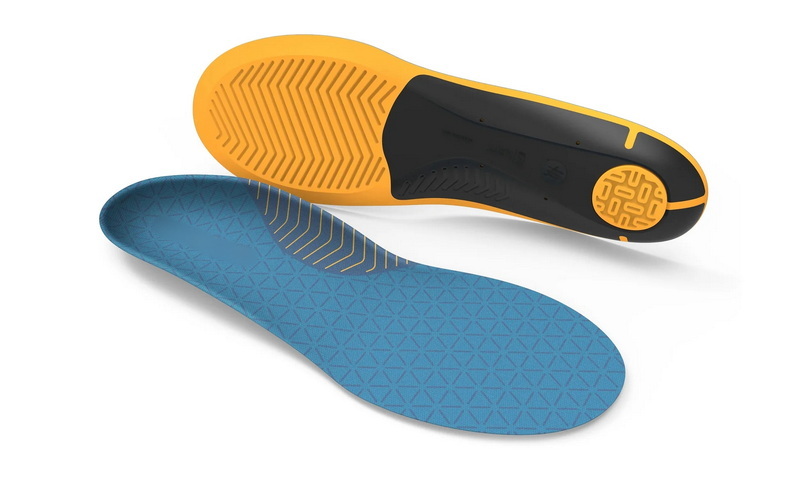
If you decide to proceed with two insoles, proper installation and testing are essential. Here's a practical method used by footwear experts and manufacturers:
1. Remove the original insole if possible to avoid excess thickness.
2. Clean the shoe interior so both layers sit flat and stable.
3. Place the thinner or flatter insole first, serving as a stabilizing base.
4. Position the second insole—usually the one providing support or cushioning—on top.
5. Try on the shoes and walk naturally for several minutes indoors.
6. Adjust or trim the lower insole edges to prevent bunching or shifting.
This technique helps maintain balance while allowing you to test comfort before committing to long-term use.
As one of China's leading OEM insole manufacturers supplying global footwear brands and distributors, we have spent years researching materials, ergonomics, and structural optimization. Our experience shows that consumers' comfort demands are continuously evolving, which is why modular or layered insole systems are becoming a practical trend.
Here are professional recommendations for footwear brands or private label partners:
- Offer dual-layer options where one removable pad assists seasonal comfort adjustments.
- Combine EVA and PU materials for a balance between elasticity and durability.
- Design anti-slip bases to prevent movement when stacked.
- Run compression tests to maintain shape recovery and prevent fatigue from long-term use.
- Educate customers through product packaging and user guides about how to layer insoles safely.
Approaching double insole solutions with structural testing and clear instructions ensures users enjoy the benefits without sacrificing functionality.
When applied thoughtfully, double insoles can deliver several advantages that improve both comfort and performance.
For people with sensitive feet, the extra shock absorption helps reduce pain from high-impact activities or long hours of standing.
Instead of buying new shoes, adding a thin secondary insole can fill gaps and provide stability, especially for leather or safety footwear that loosens over time.
During cold seasons, an additional insole traps warmth, helping regulate foot temperature without bulky socks.
Layering insoles can protect the shoe's inner sole from wear and tear, maintaining its original support for a longer period.
In certain cases, two insoles can create balanced elevation, correcting mild leg or joint misalignment over time.
To make an informed choice, it's equally important to understand possible downsides.
- Reduced space can cause tightness or blisters.
- Less air circulation may lead to excessive sweating.
- Altered balance can strain ankles or knees.
- Material compression might cause uneven wear over months.
- Added weight may affect athletic performance in running shoes.
If any of these effects occur, re-evaluate your shoe size or switch to a professionally designed single insole with dual-density technology.
You don't always need to use two insoles to fix comfort or fit problems. Consider these alternatives:
- Upgrading to custom orthotics: These are molded to your unique foot shape and provide long-term support.
- Using heel pads or toe fillers: Ideal for shoes slightly longer in one direction.
- Trying thicker socks: A simple way to enhance snugness for casual shoes.
- Replacing worn-out insoles: Old insoles often flatten over time and lose cushioning.
- Insole shims or adjustable inserts: These targeted solutions allow fine-tuning fit without layering full insoles.
These alternatives often provide equal or greater improvement with fewer risks than doubling.
If you decide to keep using two insoles, maintaining hygiene and structure is vital.
- Remove insoles regularly to air them out after use.
- Inspect for compression marks indicating uneven wear.
- Clean gently with mild soap and dry completely before reusing.
- Avoid moisture buildup by rotating shoes or using moisture-absorbing powders.
- Replace layers periodically—even the best materials compress over time.
Proper maintenance ensures your shoes remain comfortable and odor-free even with extra inserts.
Not all materials complement each other when combined. Based on laboratory testing and end-user feedback, here are optimal pairings:
- EVA foam + PU gel – Provides lightweight flexibility with responsive shock absorption.
- Memory foam + rubber base – Delivers softness with steady grip and resilience.
- Poron + breathable mesh – Maintains cushioning while allowing airflow.
- Felt + latex layers – Enhances insulation for winter boots.
Choosing complementary materials improves performance while reducing unwanted bulk or stiffness.
Many footwear brands now integrate adjustable systems inspired by the layering concept. Here are examples of practical uses:
- Outdoor and hiking boots: Feature removable comfort liners on top of molded support bases.
- Work and safety footwear: Often include shock-absorbing insoles with replaceable comfort padding.
- Medical and rehabilitation shoes: Allow space for orthopedic insoles or extra heel support pads.
- Luxury footwear: Uses cushioning undersoles that can be swapped for size adjustments.
From a manufacturing standpoint, designing shoes with added depth or modular layers increases customer satisfaction and extends usage scenarios.
Before committing to daily wear with two insoles, it's essential to perform a short testing period. Walk indoors for at least 30 minutes, paying attention to pressure points, toe space, and flexibility. If your foot feels stable and well-balanced, continue wearing them for a full day and reassess afterward.
If pain or tightness develops, remove one insole and note the difference. Sometimes, trim adjustments or replacing just one layer with a thinner material can fix the issue.
Many modern shoe brands collaborate with OEM manufacturers to develop footwear intentionally built for interchangeable insoles. For these designs, the inner volume and heel height are calibrated to ensure balance even when two inserts are combined.
Successful models share these characteristics:
- Deep heel cups to secure fit.
- Rigid base layer for stability.
- Replaceable top insole for customization.
- Sufficient ventilation to counter added layers.
By integrating these structural considerations during production, manufacturers can meet both commercial and user demands—especially for brands catering to multiple footwear markets worldwide.
Double insoles can be a practical solution for certain groups of users:
- People with low arches needing both shock absorption and contour support.
- Workers on hard surfaces such as factory floors or hospitals.
- Outdoor enthusiasts seeking better insulation and secure fitting.
- Elderly users desiring combined comfort and stability.
- Fashion-conscious consumers who purchase shoes slightly larger for style but still need snug wear.
Understanding each user's lifestyle helps determine whether double insoles can truly enhance performance.
So, can you put two insoles in shoes? Absolutely—but success depends on balance, material choice, and shoe design. Double insoles can improve comfort, adjust fit, and enhance insulation, but only when properly combined and tested. Overcrowding shoes or stacking thick padding can cause harm instead of relief.
For most users, it's not about adding more—it's about adding the right combination. Choose high-quality insoles from reliable OEM manufacturers who understand material structure, foot ergonomics, and durability. Whether for personal comfort or commercial product development, the right insole design transforms footwear into supportive partners for daily life.
As a professional insole manufacturer in China, we specialize in helping global brands design layered, custom-fit solutions that blend comfort, technology, and craftsmanship. Investing in smart insole structures today will ensure every customer truly steps into comfort tomorrow.
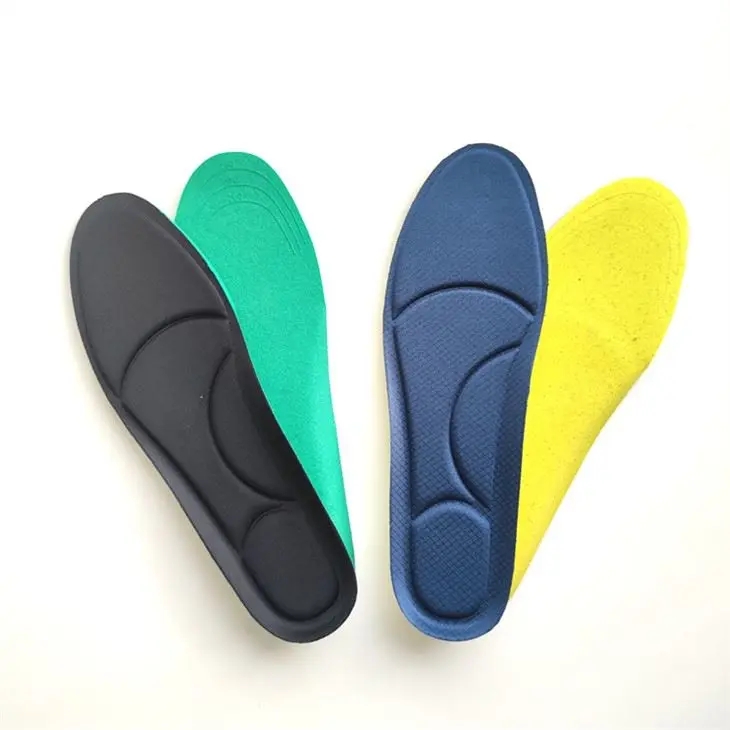
Usually, one insole is ideal. However, a second can be added when shoes are too spacious or extra cushioning is needed. Always test comfort before committing.
Yes, if the extra layer makes your shoes too tight. It can restrict circulation or change your gait. Proper sizing and material pairing help prevent these issues.
Not typically. Most sports shoes already integrate advanced cushioning systems. Adding another insole may interfere with stability or motion control.
Yes, combining different materials can work well as long as thickness and support levels are compatible. One should be a flat base, and the other should provide structure.
EVA and PU gel combinations offer the best mix of comfort, flexibility, and shock resistance without adding unnecessary bulk.


