
Language
Views: 222 Author: Edvo Publish Time: 2026-01-10 Origin: Site


Content Menu
● Understanding How Insoles Work
● When It's Appropriate to Use Insoles to Make Shoes Smaller
● Types of Insoles That Help Reduce Shoe Size
>> Foam Insoles
>> Gel Insoles
>> Cork Insoles
● How Much Smaller Can Insoles Make Shoes?
● Combining Insoles with Other Fitting Accessories
● Choosing the Right Insole for Comfort and Fit
● Benefits of Using Insoles to Adjust Shoe Size
● Proper Steps to Install Insoles
● Maintaining and Cleaning Insoles
● Additional Tips to Make Shoes Fit Better
● Who Can Benefit Most from Wearing Insoles?
● Can Using Insoles Prevent Foot Pain?
● FAQ
>> 1. How many sizes smaller can insoles make shoes?
>> 2. Can I layer two insoles at once?
>> 3. Are insoles good for all types of shoes?
>> 4. How often should I replace insoles?
>> 5. Do insoles work in high heels?
Finding the perfect-fitting shoe can often feel like a challenge. Even when you purchase your regular size, sometimes the shoes end up being slightly too loose or spacious. Whether you're dealing with new sneakers that stretch over time, leather shoes that relax after wear, or boots that just don't hug your feet snugly, a minor size mismatch can affect both comfort and performance.
This is where insoles come in. Many people wonder if adding an insole can actually make their shoes smaller. The answer is yes — with the right type and thickness, shoe insoles can effectively reduce extra space in your shoe, improve support, and enhance your walking experience.
In this comprehensive guide, we'll explore how insoles work to make shoes smaller, which materials are best, practical fitting strategies, and the added health benefits of using them properly.
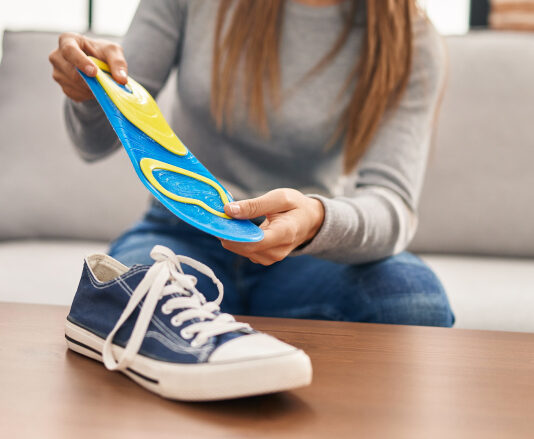
Insoles are removable inserts designed to fit inside your shoes. They act as a cushion between your feet and the shoe's interior, providing extra support, improved alignment, and better shock absorption. By increasing internal volume, insoles fill vacant areas inside the shoe, making it fit more snugly.
The thickness, material, and shape of insoles determine how much smaller your shoe will feel. For example, a thick wool insole can make a shoe half to a full size smaller, whereas a leather one may only reduce the fit slightly but improve grip.
By evenly distributing pressure, insoles can also prevent blisters, reduce fatigue, and provide better stability, particularly when walking long distances or standing for extended periods.
Insoles work best when your shoes are just a little too large—typically by half a size or less. Here are situations where using insoles is recommended:
- If your heel slips out while walking.
- When your toes slide forward and hit the toe box.
- If your shoes stretch over time and feel roomier than before.
- When you experience lack of stability or uneven pressure points.
- If you prefer additional cushioning and arch support.
However, if the shoes are one or more sizes too big, insoles alone may not be enough. In that case, pairing them with heel grips or tongue pads can make a bigger difference. Professional shoe alteration is another solution for high-quality leather or designer footwear.
There's no universal insole that fits every purpose. To get the most effective result, it's important to choose an insole that matches both your shoe type and your needs. Below are several common types and how they work in making shoes smaller.
Foam insoles are lightweight, flexible, and ideal for mild size adjustments. They compress comfortably and offer good cushioning under the entire foot. Foam products are perfect for sneakers, running shoes, and daily wear footwear. Although they may wear out quicker than denser materials, they're affordable and easily replaceable.
Gel insoles provide superior cushioning and shock absorption. The gel substance conforms to your foot and reduces impact, which helps secure a snug fit. These insoles work especially well for running shoes and athletic footwear where you need both comfort and performance. However, gel insoles tend to be heavier and slightly thicker, so they can change how your shoes feel initially.
Leather insoles are popular in dress shoes and work boots. They offer durability, breathability, and moisture absorption. While leather isn't very thick, it adds firmness underfoot and prevents slippage, subtly improving fit without sacrificing style. They are also a great choice when you want shoes to appear more refined from the inside.
Cork insoles mold naturally to your feet over time, adapting to your unique shape. Their density makes them excellent for filling extra space in shoes without feeling too soft. Besides being eco-friendly and long-lasting, cork insoles are ideal for boots and hiking shoes because they provide both structure and comfort.
Wool and felt insoles are thicker and provide the most significant size reduction. They're perfect for cold weather shoes or winter boots, offering insulation and warmth. These insoles effectively minimize movement inside the shoe while enhancing comfort during extended wear.
The extent of size reduction depends on the insole's thickness and shoe type. On average:
- Thin leather or foam insole: up to half a size smaller.
- Thick gel or felt insole: up to one full size smaller.
- Layered combination insoles: sometimes over one size smaller (not recommended for tight shoes).
The shoe's design also plays a role. Flexible shoes like sneakers adapt more easily, while rigid leather shoes leave less room for modification.
If you need a tighter fit in only one area—like the heel or toe box—you can combine insoles with targeted accessories such as heel grips or toe cushions for fine-tuning.
Sometimes, a single insole may not entirely fix shoe looseness. Combining it with other fitting aids offers precision and additional comfort.
- Heel liners: Soft pads placed at the back of the shoe to prevent slipping and blistering.
- Tongue pads: Small foam pieces that fill space on top of the instep, improving fit.
- Toe inserts: Cushions that stop your foot from sliding forward, creating a balanced fit.
- Ball-of-foot pads: Thin inserts that relieve pressure on the front part of your foot while reducing movement.
By strategically combining these accessories, you can achieve a perfect, customized fit for nearly any shoe type.
When selecting insoles to tighten your shoes, keep these factors in mind:
1. Foot Arch Type: Choose insoles that match your natural arch—flat, medium, or high—to prevent discomfort.
2. Material Thickness: Determine how much you need to downsize and select accordingly.
3. Breathability: Leather, cork, and mesh designs help prevent perspiration and odors.
4. Support vs. Cushioning: Some insoles focus on structural support, while others emphasize softness. Balance both depending on your lifestyle.
5. Durability: High-density materials retain shape longer, making them ideal for everyday use.
Wearing insoles that match your foot shape, daily activities, and shoe design ensures that comfort and fit go hand-in-hand.
Adding insoles doesn't just make your shoes smaller—it enhances your overall foot health and posture. Below are the main advantages:
- Improved comfort: Extra cushioning minimizes stress on joints and heels.
- Better posture and balance: Supportive insoles align your spine and hips during movement.
- Reduced friction: Prevents blisters, calluses, and foot fatigue.
- Versatility: Can be used interchangeably in multiple shoes.
- Durability and value: Extend the lifespan of shoes by preventing stretching and wear.
Whether you're walking, working, or exercising, well-chosen insoles can significantly improve both comfort and confidence.
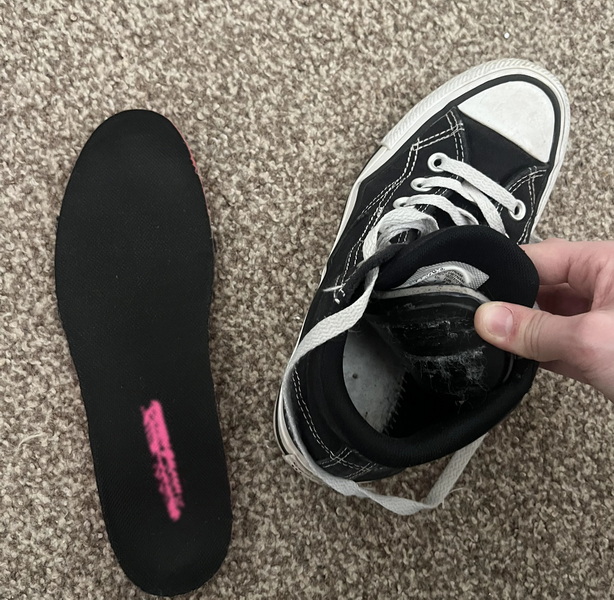
Despite their benefits, incorrect use of insoles can cause more harm than good. Be mindful of these common errors:
- Choosing insoles that are too thick, which can cause discomfort or toe compression.
- Using insoles that don't match your arch height or shoe type.
- Overlapping insoles without considering breathability or proper placement.
- Ignoring insole maintenance or failing to replace them regularly.
Regularly inspect your insoles for signs of wear such as flattening, cracks, or persistent odor. Replacing them every 6–12 months ensures continuous comfort and hygiene.
Applying your insoles correctly will maximize comfort and function. Here's how:
1. Remove the current insole from your shoes if they're removable.
2. Align your new insoles using the old one as a size reference before trimming.
3. Trim along the guideline slowly and check fit before finalizing.
4. Place them flat inside the shoe and check for wrinkles or uneven surfaces.
5. Walk around for a few minutes to confirm stability and comfort.
Adjust them as necessary until your feet feel balanced. A precise installation guarantees better weight distribution and enhanced performance.
Taking proper care of your insoles is crucial for hygiene and durability. Follow these simple tips:
- Remove insoles regularly to let them air out overnight.
- Hand wash gently using mild soap and water; allow to dry naturally.
- Avoid direct sunlight or heaters during drying to prevent distortion.
- Replace insoles once they lose elasticity or cushioning.
Well-maintained insoles not only extend shoe longevity but also help maintain a clean environment for your feet.
Besides using insoles, there are several other techniques to fine-tune shoe size:
- Wear thicker socks — ideal for boots or sneakers that feel slightly big.
- Try heel grips — if your heels slide, they provide an instant snug fit.
- Use shoe tongue pads — they fill upper space for high instep shoes.
- Visit a cobbler — professionals can adjust shoe lining or padding permanently.
Combining these practical solutions with insoles ensures complete comfort and stability in any situation.
Almost everyone can benefit from properly fitted insoles, but they are especially useful for:
- Workers who stand all day: Added cushioning reduces fatigue and back strain.
- Athletes and runners: Insoles enhance absorption and balance during performance.
- People with foot conditions: Help alleviate discomfort from flat feet, plantar fasciitis, or overpronation.
- Travelers: Offer comfort for long walks, sightseeing, or airport commuting.
Regardless of your lifestyle, insoles are a small accessory that can make a big impact on comfort and mobility.
Yes. Insoles help stabilize your feet and correct improper alignment, distributing pressure evenly with every step. This reduces stress on key areas such as the arches, heels, and toes. Over time, consistent use can even correct posture-related discomfort.
However, not all foot pain stems from poor shoe fit. Chronic or sharp pain may indicate a medical condition requiring professional diagnosis. Insoles can complement treatment but shouldn't replace expert advice.
So, can you use insoles to make shoes smaller? Absolutely. By carefully selecting the right insole type and material, you can reduce unused space in your shoes, achieve a secure fit, and enjoy enhanced comfort every day. Insoles are a cost-effective, removable, and versatile solution that not only improves how shoes feel but also protects the health of your feet in the long run.
Whether you are adjusting new shoes or reviving an older pair that has stretched out, insoles provide a practical fix that extends wearability and style.
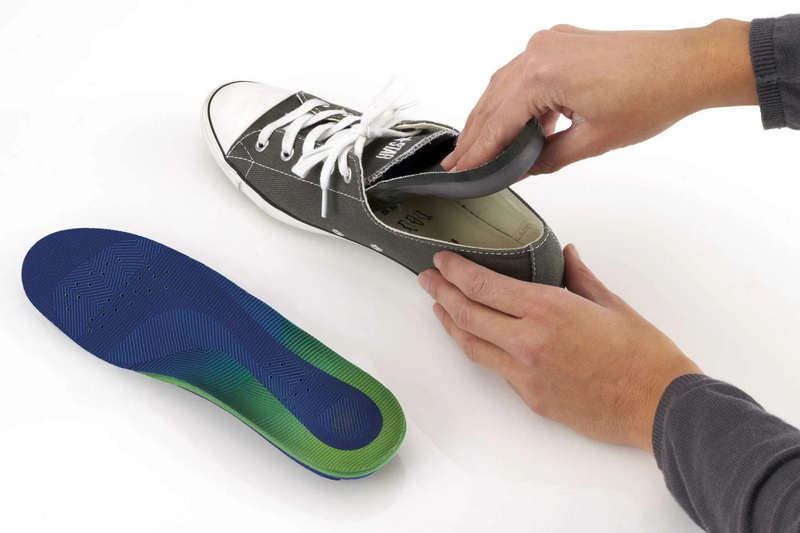
Insoles can make shoes about half to one size smaller depending on their thickness and design. Thicker wool or gel insoles provide the most noticeable difference.
Yes, you can combine two thin insoles for greater reduction, but avoid excessive layering that restricts movement or affects balance.
Most insoles fit well in sneakers, boots, and casual shoes. For tight or low-volume footwear, choose thin leather or foam insoles that maintain comfort without squeezing your feet.
Replace every 6 to 12 months depending on usage. If your insoles flatten, lose cushioning, or begin to smell, it's time for a new pair.
Yes, there are styles designed specifically for high heels. They focus on cushioning the ball of the foot and providing grip to prevent forward slippage.


