


Content Menu
● What Are Copper Shoe Insoles?
● The Theory Behind Copper Insoles
● Potential Benefits of Copper Insoles
● Limitations and Controversies
● Copper vs Non-Copper Insoles
● Who Might Benefit Most From Copper Insoles?
● Key Design Elements for OEM Copper Insoles
● How to Choose Copper Insoles
● Practical Tips for Everyday Users
● FAQ
>> 1. Do copper shoe insoles really work for arthritis?
>> 2. Can copper insoles help with foot odor?
>> 3. Are copper shoe insoles safe to use every day?
>> 4. What is the difference between copper insoles and copper socks?
>> 5. How long do the benefits of copper insoles last?
Copper shoe insoles attract a lot of attention because they promise pain relief, fresher feet, and even better overall wellness. For most users, copper insoles may help with foot freshness and odor control, but strong clinical proof for major pain relief or arthritis treatment is still limited and mixed.
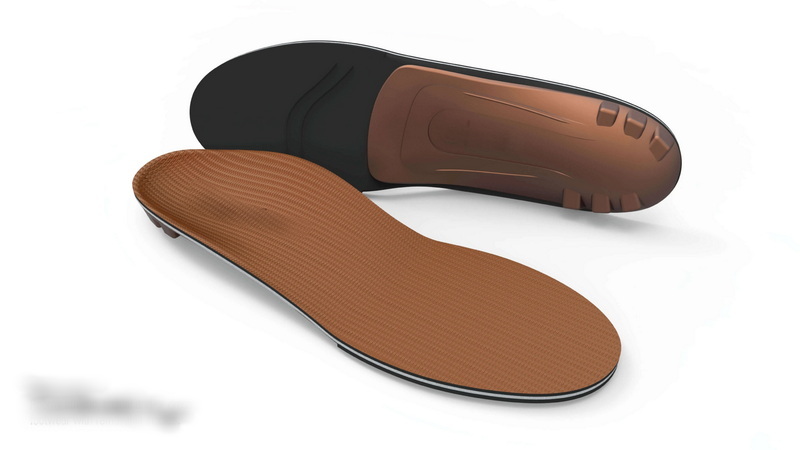
Copper shoe insoles are regular insoles that include copper plates, copper-impregnated materials, or copper fibers within the top cover or base. They are often marketed for arthritis relief, anti-fatigue support, and odor control in everyday and work footwear.
Many copper insoles are built like standard cushion or orthotic insoles, using foams, gels, or plastics combined with thin copper pieces or copper-infused layers. Some brands also offer copper heel inserts designed to sit only under the heel instead of covering the full length of the shoe.
From a structural point of view, copper insoles can be full-length, three-quarter length, or targeted pads. Full-length designs are usually meant for all-day comfort in sneakers or work boots, while partial insoles often focus on specific areas such as the heel or forefoot. This variety gives footwear brands and OEM partners flexibility to match different shoe types and consumer needs.
Copper is an essential trace mineral used by the body in red blood cell formation, connective tissue maintenance, and normal immune function. Because of these roles, many products claim that small amounts of copper absorbed through the skin can support joint health and reduce inflammation.
Copper also has well-documented antimicrobial properties, meaning it can damage or kill bacteria and fungi on contact. This antimicrobial action is why copper is used in some medical textiles and surfaces, and it is a key reason copper is added to socks and insoles for odor and infection control.
In marketing messages, these biological and antimicrobial roles are often connected to promises of better circulation, less swelling, or improved energy. While these claims sound attractive, they are not always backed by rigorous clinical data. The more realistic expectation is that copper may help keep the in-shoe environment cleaner and more hygienic, while the insole's mechanical design delivers most of the comfort and support.
Research on copper insoles specifically is still limited, but there are some useful signals from related products and small-scale investigations. In one small study, a large majority of arthritis sufferers who wore copper insoles reported that they felt some improvement in their symptoms. This high satisfaction rate suggests that many users subjectively feel better, even though the study does not fully prove a strong medical effect.
Other scientific work on copper textiles, especially socks, shows clearer evidence for antifungal benefits, including improvement in athlete's foot symptoms such as scaling, fissuring, and vesicles. Laboratory and clinical testing has shown that copper-infused fabrics can reduce fungal load on the skin and improve the condition of the feet in users who are prone to infections.
However, large independent trials and systematic reviews have found that copper bracelets and similar devices offer no meaningful benefit beyond placebo for rheumatoid arthritis. This makes many medical experts cautious about strong claims that copper alone can relieve joint pain or reverse arthritis. Overall, the scientific picture is that copper can help with surface-level microbial control, while deep joint and bone conditions still require proven medical treatment.
From a practical point of view, copper shoe insoles may offer several potential benefits when designed and manufactured correctly.
First, they may enhance foot freshness and odor control. Copper can disrupt the growth of odor-causing bacteria and certain fungi, helping to keep feet smelling cleaner even in closed shoes. For people who work long hours in boots or who have naturally sweaty feet, this can be a noticeable day-to-day advantage.
Second, some users report a subjective reduction of discomfort or stiffness, especially those with mild arthritis or tired feet. Whether this effect comes mainly from the copper, from the cushioning and support, or from a placebo effect is still open to debate, but many consumers feel better while using copper products.
Third, copper insoles can improve hygiene for users who sweat heavily or must wear enclosed shoes for long hours. When copper is combined with breathable and moisture-wicking textiles, it can help create a drier and more stable microclimate inside the shoe. This may be especially useful for athletes, factory workers, healthcare staff, and others who spend the entire day on their feet.
Finally, copper insoles are a drug-free and non-invasive option. They can often be used alongside standard orthopedic devices, custom orthotics, or medical treatments without major conflicts. This makes them appealing as an add-on comfort and wellness product in many footwear collections.
Despite the marketing potential, there are important limitations that footwear brands and end users should understand.
Evidence for strong arthritis pain relief from copper alone is inconsistent. When researchers study copper bracelets or straps in controlled conditions, they typically find little or no advantage over placebo devices for rheumatoid arthritis. This suggests that copper insoles are unlikely to be a magic solution for serious joint diseases.
Most of the clear positive results around copper relate to antimicrobial and antifungal activity in socks and fabrics, not to deep joint changes or cartilage repair. That means copper's strongest role is likely at the skin and surface level, rather than deep inside bones or joints.
Many people who feel better when using copper insoles may actually be experiencing benefits from the insole's cushioning, arch support, or improved shoe fit. A well-designed insole can reduce pressure hot spots, support the arch, and stabilize the heel, all of which can reduce fatigue and pain regardless of copper content. If a copper insole is poorly designed from a biomechanical point of view, the copper layer alone will not compensate for its weaknesses.
Some medical organizations and clinicians caution that copper-based products should not replace clinically proven treatments for arthritis, diabetes-related foot problems, or serious infections. Copper insoles may be a useful complement, but serious conditions still require professional diagnosis and management.
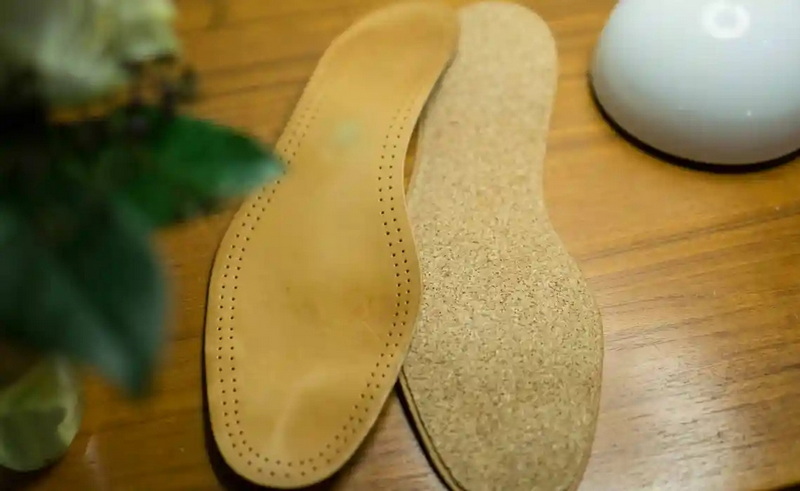
From a design and performance perspective, copper is only one part of what makes an insole effective. Core insole features such as overall shape, density, and support usually play a bigger role in comfort and biomechanics than the copper layer.
Well-designed non-copper insoles can provide excellent cushioning, arch support, and pressure redistribution using materials like EVA, PU, gel, or TPU. These materials can be tuned to different hardness levels and rebound characteristics to match sports, work, or casual use. A copper-free insole with strong design and quality materials will outperform a poorly engineered copper insole in most real-life situations.
Copper-infused insoles, on the other hand, may add extra value in odor control and hygiene, especially in sweaty or high-use conditions. When both versions share the same base structure, the copper model can stand out in marketing and user experience by helping feet stay fresher for longer. For brands, this can create a small but meaningful point of differentiation in a crowded insole market.
Because of this, many footwear and OEM projects treat copper as an upgrade option layered onto a proven insole platform rather than as the only selling point. This strategy allows manufacturers to benefit from both good biomechanics and appealing copper messaging.
Certain user groups are more likely to notice practical advantages from copper shoe insoles, especially in hygiene and comfort.
People who struggle with persistent foot odor or mild fungal problems are prime candidates. When feet are enclosed for long hours in non-breathable shoes, bacteria and fungi thrive, leading to smell and skin irritation. Copper insoles, especially when combined with moisture-wicking linings and breathable uppers, can help manage this micro-environment.
Athletic and outdoor users who sweat heavily can also benefit. Runners, football players, hikers, and gym users often wear their shoes for long periods without removing them, which can cause uncomfortable dampness and odor. Copper-infused insoles and socks can work together as part of an overall foot care strategy for these users.
Older adults or desk workers with mild aches and fatigue may appreciate the cushioning and general support that many copper insoles provide. Even if the copper itself plays a minor role in pain relief, a comfortable, shock-absorbing insole can make standing and walking more pleasant.
However, people with diagnosed medical conditions like rheumatoid arthritis, advanced osteoarthritis, diabetes-related neuropathy, or serious circulation disorders should always follow professional medical advice. Copper insoles may be used as a comfort accessory, but they are not a replacement for prescribed orthopedic devices or medical treatment.
For brands, wholesalers, and manufacturers working with copper insoles, product performance depends heavily on thoughtful design and material choices.
Placement of copper elements is one of the first decisions. Full-length copper-infused layers can target general hygiene along the entire sole, while focused copper heel cups or forefoot pads may be aimed at specific pain points or arthritis-related marketing. The chosen configuration should match the target user and footwear type.
Integration method is also critical. Copper can be introduced as woven fibers in the textile top cover, as printed coatings on the surface, as small copper plates embedded under the fabric, or as powders dispersed in the polymer. Each method affects durability, wash resistance, and antimicrobial performance, as well as cost and manufacturing complexity.
The base construction remains the foundation of the product. High-quality foams and stabilizing shells must deliver correct arch support, shock absorption, and pressure distribution for the intended application. For example, a work boot insole may require firmer support and a robust heel cup, while a casual sneaker insole might emphasize softness and flexibility.
Compatibility with shoe types is another design concern. Copper insoles should work in common shoe categories such as sneakers, work boots, casual shoes, and in some cases dress shoes, without making the fit too tight or unstable. Thickness, edge shaping, and the flexibility of the forefoot all influence how easily end users can insert the insole and still enjoy a secure fit.
From an OEM point of view, it is also important to balance cost and perceived value. Copper components, especially high-quality copper textiles, usually increase material costs. To justify this, the final insole must successfully communicate its hygiene and comfort advantages to consumers through packaging, branding, and point-of-sale education.
For most healthy users, copper insoles are considered safe and well tolerated. Copper is a natural trace element and only small amounts are present at the foot-surface interface in typical consumer products. Since insoles are not ingested and usually sit under socks, overall exposure is quite low.
However, a few categories of users must remain cautious. People with known copper allergies or very sensitive skin may experience irritation or discoloration, particularly if the copper layer is in close direct contact with bare skin or if the product is worn without socks. In these cases, users should discontinue use if they notice redness, itching, or unusual marks.
Individuals with rare disorders of copper metabolism, such as Wilson's disease, should consult their doctors before regular exposure to copper-enhanced products. Although the risk from insoles is likely small, professional guidance is still advisable.
Basic hygiene practices remain important regardless of copper content. Users should still air out shoes, change socks regularly, and replace worn-out insoles. A damaged or compressed insole, even if infused with copper, will not provide optimal support or comfort.
Consumers and brands evaluating copper insoles should look beyond marketing slogans and focus on overall product quality.
First, check that the insole offers appropriate arch type options, thickness, and cushioning to match the target footwear and user group. Flat feet, neutral arches, and high arches all have different support needs. Selecting the right structural profile matters more for comfort than the presence or absence of copper.
Second, consider the materials used for the base and top cover. Breathable fabrics, moisture-wicking linings, and correctly selected foam densities will affect real-world comfort. A high-quality copper insole should feel stable, not wobbly, and should not compress completely after a short period of use.
Third, review any information the manufacturer provides about how copper is integrated and tested. For private label and OEM projects, it is reasonable to request material data, antimicrobial test reports, and sample pairs for fit trials in different shoe models. This ensures the insole performs as promised under realistic conditions.
Finally, think about the target customer and price point. For premium work boots, outdoor footwear, or comfort shoes, copper insoles may serve as a valuable feature that justifies a higher retail price. For basic entry-level products, a simpler non-copper insole with good cushioning may be more cost-effective.
When chosen correctly, copper insoles can become a differentiated but practical upgrade in comfort and hygiene lines for international footwear brands. The best results come when copper technology is combined with strong ergonomic design and consistent manufacturing quality.
People considering copper insoles for personal use can follow a few simple guidelines to get the most from their purchase.
Start by identifying your main goal. If you mainly want better odor control, focus on insoles that highlight antimicrobial features and pair them with good-quality socks. If your main goal is pain relief or arch support, pay closer attention to the shape, firmness, and stability of the insole, and treat copper as a secondary bonus.
Next, test the fit in your shoes. Insert the insole, check that your heel sits securely in the heel cup, and ensure your toes are not cramped. Walk for several minutes to see if any pressure points or slipping occur. A correct fit is essential for avoiding new discomfort or blisters.
It is also helpful to introduce new insoles gradually, especially if they have stronger arch support than your previous inserts. Wear them for a few hours on the first day, then increase the time over several days. This allows your feet and muscles to adapt to any changes in alignment and pressure distribution.
Lastly, monitor how your feet feel over time. If you experience lasting pain, numbness, or worsening discomfort, stop using the insoles and consult a healthcare professional. Copper insoles are meant to support comfort and hygiene, not to mask serious medical issues.
Copper shoe insoles can offer realistic benefits in foot hygiene, odor control, and subjective comfort, especially when combined with good cushioning and support design. Current research on arthritis and deep joint pain relief from copper alone is mixed and often negative, so copper insoles should be seen as a supportive wellness product rather than a proven medical treatment. For brands and OEM partners, copper insoles are most effective when positioned as high-quality, antimicrobial comfort insoles built on sound biomechanics and reliable manufacturing, rather than as miracle health products.
Contact us to get more information!
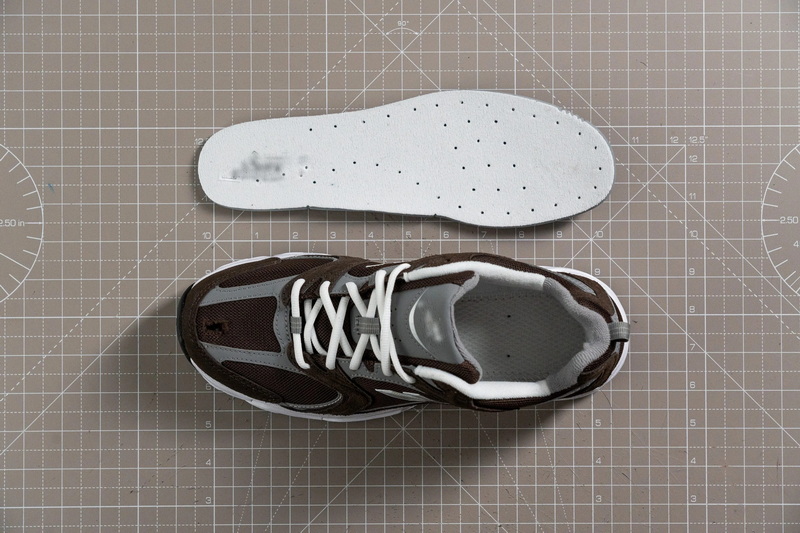
Copper insoles have many positive user testimonials, and some small investigations suggest that many wearers feel symptom improvement. However, larger studies on copper devices in arthritis show little benefit beyond placebo, so copper insoles should not replace professional medical treatment or prescribed orthopedic supports.
Copper insoles can help reduce foot odor by limiting the growth of odor-causing bacteria and certain fungi. When combined with moisture-wicking socks and breathable footwear, they can be part of an effective strategy to keep feet fresher throughout the day.
For most people, copper shoe insoles are safe, drug-free, and easy to use for daily wear. People with known copper allergies, very sensitive skin, or specific copper metabolism disorders should consult a healthcare professional before prolonged use and stop wearing the insoles if any irritation develops.
Copper insoles place copper within the shoe's footbed structure, while copper socks integrate copper fibers directly into the fabric that touches the skin. Both can provide antimicrobial benefits, but socks usually offer closer, continuous contact, whereas insoles also deliver structural support, cushioning, and stability.
The useful life of copper insoles depends on how the copper is integrated and how quickly the base materials wear out. In many cases, antimicrobial effects can last for much of the insole's normal wear life, especially if the copper-containing surface remains intact and the insoles are used with clean socks in reasonably maintained footwear.
1. https://www.shoeinsoles.co.uk/blog/introduction-to-copper-insoles.html
2. https://www.cosyfeet.com/usa/community/copper_heeler_insoles
3. https://www.branshaws.co.uk/offer/coppercomfort/
4. https://www.hmpgloballearningnetwork.com/site/podiatry/can-copper-help-prevent-lower-extremity-complications-patients-diabetes
5. https://www.algeos.com/company-news/post/algeos-product-guides/do-copper-socks-work
6. https://www.cbsnews.com/boston/news/copper-bracelets-dont-help-rheumatoid-arthritis
7. https://www.icompressionsocks.com/copper-infused-socks-the-complete-2025-guide-to-benefits-science-and-selection
8. https://www.healthandcare.co.uk/blog/copper-heelers-do-they-work.html
9. https://thejacksonclinics.com/hammering-out-the-truth-about-copper
10. https://pmc.ncbi.nlm.nih.gov/articles/PMC8459065
11. https://pmc.ncbi.nlm.nih.gov/articles/PMC8780030
12. https://pmc.ncbi.nlm.nih.gov/articles/PMC3774818
13. https://lermagazine.com/article/the-effect-of-copper-impregnated-socks-on-tinea-pedis-in-football-players
14. https://www.express.co.uk/life-style/health/367167/My-copper-soles-healed-arthritis-pain-says-gran
15. https://www.arthritis.org/health-wellness/treatment/complementary-therapies/natural-therapies/magnets-copper-dont-ease-arthritis-pain


