
Views: 222 Author: Edvo Publish Time: 2025-11-02 Origin: Site


Content Menu
● Understanding Orthotic Insoles
● Key Benefits of Orthotic Insoles
>> Semi-Rigid Orthotic Insoles
>> Custom Molded Orthotic Insoles
● What Defines a High-Quality Orthotic Insole
>> Moisture Control and Breathability
>> Stability and Cushioning Balance
● Prefabricated vs. Custom Orthotic Insoles
● Steps to Choosing the Right Orthotic Insoles
● Materials Used in the Best Orthotic Insoles
>> EVA Foam
>> Memory Foam
>> PU Foam
>> Silicone Gel
>> Carbon Fiber
● Care and Maintenance Guidelines
● Applications of Orthotic Insoles
● OEM Orthotic Insole Manufacturing by Our Company
>> OEM Customization Capabilities
● The Importance of Proper Fit
● Trends in Orthotic Insole Development
● Common Problems Solved by Orthotic Insoles
● FAQ
>> 1. What are orthotic insoles used for?
>> 2. How do I know which orthotic insole is best for me?
>> 3. Can orthotic insoles relieve back and knee pain?
>> 4. How long does it take to get used to new orthotics?
>> 5. Do orthotic insoles fit sports shoes and casual shoes alike?
Orthotic insoles have become one of the most essential components in modern footwear, offering a combination of comfort, medical support, and biomechanical balance. Whether you are an athlete aiming to enhance performance, a worker standing for long hours, or someone struggling with foot pain, the right orthotic insole can make a tremendous difference in overall health and daily comfort. For international brands and distributers seeking high-quality customizable products, identifying the best orthotic insoles is a key step toward product success.
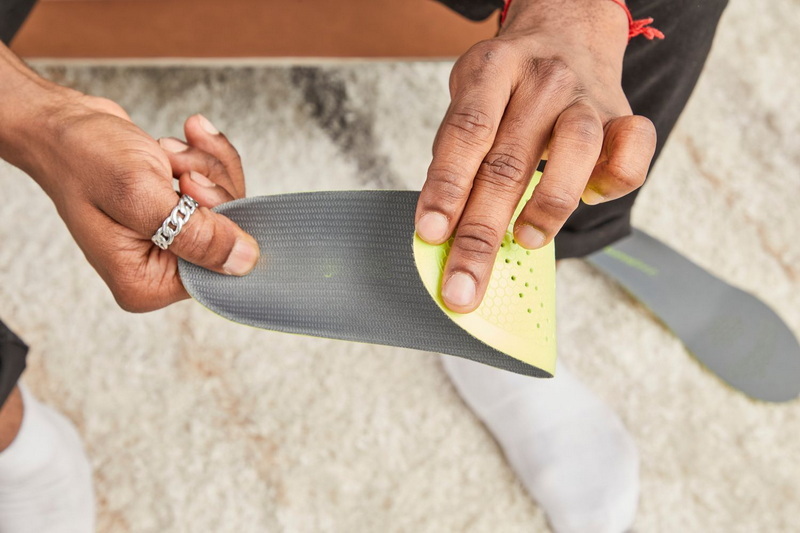
Orthotic insoles are specialized shoe inserts designed to correct alignment, relieve pressure, and support the structure of the foot. They reduce pain and fatigue while helping users maintain proper posture throughout walking, running, or standing.
While standard insoles offer cushioning, orthotic insoles go beyond that. They focus on biomechanics—the science of how muscles and bones move—ensuring that your feet operate efficiently, reducing stress on ankles, knees, and hips.
The best orthotic insoles are carefully engineered using materials such as EVA foam, gel, memory foam, or polyurethane, each offering different advantages for comfort, flexibility, and longevity. Their purpose is not only to improve comfort but also to prevent medical issues caused by improper walking angles or continuous strain.
1. Provide targeted support to the arch and heel.
2. Correct posture and enhance walking stability.
3. Alleviate muscle strain by evenly distributing body weight.
4. Minimize pressure and friction that cause calluses or blisters.
5. Offer long-term comfort for all-day wear across different environments.
6. Increase footwear lifespan by maintaining internal shoe structure.
People suffering from conditions like plantar fasciitis, flat feet, high arches, or overpronation find relief through properly fitted orthotic insoles. They are equally popular with athletes seeking top-level performance and comfort during high-intensity movement.
Orthotic insoles come in many variations depending on purpose, foot type, and activity level.
Constructed from durable materials such as carbon fiber or hard plastic, rigid insoles are designed to control joint movement under the ankle. They are ideal for users with significant biomechanical imbalance, such as excessive inward or outward rolling of the foot.
These insoles provide both structure and flexibility. The design helps improve performance while maintaining comfort, making them suitable for athletes, office workers, and individuals who walk or stand extensively each day.
Soft insoles excel in absorbing shocks and reducing pressure. They are commonly used for diabetic patients and sensitive feet. Their cushioning distributes body weight evenly, minimizing localized pain or burning sensations.
Custom orthotics are individually built based on precise measurements and foot scans. They offer ultimate correction and comfort, especially beneficial for people with medical conditions or those requiring specific support areas. They can include unique features such as medial posting, extra arch padding, or heel cups designed to align leg movement.
Selecting the best orthotic insole requires consideration of multiple design factors that determine both comfort and performance.
A good insole mimics the natural contour of the human foot. It should cradle the arch and stabilize the heel while allowing a smooth transition during walking. The balance between firmness and cushioning ensures that the foot maintains correct alignment without rigidity.
The core material directly affects comfort, weight, and durability. EVA and PU foam are versatile options for general use, while carbon fiber offers more stability for advanced orthopedic applications. Gel layers add a soft and shock-absorbing touch that benefits users engaged in active lifestyles.
Every person's arch height differs. High arches need rigid support to distribute pressure evenly, while flat feet require structured contouring to prevent overpronation. The correct insole supports the natural curvature and motion pattern of the wearer.
Long-term comfort depends heavily on the insole's breathability. Antibacterial coatings, perforated layers, and moisture-wicking fabrics keep feet healthy and fresh by reducing odor and sweat buildup.
The insole must deliver both solid support and adequate padding. Too soft and it loses structure; too hard and it can cause discomfort. A balanced orthotic design achieves the perfect middle ground for longevity and satisfaction.

| Aspect | Prefabricated Insoles | Custom Orthotic Insoles |
|---|---|---|
| Fit | Standard fit for common shoe types | Tailor-made from digital foot scans |
| Cost | Lower and accessible | Higher due to personalization |
| Performance | Provides general support | Offers precise biomechanical correction |
| Durability | 6–12 months | 1–3 years depending on materials |
| Target Users | Casual users or athletes | Medical patients or professionals requiring accuracy |
For most people, prefabricated insoles provide sufficient everyday comfort. However, those with chronic pain, sports injuries, or special orthopedic requirements benefit greatly from custom orthotic products.
1. Analyze Your Foot Type: Determine whether your arches are high, medium, or flat. A simple wet footprint test can reveal this.
2. Identify Pain Locations: Observe whether discomfort occurs in the heel, arch, or forefoot. Each pain point requires specific insole features.
3. Consider Your Activities: Running, hiking, office work, or casual walking each demand different insole characteristics.
4. Check the Insole Design: Opt for multi-layer designs with strong arch structure and soft yet durable top fabrics.
5. Ensure Proper Sizing: Trimming the edges helps achieve the perfect fit for specific shoe models.
Replacing insoles regularly and adapting to new models based on changing needs keeps performance consistent over time.
A lightweight, flexible material widely used for all-purpose insoles. EVA absorbs shock effectively and maintains its shape even after long wear.
This material conforms to the unique shape of the foot, ensuring personalized comfort. It's popular in everyday walking shoes for its softness and adaptability.
Polyurethane foam offers outstanding resilience and long-term durability. Its dense yet springy quality makes it suitable for heavy-duty or industrial footwear.
Gel insoles help absorb impact and relieve pressure points. They are ideal for sports and prolonged standing, as they enhance foot circulation and comfort.
Thin yet extremely strong, carbon fiber stabilizes movement without adding bulk. Often used for orthotic inserts in professional or medical-grade products.
Good insoles deserve proper care for longevity and hygiene.
- Wash insoles gently with mild soap and water.
- Avoid direct sunlight or heaters when drying.
- Air them overnight to eliminate moisture.
- Replace insoles that show flattening, cracks, or loss of resilience.
- Rotate pairs regularly to maintain cushioning and reduce odor buildup.
Daily maintenance not only improves user experience but also extends the lifespan of shoes and insoles alike.
Orthotic insoles are used across industries and lifestyle categories:
- Sports and athletics for performance enhancement and injury prevention.
- Office and professional footwear requiring comfort during long hours of standing.
- Medical applications to treat foot deformities and postoperative recovery.
- Diabetic and orthopedic footwear to prevent friction wounds and maintain circulation.
- Outdoor, hiking, and safety boots for better load distribution.
Their versatility makes orthotic insoles an indispensable product in today's global footwear industry.
As a leading Chinese orthotic insole manufacturer with 18 years of experience, we provide high-quality OEM and ODM services to global footwear brands, distributors, and healthcare suppliers. We understand that every brand needs reliable quality and customization flexibility to meet their market's expectations.
Our factory utilizes advanced production techniques, including computerized molding, high-precision cutting, and automated lamination systems. This ensures consistent product accuracy across large-scale orders.
- Custom 3D mold making for unique product shapes
- Logo and brand marking using laser or hot stamping
- Color and density adjustment for targeted markets
- Material selection from breathable mesh to eco-friendly foam
- Packaging design tailored to client branding
Our team combines ergonomic knowledge and design expertise to help clients innovate. From conceptual design to mass production, we deliver complete manufacturing services that guarantee consistent quality and timely delivery.
Even the best orthotic insole delivers limited results if not properly fitted. Misalignment between the foot and insole can cause new pressure points, negating benefits. Proper fit allows natural motion while maintaining full contact between arch and surface.
For this reason, brands offering OEM or retail insoles must ensure that each size corresponds accurately to regional shoe standards in Europe, America, and Asia. Regular feedback from end-users also helps refine sizing details and improve comfort.
The global orthotic insole market continues to evolve with technology.
- 3D scanning and printing enable highly customized and precise fits.
- Sustainable materials, such as recycled EVA and plant-based foam, are gaining popularity.
- Smart insoles embedded with pressure sensors monitor posture and gait in real time.
- Medical-grade insoles are integrating AI design modeling for data-driven optimization.
Innovation drives product performance and user satisfaction, creating a strong opportunity for brands partnering with credible manufacturers in China.
1. Plantar Fasciitis: Reduces tension and supports the heel cup.
2. Overpronation: Corrects inward rolling and balances gait.
3. Flat Feet: Provides necessary arch support to prevent discomfort.
4. High Arches: Improves stability and distributes pressure evenly.
5. Heel Spurs: Cushions the heel area and reduces inflammation.
6. Knee or Hip Pain: Aligns the kinetic chain from feet upward, minimizing strain.
These diverse medical and comfort benefits make orthotic insoles a product category with both health and commercial value.
Choosing the best orthotic insoles is about finding the perfect combination of structure, material, and comfort. They not only help relieve pain but also improve daily mobility and posture. For consumers, the right insole transforms footwear into a personalized support system. For brands, wholesalers, and retailers, offering premium orthotic insoles represents a strong business opportunity.
Our company stands as a trusted partner in providing OEM and ODM orthotic insoles to global markets. With years of expertise, high-end production equipment, and innovative R&D, we help businesses craft insoles that perfectly meet their customers' needs.
Contact our team to start developing your custom orthotic insole solution that merges advanced design, durability, and comfort.
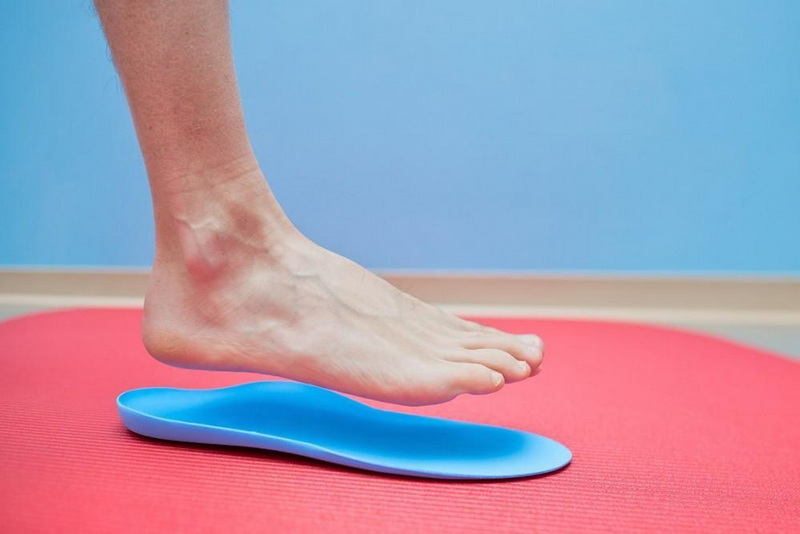
Orthotic insoles are used to correct foot alignment, improve comfort, reduce pain, and prevent injuries caused by poor posture or excessive strain.
The right insole depends on your arch type, activity level, and foot condition. A professional foot scan or consultation helps determine the best model.
Yes. By realigning the foundation of your posture, orthotic insoles can indirectly reduce pain in the knees, hips, and lower back.
Most users adjust within one to two weeks. Start by wearing them for a few hours daily, then gradually increase to full-time use.
Yes. Orthotic insoles are designed for versatile compatibility with most shoe types, though trimming or custom sizing may be needed for exact fit.


