
Language


Content Menu
● Understanding Orthotic Insoles
● The Science Behind Orthotic Insoles
● Common Signs You Might Need Orthotic Insoles
● Key Benefits of Orthotic Insoles
>> Supporting Natural Alignment
>> Relieving Pain and Pressure
>> Improving Athletic Performance
● Materials Used in Orthotic Insoles
● How to Choose the Right Orthotic Insoles
● Who Can Benefit From Orthotic Insoles
>> Athletes
>> Healthcare and Factory Workers
>> Seniors
● Wearing Orthotic Insoles: Habits and Adaptation
● Best Practices for Maintenance
● How Orthotic Insoles Complement Different Shoe Types
● The Role of OEM Orthotic Insole Manufacturers
● The Long-Term Value of Orthotic Insoles
● FAQ
>> 1. What makes orthotic insoles better than standard insoles?
>> 2. Can I wear orthotic insoles every day?
>> 3. Are orthotic insoles suitable for sports and exercise?
>> 4. Can children use orthotic insoles?
>> 5. How long do orthotic insoles last?
When you feel fatigue after standing or walking for long hours, you might dismiss it as normal. However, persistent pain in your feet, knees, or back may suggest that something deeper is going on with your alignment or gait. At that point, many people start asking an important question: Do I need orthotic insoles?
Insoles are more than just shoe accessories; they play a fundamental role in ensuring your lower body functions correctly. Orthotic insoles, in particular, are engineered with precision to support, stabilize, and realign your feet, helping your whole body move more efficiently and comfortably. In this article, we will explore how orthotic insoles work, who needs them, their benefits, and the best way to choose the right pair for your daily life or professional use.
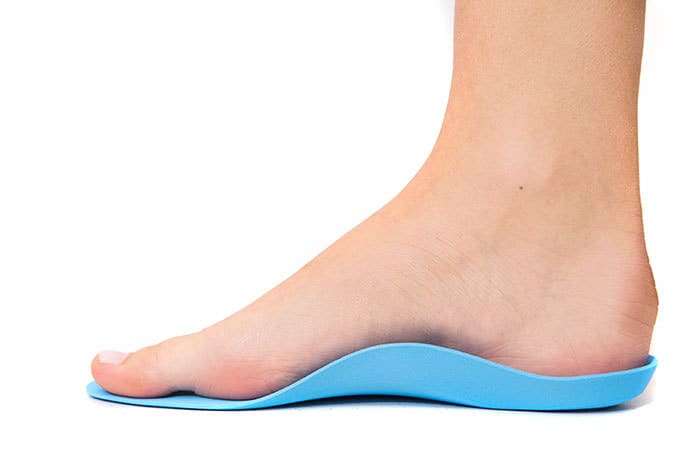
Orthotic insoles are specially designed footbeds placed inside shoes to correct irregular walking patterns and improve posture. Unlike soft cushioning insoles bought for casual comfort, orthotics serve a medical or biomechanical purpose. Their main goal is to stabilize the foot, promote balanced pressure distribution, and guide the natural movement of each step.
Typically, an orthotic insole supports three key areas:
- Heel cup: Keeps the heel in a stable position during impact.
- Arch zone: Prevents excessive flattening or collapsing of the foot arch.
- Forefoot pad: Absorbs pressure near the ball of the foot.
Each component works synergistically to ensure the feet land and push off in proper alignment, reducing the risk of fatigue and misalignment throughout the body.
Every human foot has a complex structure with 26 bones, 33 joints, and more than 100 muscles, tendons, and ligaments. This intricate design is meant to absorb shock and adapt to different surfaces. But when imbalance occurs — such as overpronation (inward rolling) or supination (outward rolling) — the chain reaction can affect knees, hips, and the spine.
Orthotic insoles tackle this issue by supporting natural motion and restoring optimal biomechanics. They:
- Control excess motion during walking or running.
- Support the arches to prevent collapse or undue stretching.
- Distribute pressure evenly, preventing hot spots or painful calluses.
- Enhance stability, particularly on uneven or hard surfaces.
These mechanical corrections lead to reduced strain on muscles and joints, making everyday movement smoother and less painful.
If you often find yourself wondering whether you need orthotic insoles, consider the following warning signs in your daily routine. They are easy to overlook but can indicate deeper structural problems.
- Frequent soreness or stiffness: Especially in the morning or after walking long distances.
- Heel or arch pain: Common in those with plantar fasciitis or overpronation.
- Uneven shoe wear: Soles flatten more on one side than the other.
- Lower back, hip, or knee discomfort: Caused by misalignment that begins in the feet.
- Chronic fatigue: Your muscles work harder to maintain balance when your feet are unstable.
- Recurring blisters or corns: Uneven friction from poor foot alignment.
If you recognize two or more of these symptoms, orthotic insoles could provide lasting relief and support.
Orthotic insoles encourage your feet to move naturally by maintaining proper alignment between your ankles and knees. This realignment reduces overall strain and enhances posture, which in turn helps prevent chronic back pain.
From plantar fasciitis to bunions and flat feet, orthotics alleviate pain by redistributing pressure more evenly across the foot. This pressure-balancing feature is particularly valuable for people who stand all day on hard floors.
Runners, basketball players, and cyclists all benefit from improved foot mechanics. By ensuring a more efficient stride and better shock absorption, orthotic insoles help athletes move with confidence and lower their injury risk.
Whether you work in an office, factory, or retail setting, orthotic insoles can drastically increase comfort. Even simple daily walks feel easier because your body expends less effort to stay balanced.
Consistent use of orthotic insoles can help prevent long-term structural issues such as joint degeneration, tendonitis, or repetitive strain injuries. They act as a preventive tool, keeping your lower body healthy for years.
There is no one-size-fits-all approach to foot support. The type of orthotic you need depends on your condition and lifestyle.
These are made from firm materials like carbon fiber or hard plastic. They are designed for controlling motion and correcting biomechanical abnormalities. Rigid insoles are ideal for people who suffer from excessive pronation or joint misalignment.
Constructed from cushiony materials like EVA foam, gel, or silicone, these insoles emphasize comfort and pressure relief. They are commonly used for those with diabetic foot pain or individuals needing gentle support over long periods.
Combining structure and flexibility, semi-rigid models work well for athletes or active individuals. They allow controlled motion while maintaining flexibility for movement-based activities.
These insoles are tailored using molds of your feet for precise correction. While they tend to cost more, they deliver unmatched support and alignment for people with chronic or severe foot conditions.
Pre-made designs provide general stability for daily use and can often be trimmed to fit your shoes. They are cost-effective for commercial brands or OEM suppliers producing large volumes of footwear accessories.
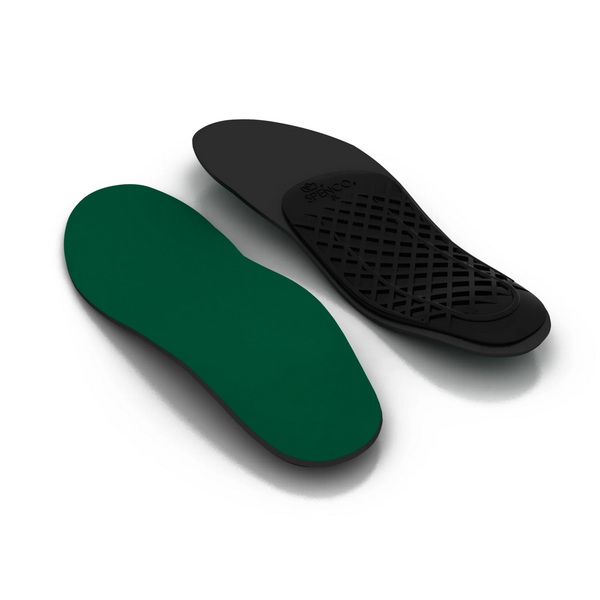
A key factor that influences comfort and performance is the type of material used. Common materials include:
- EVA Foam: Lightweight, flexible, and shock-absorbent, ideal for everyday shoes.
- PU (Polyurethane): Durable and high-density material suitable for work boots or heavy use.
- Gel and Silicone: Excellent for cushioning and relieving pressure points.
- Carbon Fiber: Strong and thin, perfect for rigid orthotics or sports performance shoes.
- Leather: Traditional material known for breathability and aesthetics, often used in premium insoles.
Modern technology also allows blending materials to balance flexibility, support, and durability. Some advanced designs include antimicrobial or moisture-wicking layers for hygiene and comfort.
Choosing the right pair requires evaluating both your feet and lifestyle. To make an informed decision, consider the following steps:
1. Assess your foot shape. Examine if your arches are flat, neutral, or high.
2. Identify your main issue. Are you seeking pain relief, posture correction, or performance boost?
3. Check your daily routine. Office workers, athletes, and industrial workers have different priorities.
4. Try multiple fits. Insoles must feel snug but not tight. You should not experience pinching or bulkiness.
5. Review shoe compatibility. Bulky orthotics might not fit into narrow or dress shoes, so match insole thickness with shoe space.
6. Evaluate durability. A good insole should maintain shape and function for several months of active use.
Working with a podiatrist or reputable insole supplier ensures a proper choice and long-term satisfaction.
For sports professionals, performance and injury prevention are top priorities. Orthotic insoles help optimize biomechanics, absorb shock, and prevent repetitive stress injuries.
Sitting for long hours can alter posture, while standing at standing desks can strain your feet. Orthotic insoles maintain lower body alignment and improve blood circulation.
Jobs that require standing or walking all day create constant foot stress. Orthotic insoles can reduce fatigue, making tasks more comfortable and enhancing workplace safety.
As we age, muscles and tendons lose flexibility. Orthotics improve stability and reduce fall risk by providing consistent support during walking.
Developing feet can benefit from gentle correction if early signs of flat feet or overpronation appear. Proper insoles can help prevent long-term problems.
When starting to wear orthotic insoles, gradual adaptation is key. Your body needs time to adjust to new foot alignment and balance.
- Start slowly: Wear them for one to two hours per day for the first week.
- Increase usage gradually: Add an hour each day until full-time use feels natural.
- Expect mild discomfort initially: Muscles and tendons adjust as alignment improves.
- Pair with proper footwear: Supportive shoes enhance the performance of your orthotic insoles.
Once adapted, most users report reduced pain, better energy levels, and overall improved mobility.
To extend the lifespan of your orthotic insoles and maintain hygiene, consider these maintenance tips:
- Remove insoles after use to dry and air them out naturally.
- Clean with mild soap and water; never use hot water or harsh detergents.
- Do not expose them to direct sunlight or heat sources.
- Inspect periodically for wear, compression, or cracking.
- Replace insoles every six to twelve months depending on intensity of use.
Proper care helps retain shape, prevent odor buildup, and maintain effectiveness.
A well-designed orthotic insole should integrate seamlessly with your footwear. There are specific designs for each category:
- Running shoes: Emphasize lightweight support and dynamic flexibility.
- Work boots: Require thicker, durable insoles with shock absorption for extended wear.
- Dress shoes: Slim-profile orthotics that remain discreet and comfortable.
- Casual sneakers: Moderate cushioning with arch support for daily walking.
- Sandals and open shoes: Specialized removable orthotic footbeds with supportive contours.
Matching the right insole to the right shoe model ensures consistent comfort without altering the shoe's function.
As one of China's leading orthotic insole manufacturers, we understand that every brand has distinct design needs. Our OEM solutions cater to international footwear companies, wholesalers, and private-label brands seeking premium-quality insoles for mass production.
We emphasize:
- Customized design and branding for each client.
- Advanced material selection for performance-driven markets.
- Rigorous quality control and compliance with international standards.
- Research-driven ergonomics to enhance comfort and health outcomes.
Partnering with an experienced manufacturer ensures that each product reflects consistency, durability, and end-user satisfaction.
Investing in quality orthotic insoles goes beyond short-term pain relief — it's an investment in overall health. Proper support can prevent developing conditions that might otherwise require medical treatment later in life.
With consistent use, users often notice improvements such as:
- More balanced walking posture.
- Alleviation of chronic fatigue.
- Enhanced athletic performance.
- Reduced need for pain medication related to foot problems.
In essence, orthotic insoles serve as a foundation for an active and pain-free lifestyle.
If you experience recurring pain in your feet, knees, or back, it's worth asking yourself again — Do I need orthotic insoles? For most people, the answer is yes. By restoring natural alignment, improving comfort, and preventing injuries, orthotic insoles enhance the quality of daily life for both active individuals and those recovering from physical strain.
As a professional orthotic insole manufacturer and OEM supplier in China, our mission is to provide functional, affordable, and high-performance foot care products. Through continuous research, advanced materials, and precise engineering, we aim to deliver the best solutions for global footwear brands and medical support industries.
Orthotic insoles are not merely accessories — they are essential tools that keep the foundation of your body strong and healthy. Choosing the right pair is the first step toward a more balanced, pain-free life.

Orthotic insoles are engineered for correction and support rather than just cushioning. They address biomechanical alignment issues, which helps with posture and reduces overall strain.
Yes, orthotic insoles are suitable for everyday use once your feet have adapted. Regular use maintains postural balance and relieves daily fatigue.
Absolutely. They help stabilize motion, improve balance, and reduce impact during high-intensity workouts such as running or basketball.
Children can benefit greatly from orthotics, especially if flat feet or improper gait are detected early. Lightweight, flexible insoles can gently guide proper foot development.
Most orthotic insoles last between six months and a year, depending on usage frequency, body weight, and activity level. Consistent inspection ensures timely replacement.


