
Views: 222 Author: Amanda Publish Time: 2025-09-15 Origin: Site


Content Menu
● Understanding Shoe Insoles and Their Functions
● How Exactly Do Shoe Insoles Make Shoes Feel Smaller?
● Types of Shoe Insoles to Make Shoes Fit Smaller
● How Shoe Insole Materials Affect Fit and Comfort
● Soft vs. Firm Insoles: Impact on Fit and Support
● Choosing the Right Shoe Insole for Different Shoes
● Effects of Shoe Insoles on Foot Health and Comfort
● Practical Tips for Using Shoe Insoles
● OEM Shoe Insole Manufacturing: Custom Solutions from China
>> 1. Do shoe insoles physically reduce shoe size?
>> 2. Which type of shoe insole makes shoes feel the smallest?
>> 3. Can insoles cause shoes to feel too tight?
>> 4. How often should I replace shoe insoles?
>> 5. Are customized insoles worth it?
Shoe insoles have become an essential accessory for people looking to improve the comfort and fit of their footwear. One common question many shoe wearers ask is: Do shoe insoles make shoes smaller? The answer is nuanced but generally, yes, shoe insoles can make shoes feel smaller by filling up excess space inside the shoe. This article explores how shoe insoles affect shoe size perception, the types of insoles that can reduce shoe volume, and tips for choosing the right shoe insole. As a leading Chinese shoe insole manufacturer providing OEM services to foreign brands, wholesalers, and manufacturers, we explain everything you need to know about shoe insoles to help you enhance your footwear comfort and fit.
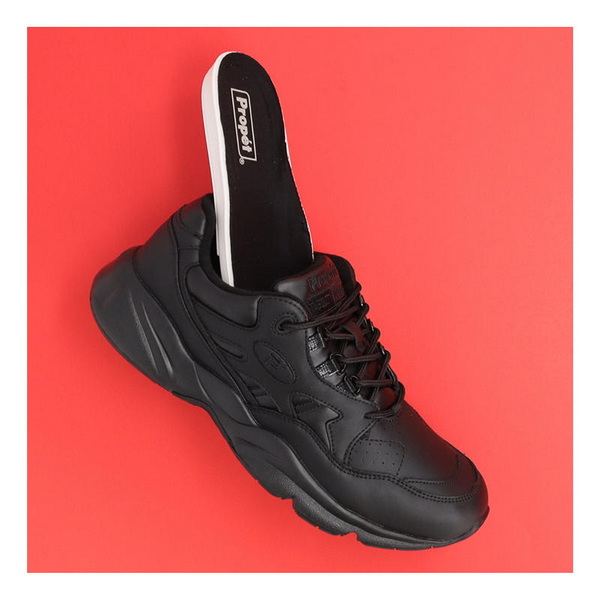
A shoe insole is an insert placed inside the shoe for extra cushioning, support, or comfort. Insoles vary widely in materials, thickness, and design based on purpose. While the primary function of shoe insoles is to improve foot support and cushioning, they also impact the interior volume of the shoe. By occupying space inside the shoe, shoe insoles can reduce the available room, which makes the shoe feel tighter and "smaller" in fit.
Shoe insoles are popular among those who find their shoes slightly loose or have wider feet needing more support. By improving fit, shoe insoles enhance stability and reduce foot movement inside the shoe, preventing blisters and discomfort.
When a shoe insole is added, it takes up space inside the shoe. This extra layer means there is less room between your foot and the inner surface of the shoe, effectively making the shoe feel smaller. Some ways shoe insoles reduce shoe size perception include:
- Filling extra length: Full-length insoles occupy the entire base of the shoe, reducing the empty space, especially useful for shoes that feel slightly long.
- Increasing thickness: Thick or high-volume insoles add cushioning, which fills vertical space, making the shoe feel snugger.
- Adding arch support: Insoles with arch support mold around your foot's curve, stabilizing the foot and reducing shifting.
- Targeted padding: Half insoles or ball-of-foot cushions add thickness in specific areas to tighten loose sections of the shoe like the forefoot.
Because of these effects, insoles are an affordable and simple way to make shoes fit better without needing to buy a smaller size.
If you want to use a shoe insole to make your footwear feel smaller, selecting the right type of insole is important. Below are some popular insole types frequently used for this purpose:
These insoles cover the entire length of the shoe and are excellent for filling extra space. They come in various materials such as foam, gel, leather, or cork.
- Foam insoles: Light and soft, foam insoles provide cushion while making the shoe cozier.
- Gel insoles: Gel inserts excel in shock absorption and add moderate thickness.
- Leather insoles: Durable and breathable, leather insoles comfortably reduce extra space in dress shoes.
Placed under the ball of the foot, these insoles narrow the fit at the front of the shoe. Ball-of-foot cushions, often made of gel or foam, are especially effective for high heels, flats, and sandals.
These insoles are raised in the mid-foot area and help stabilize the foot while restricting unwanted movement. Custom orthotic insoles can be molded to perfectly match your foot's arches.
Heel liners fill space at the back of the shoe, preventing heel slippage and achieving a snugger fit. They are especially useful for shoes slightly too large in length.
The material of the insole influences how much it can reduce shoe size and how comfortable it feels. Some common materials include:
- Foam: Compressible and soft, good for cushioning and reducing space.
- Gel: Provides shock absorption and moderate thickness.
- Leather: Durable, breathable, and slightly firm, ideal for dress shoes.
- Cork: Molds over time to foot shape for customized comfort.
- Sheepskin: Adds warmth and fills space, popular in boots.
Each material brings different advantages, so choosing according to shoe type and intended use is vital.

Shoe insoles can be broadly categorized by their firmness into soft and firm types, each affecting shoe fit and comfort differently.
- Soft insoles provide a cushioned, cloud-like feeling and are usually made from foam or gel materials. These are great for those looking for maximum cushioning and comfort. However, because they compress more under foot pressure, they may take up less effective space than firmer insoles and might not significantly reduce shoe size perception if overly soft.
- Firm insoles are made from more rigid materials like polypropylene or carbon fiber composites. These provide strong arch support and a stable foundation underfoot, effectively filling space inside the shoe and giving a snugger fit. Firm insoles can make shoes feel tighter and smaller almost immediately but might require an adjustment period for users.
Choosing between soft and firm insoles depends on your activity type, shoe fit, and personal comfort preferences, as well as the amount of shoe space available. For tight shoes, thinner, firmer insoles are preferable to avoid overly squeezing the foot, while roomy shoes can handle thicker, softer insoles for more cushioning.
Different types of shoes require different insole types to maintain comfort while improving fit:
- Athletic shoes/sneakers: Full-length cushioned foam or gel insoles work best to enhance shock absorption and snug fit.
- Dress shoes: Thin leather or cushioned arch support insoles maintain a sleek profile while improving comfort.
- High heels and flats: Half insoles or ball-of-foot cushions reduce slippage and add support without bulk.
- Boots: Thicker insoles with materials like sheepskin or cork add warmth and fill vertical volume.
- No removable insert shoes: Use short or 3/4-length insoles designed to fit without removing existing liners.
It is important to check if your shoe has a removable factory liner. Removing the liner allows you to replace it with a well-fitted full-length insole. If the shoe liner is glued in, opt for a thinner or partial insole to avoid making the shoe too tight.
Shoe insoles do much more than just alter shoe fit:
- They provide arch support, helping to maintain natural foot alignment and reduce foot fatigue.
- They absorb shock effectively, protecting joints from impact during walking or running.
- Insoles help reduce friction and pressure points, decreasing the likelihood of blisters.
- Many insoles offer moisture-wicking and odor control, promoting foot hygiene.
- Custom or orthopedic insoles can relieve pain from conditions like plantar fasciitis, flat feet, or high arches.
Investing in a quality shoe insole improves overall foot health, especially when shoes alone do not provide adequate support or cushioning.
1. Try before permanent use: Insert the insole and walk around indoors to assess comfort and fit before prolonged use.
2. Trim to fit: Some insoles are trim-to-fit. Remove the factory liner, align it with the insole, and trim excess carefully.
3. Replace periodically: Insoles compress and wear out over time. Replace them every 6-12 months depending on usage.
4. Avoid over-crowding: Adding insoles plus thick socks can make shoes too tight, so adjust accordingly.
5. Clean regularly: Some insoles are washable. Keeping insoles clean extends their lifespan and maintains foot health.
As a leading shoe insole manufacturer in China, we provide high-quality OEM solutions tailored to the diverse needs of international brands, wholesalers, and manufacturers. Our expertise includes:
- Customizing materials and thicknesses to suit shoe types and target markets.
- Innovating ergonomic designs to enhance arch support and foot comfort.
- Integrating branding and packaging to meet client specifications.
- Complying with international quality and safety standards.
- Offering bulk production with consistent quality control.
Customized shoe insoles from our facilities ensure a perfect balance of fit, comfort, and durability, helping brands meet their consumer demands worldwide.
Shoe insoles can indeed make shoes feel smaller by filling the extra space inside footwear. Whether through full-length padding, arch support, heel liners, or ball-of-foot cushions, insoles provide an effective way to improve shoe fit and comfort. Choosing the right insole material, thickness, and firmness is essential to balance making shoes feel snug without causing discomfort. Besides improving fit, shoe insoles greatly enhance foot health by offering crucial support, shock absorption, and pressure relief. As a trusted Chinese OEM shoe insole manufacturer, we supply a wide range of customizable shoe insoles designed to meet the needs of brands, wholesalers, and manufacturers worldwide. Investing in high-quality shoe insoles is a smart solution to make your shoes fit better and keep your feet comfortable throughout the day.

Shoe insoles do not physically change the shoe's external dimensions but fill empty space inside, making the shoe fit feel smaller and snugger.
Full-length firm insoles made from materials like polypropylene or carbon fiber composites typically make shoes feel smaller by occupying space and providing firm support.
Yes, if insoles are too thick or improperly fitted, they may make shoes uncomfortably tight, so choosing the right thickness and trimming them to fit is important.
Replace insoles every 6 to 12 months depending on frequency of use, as cushioning and support degrade over time.
Customized insoles provide tailored foot support and fit, offering greater comfort and addressing specific foot health needs better than generic insoles.
[1](https://www.superfeet.com/blogs/health-wellness/soft-vs-firm-insoles-what-is-the-difference-and-how-to-choose-which-experience-is-right-for-you)
[2](https://insoles.com/pages/how-to-choose-the-right-insole)
[3](https://treadlabs.com/blogs/insoles-reach-your-stride/which-style-of-insoles-do-i-need)
[4](https://pmc.ncbi.nlm.nih.gov/articles/PMC4737200/)
[5](https://theinsolestore.com/pages/insole-guide)
[6](https://www.innovateistore.com/store/blog/ICS-Blogs/Understanding-Replacement-Insoles-Inserts-Types-Benefits-Shoe-Compatibility)
[7](https://www.reddit.com/r/Ultralight/comments/owku6j/could_someone_explain_insoles_and_why_and_when/)
[8](https://www.shoeinsoles.co.uk/insoles-to-improve-shoe-fit.html)
[9](https://treadlabs.com/blogs/insoles-reach-your-stride/how-do-you-keep-your-insoles-from-sliding-in-your-shoes)
[10](https://www.drscholls.com/pages/insole-advisor)


