
Views: 222 Author: 3BU Technology Publish Time: 2026-06-03 Origin: Site


Operators of heavy vibrating machinery face continuous micro-impacts that standard insoles rarely address, which is why high-rebound EVA inserts designed for micro-shock absorption are becoming a critical part of their PPE (personal protective equipment) stack. From both a practitioner's and an industry perspective, this article compares conventional inserts with high-rebound EVA micro-shock solutions, and explains why OEM partners like 3BU Technology are increasingly integrating them into safety footwear product lines. [sinkeryfoam]
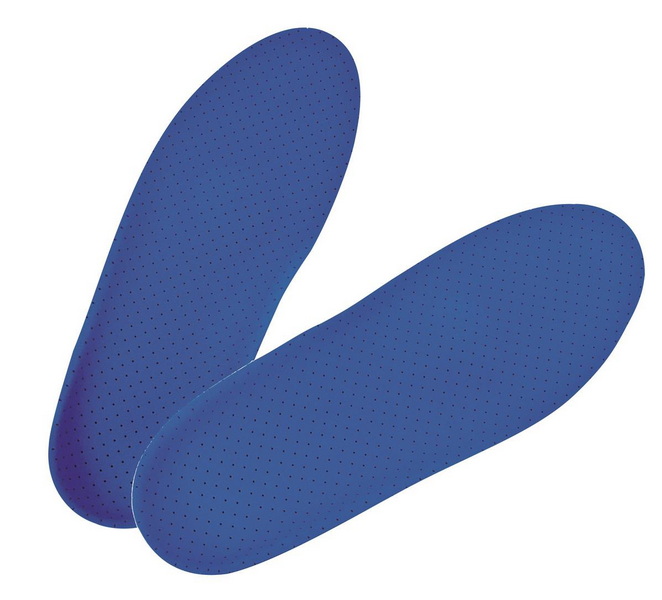
In heavy industry, micro-shock refers to the low-amplitude, high-frequency vibrations transmitted through the floor, platform, or machine into the operator's lower limbs with every shift. Unlike a single large impact, these micro-impacts accumulate, contributing to chronic fatigue, joint stress, and long-term musculoskeletal disorders. [pubmed.ncbi.nlm.nih]
For operators of jackhammers, tampers, compactors, industrial grinders, and large presses, vibration exposure often exceeds what conventional cushioned insoles can safely manage over a full shift. In this context, insoles are not just comfort accessories; they become an engineering control layer, positioned between the operator and the vibration source. [patents.google]
Ethylene-vinyl acetate (EVA) is a closed-cell foam widely used in footwear for its balance of cushioning, flexibility, and durability. In high-rebound formulations, EVA is engineered to return quickly to its original shape after compression, maintaining energy return and cushioning even after thousands of loading cycles. [jmsplastics]
Compared to generic foam insoles, high-rebound EVA typically offers:
- Superior elastic recovery – the material springs back quickly, reducing permanent compression set. [jmsplastics]
- Consistent shock absorption – performance remains more stable over repeated impacts and long shifts. [pubmed.ncbi.nlm.nih]
- Moisture and water resistance – closed-cell structure resists sweat and humidity, extending service life. [sinkeryfoam]
For OEM footwear brands, this combination of mechanical performance, processability (moldability), and durability makes high-rebound EVA a practical base for micro-shock-focused insert lines. [sinkeryfoam]
From an operator's point of view, not all cushioning feels or performs the same over a 10–12 hour shift. Below is a practical comparison of typical "soft cushion" insoles versus micro-shock-focused high-rebound EVA inserts.
Aspect | Conventional Soft Foam Inserts | High-Rebound EVA Micro-Shock Inserts |
|---|---|---|
Primary design intent | General comfort and basic cushioning. zh.insolefactory | Targeted micro-shock control for vibration-intensive work. sinkeryfoam |
Material behavior | Compresses easily, prone to bottoming out over time. zh.insolefactory | High rebound with strong shape memory and elastic recovery. jmsplastics |
Shock absorption stability | Cushioning degrades noticeably after repeated impacts. pubmed.ncbi.nlm.nih | Maintains more consistent deceleration across repeated loading cycles. pubmed.ncbi.nlm.nih |
Vibration context | Light-duty walking, office or retail environments. delante | Heavy machinery platforms, construction, mining, manufacturing lines. pubmed.ncbi.nlm.nih |
Moisture / sweat resistance | Often open-cell foams with higher moisture uptake. zh.insolefactory | Closed-cell EVA with good moisture and water resistance. sinkeryfoam |
Custom OEM engineering | Limited density tuning and geometry customization. zh.insolefactory | Fine-tuned density, thickness distribution, and zonal support possible. sinkeryfoam |
From a user experience standpoint, operators often report that standard cushioned insoles feel soft at the beginning of the day but pack down by mid-shift, whereas high-rebound EVA maintains a more "alive" feel underfoot. This difference directly affects perceived fatigue and post-shift joint stiffness. [jmsplastics]
As someone who has worked closely with safety managers and operators in construction and heavy manufacturing, the same narrative comes up repeatedly: fatigue starts in the feet and climbs up the chain. Continuous micro-vibrations translate into: [delante]
- Heel and forefoot discomfort by mid-shift
- Knee and hip stiffness after several months on a high-vibration station
- Lower back fatigue due to subtle posture adjustments in response to vibration
Operators who switch from generic insole solutions to high-rebound EVA inserts tailored for their machinery environment frequently report:
- Reduced "burning" sensation under the forefoot after long shifts
- Less knee and ankle soreness on days with prolonged standing
- A more stable sensation when operating on vibrating platforms
While subjective reports must always be supported by objective testing, these field-level experiences align with lab data showing that materials with better shock absorption and thickness stability transmit lower peak forces during repeated impacts. [pubmed.ncbi.nlm.nih]
Although much of the hard data comes from sports protective equipment and mouthguard research, it offers valuable clues about how shock-absorbing polymer systems behave under repeated impacts. In controlled tests comparing different synthetic materials, researchers have observed: [pubmed.ncbi.nlm.nih]
- Lower transmitted deceleration when using advanced polymer structures versus basic thermoformed foam, indicating better shock absorption. [pubmed.ncbi.nlm.nih]
- Less thickness loss over repeated impacts in certain engineered materials, reflecting more stable mechanical performance under fatigue. [pubmed.ncbi.nlm.nih]
These findings support a broader engineering principle: materials with better elastic recovery and lower compression set maintain their shock absorption performance longer under repeated loading. For OEM insoles, this translates into designs that deliver micro-shock attenuation beyond the first weeks of use. [pubmed.ncbi.nlm.nih]
As an OEM partner, 3BU Technology can co-develop custom high-rebound EVA inserts specifically tuned for heavy machinery environments. From a product engineering perspective, successful designs typically consider:
1. Zonal Density Tuning
- Higher density under heel and forefoot to manage vertical impacts
- Slightly lower density in the midfoot for flexibility and comfort
2. Multi-Layer Construction
- High-rebound EVA base layer for structural support and durability
- Optional top comfort layer (e.g., softer foam or textile) for step-in feel
3. Arch and Heel Cup Geometry
- Molded arch support to reduce midfoot strain under vibration
- Heel cup contouring to stabilize the calcaneus and control heel movement
4. Surface Texture and Perforation
- Micro-perforations or channels to improve breathability in hot environments
- Textured top surfaces for slip-resistance inside the shoe
By aligning these design choices with actual vibration profiles, operator body weights, and working hours, OEM brands can deliver insoles that move beyond commodity components toward differentiated safety and performance features. [delante]
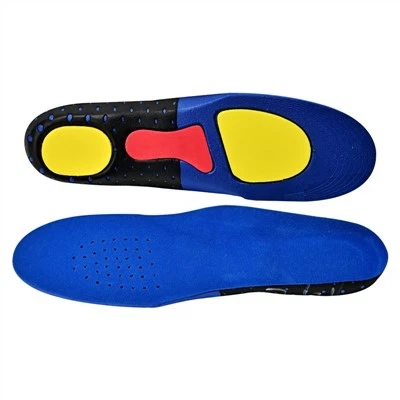
For buyers, engineers, and safety officers responsible for footwear procurement, the following step-by-step checklist helps distinguish micro-shock-ready inserts from generic options:
1. Confirm material type and specifications
- Look for high-rebound EVA with documented rebound and compression set characteristics. [jmsplastics]
- Ask suppliers for density, hardness, and rebound test data.
2. Evaluate design for vibration environments
- Check if the insert has reinforced heel and forefoot zones.
- Verify whether it has been tested or field-trialed in high-vibration workplaces.
3. Assess durability and maintenance
- Request information on expected lifespan under typical shift patterns.
- Confirm moisture resistance and cleaning instructions. [sinkeryfoam]
4. Review customization capabilities with OEM partner
- Ensure your insole supplier can adjust thickness, density, and geometry for your footwear line. [sinkeryfoam]
- Explore branding options (logos, colors, co-branded safety messages).
5. Run pilot tests with operators
- Conduct A/B tests between conventional and high-rebound EVA inserts across a few crews.
- Collect subjective feedback tied to fatigue, comfort, and perceived stability.
This structured approach aligns procurement with both engineering performance and operator experience, reducing the risk of treating insoles as a low-cost commodity.
From a footwear brand or manufacturer's perspective, integrating high-rebound EVA micro-shock inserts into product lines offers several strategic benefits:
- Differentiated value proposition: Positioning footwear as vibration-ready or micro-shock-optimized creates a clear competitive narrative in B2B catalogs. [delante]
- Cross-segment scalability: The same core EVA platform can be tuned for construction, mining, logistics, or manufacturing lines with different density and geometry combinations. [sinkeryfoam]
- Improved customer retention: Operators who feel less fatigued are more likely to remain loyal to the brand, especially in long-term corporate contracts.
By working with OEM partners like 3BU Technology, brands can co-develop private-label insert solutions that meet their specific regional safety norms, brand aesthetics, and cost targets, while leveraging existing EVA formulation and molding expertise. [jmsplastics]
When we view insoles from a user experience (UX) perspective, they sit at the intersection of comfort, safety, and productivity. Good micro-shock solutions:
- Lower perceived fatigue, which can indirectly support better concentration and fewer operational errors.
- Enhance footwear comfort, making operators more likely to keep safety boots on, tightened, and properly laced.
- Support posture and joint health, which complements other PPE such as anti-vibration gloves or anti-fatigue mats. [pubmed.ncbi.nlm.nih]
In many plants, the investment per pair of high-rebound EVA inserts is small compared to the cost of absenteeism, reduced productivity, or operator turnover due to chronic discomfort. Treating inserts as part of a broader ergonomics program aligns financial and safety outcomes.
To capture the full value of micro-shock-optimized inserts, brands and industrial end users can follow this three-phase roadmap:
1. Assessment Phase
- Identify high-vibration workstations and machinery (e.g., jackhammers, tamping machines, industrial presses).
- Map current footwear usage, operator complaints, and fatigue hotspots via surveys and safety audits.
2. Pilot Phase
- Collaborate with an OEM insole partner to develop or select a high-rebound EVA insert model tuned for your environment.
- Run a 6–12 week pilot with a defined group, capturing both subjective feedback and incident data (where available).
3. Rollout Phase
- Integrate inserts into your standard-issue safety footwear or offer them as an approved add-on.
- Communicate benefits clearly via toolbox talks, safety training, and internal campaigns to drive adoption.
Working with a manufacturing partner like 3BU Technology allows brands to compress this cycle by leveraging existing design libraries, test data, and production tooling for high-rebound EVA systems. [jmsplastics]
If you are an international footwear brand, wholesaler, or industrial PPE supplier, now is the time to move beyond generic insoles and integrate high-rebound EVA micro-shock inserts tailored for heavy vibrating machinery environments. By partnering with 3BU Technology, you gain:
- Access to customizable EVA formulations and insert geometries designed for industrial use.
- OEM-friendly services including branding, packaging, and specification support.
- A development partner experienced in aligning user comfort, safety requirements, and manufacturing efficiency.
To explore how high-rebound EVA micro-shock inserts can elevate your next footwear line or safety program, contact 3BU Technology's OEM team and request a tailored consultation and prototype proposal.
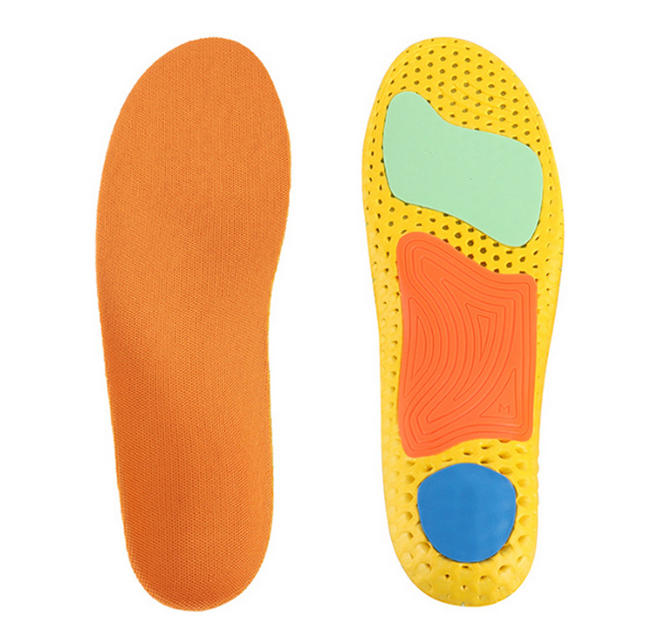
1. Are high-rebound EVA inserts only for heavy vibrating machinery?
No. While they excel in high-vibration settings, high-rebound EVA inserts also benefit workers who stand or walk for long hours by providing more consistent cushioning and support compared to many generic insoles. [sinkeryfoam]
2. How long do high-rebound EVA inserts typically last in industrial use?
Service life depends on operator weight, working hours, and environment, but high-rebound EVA's elastic recovery and moisture resistance usually allow for longer functional life than standard soft insoles under similar conditions. Many safety programs align replacement cycles with footwear or quarterly PPE reviews. [jmsplastics]
3. Can high-rebound EVA be combined with other materials in the same insert?
Yes. Many OEM designs combine a high-rebound EVA base with other layers such as softer top foams, gels, or specialized fabrics to optimize step-in comfort, breathability, and friction management. [zh.insolefactory]
4. Are there standards for testing micro-shock performance in insoles?
Formal standards are more developed in areas like mouthguards and protective equipment, where tests measure peak deceleration and thickness loss under repeated impact. For insoles, brands often adapt similar principles—evaluating transmitted forces, rebound, and compression set using internal or third-party lab protocols. [pubmed.ncbi.nlm.nih]
5. What should we ask an OEM insole partner before starting a project?
Key questions include: available EVA formulations and rebound data, customization options for density and geometry, production capacity, quality management systems, and whether they can support co-branded or private-label solutions aligned with your market positioning. [delante]
1. Delante. "How to Do SEO for the Footwear Industry?" (2023).
https://delante.co/footwear-industry-seo/ [delante]
2. SHV Media. "The Definitive Guide to SEO for Footwear Industry" (2025).
https://shvmedia.com/blogs/seo-guide-footwear-industry [shvmedia]
3. Sinkery Foam. "EVA Foam Insert Manufacturer for Customizable Packaging" (2025).
https://www.sinkeryfoam.com/eva-foam-insert-p-71.html [sinkeryfoam]
4. JMS Plastics. "J-Foam Air High Rebound EVA" (accessed 2025).
https://jmsplastics.com/product/j-foam-air-high-rebound-eva/ [jmsplastics]
5. PubMed. "Comparison of shock absorption capacities of three types of custom-made mouthguards" (2024).
https://pubmed.ncbi.nlm.nih.gov/38794914/ [pubmed.ncbi.nlm.nih]
6. PubMed. "Comparison of Shock Absorption Capacities of 3D-Printed Mouthguards" (2026).
https://pubmed.ncbi.nlm.nih.gov/41542780/ [pubmed.ncbi.nlm.nih]
7. AliExpress. "Why High Rebound Foam Is the Ultimate Choice for Tool Case Inserts" (accessed 2025).
https://www.aliexpress.com/s/wiki-ssr/article/high-rebound-foam [aliexpress]
8. Mitime. "China OEM PU Foam Shock Absorber Insoles Manufacturer and Supplier" (accessed 2025).
http://zh.insolefactory.com/oem-pu-foam-shock-absorber-insoles-product/ [zh.insolefactory]
9. CN Patent. "一种吸震卸力型鞋垫及其制作工艺" (2021).
https://patents.google.com/patent/CN113214636A/zh [patents.google]
10. LinkedIn. "Mastering SEO for Footwear Brands" (2025).
https://www.linkedin.com/pulse/mastering-seo-footwear-brands-allaboutai-com-ermqf [linkedin]


