
Language
Views: 222 Author: Edvo Publish Time: 2025-09-24 Origin: Site


Content Menu
● Understanding Dr Scholl Orthotics
>> How Dr Scholl Orthotics Work
● Should You Remove Existing Insoles?
>> When to Remove Existing Insoles
>> When to Keep Existing Insoles
● How to Properly Insert Dr Scholl Orthotics
● Benefits of Proper Orthotic Use
● How to Adjust to Wearing Orthotics
● Cleaning and Maintenance Tips
● Troubleshooting Orthotic Fit Problems
● Choosing the Right Dr Scholl Orthotic Model
>> 1. Do I always have to remove my insoles when using Dr Scholl orthotics?
>> 2. Can I use Dr Scholl orthotics in all types of shoes?
>> 3. How long does it take to get used to wearing orthotics?
>> 4. How often should I replace my Dr Scholl orthotics?
>> 5. Can orthotics fix all foot pain issues?
Using orthotic insoles can significantly improve foot comfort, alleviate pain, and support proper alignment. One common question among orthotic users is whether to remove their existing insoles before inserting Dr Scholl orthotics. This article thoroughly explores best practices for using Dr Scholl orthotics, clarifies when to remove insoles, and offers detailed guidance on maximizing comfort and effectiveness.

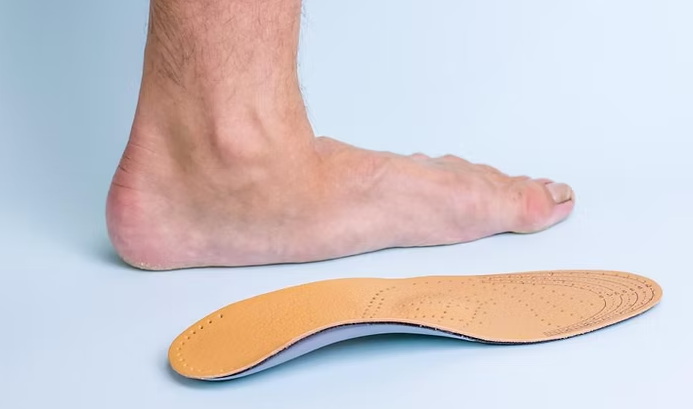
Dr Scholl orthotics are specially designed insoles crafted to provide arch support, reduce foot fatigue, and relieve discomfort related to flat feet, plantar fasciitis, and other common foot conditions. They vary by style, ranging from cushioned daily wear to targeted support insoles for sports or work shoes.
Orthotic insoles help by distributing pressure more evenly across the foot's surface, supporting the arch and stabilizing the heel. This reduces strain on muscles, tendons, and joints. By providing enhanced cushioning, they protect sensitive areas of the foot from repetitive impact, which is especially important for people who stand or walk for long periods.
Dr Scholl orthotics also encourage proper foot alignment, which can improve overall body posture and reduce pain not only in the feet but also in the lower back, knees, and hips. Many users report noticeable improvements in comfort during daily activities after switching to orthotics.
A crucial question is whether to remove the shoe's original insoles before inserting Dr Scholl orthotics. The answer depends on your shoe type, insole thickness, and comfort needs.
- Limited Shoe Space: Shoes designed with minimal interior room may not accommodate both the factory insoles and orthotics comfortably. Removing the factory insole can create more space and prevent feet from feeling cramped.
- Orthotic Fit and Function: Orthotics are designed to work directly against your foot's sole, so removing the original insole helps the orthotic sit flat and provide the intended support.
- Insoles Provide Poor Support: Factory insoles are often thin and offer minimal arch support or cushioning. If your original insoles are worn out or flat, removing them allows Dr Scholl orthotics to fully replace the support function.
- Avoid Adding Excessive Height: Using both insoles at once can raise the foot higher than intended, which might throw off shoe fit and balance.
- Extra Cushioning Needed: Some shoes have very thin factory insoles, and some users prefer to keep them for additional comfort alongside the orthotics.
- Minimal Orthotic Thickness: If the Dr Scholl orthotics are slim and fit well with the existing insoles without causing tightness, keeping both can be an option.
- Sport-Specific or Specialty Shoes: Certain athletic shoes or safety footwear have integrated insoles that contribute to shoe structure, making removal complicated or undesirable.
- Personal Preference: Some users find the combination of original insoles and orthotics more comfortable during short-term usage or specific activities.
Trying options both with and without the factory insoles will help determine what works best for your feet and shoes. Pay close attention to any signs your feet send, such as pressure points, cramping, or rubbing.
To maximize comfort and effectiveness, proper insertion of Dr Scholl orthotics is essential. Follow these steps carefully:
1. Remove the existing insole (if you decide to remove it) by gently lifting it from the heel inside the shoe. Avoid tearing or damaging the shoe interior.
2. Place the orthotic inside the shoe, making sure it aligns correctly. The heel cup should cradle the back of the shoe securely, and the arch support should match the natural contour of your foot.
3. Test the fit by slipping your foot inside and walking slowly. Check for tightness, slipping, or discomfort.
4. Adjust placement slightly if needed, sliding the orthotic forward or backward until it feels natural.
5. Wear shoes with orthotics for short periods initially to build comfort, gradually increasing the duration.
6. If the shoe still feels tight or causes discomfort, remove the original insoles if you haven't already tried this step.
By following these steps, you ensure the orthotics function as designed and provide maximum support throughout the day.

When used correctly, Dr Scholl orthotics offer several significant benefits:
- Reduced Foot Pain: Orthotics relieve pressure on sensitive structures like the plantar fascia, reducing heel pain and arch discomfort.
- Improved Posture and Alignment: Supporting the foot's natural arches improves the alignment of your ankles, knees, hips, and lower back, potentially reducing joint strain.
- Enhanced Athletic Performance: By stabilizing the feet and absorbing shocks, orthotics decrease fatigue and the risk of injury during physical activity.
- Increased Shoe Longevity: Orthotics help prevent uneven wear inside shoes by distributing pressure more evenly.
- Increased Comfort: Whether at work or during leisure, orthotics reduce the accumulation of stress caused by prolonged standing or walking.
To get the best results from Dr Scholl orthotics, avoid these common pitfalls:
- Wear orthotics in shoes that do not fit properly, causing discomfort or instability.
- Ignore signs of discomfort, which could indicate you need adjustments or a different size/type of orthotic.
- Use orthotics without the necessary break-in period, which can lead to soreness.
- Forget to replace worn-out factory insoles when needed.
- Skip cleaning and maintenance, allowing buildup of bacteria or debris that can reduce orthotic performance.
Adapting to new orthotics takes time. Follow these tips for a smooth transition:
- Start wearing orthotics for 1 to 2 hours per day. Monitor your comfort and increase use gradually over 1-2 weeks.
- Pay attention to discomfort or pain. Mild soreness is normal initially, but sharp pain is a sign to remove the orthotics temporarily.
- Rotate shoes with and without orthotics during the adjustment period to avoid overstraining.
- Consider consulting a podiatrist for personalized advice if discomfort persists.
- Replace orthotics regularly. Materials can break down over time affecting support levels.
Maintaining your Dr Scholl orthotics ensures longevity and hygiene:
- Clean once a month or as needed using mild soap and warm water.
- Avoid soaking orthotics or using harsh chemicals.
- Air dry orthotics away from direct heat or sunlight, which may warp or damage them.
- Inspect orthotics regularly for cracks or signs of wear and replace if necessary.
Orthotics should improve comfort, but problems can occasionally occur:
- Tight shoes: Try removing factory insoles or switching to shoes with more interior space.
- Slipping orthotics: Ensure proper alignment and consider orthopedic adhesive pads or sprays.
- Discomfort or pressure spots: Add thin cushioning over or under orthotics or allow more break-in time.
- Persistent pain: Seek professional evaluation, as another orthotic design may be more suitable.
Fine-tuning fit and usage habits typically resolves most issues.
Dr Scholl offers various orthotics designed for different purposes:
- Daily Comfort Insoles: Thinner models for all-day cushioning.
- Sports Orthotics: Designed for shock absorption and stability.
- Work and Safety Orthotics: Enhanced durability and arch support for standing jobs.
- Specialty Insoles: Targeted for conditions like plantar fasciitis or flat feet.
Understanding your foot's specific needs helps in selecting the right model to maximize benefits.
For most users, removing the existing insoles when using Dr Scholl orthotics provides better fit, comfort, and support. However, individual shoe choices and preferences may allow keeping original insoles if space permits. The key is to ensure your orthotics sit securely and comfortably to maximize their benefits. Gradual adaptation and regular replacement will prolong usage and improve foot health.
By carefully considering shoe type, foot needs, and proper insertion methods, Dr Scholl orthotics can be a valuable tool for improved comfort, pain relief, and foot alignment. Always listen to your body and adjust usage as needed to achieve the best results.
No, it depends on shoe fit and thickness. Removing original insoles is necessary if adding orthotics causes tightness or discomfort in the shoe, but in some cases orthotics can be used with existing insoles.
Most casual, athletic, and work shoes accommodate orthotics well, but very tight or minimal footwear like high heels may not. Choose shoes with removable insoles for easier fit adjustments.
Break-in periods vary but typically take 1 to 2 weeks. Start with short wear times, gradually increasing daily to allow your feet to adapt.
Replacement is generally recommended every 6 to 12 months depending on wear and activity levels to maintain optimal support.
Orthotics are effective for many common foot problems like plantar fasciitis and flat feet, but more severe injuries or structural issues require professional medical evaluation.


