
Views: 222 Author: Edvo Publish Time: 2026-01-02 Origin: Site


Content Menu
● Understanding HSAs and Foot-Related Expenses
● Are Orthotic Insoles HSA-Eligible?
● Custom Orthotics vs Prefabricated Insoles
● When Orthotic Insoles May Not Be Covered
● Common Foot Conditions That Justify HSA-Covered Insoles
● Documentation Requirements for HSA Reimbursement
● Practical Steps to Use HSA Funds for Orthotic Insoles
● HSA vs FSA for Orthotic Insoles
● Buying Channels and Product Positioning for Orthotic Insoles
● How OEM Insole Manufacturers Can Support HSA-Friendly Products
● Tips for Consumers Before Buying Orthotic Insoles with HSA Funds
● FAQ
>> 1. Are all orthotic insoles automatically covered by my HSA?
>> 2. Do I always need a prescription or Letter of Medical Necessity?
>> 3. Can I buy custom orthotics from a podiatrist using my HSA card?
>> 4. Are over-the-counter insoles from retail stores HSA-eligible?
>> 5. How can brands and OEM manufacturers help customers use HSAs for insoles?
Health Savings Accounts (HSAs) can cover orthotic insoles when they are considered medically necessary orthopedic shoe inserts prescribed or recommended to treat a specific foot condition. In many cases, both custom orthotics and medically oriented prefabricated insoles qualify as eligible medical expenses if they are used to relieve pain, correct biomechanical issues, or prevent complications rather than provide general comfort.[2][3]
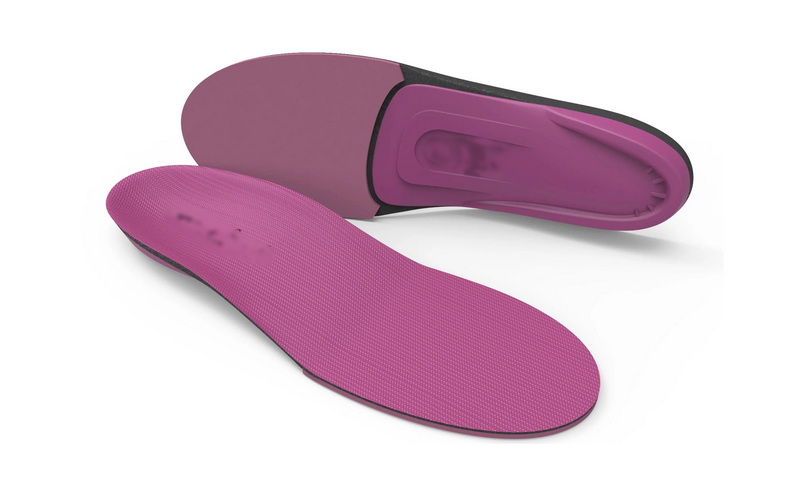
A Health Savings Account is a tax-advantaged savings account available to people enrolled in qualifying high-deductible health plans, allowing them to set aside pre-tax dollars for eligible medical costs. These accounts are designed to pay for a wide range of healthcare services and products, including certain medical devices that support mobility, reduce pain, or manage chronic conditions.[4][5]
When it comes to foot care, eligible expenses can include items such as orthopedic shoe inserts, custom orthotics, certain orthopedic shoes, and clinical visits with podiatrists or orthopedic specialists. Orthotic insoles fall into this category when they are prescribed to address specific medical diagnoses, such as plantar fasciitis, flat feet, overpronation, diabetic foot complications, or arthritis-related foot pain.[6][2]
Orthopedic shoe inserts and orthotic insoles are widely recognized as eligible under many HSA plans when they are used to treat or manage a diagnosed medical condition rather than offer general comfort. Many HSA and medical expense lists explicitly classify “orthotics” and “orthopedic shoe inserts” as qualified medical expenses, making them reimbursable with HSA funds when medically necessary.[3][7]
Both custom orthotics and high-quality prefabricated insoles can qualify. Custom devices are usually prescribed by a podiatrist after a clinical assessment, while prefabricated orthotic insoles use structured arch support, heel cups, and stabilizing features engineered to help common foot problems. If the primary purpose of the insole is to treat pain, improve alignment, or prevent injury related to a diagnosed issue, HSA use is usually easier to justify.[1][2][6]
Custom orthotics are individually designed devices, often created from molds or digital scans of the patient's feet. These orthotics are typically prescribed when over-the-counter insoles do not provide adequate relief, or when a complex biomechanical problem requires targeted correction. Because they are clearly medical in nature and are dispensed by healthcare professionals, custom orthotics are often straightforward HSA-eligible expenses, especially when accompanied by proper documentation.[8][9][6]
Prefabricated orthotic insoles are mass-produced but still offer structured support and correction for issues like plantar fasciitis, flat feet, heel spurs, or metatarsalgia. Many reputable brands classify specific models as HSA and FSA eligible, particularly those that are marketed as orthopedic or therapeutic insoles rather than generic comfort products. When these prefabricated insoles are recommended by a healthcare provider to treat a diagnosed condition, they can also fit within HSA guidelines as medical expenses.[10][3][1]
HSAs are not intended to cover products used mainly for general comfort, style, or athletic performance with no clear medical purpose. Soft gel cushions, fashionable comfort pads, and performance insoles marketed solely for sports enhancement, without any mention of medical conditions, are more likely to be viewed as non-eligible or “dual-purpose” expenses.[11][4]
The concept of dual-purpose items is important. If a product could reasonably be used by a healthy person for general comfort, but it is also prescribed for a medical issue, the HSA administrator may require extra documentation to prove it is being used as a medical device. Without records of a diagnosis or recommendation, generic insoles bought casually at a convenience store are likely to be rejected as HSA expenses.[12][13][4]
Orthotic insoles tied to a clear diagnosis stand a much stronger chance of being accepted as eligible HSA expenses. Some common conditions that often warrant custom or prefabricated orthotic insoles include the following.[6]
- Plantar fasciitis: Inflammation of the tissue connecting the heel bone to the toes, causing intense heel pain, especially in the morning or after rest. Orthotic insoles with firm arch support and heel cushioning can reduce strain on the plantar fascia and are frequently prescribed for this condition.[8][1]
- Flat feet (pes planus) and fallen arches: When arches collapse or are insufficient, weight distribution changes and can cause fatigue, pain, and knee or back issues. Structured arch-support insoles help raise and support the arch to improve alignment and reduce stress.[2][6]
- Overpronation and supination: Abnormal inward or outward rolling of the foot during walking or running can lead to ankle instability, shin splints, or knee pain. Orthotic insoles with motion-control features can correct these gait patterns and are often part of a biomechanical treatment plan.[14][8]
- Diabetic foot complications: People with diabetes often experience neuropathy and altered pressure points that increase the risk of ulcers and wounds. Specialized insoles designed to redistribute pressure and protect sensitive tissue are commonly prescribed and recognized as medical devices.[2][8]
- Arthritis and joint issues: Osteoarthritis, rheumatoid arthritis, and other joint problems can alter foot structure and load distribution, leading to pain and mobility challenges. Orthotic insoles help improve stability and reduce painful pressure points for many patients with arthritis.[14][6]
When insoles are clearly linked to managing or preventing these kinds of issues, they align well with the medical expense criteria required by HSAs.[4]
While specific requirements vary by HSA administrator, several common documentation elements help justify orthotic insoles as eligible expenses. These typically include clinical documentation and financial records.[15]
A Letter of Medical Necessity is one of the most important documents for borderline or higher-cost items. This letter is usually written by a podiatrist, orthopedist, or another qualified provider and summarizes the diagnosis, the patient's symptoms, the recommended treatment plan, and the role of orthotic insoles in that plan. Including clear language that the insoles are needed to treat or prevent a specific condition, rather than to provide comfort, helps align with HSA rules.[13][4][6]
Patients also need itemized receipts from the clinic, retailer, or manufacturer that clearly state what was purchased, the date, and the amount paid. When the description explicitly mentions “orthotics,” “orthopedic shoe inserts,” or “custom orthotic insoles,” it becomes easier for administrators to classify the purchase correctly. Retaining both medical and financial records is recommended for tax and audit purposes.[3][12][14]
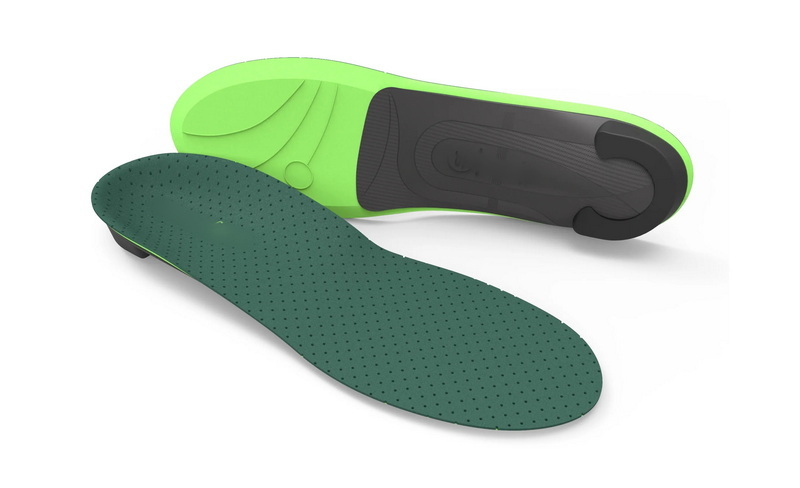
Patients who want to use their HSA for orthotic insoles can follow a simple practical sequence to increase the likelihood of smooth reimbursement.[6]
1. Visit a qualified healthcare provider
A consultation with a podiatrist, orthopedic doctor, or primary care physician is the starting point when foot pain, instability, or chronic discomfort appears. During the visit, the provider evaluates symptoms, reviews medical history, and may conduct gait assessments or imaging.[8][14]
2. Obtain a clear diagnosis
The provider identifies any underlying conditions, such as plantar fasciitis, flat feet, or diabetic neuropathy, that justify orthotic treatment. Proper diagnosis code documentation strengthens the medical basis for orthotic insoles.[1][6]
3. Ask for a written recommendation
Patients should ask the provider for a prescription or a written recommendation that specifies the type of insole required, such as custom orthotics, rigid arch supports, or cushioned diabetic inserts. This recommendation can later accompany any reimbursement claim.[13][15]
4. Request a Letter of Medical Necessity if needed
For many HSA plans, a formal Letter of Medical Necessity is useful, especially for custom orthotics or more expensive prefabricated products. The letter should mention the condition being treated and clearly state that orthotic insoles are part of the therapeutic plan.[4][6]
5. Choose an appropriate supplier
Patients can purchase orthotic insoles from medical clinics, specialty retailers, or online stores that clearly indicate HSA and FSA eligibility. Selecting suppliers that operate in healthcare merchant categories simplifies the process of using an HSA card directly at checkout.[10][1]
6. Pay with HSA funds or seek reimbursement
When possible, using an HSA debit card for direct payment ensures funds come straight from the account and avoids an extra reimbursement step. If direct payment is not accepted, patients can pay out of pocket and then submit documentation to their HSA administrator to request reimbursement.[14][6]
7. Keep records for future reference
Patients should store receipts, prescriptions, and letters with their tax records in case of questions or audits about the medical nature of the expense. Proper documentation supports both plan compliance and peace of mind.[12][4]
Both HSAs and Flexible Spending Accounts (FSAs) can be used to pay for orthotic insoles, but they differ in structure and long-term use. From a foot care perspective, eligible items are often similar, yet each account type carries distinct advantages.[16]
An HSA is owned by the individual and is usually portable, meaning funds can roll over year after year, accumulate investment gains, and remain linked to the account holder even when employment changes. This long-term flexibility allows people who frequently rely on orthotic devices to plan ongoing care over multiple years.[16][4]
An FSA is generally employer-sponsored, with contribution limits and “use-it-or-lose-it” rules that may allow only limited rollover or grace periods. For patients who know they will need orthotic insoles, FSAs can still be an effective way to use pre-tax funds, but timing becomes more important to avoid forfeiting unused balances. For both account types, orthotic insoles tied to a clear medical need are often reimbursable.[9][17][2]
In many markets, consumers obtain orthotic insoles through several channels, including podiatry clinics, specialty orthopedic stores, pharmacies, sporting goods shops, and online platforms. Each channel comes with different documentation practices, return policies, and labeling standards that can influence HSA reimbursement.[10][1]
Clinics and specialty medical retailers usually provide more detailed medical descriptions and diagnostic links on invoices, which makes it easier to establish the expense as medical. Pharmacies and general online retailers may sell both medically oriented orthotic insoles and generic comfort insoles, so careful product selection and attention to labeling is critical.[7][14]
From a product positioning standpoint, insoles that clearly emphasize therapeutic features such as arch correction, heel stabilization, shock absorption, and pressure redistribution are more likely to align with medical definitions. Packaging and product descriptions that refer directly to conditions like plantar fasciitis, flat feet, or diabetic foot care provide stronger support for HSA eligibility than vague comfort claims.[18][1]
For OEM insole manufacturers serving international brands, wholesalers, and footwear producers, aligning products with medical market expectations can significantly increase competitiveness. Rather than offering only basic comfort inserts, manufacturers can develop specialized orthotic lines designed for specific conditions, with technical structures that meet clinical requirements.[15][1]
Several strategies help manufacturers support HSA-friendly positioning through their clients:
Engineering medically oriented designs:
Manufacturers can incorporate multi-density foams, anatomically shaped arches, deep heel cups, metatarsal pads, and forefoot cushioning that address biomechanical issues. Testing insoles with gait analysis or pressure mapping and sharing the results with brand customers helps demonstrate clinical value.[1][6]
Providing detailed technical documentation:
Data sheets that describe materials, arch heights, shore hardness, stability zones, and pressure-relief features help brands and healthcare partners understand how the insole functions as a therapeutic product. These materials can be adapted into consumer-facing content to strengthen the medical positioning at retail level.[18][10]
Aligning packaging and labeling with medical use:
Leaving space on packaging for a clinic or provider to add a prescription label, patient name, or clinic stamp can be very useful for customers who intend to submit HSA claims. Clear wording such as “orthopedic shoe insert,” “orthotic insole,” or “for plantar fasciitis and heel pain relief” supports the interpretation that the product is intended for medical use.[7][18]
Offering consistent quality and traceability:
Many brands that target the medical or therapeutic market need consistent product specifications and traceable batches for quality assurance. OEM factories that can provide stable production, clear traceability, and quality certifications make it easier for brands to build trust with both healthcare professionals and end users.[15][1]
By working closely with brand owners to position insoles as legitimate therapeutic devices rather than simple accessories, OEM manufacturers can indirectly support consumers who wish to use HSAs for their purchases.[15]
Before using an HSA card to purchase orthotic insoles, consumers can follow some practical tips to avoid misunderstandings or claim denials.[6]
Confirm eligibility with the HSA administrator:
Plan rules can differ, so it is wise to review the plan's eligible expense list or contact customer service to confirm that orthotic insoles are covered and whether a prescription or letter is required. Early confirmation saves time and reduces the risk of rejected claims.[2][4]
Check product labeling and descriptions:
Choosing products clearly described as orthopedic or orthotic insoles for specific conditions provides stronger justification for HSA use than buying generic comfort insoles. Labels and online descriptions should mention therapeutic benefits and target conditions.[7][10]
Keep all documentation:
Consumers should keep doctor recommendations, diagnosis codes if available, letters of medical necessity, and itemized receipts in one place. Good record-keeping is crucial if the HSA administrator or tax authorities later ask for proof that the expense was medical.[12][14]
Consider long-term foot health:
Even when cost is a concern, selecting higher-quality insoles that effectively address foot issues can reduce the need for repeated purchases and further medical consultations. HSAs make it easier to invest in quality devices because contributions are made with pre-tax dollars.[4][6]
Health Savings Accounts do cover orthotic insoles when those insoles are used primarily as medical devices to treat or prevent specific foot conditions such as plantar fasciitis, flat feet, or diabetic foot complications. Custom orthotics and high-quality prefabricated orthotic insoles can qualify as eligible HSA expenses when supported by a clinical diagnosis, professional recommendation, and proper documentation, including letters of medical necessity and itemized receipts. Consumers benefit from understanding their plan's rules, verifying eligibility in advance, and carefully selecting products that are clearly positioned as orthopedic or therapeutic insoles. For international OEM manufacturers supplying brands, wholesalers, and footwear producers, designing medically oriented insoles and providing strong technical documentation and packaging support can make their products more attractive to customers who rely on HSAs for foot care.[2][4][6][15]
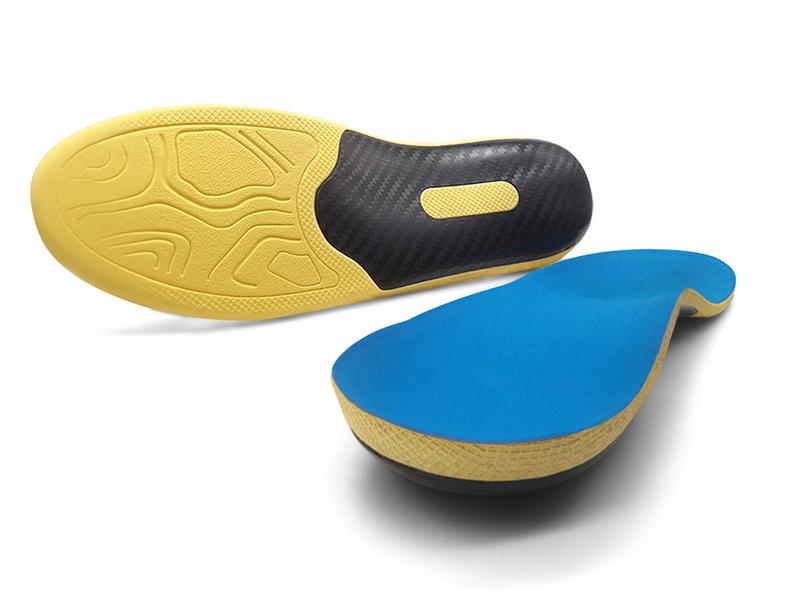
No, orthotic insoles are not automatically covered in every situation; HSAs usually reimburse only those insoles that are used to treat or manage a medical condition, not purely for comfort or performance. To increase the chance of eligibility, consumers should link their insole purchase to a diagnosis and follow a healthcare provider's recommendation.[4][6]
Not every plan demands the same documentation, but many HSA administrators request a prescription or Letter of Medical Necessity for orthotic insoles, especially for custom products or higher-cost purchases. This letter helps demonstrate that the insoles are medically necessary rather than general wellness items, aligning the expense with HSA rules.[15][4]
In many cases, patients can purchase custom orthotics directly from a podiatrist or orthopedic clinic using an HSA card, as long as the clinic's merchant category code is recognized as a healthcare provider. If direct HSA payment is not possible, patients can pay out of pocket and then submit an itemized invoice and supporting documentation to request reimbursement.[14][6]
Over-the-counter insoles from pharmacies or online retailers can be HSA-eligible when they are recommended by a medical professional for a specific diagnosis and documented as part of a treatment plan. Generic comfort insoles with no documented medical purpose are more likely to be denied, so consumers should prioritize products marketed as orthotic or orthopedic inserts for defined conditions.[11][13]
Brands and OEM manufacturers can support customers by developing orthotic insoles with clear medical features, such as structured arch support and heel stabilization, and by highlighting therapeutic benefits in technical documents and packaging. Providing detailed product specifications, condition-targeted messaging, and packaging space for clinician labels makes it easier for healthcare providers and end users to justify HSA reimbursement for these insoles.[1][15]
[1](https://powerstep.com/pages/hsa-fsa-eligible-orthotics-by-powerstep)
[2](https://livelyme.com/whats-eligible/orthopedic-shoe-inserts)
[3](https://hsastore.com/hsa-eligibility-list/o/orthotics)
[4](https://www.hsabank.com/HSABank/Learning-Center/IRS-qualified-medical-expenses)
[5](https://www.cigna.com/individuals-families/member-guide/eligible-expenses)
[6](https://www.upstep.com/a/blog/get-reimbursed-for-orthotics-from-hsa-here-s-how)
[7](https://hsastore.com/hsa-eligibility-list/o/orthopedic-shoe-inserts)
[8](https://www.wasatchfai.com/post/using-your-hsa-or-fsa-for-foot-care)
[9](https://www.upstep.com/a/blog/fsa-eligible-buy-custom-orthotics-with-your-fsa-funds)
[10](https://theinsolestore.com/collections/hsa-fsa-eligible-products)
[11](https://www.withflex.com/blog/how-to-use-your-hsa-fsa-to-pay-for-orthopedic-shoes)
[12](https://www.irs.gov/publications/p502)
[13](https://www.foottek.com/post/can-i-use-my-hsa-or-fsa-for-mobile-orthotics-appointments)
[14](https://primecareprosthetics.com/blog/does-insurance-cover-orthotics)
[15](https://orthoticsdirect.com/pages/hsa-fsa-eligibility)
[16](https://www.custom-insoles.com/fsa-vs-hsa-which-is-right-for-you/)
[17](https://fsastore.com/fsa-eligibility-list/i/insoles)
[18](https://www.orthofeet.com/collections/hsa-fsa-eligible-insoles-socks)


