
Language
Views: 222 Author: Edvo Publish Time: 2026-01-07 Origin: Site


Content Menu
● Why Orthotics Are More Than Comfort Accessories
● How Insurance Determines Orthotic Coverage
● Common Conditions That Qualify for Coverage
● Requirements for Insurance Coverage Approval
● How Major Insurance Plans Handle Orthotics
>> Veterans Affairs and Workers' Compensation
● How to File an Orthotic Insurance Claim
● What to Do If Your Claim Is Denied
● Alternatives When Insurance Does Not Cover Orthotics
● How to Check Your Orthotic Coverage in Advance
● Replacing or Updating Orthotics
● Maintaining Orthotics for Long-Term Use
● Cost and Reimbursement Overview
● The Growing Market for Orthotics
● FAQ
>> 1. Are custom orthotics considered medical devices?
>> 2. Do I need a referral to obtain coverage for orthotics?
>> 3. Can I pay for orthotics using FSA or HSA accounts?
>> 4. How often can orthotics be claimed under insurance?
>> 5. What can I do if my insurance denies my orthotic claim?
Orthotic insoles, also known as custom orthotics or prescription shoe inserts, are medical-grade products designed to improve comfort, stability, and biomechanics. They are extremely useful for people who experience chronic foot pain, alignment issues, or conditions such as flat feet, plantar fasciitis, and heel spurs. However, because these devices can be expensive—often costing several hundred dollars—many people wonder: Does insurance cover orthotic insoles?
The answer depends on your insurance plan, medical diagnosis, and the specific documentation your healthcare provider submits. This guide explains every aspect of orthotic insurance coverage, including what qualifies for reimbursement, how to submit a claim, and what to do if your plan doesn't cover them.
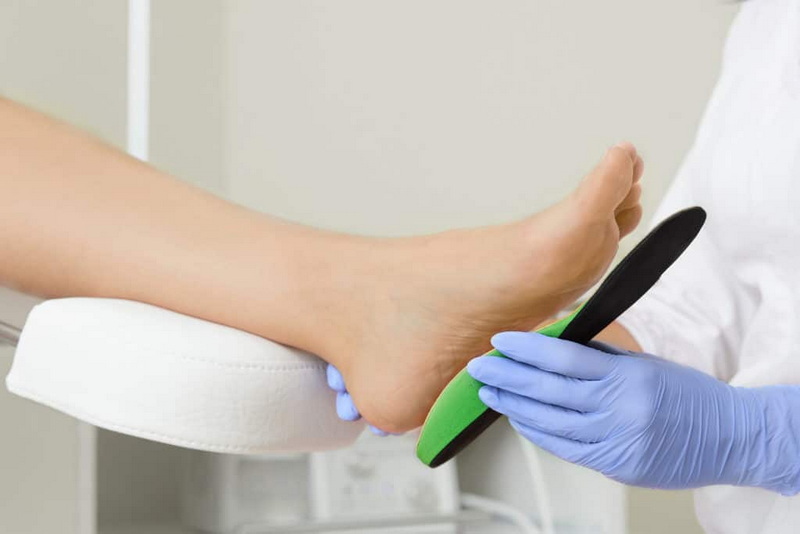
Orthotic insoles are support devices placed inside shoes to align the foot and ankle in the most anatomically efficient way. There are two main categories:
- Custom orthotics: Designed specifically for your feet based on a mold, digital scan, or pressure analysis. These personalized insoles correct structural abnormalities and redistribute body weight efficiently.
- Prefabricated (off-the-shelf) insoles: Available in retail stores and online, these are made for general comfort or minor support needs but don't address specific medical conditions.
Custom orthotics are usually recommended when foot pain, leg imbalance, or repetitive injuries interfere with daily life. Over time, the right pair can drastically improve body alignment, reduce chronic discomfort, and prevent long-term musculoskeletal issues.
It's a common misconception that orthotics are simply “comfortable inserts.” In reality, they function as medical corrective tools used to manage or prevent mobility problems. The role of orthotic insoles extends beyond cushioning—they enhance balance, relieve strain on joints, and improve gait patterns.
For patients with diabetes, orthotics help reduce foot pressure and prevent ulcers, which can lead to serious complications if left untreated. For athletes, orthotics play a preventive role by stabilizing the foot and improving energy transfer during performance. Workers who stand on hard surfaces for long hours rely on them to avoid fatigue and joint pain.
In short, orthotics can support not just healthy feet but overall body mechanics—an essential reason insurance companies often categorize them under medical benefits rather than lifestyle accessories.
Insurance coverage depends on how the insurer defines and classifies orthotics. They usually fall under orthopedic devices or durable medical equipment (DME) used to restore or improve a physical function. However, not all policies treat them equally.
Insurance companies typically distinguish between:
1. Custom medical orthotics: Made based on a medical prescription to treat a diagnosed condition. These are often eligible for full or partial reimbursement.
2. Over-the-counter insoles: Mass-produced items sold for comfort or casual foot support, typically not covered by insurance.
Insurance coverage also depends on the medical documentation you provide. A clear diagnosis indicating that orthotics are required to treat a specific problem—such as plantar fasciitis, arthritis, or structural deformity—greatly increases the possibility of approval.
While each policy may vary, insurance generally covers orthotic insoles prescribed for specific medical issues, including:
- Flat feet or fallen arches
- Plantar fasciitis and heel spurs
- Metatarsalgia (pain in the ball of the foot)
- Severe foot pronation or supination
- Post-surgery rehabilitation
- Arthritis-related foot pain
- Diabetic neuropathy and ulcer prevention
- Leg length discrepancy
Conditions purely linked to comfort, fatigue, or athletic performance enhancement usually do not qualify, unless there's a documented medical justification.
To receive coverage, certain documentation and process steps must align with your insurance provider's rules. Generally, you will need:
1. A medical diagnosis and prescription: A licensed podiatrist or orthopedic specialist must evaluate your condition and prescribe custom orthotics as medically necessary.
2. Detailed supporting documentation: Include doctor's notes, diagnostic codes, gait analysis results, or imaging (such as X-rays) if relevant.
3. Purchase from authorized suppliers: The orthotic must be ordered from an insurance-approved medical provider or distributor. Purchasing orthotics online without a prescription usually voids eligibility.
4. Correct claim submission: Submit the receipt, prescription, and diagnosis documentation in the proper claim form format specified by your insurance policy.
Ignoring one of these steps can result in partial reimbursement or complete denial of your claim.
Large insurers such as Blue Shield, Cigna, and Aetna usually categorize custom orthotics as reimbursable medical devices when justified by a diagnosis. However, the reimbursement amount varies. Some plans cover 50%–80% of the total cost, while others cap the annual benefit at a specific dollar amount.
Many employers provide extended health coverage that includes orthotics. These policies often set annual limits between $200 and $500. Even if the full cost isn't covered, submitting claims consistently each year can help replenish coverage for future replacements.
Government medical programs typically restrict orthotic coverage to foot complications related to diabetes or severe orthopedic deformities. General use or sports orthotics are typically excluded. Coverage may also require the orthotic to be part of an orthopedic shoe prescribed by a doctor.
Veterans Affairs health programs often cover orthotics when symptoms stem from a service-related injury. Workers' compensation insurance can also cover orthotics if the condition developed due to occupational strain or workplace accidents.
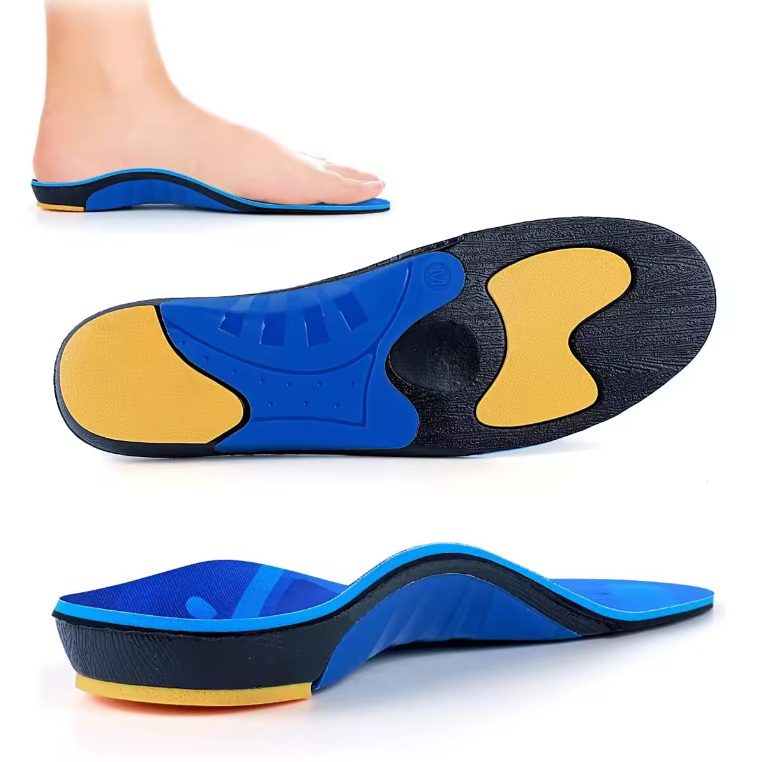
Even when covered, insurance reimbursement might not include every step of the process. Patients may still need to pay out of pocket for the following:
- Initial podiatry consultation and foot examination
- Diagnostic imaging, gait analysis, or scanning
- Adjustment appointments and device maintenance
- Shoe modifications or replacements accompanying the orthotic
These costs can total several hundred dollars, so it's important to confirm with your provider which charges are reimbursed before proceeding.
Successfully filing an orthotic claim requires thorough preparation. Follow these steps for smoother reimbursement:
1. Get a professional diagnosis. Visit a podiatrist or orthopedic doctor who can document your foot condition and recommend orthotics.
2. Secure a detailed prescription. Request itemized paperwork listing the specific orthotic type, purpose, and duration of use.
3. Purchase through approved channels. Buy from medical orthotic labs or registered clinics that provide itemized receipts and product codes.
4. Complete your insurance claim form. Include copies of the prescription, receipt, diagnosis, and any supporting materials.
5. Submit and monitor your claim. Review your insurer's status updates and respond quickly to requests for more documentation.
For peace of mind, keep digital and physical copies of every related document for at least one year.
Claim denials are common, especially when the insurer interprets your orthotic purchase as “comfort-based.” You can appeal by taking these steps:
- Ask your doctor to issue a letter of medical necessity explicitly stating that the orthotic is essential to treat your condition.
- Include evidence such as X-rays, gait analysis results, or treatment history.
- Submit an appeal following your insurer's instructions, ensuring deadlines and format requirements are followed.
- Keep a record of communication with your insurance representative for reference.
Persistence is often key—many claims get approved on appeal once stronger documentation is provided.
If your plan excludes coverage, there are several cost-friendly options available:
- Health Savings Account (HSA) or Flexible Spending Account (FSA): With a doctor's prescription, you can use these pre-tax accounts to pay for orthotics, effectively lowering the total cost.
- Clinic payment plans: Many orthotic providers offer installment options or deferred payment programs.
- Manufacturer warranties: Some orthotic labs offer free adjustments or replacements within a certain period, reducing long-term expenses.
- Online medical-grade retailers: Some certified online providers sell semi-custom orthotics at significantly lower prices while still following professional medical standards.
Taking time to explore options ensures that your comfort and recovery are not hindered by cost barriers.
Before spending money, call your insurance provider and ask specific questions such as:
- Is custom orthotic coverage part of my policy?
- Do I need a referral from a podiatrist or orthopedic specialist?
- Are scanning and adjustment fees included?
- What is the annual reimbursement limit?
- Do I need pre-authorization or prior claim submission?
- Must I purchase from specific clinics or vendors?
Document your conversation by noting the date, time, and representative's name. This record can protect you in case of future disputes.
Even the most durable custom orthotics wear down over time. The general replacement cycle averages between one and three years, depending on usage, activity level, and materials. Some insurance policies allow reimbursement for replacements within a fixed time frame if a new prescription justifies medical necessity.
Children and athletes typically require new pairs more frequently due to growth or high-impact use. Always check your policy's refresh cycle so you can plan replacements without unexpected costs.
Proper care can extend the life of orthotic insoles and keep them effective for years. Follow these simple maintenance tips:
- Clean regularly using mild soap and water, avoiding extreme heat exposure.
- Rotate between two pairs if you frequently use orthotics throughout the week.
- Store them in a dry area to prevent moisture damage.
- Schedule annual check-ups with your podiatrist to ensure continued effectiveness.
Taking care of your orthotics not only saves money but maintains the medical benefits they provide.
The total cost of custom orthotic insoles typically ranges from $300 to $800, though complex designs or medical-grade materials can exceed $1,000. Prefabricated insoles are much cheaper, usually between $50 and $150, but they are rarely reimbursed.
Insurance reimbursement varies widely but tends to cover 20%–80% of the cost when approved. Patients may still pay certain portions such as deductibles, co-pays, or service fees. Always weigh the cost-benefit ratio between premium custom orthotics and partially covered alternatives.
The global orthotic industry has grown steadily as awareness of foot health increases. Modern technology has made orthotics more precise and durable. 3D printing, advanced memory foams, and computer-aided gait analysis have made it possible to create highly accurate models that fit perfectly and last longer.
This growing demand also pushes insurance regulators to reconsider orthotic coverage policies, as more people now need foot support due to sedentary workstyles and chronic posture issues. Understanding how insurance interacts with this evolving technology can help patients maximize benefits efficiently.
Whether insurance covers orthotic insoles depends mainly on your diagnosis, the medical justification provided, and your insurance policy's terms. Custom orthotics prescribed by a licensed healthcare provider to address specific health conditions are far more likely to be covered than off-the-shelf inserts.
If your plan excludes orthotics, consider using HSAs, FSAs, or clinic-based financing solutions to manage costs effectively. Remember, the right orthotics do more than comfort your feet—they protect joints, enhance posture, and prevent injuries. Seeking proper coverage helps you make an informed decision and invest wisely in long-term foot health.

Yes. When prescribed by a licensed professional, custom orthotics are recognized as medical devices designed to correct biomechanical or structural issues in your feet.
Most insurers require a prescription or referral from a podiatrist, orthopedic doctor, or rehabilitation specialist to confirm medical necessity and approve reimbursement.
Yes. As long as you have a valid medical prescription, both Flexible Spending Accounts and Health Savings Accounts can be used to pay for orthotics with pre-tax funds.
Generally, insurance providers allow one reimbursement claim every 12 to 24 months, depending on plan specifics and proof of medical necessity.
File an appeal with supporting documents, including physician letters, diagnosis codes, and proof of medical need. Strengthening your case with detailed evidence often improves approval chances.


