
Language
Views: 222 Author: Edvo Publish Time: 2026-01-08 Origin: Site


Content Menu
● Understanding the Purpose of Orthotic Inserts
● Common Conditions Corrected by Orthotic Inserts
>> Heel Spurs
>> Overpronation and Supination
>> Diabetic Foot Complications
>> Arthritis and Joint Disorders
● Advantages Beyond Medical Correction
● Factors to Consider When Choosing Orthotic Inserts
● Lifestyle Integration: Getting the Best Results
>> Tips for Successful Adaptation:
● The Role of Orthotics in Sports Performance
● FAQ
>> 1. What are the main types of orthotic inserts?
>> 2. How long should orthotic inserts last?
>> 3. Can orthotics help prevent sports injuries?
>> 4. Are orthotic inserts suitable for everyday shoes?
>> 5. Do orthotics make walking or running more difficult?
Orthotic inserts are specialized devices designed to support, align, and improve the function of the feet and lower limbs. These highly effective medical and comfort tools play a vital role in preventing injuries, relieving pain, and enhancing movement mechanics. For decades, orthotic technology has evolved from simple cushioned pads into sophisticated biomechanical systems used by podiatrists, athletes, and everyday wearers.
If you experience frequent foot discomfort, knee instability, or lower back strain, orthotic inserts may hold the key to restoring proper alignment and comfort. This article discusses the conditions orthotic inserts correct, how they function, and how to select the right pair for lasting relief.
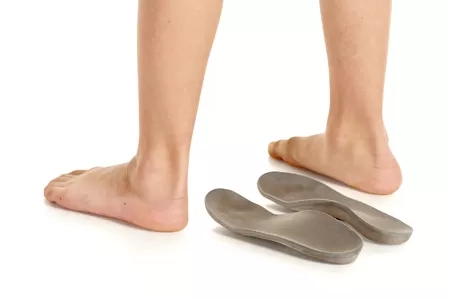
Orthotic inserts (often referred to as orthoses) are custom-fitted or prefabricated supports placed inside footwear to correct biomechanical imbalances. They can compensate for deformities, improve posture, and alleviate pain caused by improper joint movement.
Unlike ordinary insoles, orthotic inserts are engineered with precise anatomical contouring and support zones. These features are designed to modify how the foot interacts with the ground, influencing the position of the ankles, knees, and even hips.
Depending on the need, orthotics can be rigid, semi-rigid, or flexible. Rigid orthotics focus on realignment, semi-rigid ones offer both support and cushioning, and flexible orthotics prioritize shock absorption for comfort. Their versatility makes them suitable for everyone—from runners managing long-distance impact to workers standing all day.
Your feet form the foundation of your body's posture. When their structure becomes unstable due to collapsed arches or irregular gait, the entire skeletal chain above is affected. Orthotic inserts counteract this misalignment by rebalancing how forces are distributed during each step.
- Arch stabilization: Orthotics support the medial and lateral arches, ensuring your feet stay in a natural, neutral position during motion.
- Shock absorption: They reduce vibration and impact stress transmitted from the ground up through the joints.
- Pressure redistribution: Orthotics evenly disperse body weight across the sole, protecting high-stress points like the heel and forefoot.
- Postural alignment: They influence kinetic chain balance, improving posture from the feet up.
- Gait correction: Orthotics guide motion efficiency, minimizing energy loss and reducing fatigue during prolonged movement.
When properly fitted, orthotic inserts promote a more stable stride, prevent overcompensation by muscles, and improve overall walking and standing comfort.
Flat feet occur when the arches collapse or fail to develop properly, resulting in overpronation—a condition where the ankle rolls excessively inward. This poor alignment affects the knees, hips, and back.
For individuals with flat feet, orthotic inserts act as artificial arches, restoring balance and alignment. They relieve joint stress and reduce fatigue in muscles that attempt to compensate for the missing arch structure. Children, athletes, and workers who stand for long hours particularly benefit from consistent orthotic use.
One of the most frequent causes of heel pain, plantar fasciitis arises due to microtears in the plantar fascia ligament, which connects the heel bone to the toes. Repetitive stress, poor footwear, and excessive standing all contribute to this condition.
Orthotic inserts help by evenly distributing body weight, cushioning the heel, and easing tension in the fascia. By controlling overpronation and promoting proper motion, they prevent further injury and accelerate recovery. For chronic cases, custom orthotics ensure precise pressure relief across the arch and heel.
High arches create excessive pressure on the heel and forefoot because the arch fails to absorb shock during ground impact. This imbalance often leads to instability, calluses, or stress fractures.
Cushioned orthotic inserts for high arches provide midfoot support and shock absorption, filling gaps under the arch for balanced ground contact. The result is a more stable and comfortable walking experience, reducing joint strain throughout the legs and back.
Heel spurs are calcium deposits forming on the underside of the heel bone. They often accompany plantar fasciitis and can cause sharp, stabbing pain, particularly when standing after rest.
Soft, cushioned orthotics with a deep heel cup redistribute load away from the painful spot, reducing inflammation and aiding recovery. These inserts also correct abnormal gait that contributes to heel spur stress.
Both overpronation and supination refer to imbalanced rolling motions of the feet during walking or running. Overpronation results in inward rolling, while supination means the foot rolls outward.
Orthotic inserts correct these motions by realigning the heel and arch. Control wedges or contoured inserts guide the feet to land evenly, preventing injuries such as shin splints, knee pain, or hip misalignment.
When the Achilles tendon becomes irritated due to repetitive strain, poor biomechanics, or tight calf muscles, walking and running become painful. Orthotic inserts address this by slightly elevating the heel, reducing tension on the tendon and promoting proper ankle movement.
Custom orthotics designed for Achilles support often include heel lifts and cushioned rearfoot zones that absorb shock during stride transitions. Over time, they help improve mobility and prevent recurring inflammation.
A bunion is a progressive deformity of the joint at the base of the big toe, caused by poor footwear, genetics, or uneven pressure distribution. The toe gradually angles toward the others, creating pain and joint swelling.
Orthotic inserts relieve pressure beneath the first metatarsal head and help align the toes during walking. Combined with wide-toe shoes, orthotics not only reduce discomfort but also slow bunion progression.
Metatarsalgia refers to pain and inflammation in the ball of the foot, often caused by repetitive impact or improper footwear. Runners and people who often wear high heels are particularly prone to this issue.
Metatarsal pad orthotics offload pressure from the forefoot, support arch function, and distribute impact energy across the entire sole. This allows for smoother stride transitions and protects against chronic forefoot stress.
People with diabetes are at risk of developing sensory neuropathy and poor circulation that can lead to ulcers and infections. Protective orthotic inserts help by cushioning high-risk areas and distributing pressure evenly to prevent sores.
Soft orthotics with antimicrobial and moisture-wicking materials are ideal for diabetic individuals, reducing friction and creating a safer walking experience. Preventive foot health through properly designed orthotics can dramatically reduce serious complications.
In people with arthritis, even small misalignments in the foot can magnify pain throughout the leg and back. Orthotic inserts provide shock absorption, stability, and joint protection by smoothing gait motion and minimizing jarring forces during walking.
These inserts also help individuals maintain activity levels, protecting joints from degeneration due to uneven wear or compensatory movement.
Orthotic inserts don't just treat conditions—they also improve general wellbeing and performance for healthy individuals. Professionals who spend long hours standing, as well as athletes in high-impact sports, experience remarkable benefits from consistent orthotic support.
- Enhanced posture and spinal alignment.
- Reduced fatigue and muscle strain during prolonged standing.
- Better coordination and balance for improved mobility.
- Extended shoe lifespan by maintaining internal stability.
- Increased comfort for everyday walking, hiking, and sports activities.
Properly chosen orthotics transform how the body moves, boosting both comfort and health.
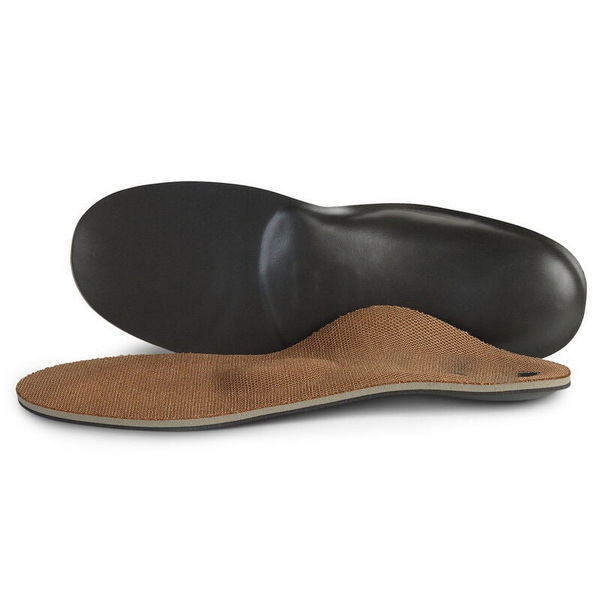
Selecting the right orthotic insert is essential to achieve the desired outcome. Each foot shape and gait pattern requires a specific level of support and material response.
- Purpose of use: Medical therapy, sports performance, or daily comfort.
- Arch type: Understanding whether your foot is high-arched, flat, or neutral determines correct arch profile selection.
- Material design: Rigid thermoplastics provide structure, while cushioned foams or gels enhance comfort and softness.
- Customization level: Over-the-counter orthotics are affordable and convenient; custom orthotics provide maximum precision and long-term durability.
- Footwear compatibility: Select orthotics that fit well within your most frequently worn shoes, allowing stable placement without crowding.
When possible, a professional gait analysis ensures optimal orthotic design tailored to your biomechanics.
Wearing orthotics brings noticeable benefits, but consistency and correct usage are crucial for full effectiveness. The body needs a short period to adapt to the new alignment provided by the inserts.
1. Gradual break-in: Begin with a few hours daily, gradually extending wear time.
2. Supportive footwear: Pair orthotics with well-structured shoes featuring firm soles and appropriate heel counters.
3. Routine maintenance: Inspect inserts for wear every few months and replace when compression or structural changes appear.
4. Complementary exercises: Strengthen foot and calf muscles with stretching routines to enhance corrective outcomes.
5. Professional check-ups: Podiatrists can reassess and adjust orthotics if posture or conditions evolve over time.
Following these practices helps users maximize comfort and maintain joint health for years.
Athletes across disciplines—runners, basketball players, and hikers—frequently depend on orthotics to fine-tune motion efficiency and reduce overuse injuries. The repetitive impact forces absorbed through the feet during intense activity can lead to serious wear and tear if left uncorrected.
Custom orthotic inserts improve energy transfer between the foot and ground, reducing slippage and fatigue. They stabilize ankle movement during sudden directional changes, a critical factor in preventing sprains or stress fractures.
Moreover, orthotics contribute to faster recovery by minimizing strain on tendons and ligaments. For performance-oriented athletes, integrating orthotics into training not only reduces injury risk but also optimizes agility, power, and endurance.
Orthotic inserts are far more than comfort tools—they serve as essential biomechanical aids that restore natural foot alignment and relieve pain from a wide array of conditions. Whether managing flat feet, heel pain, tendonitis, or joint misalignment, the right orthotic insert can transform mobility and posture.
For workers, athletes, or individuals struggling with chronic foot discomfort, investing in properly designed orthotics is a long-term investment in health, comfort, and performance. Always consult a podiatrist or orthopedic professional to ensure that your orthotic choice fits your body and lifestyle perfectly.
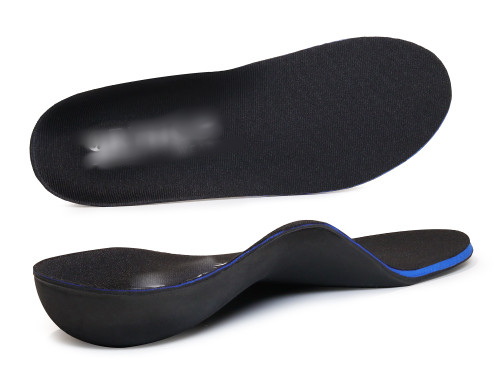
Orthotic inserts include custom-made options tailored to each individual's feet and prefabricated models for general support. Custom versions provide targeted correction, while prefabricated versions suit mild discomfort or preventive use.
High-quality custom orthotics can last two to five years, while prefabricated insoles may need replacement every six to twelve months depending on usage, activity level, and wear intensity.
Yes. Orthotic inserts enhance stability, align lower limbs, and reduce repetitive strain forces, all of which protect against sprains, shin splints, stress fractures, and tendon issues.
Modern orthotic designs fit easily into most shoes, including work footwear, sneakers, and casual models. Choosing appropriate shoe depth and shape ensures consistent comfort and support.
Initially, some users feel minor adjustment discomfort as muscles adapt to the corrected alignment. After the adaptation period, walking and running become smoother, more efficient, and less painful.


