
Language


Content Menu
● Understanding Orthotic Inserts
● The Function of Orthotic Inserts
>> Preventing and Alleviating Pain
>> Enhancing Sports Performance
>> Functional vs. Accommodative Orthotics
● How Orthotic Inserts Support Foot Health
>> Improving Posture and Balance
>> Relieving Chronic Foot Conditions
>> Correcting Overpronation and Supination
>> Enhancing Comfort and Energy Efficiency
● Orthotics in the Footwear Industry
● The Benefits of Collaborating with an Orthotic OEM Manufacturer
● Manufacturing Process of Orthotic Inserts
● How to Choose the Right Orthotic Inserts
● Future Trends in Orthotic Design
● FAQ
>> 1. What is the main function of orthotic inserts?
>> 2. How do orthotic inserts help plantar fasciitis?
>> 3. Can orthotic inserts improve athletic performance?
>> 4. How long should orthotic inserts be replaced?
>> 5. Are orthotic inserts safe for children or elderly users?
Foot health is the foundation of total body wellness. Every step we take affects muscles, joints, and posture alignment from our feet up to the spine. When people suffer from flat feet, heel pain, or poor posture, they often experience secondary issues such as knee or back discomfort. That is why orthotic inserts have become a crucial component in both medical and everyday footwear.
For many international shoe brands and retailers, orthotic inserts represent not just a comfort-based accessory but a product innovation that sets footwear apart in a competitive market. Understanding what orthotic inserts do—and how OEM manufacturers design them—is key to creating footwear that meets both performance and health-oriented demands.

Orthotic inserts are specially designed insoles placed inside footwear to correct biomechanical foot issues and optimize comfort. They are crafted based on the scientific understanding of how the feet interact with the ground during movement.
While a regular shoe insole simply provides cushioning, an orthotic insert performs several dynamic functions: stabilizing the arch, absorbing impact, correcting gait misalignment, and redistributing weight evenly across the foot. This advanced combination of structure and support makes orthotic inserts vital for both medical and lifestyle footwear categories.
A quality orthotic insert is typically made from durable materials such as EVA foam, TPU, polyurethane, carbon fiber composites, or gel-infused layers. These materials are often selected for their balance between flexibility, firmness, and resilience—qualities that allow them to adapt to the user's weight and movement patterns without losing shape.
Orthotic inserts serve multiple, interconnected functions that improve comfort, posture, and stability. Below are the primary roles they play in foot health and daily mobility.
Every foot has a natural alignment, but minor deviations—such as inward or outward rolling—can lead to long-term strain. Orthotic inserts realign the foot to a neutral position by providing structured arch and heel support. This corrects pronation and supination, promoting smoother gait and evenly distributed pressure throughout the sole.
Standing or walking for extended periods can exhaust the muscles and ligaments of the feet. Orthotic inserts reduce fatigue by cushioning impact and supporting natural movement. They maintain optimal pressure across the metatarsal and heel areas, preventing soreness even during long work shifts or athletic activities.
Every step generates impact forces that travel through the feet into the joints. Over time, these repetitive shocks can lead to pain or wear in the knees and lower back. Orthotic inserts act like suspension systems—absorbing shock and protecting the body from stress-related strain.
For individuals suffering from plantar fasciitis, heel spur pain, bunions, or flat-foot conditions, orthotic inserts can provide immediate relief. By supporting the plantar fascia and reducing localized pressure, they treat the root cause of discomfort rather than simply masking symptoms.
Athletes know how crucial balance and posture are during movement. Orthotic inserts designed for sports footwear improve stability and energy transfer. They minimize unnecessary joint stress, preventing injuries while maximizing running efficiency and proper biomechanics.
During rehabilitation from foot or ankle injuries, doctors often recommend orthotic use. These inserts help control foot motion and allow soft tissues to heal properly by enforcing natural alignment. They also ensure pressure is distributed evenly, avoiding overstrain on the recovering area.
Not all orthotic inserts are alike. The design, function, and manufacturing method vary based on the intended use and the user's physiology. Below are the most common categories.
Custom orthotics are individually crafted based on a 3D scan or impression of a user's feet. They provide the highest level of biomechanical correction and are prescribed for specific medical needs such as chronic pain, leg length discrepancies, or severe flat feet. These orthotics require precision production using advanced CAD/CAM systems to ensure exact fitting.
Prefabricated orthotics are pre-designed inserts available in multiple sizes and support levels. They may not match a user's exact foot shape but still offer effective comfort and alignment benefits. Many footwear brands use prefabricated models for mass production because they combine quality support with affordability.
Semi-custom inserts offer a balance between custom and prefabricated designs. Manufacturers use adjustable molds and heat-formable materials that can be slightly reshaped to match a user's arch type. This type is ideal for brands looking to meet diverse customer needs with one adaptable solution.
Functional orthotics are designed to correct abnormal motion and structural misalignment, often used for sports or orthopedic footwear. Accommodative orthotics focus on cushioning and pressure relief, making them suitable for diabetic or senior comfort shoes. OEM producers often combine both categories for multifunctional use.
The condition of your feet directly influences your body's overall alignment. Poor posture often begins with incorrect foot positioning. Orthotic inserts help maintain proper alignment by keeping the ankles, knees, and hips balanced. Improved foot posture also enhances core stability and walking efficiency.
Foot disorders such as plantar fasciitis, flat feet, or metatarsalgia can severely impact daily life. Orthotic inserts relieve chronic pain by addressing structural imbalances. They support the arch, stabilize the heel, and create consistent pressure distribution, which allows soft tissues and ligaments to recover naturally.
Overpronation causes feet to roll inward excessively, while supination causes them to roll outward. Both create gait inefficiency and lead to shin splints, knee pain, and even lower back problems. Orthotics correct these imbalances by reinforcing weak areas and guiding movement along the natural foot line.
When movement is properly supported, less muscle energy is wasted compensating for misalignment. This efficiency improves endurance and comfort. Orthotic inserts allow users to move naturally, reducing unnecessary strain on joints and conserving physical energy—an essential factor for athletes and frequent walkers.
As people age, natural fat padding in the feet diminishes, leading to discomfort and instability. Orthotic inserts restore that lost cushioning, providing senior users with additional support. They can also prevent the worsening of age-related conditions like arthritis or neuropathy.
The global footwear market is undergoing a major transformation driven by health-awareness and ergonomic design. Footwear brands increasingly integrate orthotic technology to meet growing consumer expectations for comfort and performance.
OEM manufacturers in China play a leading role in this evolution by producing large-scale orthotic components with precision engineering. Using modern 3D design software, CNC molds, and eco-friendly foam materials, they provide high-quality inserts at competitive rates.
Key OEM orthotic innovations include:
- Supportive heel cups that cradle the heel and reduce movement inside the shoe.
- Breathable mesh top covers for moisture control and odor reduction.
- Antibacterial linings for hygiene in sports or work environments.
- Dual-density EVA designs combining firmness and flexibility.
- Ergonomic arch curves tailored to different regional market needs.
By collaborating with reliable OEM producers, international brands can blend innovation, quality, and scalability—meeting diverse market requirements from athletic footwear to orthopedic shoes.
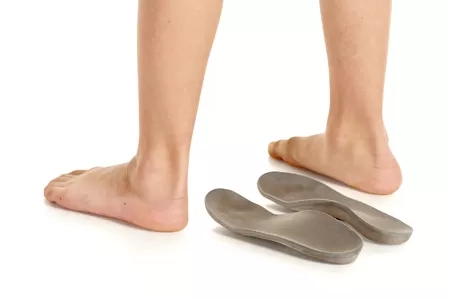
Working with an experienced orthotic OEM manufacturer allows brands and wholesalers to bring ergonomic footwear to market faster while maintaining strict standards. Some major advantages include:
- Tailored Material Selection: OEM factories recommend materials optimized for target markets—such as lightweight foams for casual shoes or rigid polymers for stability inserts.
- Custom Branding Options: Private labeling and logo embossing allow seamless brand integration.
- Streamlined Production: Efficient workflows ensure consistent quality and shorter delivery lead times.
- Innovative Engineering Support: Dedicated R&D teams help adjust arch height, heel cup shape, and thickness according to customer specifications.
- Cost Efficiency: Bulk manufacturing and local sourcing reduce expenses without compromising on performance.
- Compliance and Certification: Many top factories meet international safety and environmental standards like ISO or REACH.
Through these partnerships, companies can create orthotic products that not only improve user comfort but also position their footwear lines as premium, health-focused options in global markets.
Producing high-quality orthotic inserts involves both precision engineering and craftsmanship. The process generally includes the following stages:
1. Concept and Design – OEM designers collaborate with clients to develop digital prototypes using CAD software, ensuring ergonomic structure and style compatibility.
2. Material Selection – EVA, PU foam, carbon fiber, or gel are chosen based on durability, elasticity, and end-use purpose.
3. Molding and Forming – Inserts are shaped through heat pressing or injection molding for consistent sizing and contour.
4. Lamination and Finishing – Layers such as top fabric, arch support pads, and adhesive bases are assembled and precision cut.
5. Quality Testing – Each batch undergoes durability, compression, and rebound testing to ensure performance matches international standards.
6. Packaging and Branding – Final products are packaged according to client preferences, ready for direct retail or integration into footwear assembly lines.
This blend of advanced machinery and skilled design ensures that every piece performs reliably while maintaining aesthetic and functional balance.
Selecting the correct orthotic insert depends on a combination of factors that vary by user and footwear type. Brands and suppliers should consider the following:
- Arch Type: Foot arches can be low, medium, or high. Inserts must match the user's natural contour to provide optimal support.
- Activity Level: Sports orthotics emphasize impact control and stability, whereas work footwear orthotics focus on long-term comfort.
- Material Density: The hardness or softness of foam affects cushioning and corrective strength.
- Shoe Compatibility: Inserts must fit securely inside shoes without altering their internal volume or balance.
- Durability and Maintenance: Inserts that are washable and compression-resistant provide extended usability.
- End-User Demographics: Elderly users may require softer materials, while athletes often prefer firmer performance-based support.
Incorporating these considerations helps footwear developers deliver a better fit, longer lifespan, and more satisfied customers.
As technology continues to advance, the orthotic industry is evolving toward smarter, more sustainable solutions. The next generation of orthotic inserts will focus on:
- 3D Printed Orthotics: Customized designs created through advanced 3D printing for precision fit and lightweight construction.
- Eco-Friendly Materials: Biodegradable EVA foams and natural latex alternatives reducing environmental impact.
- Smart Orthotics: Embedded sensors that monitor gait and pressure distribution in real-time through mobile apps.
- Adaptive Cushioning Systems: Inserts that adjust firmness based on temperature or user activity.
OEM manufacturers that embrace innovation and smart materials will lead the next phase of global footwear development, meeting both consumer comfort and sustainability goals.
Orthotic inserts have revolutionized modern footwear by combining medical science with comfort technology. They support foot alignment, relieve pressure, and enhance posture—leading to better performance, reduced injury, and improved quality of life.
For international brands and distributors, orthotic inserts represent a growing opportunity to meet rising consumer expectations for ergonomic comfort. Collaborating with skilled orthotic OEM manufacturers in China ensures product reliability, scalability, and innovative design options. By investing in orthotic technology, footwear brands can deliver health-driven products that genuinely improve the way people move every day.
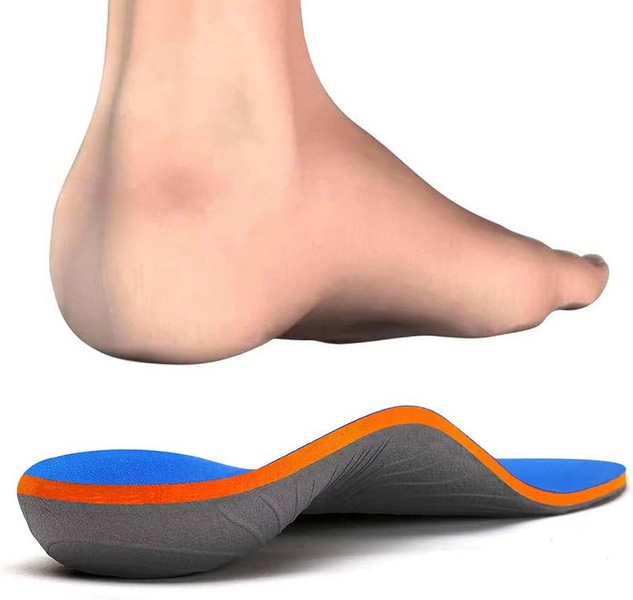
Orthotic inserts support and align the feet, improve body posture, and distribute pressure evenly to reduce discomfort and injury.
They stabilize the arch, relieve tension in the plantar fascia, and reduce heel pressure—minimizing pain during walking or standing.
Yes. By maintaining proper alignment and shock absorption, orthotic inserts allow smoother motion, better energy return, and reduced fatigue during sports.
Typically, orthotic inserts last between 12 and 24 months depending on usage frequency, material type, and body weight.
Yes. Children can use orthotics to correct early gait imbalances, while elderly users benefit from cushioning and stability to prevent falls and joint strain.


