
Language
Views: 222 Author: Amanda Publish Time: 2025-09-09 Origin: Site


Content Menu
● What Are Arch Support Inserts?
● Typical Lifespan of Arch Inserts
● Factors Influencing Arch Insert Longevity
● Signs Your Arch Inserts Need Replacement
● Types of Arch Support Inserts and Their Lifespan
● Benefits of Using Arch Support Inserts
● How to Maximize the Life of Arch Inserts
● Choosing the Right Arch Inserts
● FAQ
>> 1. How often should I replace my arch inserts?
>> 2. Can I use arch inserts in any shoe?
>> 3. What material lasts the longest for arch inserts?
>> 4. How do I know if my arch inserts are worn out?
>> 5. Are custom arch inserts worth it?
Arch support inserts are a cornerstone of foot health, providing vital support to the foot's arch and enhancing comfort during daily activities. These inserts help distribute weight evenly, relieve pain, and prevent common foot issues. However, a common question among users is: “How long do arch support inserts last?” Understanding their typical lifespan, maintenance tips, and usage factors can save money and prevent foot problems caused by worn-out inserts.
This comprehensive article explores everything about arch support inserts, their longevity, benefits, types, signs of wear, and tips for maximizing their lifespan. The article also provides a detailed FAQ to clear common doubts related to arch inserts.
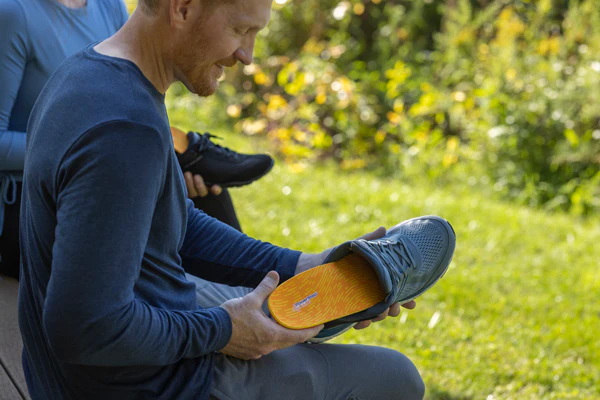
Arch support inserts, often called arch inserts, are shoe insoles specially designed to support the arch part of the foot. The arch plays a critical role in weight distribution and shock absorption. Inserts help maintain proper alignment, reduce strain on muscles, tendons, and ligaments, and improve overall foot comfort.
Depending on the user's needs, arch inserts can be made from materials like foam, gel, EVA, or thermo-plastic polyurethane (TPU). Some are soft and cushioned for comfort, while others are rigid for controlling foot motion in cases of flat feet or overpronation.
The lifespan of arch support inserts varies widely depending on material, frequency of use, intensity of physical activity, and care. Generally:
- Basic foam or gel inserts last between 3 to 6 months. These materials compress and lose cushioning relatively quickly.
- Medium-quality EVA foam inserts can last 6 to 12 months with regular usage.
- High-quality or custom orthotic inserts made from durable materials like TPU or carbon fiber can last anywhere from 1 to 2 years, sometimes longer with proper care.
When worn daily during high-impact activities or by heavier individuals, even premium inserts may need replacement closer to the 6-month mark. Conversely, with occasional use or careful maintenance, the lifespan can extend beyond a year.
Several factors affect how long arch support inserts remain effective:
- Usage Frequency and Intensity: Inserts used daily or during sports wear out faster.
- Body Weight: Heavier users put more pressure on the inserts, accelerating breakdown.
- Foot Anatomy: People with foot conditions like flat feet or high arches may experience quicker wear due to uneven pressure distribution.
- Environment: Exposure to moisture and heat can degrade materials.
- Shoe Type: Inserts fit better and last longer in properly fitting shoes designed to accommodate support insoles.
- Maintenance: Regular cleaning, airing out, and rotation between inserts extend their service life.
Knowing when to replace arch inserts is key to avoiding foot discomfort or injury. Common warning signs include:
- Noticeable loss of cushioning or arch support.
- Visual signs such as tears, cracks, or compressed, flattened areas.
- Return or worsening of foot pain, especially in the heel or arch.
- Instability or slipping when walking or running.
- Odors or hardened materials losing flexibility.
Ignoring these symptoms can lead to worsening foot conditions and reduced overall posture and balance.

Arch inserts come in various types tailored for specific needs, each with a typical lifespan:
- Gel Inserts: Provide excellent shock absorption but last about 3-6 months.
- Foam Inserts: Cushioning and flexible, effective for 4-8 months.
- EVA Foam Inserts: Durable yet comfortable, lasting up to 12 months.
- Rigid Orthotics: Made from plastic or carbon fiber for maximum support, lasting 1-2 years.
- Custom Orthotics: Professionally made for specific foot anatomy, often lasting 1-2 years or more depending on materials and care.
Arch inserts offer more than mere comfort — their benefits affect overall mobility and health:
- Prevention and Relief of Foot Pain: By supporting the arch, inserts reduce stress points that cause conditions like plantar fasciitis.
- Posture Improvement: Proper arch alignment supports knees, hips, and lower back alignment.
- Injury Prevention: Reducing overpronation and imbalance helps prevent ankle sprains and shin splints.
- Enhanced Comfort: Provides cushioning for standing or walking long hours.
- Improved Athletic Performance: Inserts aid stability and shock absorption during physical activities.
Extending the lifespan of arch inserts involves simple yet important care routines:
- Rotate Inserts: Using multiple pairs alternately prevents overcompression.
- Keep Them Dry and Clean: Moisture accelerates material spoilage.
- Store Properly: Remove inserts from shoes post-use to air them out.
- Use Suitable Footwear: Supportive shoes designed for inserts prevent unnecessary wear.
- Follow Maintenance Instructions: Some materials require special cleaning procedures.
Selecting the proper arch insert depends on factors such as:
- Foot Type: Flat, neutral, or high arches require differing support levels.
- Activity Level: Athletes may need more durable, shock-absorbing inserts.
- Footwear Compatibility: Inserts need to fit comfortably in your shoes without making them tight.
- Specific Foot Conditions: Custom orthotics are recommended for severe issues like advanced overpronation or plantar fasciitis.
- Budget: Quality often correlates with lifespan; investing in better inserts saves money in the long run.
Arch support inserts are essential for maintaining foot health, reducing pain, and improving overall comfort and alignment. Their lifespan varies between 3 months to 2 years depending on material quality, usage patterns, and care. Regular inspection and timely replacement are crucial for avoiding discomfort and injury. By choosing the right arch inserts tailored to foot type and activity, and maintaining them well, users can greatly extend their usefulness and enjoy healthier feet and improved posture. Custom inserts provide the best personalized support but over-the-counter options also offer effective relief for many users.

Typically, every 6 to 12 months, but heavy use or certain materials might require replacement every 3 to 6 months for optimal support and comfort.
Inserts work best in shoes designed for removable insoles and sufficient interior space. Not all shoes can accommodate bulky inserts comfortably.
Materials like EVA, TPU, and custom orthotic-grade plastics generally offer the longest durability compared to foam or gel.
Signs include loss of support or cushioning, visual damage, foot pain returning, or slipping inside the shoe.
Custom inserts provide the best support tailored to your foot's structure and are worth the investment for chronic foot issues or special conditions.
[1](https://www.modpodpodiatry.com.au/the-complete-guide-to-arch-support-shoe-inserts/)
[2](https://treadlabs.com/blogs/insoles-reach-your-stride/arch-support-inserts-the-ultimate-guide)
[3](https://boynerclinic.com/how-to-perfectly-choose-the-best-insoles-for-arch-support-your-ultimate-guide/)
[4](https://insoles.com/pages/how-to-choose-the-right-insole)
[5](https://betterhood.in/learn/best-arch-support-insoles-for-standing-all-day/)
[6](https://theinsolestore.com/blogs/guides)
[7](https://www.perfectfitpedorthics.com.au/ultimate-guide-to-choosing-the-best-shoes-with-arch-support/)
[8](https://powerstep.com/blogs/news/guide-how-to-choose-the-right-orthotic-insoles-for-you)


