
Language
Views: 222 Author: Amanda Publish Time: 2025-09-06 Origin: Site


Content Menu
● What Makes Memory Foam Insoles Unique?
● Lifespan of Memory Foam Insoles
● Factors Affecting Durability and Longevity
● How Memory Foam Insoles Are Made
● How to Extend the Life of Your Memory Foam Insoles
● When to Replace Your Foam Insoles
● How to Choose Quality Foam Insoles
● Frequently Asked Questions (FAQ)
>> 1. How long do foam insoles last compared to memory foam insoles?
>> 2. Can memory foam insoles be used in all types of shoes?
>> 3. How often should foam insoles be replaced?
>> 4. Are custom memory foam insoles more durable than standard ones?
>> 5. What are the best care practices for memory foam insoles?
Foam insoles have gained immense popularity worldwide for the comfort and support they offer, improving footwear experience significantly. Memory foam insoles, in particular, are loved for their ability to mold precisely to individual foot contours, providing personalized cushioning. As a leading Chinese manufacturer of foam insoles supplying OEM services to foreign brands, understanding the lifespan, maintenance, and manufacturing of memory foam insoles is pivotal. This article explores in detail how long memory foam insoles last, factors influencing their durability, best practices for care, and how to choose high-quality foam insoles, helping consumers and brands make informed decisions.
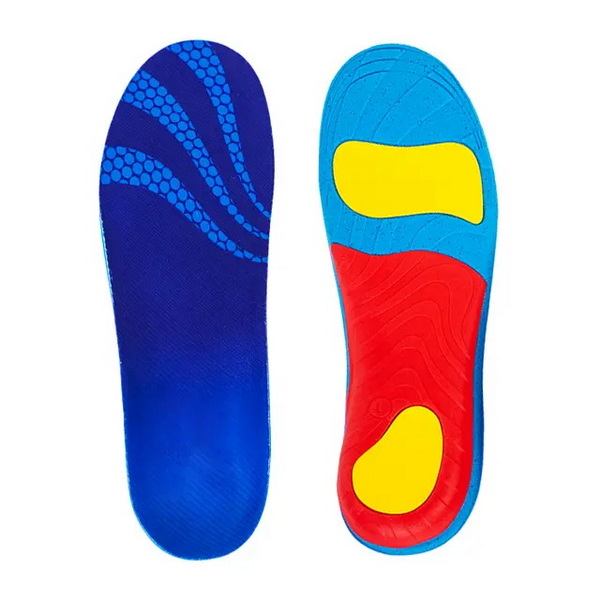
Foam insoles are soft, cushioned layers inside shoes designed to absorb shock, reduce foot fatigue, and provide comfort during movement. They cushion the feet by distributing pressure evenly, alleviating stress on the heels and arches. Foam insoles are widely used across various shoe categories such as sports, casual, and orthopedic footwear.
The foam materials used in these insoles differ in density, resilience, and elasticity, impacting comfort and longevity.
Various foam materials commonly used in insoles include:
- EVA (Ethylene Vinyl Acetate): Lightweight, flexible, with strong shock absorption, lasting typically 1-2 years.
- Polyurethane (PU) Foam: Durable and resilient with a lifespan often comparable to EVA foam.
- Memory Foam: Viscoelastic and soft, molds to foot shape, but generally has a shorter lifespan due to its compressible nature.
- Plastazote Foam: Lightweight and moldable, but less resistant to wear, typically shorter lifespan.
Each type offers unique comfort and durability characteristics suited for different needs.
Memory foam insoles are made from viscoelastic polyurethane foam that reacts to body heat and pressure. This causes the foam to soften and contour precisely to the foot, offering exceptional pressure relief and customized cushioning. Such adaptation helps reduce hotspots and improves comfort especially during extended standing or physical activities.
However, the same softness that provides comfort can lead to faster compression and loss of structural support over time, shortening the lifespan compared to resilient foams like EVA.
On average, memory foam insoles last between 6 months to 1 year under regular daily use. Premium memory foam with higher density may approach the longer end of this range. This is shorter than many EVA or polyurethane foam insoles, which can last up to 2 years or more.
Memory foam's lifespan is influenced by how quickly it compresses under weight and usage, which deteriorates cushioning and support over time.
Several factors influence how long memory foam insoles remain effective:
- Material Quality: Denser, higher-grade foams resist wear better.
- Usage Frequency: Daily use shortens lifespan faster than occasional use.
- Body Weight and Gait: Heavier weights exert more stress causing quicker compression.
- Activity Type: High-impact activities like running accelerate wear.
- Environmental Conditions: Exposure to moisture and heat can degrade foam.
- Shoe Fit: Ill-fitting shoes may increase uneven wear and reduce lifespan.
Understanding these factors can help users make better purchasing and care decisions.
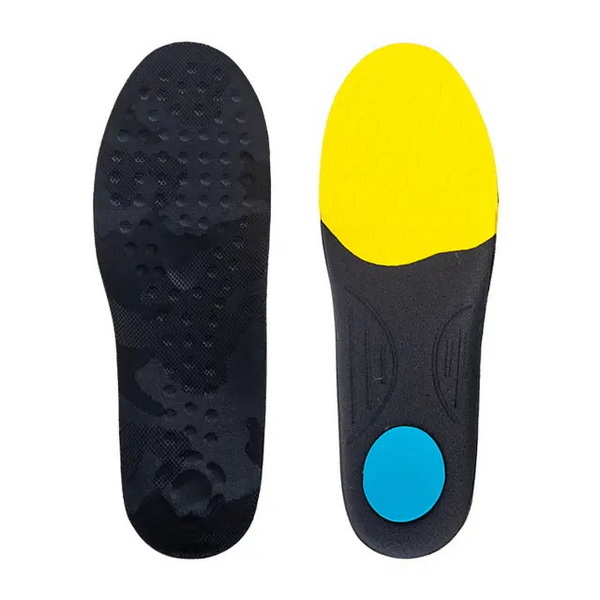
The manufacturing process of memory foam insoles involves a blend of science, chemistry, and precision technology. Here is an overview of the main steps involved:
1. Chemical Formulation: The base ingredients include polyurethane foam, viscoelastic chemicals, and temperature-sensitive additives formulated to control softness and responsiveness.
2. Mixing and Expansion: These components are mixed into a viscous liquid which expands through a chemical reaction creating an open-cell foam structure filled with tiny air pockets necessary for cushioning.
3. Molding and Curing: The foam mixture is poured into molds designed with computer-aided design (CAD) to achieve the desired shape and cell structure. The foam cures in controlled environments to stabilize its viscoelastic properties.
4. Cutting and Shaping: Large foam blocks are precision cut using automated machines into specific insole shapes and sizes.
5. Additional Treatments: Some insoles receive antimicrobial coatings or cooling gel layers to enhance performance and hygiene.
Advanced manufacturing machinery ensures consistency, durability, and comfort, enabling mass production aligned to OEM requirements.
Adopting these care practices can significantly prolong the usefulness of memory foam insoles:
- Rotate Insoles: Alternate pairs to reduce constant pressure on one insole.
- Keep Dry: Remove insoles after use to air out and prevent moisture build-up.
- Clean Properly: Gently hand wash with mild detergent and air dry; avoid washing machines and dryers.
- Avoid Excessive Heat: Heat damages foam resilience; keep insoles away from direct sun and radiators.
- Use Proper Footwear: Ensure shoes fit well without causing unnecessary crushing of insoles.
- Check Regularly: Examine insoles for signs of wear such as flattening or cracking.
These simple habits maintain foam integrity and foot comfort longer.
Replacing memory foam insoles at the right time is vital to avoid discomfort and potential foot problems. Signs you need new insoles include:
- Noticeable flattening or loss of cushioning.
- Cracks, breaks, or material degradation.
- Persistent odor that cleaning cannot remove.
- Experiencing foot pain or discomfort during use.
- Visible wear affecting shoe fit.
Most users find replacement necessary within about a year to maintain optimal performance.
Choosing the right foam insoles involves considering material, manufacturing quality, and suitability for your needs:
- Select high-density foam for durability.
- Opt for reputable manufacturers with documented OEM experience.
- Seek insoles with certifications ensuring quality standards.
- Consider material composition that may include gels, carbon fibers, or antibacterials.
- Customize if possible for individual foot shape or medical needs.
Sourcing from experienced manufacturers, especially those specializing in memory foam insoles, guarantees better product lifespan and comfort.
Memory foam insoles offer unmatched personalized comfort by molding to foot shape, but their lifespan generally falls between six months and one year due to compression wear. Factors such as foam density, wearer weight, usage intensity, and care habits heavily influence durability. Selecting quality foam insoles from reputable OEM manufacturers and practicing proper maintenance like rotation and cleaning extend their effective life. Recognizing wear signs promptly and timely replacement ensures continued foot support and wellbeing. For manufacturers and consumers alike, balancing comfort benefits with realistic expectations on longevity is essential when investing in foam insoles.

Foam insoles made from materials like EVA or polyurethane usually last 1 to 2 years, which is longer than memory foam insoles that typically last between 6 to 12 months because memory foam compresses faster under pressure.
Yes, memory foam insoles are versatile and can be used in various shoes including sneakers, boots, and casual footwear, but ensuring the correct shoe fit is important to avoid premature wear.
As a general rule, replace foam insoles every 6 to 12 months or sooner if you notice flattening, discomfort, persistent odor, or visible damage.
Custom insoles made with higher density memory foam tend to have better durability and fit, but like all foam insoles, their lifespan depends on usage and care.
Rotate between multiple insoles, keep them dry, clean gently by hand with mild soap, avoid heat exposure, and choose high-quality insoles for the best longevity.
[1](https://zomasleep.com/blog/how-memory-foam-is-made)
[2](https://www.dragonday.kr/2023/09/e08shoe-manufacturing-process-insole.html)
[3](https://www.youtube.com/watch?v=ADQeELPQuOc)
[4](https://feetcare.sg/how-custom-insoles-are-made-a-step-by-step-guide/)
[5](https://www.solemachine.in/shoe-insole.html)
[6](https://www.tiktok.com/@shoetake007/video/7539021544937311543)
[7](https://patents.google.com/patent/CN102898738A/en)
[8](https://www.youtube.com/watch?v=sAyuTQF5ev0)
[9](https://www.youtube.com/watch?v=WJmQcTpGg0E)
[10](https://machinesole.com/insole-memory-foam-making-machine/)
[11](https://soleforshoes.com/eva-vs-memory-foam-insoles/)
[12](https://insoles.com/pages/how-often-to-change-your-insoles)
[13](https://www.drcomfort.com/blog/how-long-do-shoe-inserts-last/)
[14](https://www.taiyuanshoematerials.com/soft-memory-foam-insole-pu-insole.html)


