
Language
Views: 222 Author: Edvo Publish Time: 2025-10-26 Origin: Site


Content Menu
● What Are Bunions and Why Do They Form?
● How Orthotic Shoe Inserts Help Relieve Bunion Pain
● How Often Should You Wear Orthotic Inserts?
● Factors That Influence Effectiveness
>> 4. Body Weight and Activity Level
● The Role of OEM Orthotic Manufacturers
>> Our Manufacturing Strengths
● The Science Behind Regular Use
● When to Replace Orthotic Inserts
● Complementary Foot Care Practices for Bunions
● Understanding Custom vs. Prefabricated Orthotic Inserts
● When Orthotic Inserts Alone Are Not Enough
● The Importance of Continuous Education for Users
● Sustainability in Orthotic Manufacturing
● Long-Term Benefits of Consistent Orthotic Use
● FAQs
>> 1. How long should I wear orthotic inserts daily for bunion relief?
>> 2. Can orthotic inserts reverse my bunion?
>> 3. Are orthotic inserts suitable for all shoe types?
>> 4. Do orthotic inserts wear out?
>> 5. Are custom orthotics more effective than pre-made inserts?
Bunions are a widespread and often painful foot condition that affects millions worldwide. They occur when the big toe joint becomes misaligned, leading to swelling and a visible protrusion on the side of the foot. For many, the pain from bunions can interfere with walking, standing, or wearing their favorite shoes. Among the most effective and non-invasive solutions available today are orthotic shoe inserts.
As a leading orthotic shoe insert manufacturer in China, we specialize in developing and producing customized OEM and private label insoles for international brands, distributors, and footwear companies. This guide explains how orthotic inserts help with bunion pain, how frequently they should be used, and why professional-quality inserts yield the best outcomes.
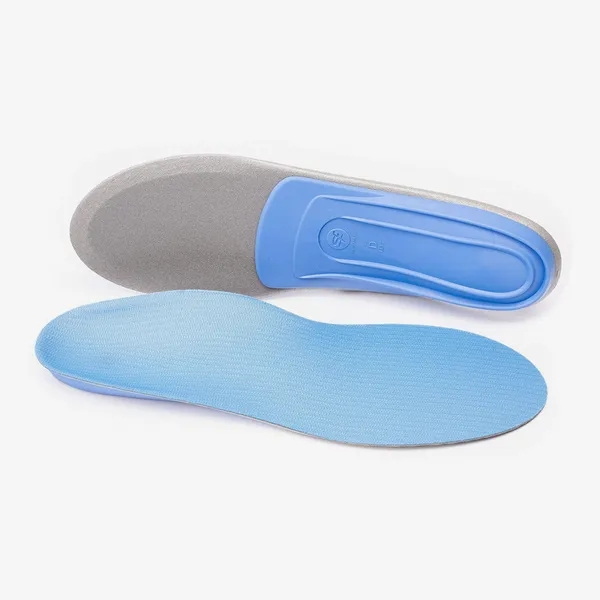
Bunions, medically known as hallux valgus, are structural deformities that cause the big toe to lean towards the second toe. This misalignment forces the metatarsophalangeal joint (MPJ) to protrude outward, forming a bump.
- Prolonged use of narrow or tight shoes
- Genetics and inherited foot shapes
- Foot pronation or flat arches
- Joint conditions such as arthritis
- Improper weight distribution when walking
Over time, the constant friction and pressure lead to inflammation, joint stiffness, and discomfort. Left untreated, the bunion can grow larger, making it difficult to find shoes that fit comfortably.
For individuals with existing bunions, wearing the right orthotic inserts can correct foot posture, redistribute weight, and prevent the condition from progressing further.
Orthotic shoe inserts provide structural correction and cushioning to reduce the load placed on the bunion joint. Unlike soft padding or gel cushions that only offer temporary comfort, orthotics address the root cause—abnormal foot mechanics.
1. Reduces Pressure on the First Metatarsal: Inserts are designed with special zones to deflect weight away from the bunion area.
2. Improves Arch Alignment: They maintain the natural arch position, preventing pronation that aggravates bunion formation.
3. Provides Shock Absorption: High-quality materials like EVA or PU foam disperse impact forces evenly throughout the foot.
4. Guides Big Toe Position: Certain orthotics include toe separators or medial wedges to keep the big toe aligned properly.
5. Prevents Further Deformity: Continuous use minimizes joint deviation, maintaining balance and stability during movement.
When worn correctly, orthotic inserts not only relieve bunion pain but also improve walking comfort, posture, and overall mobility.
The frequency of use depends on the severity of your bunion, foot shape, daily activity level, and shoe type. However, consistency is the key. Occasional wear will not be effective since the foot quickly returns to its misaligned position.
- Starter Stage (Week 1–2): Wear for 1–3 hours per day to allow your feet to adapt to the new shape.
- Adjustment Phase (Weeks 3–4): Increase to 3–6 hours daily; mild soreness may occur as muscles adjust.
- Full-Time Use (Week 5 and beyond): Wear at least 8–10 hours daily inside all suitable footwear.
- Maintenance Phase: Continue everyday use to sustain correction and prevent recurrence.
Most users experience a noticeable reduction in bunion pain within 3–4 weeks of regular daily wear. Those with severe deformities or flat feet may need longer adaptation and possibly custom-fitted inserts.
Several factors determine how effectively and how often orthotic inserts relieve bunion-related discomfort.
Shoes with a wide toe box, firm heel support, and adequate cushioning dramatically improve the performance of orthotic inserts. Narrow shoes compress the bunion, undoing the corrective effects.
Different materials serve distinct purposes:
- EVA Foam: Provides a balance of comfort and durability.
- PU Foam: Offers better shock absorption for long-standing professions.
- Thermoplastic (TPU): Ideal for structural correction and stability.
Custom OEM orthotics often combine multiple materials to achieve both flexibility and support.
Flat-footed individuals typically need more arch support, while those with high arches benefit from shock-absorbing inserts that cushion impact and stabilize the bunion area.
Higher body weight or frequent walking can increase bunion stress. Wearing inserts throughout the day—including during light workouts—helps minimize recurring pressure.
Orthotic inserts are most effective with daily use. Skipping days or wearing them for a few hours occasionally diminishes long-term corrective results.
As an orthotic manufacturer based in China, we collaborate with global footwear brands, distributors, and medical supply companies to create professional-grade orthotics.
- Comprehensive OEM / ODM customization
- Design and development tailored to bunion correction
- Eco-friendly raw materials such as recycled EVA and TPU
- Advanced molding and precision cutting technology
- Logo and packaging customization for international brands
We can assist in designing orthotics that match varying regional preferences—from medical-grade insoles for orthopedic clinics to fashionable comfort inserts for footwear brands.
Orthotic inserts modify the mechanical forces that contribute to bunion pain. Regular wear creates a gradual correction in muscle memory and foot alignment.
- Muscle Rebalancing: Repeated use strengthens stabilizing muscles around the arch and toe joint.
- Blood Circulation Improvement: Reduced joint inflammation allows for more comfortable walking cycles.
- Joint Realignment: Persistent, gentle pressure retrains the big toe to adopt its proper angle.
- Long-Term Prevention: Prevents worsening of the deformity and reduces the need for surgical intervention.
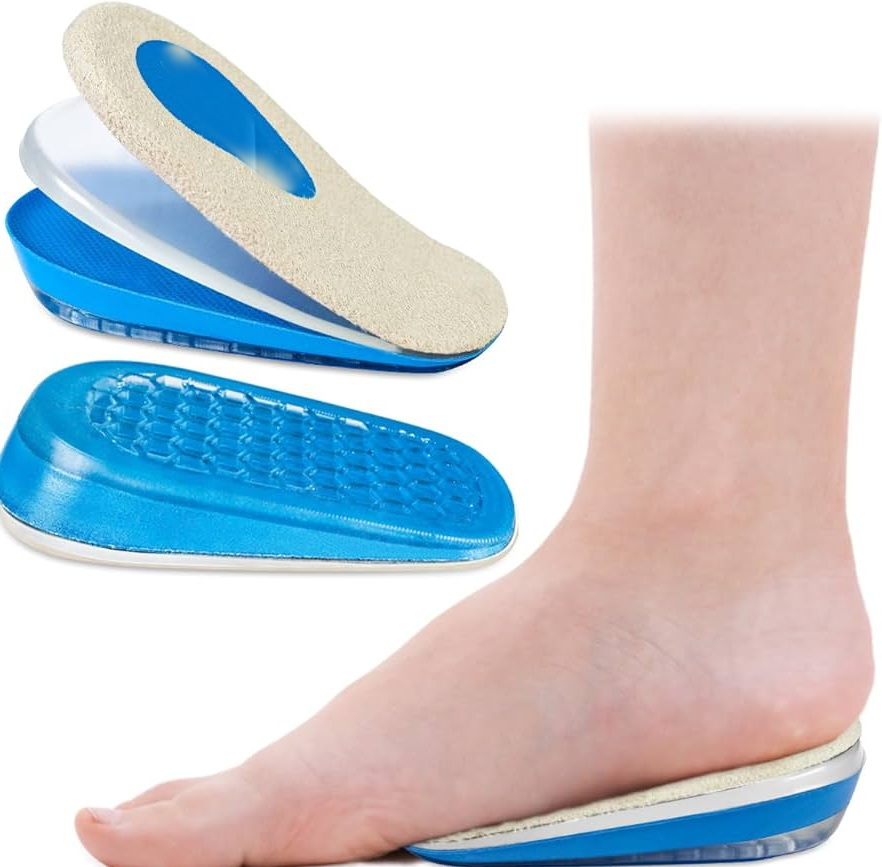
All orthotics have a limited lifespan due to material fatigue. To maintain consistent performance:
- Replace them every 6–12 months of heavy usage.
- Check for cracks, flattening, or loss of cushioning.
- Clean regularly using mild soap and water.
- Keep them dry and away from direct heat sources.
Replacing inserts on time ensures ongoing support and hygiene while avoiding odor or bacterial buildup.
While orthotics play a vital role, they should be accompanied by good foot care habits for optimal results.
1. Stretching Exercises: Perform daily big toe stretches to maintain joint flexibility.
2. Massage Therapy: Gentle foot massages can reduce stiffness and improve circulation.
3. Avoid Tight Footwear: Choose models with wide toe boxes or adjustable straps.
4. Maintain Healthy Weight: Reduces stress on the metatarsal area.
5. Night Splints: For severe deformities, consider using nighttime toe straighteners.
Integrated approaches combining orthotic support, proper footwear, and lifestyle care often provide the most enduring results.
Both types serve distinct consumer needs:
| Feature | Custom Orthotics | Prefabricated Orthotics |
|----------|------------------|--------------------------|
| Fit | Tailored to individual foot shape | Universal size range |
| Comfort | Maximum customization | Comfortable but less precise |
| Price | Higher due to bespoke design | Affordable and quick to use |
| Effectiveness | Ideal for severe bunions | Best for mild to moderate bunions |
| Replacement Cycle | Longer-lasting | Needs periodic replacement |
For OEM brands, offering both custom and prefabricated versions allows targeting multiple customer segments—medical, athletic, and everyday users.
While orthotics are highly effective for most users, certain advanced bunions may require additional interventions, such as:
- Physical therapy
- Anti-inflammatory medications
- Toe spacers or silicone bunion guards
- In severe cases, surgical correction
Orthotic inserts, however, remain a critical preventive and maintenance measure even after medical procedures, as they ensure proper biomechanics and prevent recurrence.
End users often underestimate the importance of proper instruction. Brands and retailers can improve customer satisfaction by providing informative usage guides with each product.
Key recommendations to include:
- How to gradually increase wear time
- Foot measurement techniques
- Cleaning instructions
- Tips to pair with different shoe types
- Expected adaptation timeline
Educational packaging strengthens brand credibility and minimizes product returns.
Modern consumers value environmental responsibility. Our production lines integrate sustainable materials and technologies to balance comfort and eco-friendliness.
- Using recyclable EVA and plant-based PU compounds
- Water-saving molding techniques
- Minimal waste through precision cutting
- Biodegradable packaging options
OEM partners benefit from green branding appeal while maintaining premium performance standards.
After consistent use for several months, clients typically report:
- Noticeable reduction in big toe pain and swelling
- Improved walking posture and body balance
- Decreased fatigue during long work hours
- Enhanced stability for sports and active movement
- Slower bunion progression and better joint mobility
Orthotics not only relieve bunion pain—they can transform daily comfort and overall quality of life.
Orthotic shoe inserts are a proven, non-surgical solution for managing bunion pain. When worn consistently—ideally for at least 6 to 8 hours per day—they effectively redistribute pressure, correct foot alignment, ease discomfort, and prevent further deformity.
For international brands seeking high-quality OEM orthotic inserts, our Chinese manufacturing team delivers precision-engineered, customizable solutions tailored to specific market requirements. With careful design, sustainable materials, and medical-grade performance, these inserts allow users to enjoy long-term relief and mobility.
Whether you are a footwear brand, wholesaler, or medical device distributor, investing in professionally designed orthotics will strengthen your product line and enhance user satisfaction worldwide.
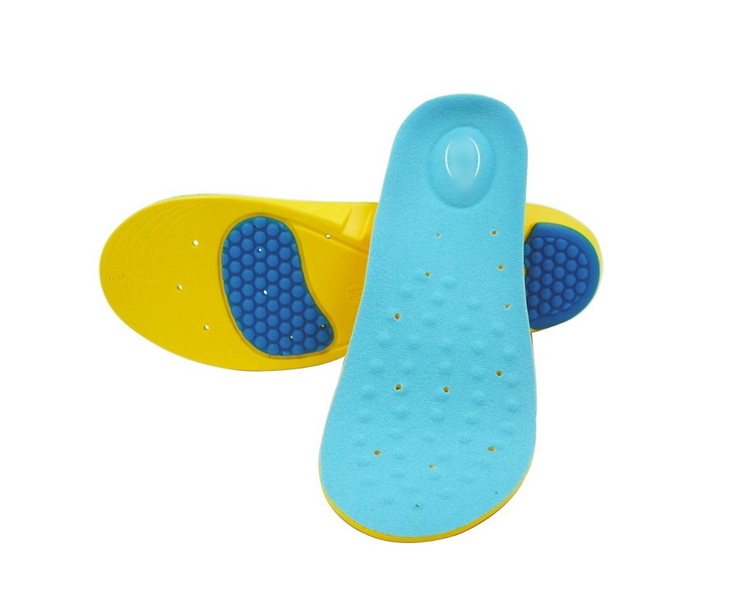
For best results, wear the inserts gradually increasing from 1–3 hours daily at first to 8–10 hours. Full-time daily use ensures continuous correction and pain reduction.
No, they can't reverse a bunion, but they significantly relieve pain, reduce inflammation, and prevent further joint misalignment.
Yes, but results depend on shoe design. Always pair them with shoes that have a wide toe box, firm midsole, and stable heel cup.
Yes. Depending on usage frequency, materials typically last 6–12 months. Replace them once cushioning or structure weakens.
Custom orthotics offer individually fitted correction for severe deformities, while pre-made inserts are sufficient for mild to moderate bunion discomfort.


