
Views: 222 Author: Edvo Publish Time: 2026-01-11 Origin: Site


Content Menu
● Understanding Orthotic Insoles
● Step 1: Research, Design, and Development
● Step 2: Selecting the Right Materials
● Step 3: Cutting and Base Shaping
● Step 4: Thermoforming and Molding
● Step 5: Assembly and Layer Integration
● Step 6: Surface Trimming, Polishing, and Finishing
● Step 7: Quality Control and Testing
● Step 8: Packaging and Private Labeling
● Step 9: Custom Orthotics Production Process
● Step 10: Branding, Certification, and Export Readiness
● The Growing Importance of OEM Orthotic Insole Manufacturing
● Future Trends in Orthotic Insole Manufacturing
● FAQ
>> 1. What materials are most effective for orthotic insoles?
>> 2. How often should orthotic insoles be replaced?
>> 3. Is there a difference between orthopedic and comfort insoles?
>> 4. Can OEM insoles be customized with my brand design?
>> 5. What are the main advantages of working with a Chinese OEM insole manufacturer?
Orthotic insoles are essential components in modern footwear manufacturing, valued for their ability to support, cushion, and correct the human foot's natural alignment. Behind each pair lies a precise combination of biomechanics, advanced materials, and sophisticated production techniques. As one of the most in-demand accessories in the footwear industry, orthotic insoles serve multiple markets — from sports and medical care to everyday comfort footwear.
This article explores how orthotic insoles are made, tracing every step of the process — from research and material selection to molding, finishing, and packaging. By understanding this journey, footwear brands, wholesalers, and OEM clients can appreciate the complexity and innovation involved in creating premium-quality insoles.
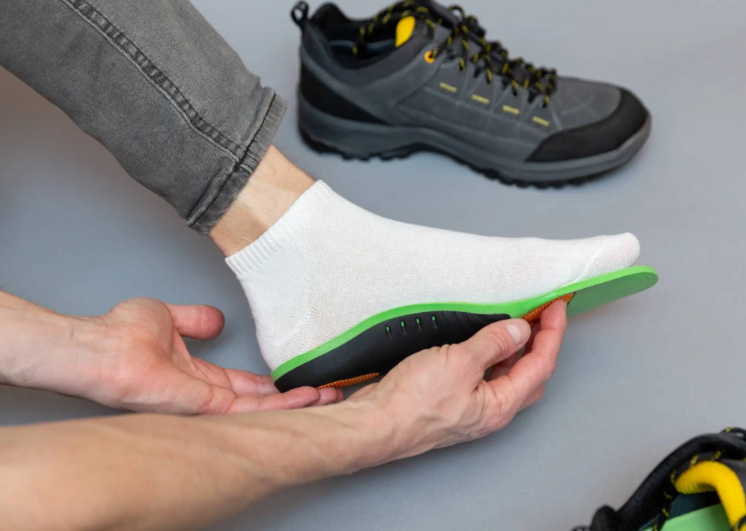
Orthotic insoles, sometimes referred to as orthopedic or corrective insoles, are specialized inserts placed inside shoes to optimize foot function. Unlike standard cushioning insoles, orthotics are designed to distribute pressure evenly, correct abnormal walking patterns, and improve posture. They are often used to help relieve common foot conditions such as flat feet, heel pain, plantar fasciitis, and metatarsalgia.
Depending on their purpose, orthotic insoles can be custom-made or mass-produced. Custom insoles are developed based on foot scans or impressions, while mass-produced ones are designed through ergonomic engineering to suit broader user groups. Both types share a similar production framework that combines modern design tools, precision manufacturing, and strict quality testing.
The journey of manufacturing orthotic insoles begins with comprehensive research and development. Manufacturers collaborate with podiatrists, orthopedists, and footwear designers to study foot anatomy, pressure points, and gait motion. This scientific foundation ensures that the insole supports not just comfort but also biomechanics.
Advanced software like CAD (Computer-Aided Design) allows designers to transform research data into 3D models. These digital blueprints define the insole's arch shape, thickness, and cushioning zones. Virtual simulations help manufacturers predict how the insole will behave under pressure, preventing shock and reducing stress on joints during walking or running.
Once finalized, 3D prototypes are created using soft molds or rapid 3D printing. These prototypes undergo thorough real-world testing to evaluate flexibility, comfort, and wear resistance. Adjustments are made until every parameter meets ergonomic and mechanical standards, guaranteeing effectiveness in both support and comfort.
Material selection determines the final quality, durability, and performance of orthotic insoles. Every layer in the product structure plays a unique role — from cushioning to stabilization and moisture control.
Common materials include:
- EVA (Ethylene Vinyl Acetate): Lightweight and flexible, EVA provides excellent shock absorption, ideal for everyday wear and sports shoes.
- PU Foam (Polyurethane): A resilient material known for its long-lasting cushioning and ability to resist compression over time.
- TPU (Thermoplastic Polyurethane): Highly elastic and wear-resistant, offering structural reinforcement often used in sports or performance insoles.
- Memory Foam: Adapts to the exact shape of the user's foot for comfort and personalized pressure relief.
- Carbon Fiber and Composite Sheets: Used for high-arch or medical-grade insoles requiring stiffness and extra support.
- Antibacterial Fabric, Mesh, or Microfiber Covers: Breathable top layers that wick moisture and prevent odor.
Each manufacturer selects materials based on the application. For example, sports insoles focus on rebound and shock absorption, whereas medical insoles prioritize orthopedic correction. By combining different materials in multi-layer constructions, manufacturers ensure balance between comfort and durability.
After raw materials are prepared, they undergo precise cutting using automated CNC machines or steel die presses. This stage defines the base outline of the insoles, aligning perfectly with shoe size templates.
Maintaining accuracy during cutting is crucial for large-scale production. Even a small deviation may lead to mismatched pairs or poor shoe fitting. To ensure consistency, factories adopt computer-guided cutting processes capable of producing hundreds of identical units within minutes.
Once cut, base pieces are lightly sanded or buffed around the edges to remove roughness. Each piece is then visually checked to confirm uniformity before passing to the molding stage.
The heart of orthotic insole manufacturing lies in molding — the process that gives each insole its anatomical shape and arch structure. Pre-cut bases are heated and placed into precision molds that create curves such as the heel cup, arch rise, and metatarsal pad.
Manufacturers apply different forming technologies depending on material type:
- Compression Molding: Ideal for EVA and PU foam materials where heat and pressure combine to achieve consistent density and curvature.
- Injection Molding: Used for rigid TPU or composite-supported insoles, injecting molten resin into a closed mold to achieve exact shape and thickness.
- Vacuum Forming: Primarily used in custom orthotics manufacturing, shaping heated thermoplastic shells over molds generated from foot scans.
Once molded, the insoles are cooled to stabilize their structure. This ensures they retain their arch support properties even after prolonged use.
Most orthotic insoles consist of multiple layers, each with a designated purpose. The structural base provides stability; the cushioning layer absorbs shocks; and the top fabric enhances breathability and comfort.
The assembly process involves laminating these layers using heat-activated adhesives or high-frequency bonding techniques. Modern lamination equipment ensures that each layer adheres evenly without wrinkles or trapped air bubbles.
Factories customize insoles depending on customer specifications — adding heel pads, gel inserts, or metatarsal cushions for premium models. Precision is essential, as misalignment can affect insole performance. After assembly, finished pairs are pressed and left to cure for several hours to ensure bonding stability.
Trimming gives insoles their final aesthetic appeal and functional smoothness. Using laser-guided cutting and automatic beveling tools, technicians refine each piece's outline. This ensures an exact fit in different shoe models.
Finishing may include surface polishing or additional treatments such as:
- Antibacterial coating: Prevents microbial growth and odors.
- Anti-slip bottom film: Helps secure the insole within the shoe.
- Moisture-control lamination: Keeps the foot cool and dry.
At this stage, any surface irregularities are corrected manually by skilled operators, ensuring all edges are smooth and comfortable to the touch. Each insole is then paired and labeled for inspection.
No orthotic insole leaves the factory without passing a series of rigorous quality checks. Testing ensures that every unit meets international footwear standards and brand requirements.
Typical tests include:
- Compression and rebound testing: Determines the insole's ability to retain shape after repeated stress.
- Flex endurance testing: Simulates thousands of bending cycles to confirm flexibility and strength.
- Dimensional accuracy checks: Ensures consistent sizing and thickness across production batches.
- Thermal and humidity resistance: Verifies the product's durability under environmental changes.
- Support and stiffness testing: Guarantees that orthotic insoles deliver correct biomechanical support without excessive rigidity.
In some factories, robotic test equipment automatically records performance data to improve future production runs. Once insoles pass quality control, they move to packaging and labeling.
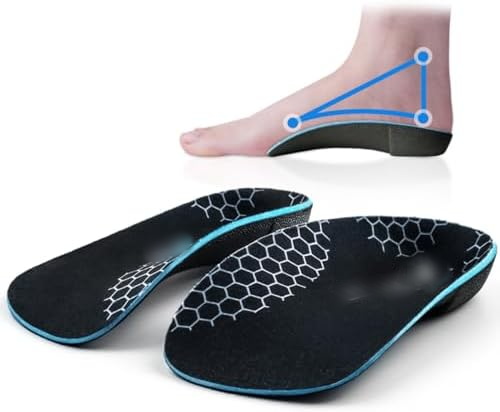
Packaging plays a major role in OEM and ODM production. It protects products during shipping and communicates brand identity to consumers.
Most manufacturers offer custom private labeling services, printing brand logos directly onto insoles or packaging according to the client's design. Options may include blister packs, paper cards, or fully recyclable boxes.
Sustainable packaging materials such as biodegradable paper or recyclable PET films are now common in export production. This environmentally friendly approach not only aligns with global market trends but also enhances brand credibility among eco-conscious consumers.
While most insole production targets mass markets, custom orthotics manufacturing operates as a specialized category. It starts with capturing a detailed 3D scan or physical mold of an individual's foot. This data is processed through CAD software, creating a digital model precisely matching the user's arch and pressure distribution.
A CNC milling machine carves the custom insole base from a high-density foam or thermoplastic sheet. The shaping, polishing, and layering steps follow the same pattern as mass production but with personalized dimensions and target corrections.
Although more time-consuming, custom orthotic insoles guarantee clinical accuracy — correcting biomechanical imbalance and providing unmatched comfort. They are often prescribed for medical use, diabetic care, or injury rehabilitation.
Once production is complete, reputable manufacturers move toward branding and certification. Orthotic insoles made for international markets typically undergo third-party assessments ensuring compliance with global standards.
Certifications such as ISO, CE, REACH, or SGS verify product safety and environmental sustainability. Export documentation, labeling, and logistics coordination ensure timely delivery to global brand owners, distributors, and wholesalers.
Manufacturers often maintain strict traceability, allowing every batch of insoles to be linked back to raw material sources and production dates. This transparency strengthens trust between OEM suppliers and international clients.
With the increasing global awareness of foot health, the demand for orthotic insoles continues to rise in both professional and lifestyle footwear markets. OEM manufacturers in China have positioned themselves as world leaders by combining automation, innovation, and cost efficiency.
Their ability to produce high volumes without compromising quality helps global brands expand their product portfolios. Moreover, OEM factories provide design customization, rapid prototyping, and flexible order scaling — essential advantages for brands seeking differentiation in competitive footwear markets.
When choosing an OEM partner, it's critical to verify their expertise in biomechanics, material sourcing, molding precision, and quality control systems. A reliable manufacturer ensures consistent performance, comfort, and long-term durability in every pair of insoles delivered.
Innovation continues to redefine how orthotic insoles are made. Emerging technologies are introducing smarter and more sustainable production practices:
- 3D-Printed Custom Insoles: Enable fully tailored shapes and faster production turnaround.
- Smart Insoles with Sensors: Track gait, pressure, and step count for enhanced health insights.
- Recycled Materials: Increasing use of eco-friendly EVA and biodegradable foams for green manufacturing.
- AI-Based Design Optimization: Uses data analysis to improve ergonomic performance and energy return.
As technology evolves, orthotic insoles are becoming not only protective but also intelligent components that blend comfort, data, and style.
Manufacturing orthotic insoles is an intricate process that integrates science, technology, and craftsmanship. From the earliest design sketches and material selection to molding, assembling, and final inspection, every stage demands precision and expertise.
Whether customized or produced for OEM clients, orthotic insoles play a vital role in enhancing comfort, correcting posture, and improving user well-being. As global demand grows, manufacturers who invest in innovation and quality control will continue to shape the future of the footwear industry — step by step, layer by layer.
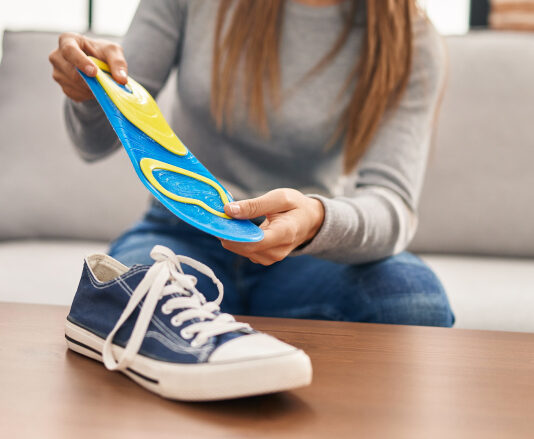
The best materials include EVA, PU foam, TPU, and memory foam. Each material serves a distinct function — EVA for cushioning, TPU for structural support, PU for resilience, and memory foam for personalized comfort.
Insoles generally last six months to one year depending on usage intensity, body weight, and activity level. Sports users or workers who stand for long hours may need replacements more frequently.
Yes. Orthopedic insoles are medically designed to correct foot alignment, while comfort insoles aim to provide cushioning and general support without altering biomechanics.
Absolutely. OEM manufacturers offer full customization, including printed logos, packaging designs, and exclusive mold development to meet brand requirements and market positioning.
Chinese manufacturers provide advanced production facilities, global-quality standards, large-scale capacity, and cost-effective solutions — ideal for brands and distributors seeking reliable supply chains and long-term partnerships.


