
Language
Views: 222 Author: Edvo Publish Time: 2026-01-11 Origin: Site


Content Menu
● Understanding Orthotic Insoles
● Why a Break-In Period Matters
● Step-by-Step Guide: Breaking in Orthotic Insoles
>> 2. Pick Supportive, Proper-Fitting Shoes
>> 3. Pay Attention to Body Feedback
>> 4. Observe Your Posture and Movement
>> 5. Incorporate Stretching and Mobility Exercises
● Common Issues During the Break‑In Phase and Ways to Fix Them
>> Heel or Forefoot Pressure Points
● Understanding the Adjustment Timeline
● Professional Advice for a Smoother Transition
● When to Seek Professional Help
● Benefits of Successfully Broken‑In Orthotic Insoles
● The Role of Quality in Orthotic Manufacturing
● Long-Term Use and Replacement
● Building a Healthy Footwear Habit
● FAQ About Breaking in Orthotic Insoles
>> 1. How long should I wear new orthotic insoles daily during the break-in period?
>> 2. What is normal discomfort and what is not?
>> 3. Can I use my orthotic insoles in different pairs of shoes?
>> 4. How do I clean orthotic insoles safely?
>> 5. When is it time to replace orthotic insoles?
Orthotic insoles are more than just shoe inserts—they are precision-designed supports created to align your feet properly, reduce pressure, and enhance walking efficiency. Whether you're new to orthotics or switching to a new model, the key to success lies in properly breaking them in. Rushing the process can lead to unnecessary discomfort or poor results, while a gradual adjustment phase allows your feet and body to adapt smoothly.
As one of the leading orthotic insole manufacturers in China providing OEM services to international brands, we understand how important it is for users to experience comfort right from the start. This comprehensive guide explains how to break in orthotic insoles effectively, what to expect during adaptation, and how to maintain them for long-term performance.
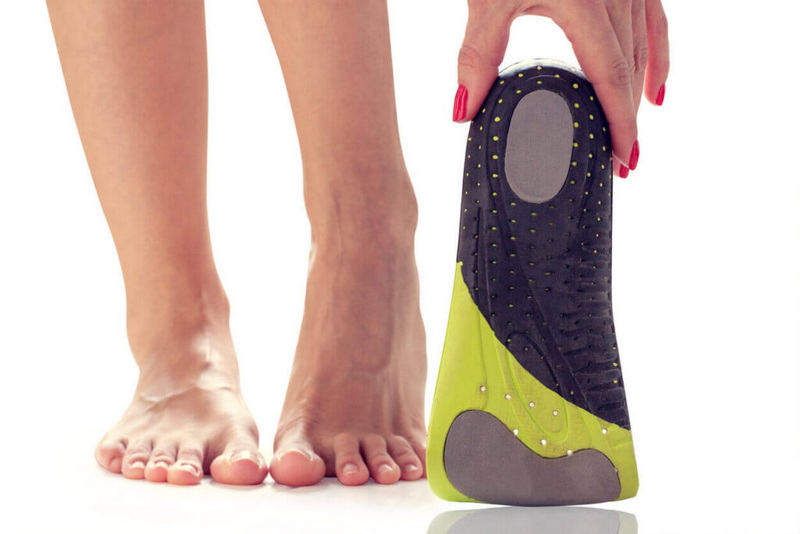
Orthotic insoles are specifically shaped and engineered to support your feet's biomechanical alignment. They help manage or correct conditions such as flat feet, plantar fasciitis, heel pain, overpronation, and foot fatigue. Unlike generic foam pads, orthotics distribute pressure evenly and stabilize your lower body.
There are generally two main types of orthotics:
- Custom-made orthotics: Crafted based on foot scans or molds by podiatrists for individual needs.
- Prefabricated orthotics: Professionally designed using ergonomic standards, ideal for everyday use and widely available through OEM suppliers.
Regardless of the type, the goal is the same—reduce pressure, improve balance, and provide consistent comfort throughout your stride.
Most users notice a significant improvement in posture, reduced pain in the knees or hips, and greater energy during walking or standing for long hours once the orthotics are properly adapted.
When you first wear orthotic insoles, they may feel unusually firm or alter your walking pattern. Your muscles, tendons, and ligaments adjust gradually to the new foot alignment. This process, called the break-in period, is crucial to achieving optimal comfort and function.
Here are a few reasons why the break‑in period is necessary:
- Biomechanical adaptation: The muscles must learn to work with improved alignment.
- Pressure redistribution: Different contact points bear weight differently until the foot adjusts.
- Material flexibility: Most insoles slightly mold to your foot shape during use.
- Sensory adaptation: Your brain learns to interpret new feedback from your feet.
The body thrives on gradual change. Wearing orthotics all day right away can lead to soreness or even blisters. Proper adjustment ensures your insoles last longer and perform at their best.
Begin with short periods of wear—one to two hours each day indoors. Increase usage time incrementally. For instance, move from two hours to four, then six, until you feel comfortable wearing them the entire day. This slow progression gives your feet time to adapt.
Avoid overuse during the first week. If mild soreness occurs, allow a day of rest or revert to shorter wear times. Consistency is more effective than intensity.
Your shoes matter just as much as your insoles. Always ensure your footwear provides enough room for orthotics and supports your natural motion. Remove any existing insoles before replacing them with orthotic ones, as layering can limit space and distort foot placement.
For the best comfort:
- Select shoes with adjustable laces or straps.
- Choose deep heel cups for added stability.
- Avoid shallow or narrow shoes that squeeze your toes.
Athletic and work shoes are usually more supportive than thin casual loafers or high heels during the break‑in phase.
Discomfort in the arches, calves, or heels is normal in the beginning. However, sharp pain or numbness signals a problem with fit or positioning. Recheck whether the insole lies flat inside the shoe or if your heel slips.
Minor soreness often disappears after a few days as your muscles adapt, but persistent pain warrants professional evaluation. Never force your body through enduring discomfort—it's better to adjust, rest, and continue gradually.
Orthotics often cause subtle adjustments in how you stand and walk. You may feel your feet landing differently or your hips shifting slightly. This is part of the alignment improvement. Try standing naturally and ensure both feet feel balanced. If you notice leaning or limping, pause and let the insole settle in.
Good posture changes start at your feet. When alignment improves, you'll often feel less strain in your knees, hips, and lower back. That's a sign your orthotics are doing their job.
Gentle stretching not only speeds up adaptation but also strengthens muscles affected by the new positioning.
Useful exercises include:
- Toe curls: Strengthen the arch muscles.
- Heel raises: Improve ankle stability.
- Calf stretches: Release tension from altered alignment.
- Foot rolling: Use a soft ball to massage the arch and improve circulation.
Five minutes daily is enough to enhance comfort while breaking in orthotics.
It's common to experience arch fatigue during the adjustment period. This usually resolves within one to two weeks. Ease into longer usage times gradually to manage this.
If specific pressure spots become painful, try repositioning the insole slightly. Some insoles can also be trimmed using sharp scissors to achieve a better fit around the toe area.
If insoles slide during movement, check whether they are the right size. A well-designed orthotic should sit firmly within the shoe without shifting. High-quality OEM insoles use anti-slip coatings or heel locks to prevent this issue.
During the early stages, feet may sweat more than usual as materials adjust to your body temperature. Air out insoles daily and wear breathable socks to maintain hygiene.
Orthotic adaptation is unique to every individual. On average, it takes about two to four weeks to complete the break-in phase. However, factors such as foot condition, body weight, and material type can affect this duration.
For example:
- Soft foam or gel-based insoles adapt faster within a week.
- Semi-rigid or carbon-based orthotics may need three to four weeks.
- Athletes and workers on their feet all day often experience quicker adaptation due to consistent activity.
Patience pays off. Once your body has aligned to your orthotics, every step feels supported and natural.
1. Avoid wearing new orthotics during long trips or strenuous activity until you're fully adjusted.
2. Replace old shoes with balanced soles before starting the break-in process. Uneven shoes can reduce orthotic effectiveness.
3. Keep communication open with your orthotic provider—professional adjustment or heat molding can sometimes optimize comfort.
4. Always wear socks to prevent friction and blisters.
5. Keep track of changes in your gait or joint comfort; these are good indicators of success.
Proper maintenance prolongs product lifespan and comfort. Orthotic insoles accumulate sweat and pressure daily, which can shorten their usability if not cleaned correctly.
- Clean weekly with mild soap and a damp cloth, then air dry completely before reusing.
- Rotate between multiple pairs if possible, especially for those who use them daily in different shoes.
- Avoid extreme heat—never leave them under direct sunlight or near heaters.
- Store in a dry area when not in use to protect from mold and odor.
An OEM‑manufactured orthotic insole crafted from breathable fabrics and medical‑grade EVA foam can last six to twelve months under regular use. Athletes or workers with high activity levels may need replacements sooner, while office users might continue using a single pair for over a year.
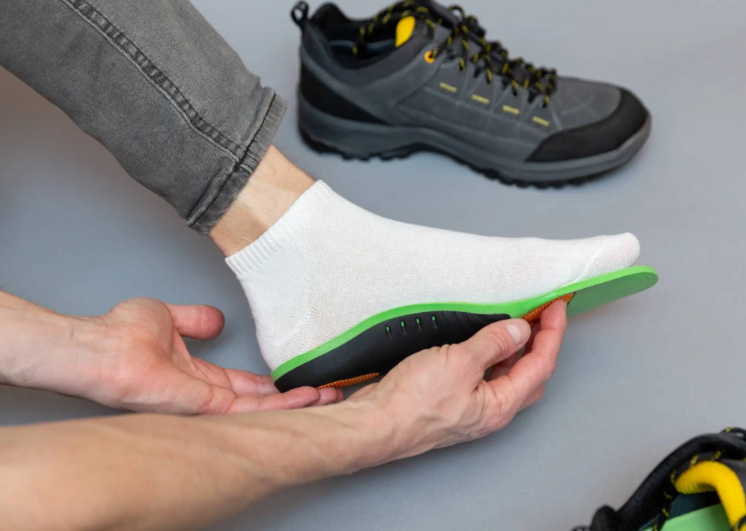
Despite following all steps, some users may still experience persistent discomfort. In such cases, it's advisable to consult a foot specialist or orthotic supplier. Professional evaluation ensures that:
- The alignment is correct for your gait pattern.
- The material type suits your weight and foot arch type.
- No underlying medical condition (like nerve compression or inflammation) is present.
Sometimes, a small adjustment—such as heel lift padding or arch trimming—resolves all issues.
Once the break-in process is complete, the benefits are substantial and long-lasting:
- Relieved foot and arch pain: Weight distribution becomes balanced, reducing local stress.
- Improved posture: Correct foot alignment positively affects the entire skeletal structure.
- Higher endurance: Walking or standing becomes easier, even for long durations.
- Enhanced performance: Runners and athletes notice improved stability and less fatigue.
- Long-term foot health: Prevents recurring conditions like plantar fasciitis and shin splints.
For many users, orthotic insoles become a non‑negotiable part of daily comfort and health management.
Not all insoles are created equal. Material selection, structural design, and manufacturing precision directly influence break‑in speed and durability. As a leading OEM orthotic manufacturer in China, we emphasize three critical design principles:
- Ergonomic contouring: Each insole must mirror the foot's natural shape.
- Breathable comfort: Multi‑layer materials prevent moisture and overheating.
- Durable flexibility: Balancing softness and resilience ensures consistent support.
High-quality OEM insoles engineered using advanced molding technology simplify the break‑in process because they offer balanced support and adaptive flexibility from day one.
When retailers or brands source from reliable manufacturers, customer satisfaction improves significantly, resulting in fewer returns and stronger brand loyalty.
Even the best orthotics don't last forever. Over time, everyday stress and body weight cause materials to compress. Signs that it's time to replace your orthotic insoles include:
- Noticeable flattening or loss of arch height.
- Cracking, tearing, or thinning of materials.
- Persistent odor even after cleaning.
- Resurgence of old pain symptoms.
Replacing your orthotics every 6–12 months maintains effectiveness and hygiene, especially for active users.
Breaking in orthotic insoles is part of a larger goal—building consistent care habits for your feet. Combine your orthotics routine with:
- Properly fitting shoes across all activities.
- Daily foot hygiene, including washing and drying.
- Occasional stretching to maintain flexibility.
- Rest periods if you're on your feet for extended hours.
Your feet carry your entire body every day; treating them with care translates to better health and performance in all areas of life.
Learning how to break in orthotic insoles is a journey of patience, observation, and self‑care. Give your feet time to adapt, listen to your body, and don't rush the process. Gradual wear, supportive footwear, and consistent cleaning routines ensure your insoles last longer and deliver the comfort they're designed for.
As a trusted OEM orthotic manufacturer in China, we encourage users and global partners alike to emphasize education in foot health. Once your orthotic insoles are fully broken in, you'll not only notice superior comfort and posture but also long‑term benefits in energy, balance, and mobility. Properly broken‑in insoles are more than accessories—they're an investment in daily wellbeing.
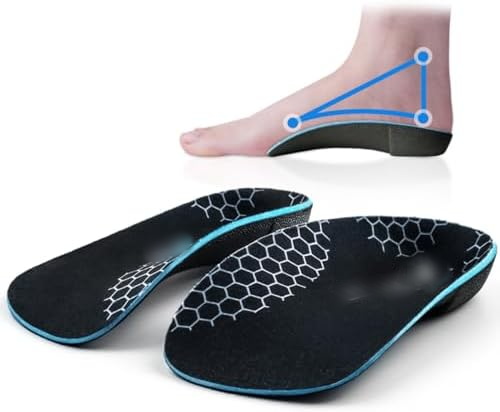
Start with one to two hours per day, then add an hour daily as comfort improves. Most users adapt within two to four weeks.
Mild soreness in your arches or calves is normal. Sharp pain or numbness that doesn't fade after a few days signals improper fit and needs adjustment.
Yes, as long as both pairs have enough internal space and similar structure. Ensure the insole sits flat without bending or slipping.
Wipe gently with mild soap and a damp cloth. Avoid soaking or using washing machines. Air dry naturally before placing them back in shoes.
Replace insoles when they lose shape, crack, or cause discomfort despite previous comfort. Regular users typically need replacements every 6–12 months.


