
Views: 222 Author: Edvo Publish Time: 2025-11-26 Origin: Site


Content Menu
● Understanding Custom Orthotic Insoles
● Who Needs Custom Orthotic Insoles?
● Step-by-step: How To Get Custom Orthotic Insoles
>> 2. Foot Impression or Digital Scan
>> 5. Finalization and Quality Check
● Materials and Technologies in Modern Orthotic Insoles
● Advantages of Getting Custom Orthotic Insoles
● Custom Orthotics for Special Populations and Conditions
>> Diabetics
>> Children
>> Elderly
>> Athletes
● How To Choose the Right Provider
● Best Practices for Using and Caring for Custom Orthotic Insoles
● The Future of Custom Orthotic Insoles
● User Experiences and Testimonials
● Troubleshooting Common Issues
● Trends in Custom Orthotics for Sports and Industry
● Frequently Asked Questions (FAQ)
>> 1. How long does it take to get custom orthotic insoles?
>> 2. Are custom orthotic insoles covered by insurance?
>> 3. Can I order custom insoles online without visiting a clinic?
>> 4. How much do custom orthotic insoles cost?
>> 5. How often should orthotic insoles be replaced?
Whether you're an athlete, a professional on your feet all day, or simply looking for relief from foot pain, custom orthotic insoles offer a tailored solution unmatched by off-the-shelf inserts. They address the root cause of discomfort, support your biomechanics, and can transform the way you move.
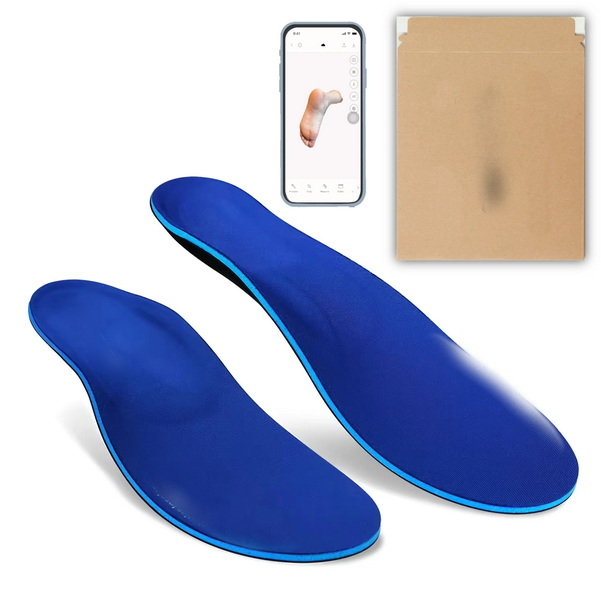
Orthotic insoles are shoe inserts engineered to match your unique foot structure. They correct abnormal gait, redistribute pressure, and bring the body into natural alignment, reducing strain on joints from the ankles to the lower back. Unlike one-size-fits-all store-bought insoles, custom orthotics are crafted upon detailed analysis of your feet.
While anyone can benefit from enhanced support, those who most need custom orthotic insoles include individuals with the following:
- Chronic foot, ankle, knee, hip, or lower back pain
- Flat feet or high arches
- Diabetes (at risk of foot ulcers)
- Plantar fasciitis, bunions, or heel spurs
- Athletes and people with lifestyle-related foot strain
- Abnormal gait patterns or overpronation/supination
Your journey starts with a visit to a foot specialist, orthopedic clinic, or even a reputable online provider. During the assessment, professionals evaluate your foot posture, walking pattern, joint flexibility, and identify problem areas through physical examination and sometimes advanced gait analysis technology.
After the assessment, a precise foot impression is necessary. Clinics may use foam impression boxes or plaster casting, which physically capture your foot shape. Increasingly, 3D foot scanners are used to generate a digital map of your feet, delivering unmatched accuracy and convenience.
Podiatrists or orthotic technicians use your assessment data to prescribe specifications for your insoles. This includes material selection (foam, gel, carbon fiber, etc.), thickness, padding location, arch height, and firmness, tailored to your lifestyle—whether you run marathons or need comfort for daily activities.
At the orthotic lab, your impressions or scans are translated into physical models. CNC machining, vacuum forming, or 3D printing builds the structural shell, precisely reflecting your foot contours. Technicians may layer several materials—soft foam for cushioning, rigid plastic for support, top covers for comfort, and optional padding such as Poron or gel inserts, depending on medical and lifestyle needs.
After forming the orthotic shell and adding any necessary padding, the device is hand-finished. Edges are shaped, the device is covered in hypoallergenic materials, and every orthotic is checked for matching the prescription, fitting inside your shoes, and overall comfort. Logos or identifiers may be added at this stage for professionals or brand orders.
Insoles are delivered either via in-person fitting at the clinic or shipped directly to your address. It's crucial to try them with different footwear and, if possible, walk under supervision to ensure a perfect fit. Many clinics offer adjustment sessions; online providers allow for returns and reworking until satisfaction is achieved.
Modern custom orthotic insoles leverage advanced materials and technology:
- Ethylene-vinyl acetate (EVA) foam: Lightweight, absorbs shock, customizable hardness for durable support.
- Polyurethane and memory foam: For supple, plush comfort, especially for casual or dress shoes.
- Thermoplastics and carbon fiber: Offer rigid support; favored in sports and medical-grade insoles.
- 3D printing: Enables complex, lightweight structures and rapid prototyping.
- Advanced CNC milling: Ensures tight fit tolerances and high surface finish for sensitive medical applications.
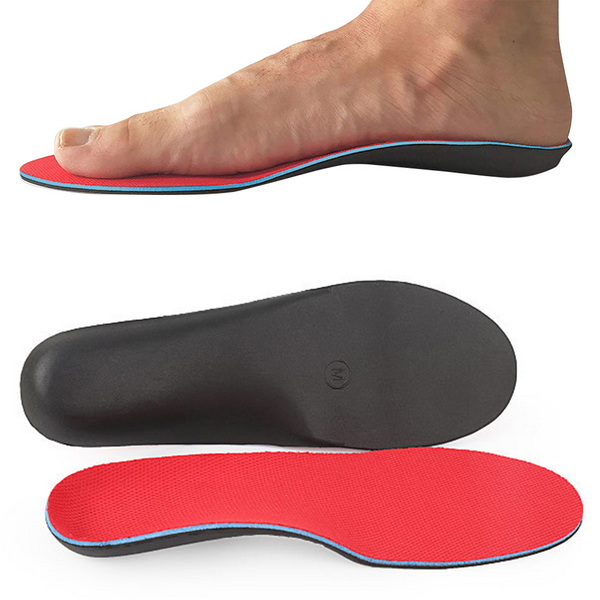
Custom orthotic insoles offer a spectrum of benefits that generic inserts simply cannot match:
- Targeted pain relief: By supporting exact pressure points and alignment issues.
- Injury prevention: Reducing risk of overuse injuries and repetitive strain.
- Enhanced athletic performance: Promoting efficient movement mechanics.
- Posture improvement: Better foot alignment leads to improved posture and balance throughout the body.
- Greater comfort and durability: Materials and fit are optimized for your daily activities and foot profile, lasting longer than mass-produced alternatives.
For individuals with diabetes, custom insoles can be lifesaving by reducing the risk of foot ulcers and other complications.
Correcting gait and structural issues early in childhood can prevent long-term orthopedic problems. Pediatric orthotics feature growth accommodation and are built for rapid activity.
Older adults benefit from insoles that improve balance and stability, reducing fall risk and managing age-related foot changes.
Performance insoles are tailored for shock absorption, lateral support, and durability to withstand intensive training and competition.
Selecting a provider is as important as the insole itself. Consider the following:
- Professional expertise: Choose clinics with certified podiatrists or orthotists and robust customer support.
- Technology: Look for providers offering digital scanning and state-of-the-art manufacturing.
- Customization options: Confirm they accommodate specific activity levels, shoe types, and medical conditions.
- Warranty and remake policies: Reliable providers offer free adjustments within a trial period.
- Client reviews and reputation: Seek evidence of customer satisfaction and clinical effectiveness.
Proper care extends your insole's life and ensures optimal performance:
- Gradual adaptation: Begin by wearing insoles for one hour a day, increasing use incrementally until your feet adjust.
- Regular cleaning: Hand wash with mild soap, allowing to air dry completely.
- Inspection for wear: Look for signs of compression, cracking, or loss of support; replace at least every 12–24 months.
- Use in multiple shoes: If insoles are removable, switch them between shoes for consistent support.
- Follow up with your provider: Annual reviews ensure your orthotics continue to meet your changing needs.
The orthotics industry evolves rapidly, leveraging developments in scanning, biomaterials, and wearables:
- Smartphone foot scanning: Emerging apps enable users to scan feet at home for custom orders.
- AI-driven design: Predicts optimal insole structure based on thousands of data points.
- Smart insoles: Incorporate pressure sensors and connectivity for real-time gait analysis.
- Eco-friendly options: Materials and production methods are increasingly focused on sustainability.
Real-world feedback often highlights life-changing improvements:
- “After years of plantar fasciitis, my custom insoles let me walk pain-free again.”
- “As a nurse, standing 12 hours a day isn't an issue since using my orthotics.”
- “Our son stopped complaining of growing pains after we got him custom-made pediatric insoles.”
Even the best insoles may require adjustment. If you experience discomfort, hotspots, or improper fit, contact your provider immediately—most offer one or more free modifications.
Custom insoles have revolutionized professional sports—athletes in running, basketball, football, and many industries now routinely rely on custom orthotics to enhance performance, minimize injury, and accelerate recovery from strain.
Custom orthotic insoles are more than a comfort accessory; they are an investment in your health, mobility, and quality of life. From precise assessment and digital customization to lasting care and support, the journey to your best stride begins and ends with orthotics crafted for your unique needs. As technology evolves, personalized solutions become even more accessible—making this the best time to invest in true foot comfort.
Manufacturing and delivery typically range from one to three weeks, depending on whether your provider is local or online and the complexity of your prescription.
Many health insurance plans cover custom orthotics with a prescription from a healthcare professional. Consult your provider for coverage details.
Yes, several reputable providers offer mail-order impression kits or digital scanning technology for remote ordering and fitting.
Depending on material, provider, and technology, costs generally range from $60 to $450 per pair. Prices reflect the degree of customization and material quality.
Most custom insoles last between 12 to 24 months. Replace them when you notice reduced support, material breakdown, or discomfort.


