
Views: 222 Author: Amanda Publish Time: 2025-09-04 Origin: Site


Content Menu
● Preparing to Heat Mold Sole Insoles
● Step-by-Step Guide to Heat Molding Sole Insoles
>> Step 2: Prepare the Insoles
>> Step 3: Insert Insoles into Shoes
>> Step 4: Wear and Mold Insoles
● Additional Tips for Best Heat Molding Results
● Maintenance and Care of Heat Molded Sole Insoles
● Frequently Asked Questions (FAQ)
>> 1. How do I know if my sole insoles are heat moldable?
>> 2. Can I use a microwave instead of an oven to heat mold sole insoles?
>> 3. How often can I heat mold my sole insoles?
>> 4. Will heat molded insoles work for all types of shoes?
>> 5. Are heat molded sole insoles suitable for people with flat feet?
Sole insoles have become a crucial component for improving shoe comfort and foot support. Heat molding sole insoles is a popular method to achieve a custom fit tailored precisely to the unique contours of your feet. This article provides a comprehensive guide on how to heat mold Sole Insoles effectively, ensuring maximum comfort and performance. Along the way, practical tips and videos will be presented to help users master the technique.

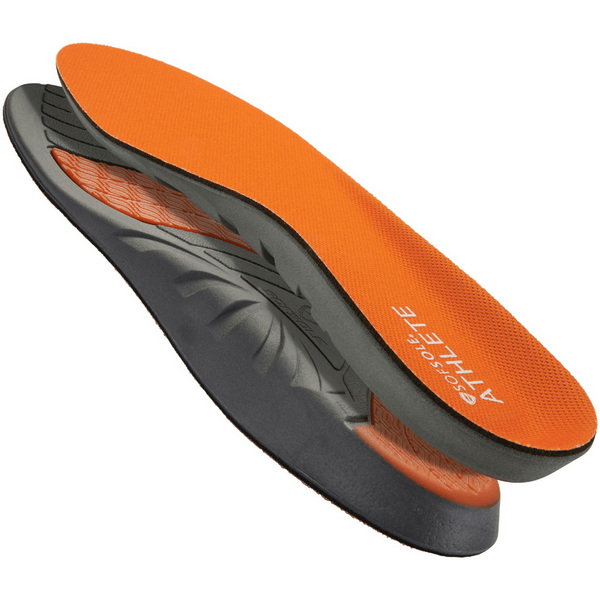
Sole insoles are removable inserts placed inside shoes to provide additional comfort, support, and cushioning. They are especially beneficial for people with foot pain, flat feet, or high arches. Sole insoles vary in material and design, but heat moldable sole insoles stand out because of their ability to be custom-shaped for individual needs after heating. Whether designed for athletic shoes, boots, or casual footwear, these insoles improve overall foot health and reduce the risk of common foot-related injuries.
The materials used in sole insoles are diverse. Common materials include memory foam, gel, EVA foam, and thermoplastics. Heat moldable sole insoles typically incorporate thermoplastic components that soften at certain temperatures, allowing the insoles to be reshaped through heating. This specialized feature allows these insoles to adapt uniquely to each wearer's foot anatomy, providing superior comfort and support compared to standard insoles.
Heat molding softens the material of the sole insoles, making them pliable so they can adapt to the shape of your feet. This process offers a personalized fit, helping to:
- Reduce foot fatigue, especially during long periods of standing or walking.
- Correct foot posture by supporting the arches and calming overpronation or supination.
- Provide arch support tailored to your feet, which is crucial for those with flat feet or high arches.
- Enhance overall shoe comfort and stability, preventing blisters and hotspots caused by friction.
Many users report immediate relief from discomfort once heat moldable sole insoles are custom fitted. Unlike generic insoles, this method allows the insole to mirror the exact contours of each foot, thereby minimizing pressure points and maximizing shock absorption.
Before beginning the heat molding process, ensure the following:
- Your sole insoles are heat moldable (check the packaging or bottom of the insole for heat mold indicators, usually including temperature guidelines or a heat mold symbol).
- You have access to a conventional oven or a heat source suitable for insole heating. Avoid microwaves as they can heat unevenly and damage the materials.
- Remove factory insoles or any other inserts from your shoes to ensure the molded insoles fit properly.
- Wear suitable socks during the molding process for a more comfortable fit and to prevent burns.
Proper preparation is vital to ensure the heat molding process works smoothly and effectively. Having all necessary items ready before starting will make the process quicker and safer.
Set your oven to 200°F (approximately 90-93°C). This temperature is optimal for heating sole insoles without risking material damage. Preheating ensures even heat distribution, which is essential for a successful mold.
Place the sole insoles on the oven rack with the fabric side facing up. Avoid putting the insoles close to the heating element to prevent warping. Heat them for about 2 minutes or until the heat indicator on the sole insole changes color, signaling they are pliable and ready to be molded.
Remove the insoles carefully from the oven using oven mitts to avoid burns. Immediately place the warmed sole insoles into your shoes, making sure they lay flat without curling or bending on the edges.
Put your shoes on promptly. Stand with your feet shoulder-width apart, with your toes pointing straight ahead. Bend your knees slightly over your second toe to mimic normal walking posture. Maintain this stance for approximately 1-2 minutes to allow your feet to fully imprint their shape into the soft insoles. This step is essential to achieve the precise customization sole insoles are designed for.
Once the molding is complete, carefully remove the shoes and let the insoles cool naturally. During this cooling period, the insoles harden into the customized shape that matches your foot contours. The result is a uniquely comfortable fit that helps improve stability and support during wear.
- Always heat mold insoles in a well-ventilated area to avoid inhaling any fumes that might emit from heated materials.
- Avoid overheating. Follow manufacturer instructions carefully to prevent warping or damaging the insoles.
- Always wear socks during the molding process to protect your feet and improve the comfort of the fit.
- If you are not satisfied with the initial mold, you can usually repeat the process by reheating and remolding the insoles a few times to perfect the fit.
- Inspect the insoles after heating. If you notice any signs of scorching or damage, discontinue use and consider replacement.
- Heat molding works best when done while standing to replicate the natural weight distribution on your feet.
To extend the life and maintain the comfort of your heat molded sole insoles, follow these care tips:
- Clean the insoles gently using mild soap and lukewarm water. Avoid harsh detergents or chemicals that can degrade the materials.
- Air dry the insoles naturally away from direct sunlight or intense heat. Do not use a dryer.
- Store the insoles in a cool, dry area when not in use.
- Replace the insoles when they lose their cushioning or molded shape, as worn insoles can cause discomfort and reduce foot support.
- Periodically inspect your insoles for wear and tear to ensure they continue providing optimal comfort.
Heat molding sole insoles is a practical and highly effective method to customize the fit of your footwear, providing unmatched comfort and support. This process reduces foot fatigue, enhances posture, and offers tailored arch support that standard insoles cannot match. By carefully following the step-by-step instructions, tips, and precautions outlined in this article, anyone can achieve a personalized, comfortable fit with their sole insoles. Proper maintenance ensures that these benefits last over time, making heat molded sole insoles a smart investment for foot health and everyday comfort.

Heat moldable sole insoles typically have labels or symbols indicating their heat mold capability. The packaging or bottom of the insoles often includes temperature guidelines (around 160-200°F) and specific instructions. If unsure, refer to the manufacturer's manual or contact the supplier for confirmation.
Using a microwave is generally not recommended because it may heat the insoles unevenly, causing damage to the materials or improper molding. A conventional oven or a professional heat mold machine delivers even and controlled heating, making it the safer, more effective choice.
Generally, sole insoles can be heat molded several times for fine-tuning the fit. However, repeated heating beyond three or four sessions may reduce their durability. It's best to mold carefully and adjust gradually to extend their lifespan.
Heat molded sole insoles are highly versatile and can be used with most shoe styles, including athletic shoes, work boots, casual shoes, and hiking boots. Ensure the shoes have removable insoles or enough space to accommodate the custom-fit sole insoles comfortably.
Yes, heat molded sole insoles are particularly beneficial for flat-footed individuals. The customized arch support helps correct alignment issues, alleviates pain, and improves overall foot function by providing targeted cushioning and support.
[1](https://yoursole.com/blog/us/heat-molding-sole-footbeds)
[2](https://theinsolestore.com/blogs/articles/what-are-heat-moldable-insoles-and-why-do-they-matter)
[3](https://www.insolefactory.com/sole-moldable-insoles/)
[4](https://www.youtube.com/watch?v=wY2OxDjRq-M)
[5](https://www.youtube.com/watch?v=FL0rfp8VBTU)
[6](https://mitime.goldsupplier.com/1180390-Insoles/)
[7](https://theinsolestore.com/blogs/guides/how-do-i-mold-sole-custom-insoles)
[8](https://www.youtube.com/watch?v=Y6UTfZuGO08)
[9](https://www.alibaba.com/showroom/oem-shoe-insoles.html)
[10](https://www.youtube.com/watch?v=g4n00VpAHJ4)
[11](https://www.heatperformance.co.uk/information-guide/heated-soles-manual/)
[12](https://www.suscong.com/in-sole-inserts/)
[13](https://www.youtube.com/watch?v=nfqPyT2ErsI)
[14](https://yoursole.com/ca/faq)
[15](https://yoursole.com/instructions)
[16](https://www.suscong.com/sole-active-insoles/)
[17](https://theinsolestore.com/blogs/guides/all-about-moldable-insoles-wear-molding-heat-molding-custom-fitting-and-more)
[18](https://yahangshoes.en.made-in-china.com/product/pxBRoSEJvqhr/China-Women-s-EVA-Shoe-Soles-Soft-Comfortable-Insoles-OEM-Insoles-Good-Quality.html)
[19](https://treadlabs.com/blogs/insoles-reach-your-stride/do-heat-moldable-insoles-work)
[20](https://www.yuea-tay.com)


