
Views: 222 Author: Edvo Publish Time: 2025-12-28 Origin: Site


Content Menu
● Understanding Dr. Scholl's Orthotics
● Why Correct Insertion Is Essential
● Preparation Before Insertion
● Step-by-Step Guide: How To Insert Dr Scholls Orthotics In Running Shoes
>> Step 1: Remove the Existing Insoles
>> Step 2: Compare the Orthotic and Old Insole
>> Step 3: Test Placement Inside the Shoe
>> Step 4: Put On Your Shoes and Check Comfort
>> Step 5: Walk or Lightly Jog for Testing
● Additional Fit Adjustment Tips
● Understanding How Orthotics Affect Running Mechanics
>> Enhanced Balance and Stability
● Common Mistakes to Avoid When Installing Orthotics
● Maintenance and Care of Your Orthotics
● Choosing the Right Running Shoe for Dr. Scholl's Orthotics
● Extended Benefits of Using Dr. Scholl's Orthotics in Running Shoes
● When to Replace or Upgrade Orthotics
● Addressing Common Running Problems with Orthotics
>> Heel Pain or Plantar Fasciitis
>> High Arches
>> Shin Splints
● FAQ
>> 1. How do I know if my Dr. Scholl's orthotics fit correctly?
>> 2. Should I remove the original insoles before inserting orthotics?
>> 3. Can Dr. Scholl's orthotics help with knee or hip pain?
>> 4. How long does it take to adjust to new orthotics?
>> 5. Can I move Dr. Scholl's orthotics between different pairs of shoes?
Running performance and foot comfort often depend on a subtle balance between your footwear design and your individual biomechanics. For runners who experience pain, fatigue, or instability, Dr. Scholl's orthotics provide customized cushioning and alignment support. Yet many people overlook one important step: inserting them correctly.
Understanding how to insert Dr. Scholl's orthotic inserts in running shoes properly transforms not just comfort, but overall performance, injury prevention, and shoe durability. This guide covers every step in detail, from preparation to fit testing, while explaining how orthotics interact with your running style.
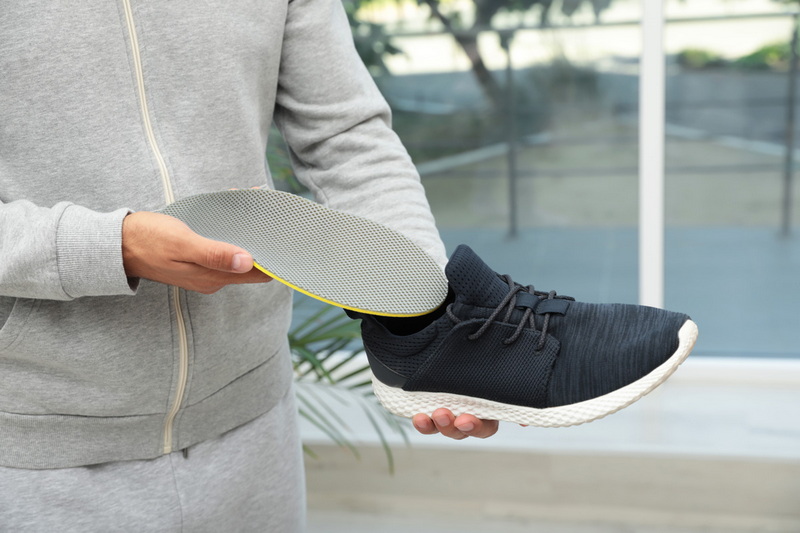
Dr. Scholl's orthotics are designed using foot-mapping technology that distributes pressure evenly and cushions impact zones. They are made from advanced foam or gel materials that contour to your foot's shape over time. Different models address specific issues such as plantar fasciitis, heel pain, or arch strain.
Most orthotics work on three performance principles:
- Support: Stabilizing the arch and maintaining correct foot alignment.
- Cushioning: Absorbing repeated shocks from each stride.
- Positioning: Ensuring natural gait and weight distribution.
When properly inserted into running shoes, these orthotics complement the shoe's structure, reduce fatigue on long runs, and provide consistent support from heel to toe.
Even the best orthotic won't perform well if it sits unevenly in the shoe. Incorrect placement can create pressure points, restrict natural motion, or cause blisters. Proper insertion ensures the orthotic aligns seamlessly with the shoe midsole, allowing a natural heel-to-toe transition.
Correctly inserted orthotics provide several benefits:
- Improve biomechanical alignment of knees and hips.
- Maximize comfort during both short and long-distance runs.
- Distribute weight evenly to avoid strain on arches.
- Enhance shock absorption and energy efficiency.
- Extend the lifespan of running shoes by maintaining their structural integrity.
By taking time to properly fit your Dr. Scholl's orthotics, you allow your shoes and your body to function as a coordinated unit.
Before inserting your orthotics, preparation ensures a secure and comfortable fit.
1. Check shoe compatibility. Choose running shoes that allow internal adjustments. Models with removable insoles and ample toe depth work best.
2. Clean the inner sole area. Remove debris or moisture to ensure a smooth surface.
3. Know your shoe design. Neutral running shoes generally accommodate orthotics more easily than stability or minimalist designs.
4. Inspect your orthotics. Confirm you have both left and right pairs and that they correspond to your shoe size.
5. Wear appropriate socks. Try the orthotics with the socks you usually wear when running, as thickness affects fit.
Follow these detailed steps to achieve a precise and lasting fit.
Most running shoes include a thin layer of cushioning foam or fabric liner inside. Gently pull it out starting from the heel. If it's lightly glued, slide a blunt tool underneath to loosen it carefully. Avoid tearing the shoe interior.
Removing the old insole creates enough space for the orthotic to lie flat, ensuring the shoe's original structure doesn't interfere with the new insert.
Place the original insole on a flat surface and position the Dr. Scholl's orthotic above it. Compare the shapes at the heel and toe. If your orthotic extends beyond the shoe's border, trace the outline of the old insole with a marker to guide trimming.
Trim gradually using sharp scissors, starting at the toe-end only. Avoid cutting into the arch or heel section. The goal is a snug yet natural fit when the insole lies flat inside the shoe.
Before wearing them, insert both orthotics into the shoes. The heel should fit securely into the heel cradle, and the toe box area should rest flat without folding or overlapping. Run your finger around the edges to ensure even contact across the bottom of the shoe.
If any ridge or wrinkle forms, remove and reposition. A tightly wedged orthotic can cause stiffness or discomfort during running.
Once inserted, put on your socks and lace your shoes as you normally would. Stand up and shift weight between both feet. If one side feels higher or tighter, remove the orthotic and recheck trimming accuracy.
The shoes should feel balanced — firm at the heel, supportive at the arch, and cushioned at the forefoot.
Before starting a full workout or run, test your shoes indoors. Walk or jog around for a few minutes, noticing how your feet adjust. Dr. Scholl's orthotics often take one or two sessions to conform to your unique foot shape.
If discomfort appears, remove the orthotic and inspect for uneven edges. Adjust as needed. Once the fit feels natural, your running routine can resume confidently.
- Do not stack orthotics on top of original insoles. This causes imbalance and shoe tightness.
- If one shoe feels looser, add a thin foam heel liner beneath the orthotic.
- For trail running shoes, choose slightly firmer orthotic models for stability.
- Break them in gradually — start with short runs of 20–30 minutes.
Your goal is a natural foot-to-shoe connection where your stride feels efficient yet supported.
Orthotics influence the way your feet interact with the ground and can reshape your running motion. Here's how:
Every step during running generates a force several times your body weight. Orthotics cushion high-impact zones, minimizing stress on heels and metatarsals.
Runners with overpronation (inward rolling) or supination (outward rolling) often struggle with uneven gait. Dr. Scholl's orthotics help correct this by aligning the foot properly from heel strike through toe-off.
A properly aligned stride reduces the effort your muscles must exert to maintain stability, allowing you to run longer before fatigue sets in.
Over time, orthotics train your posture by maintaining correct ankle positioning, which helps prevent repetitive stress injuries.
Properly installed orthotics work in harmony with your shoe cushioning, aiding smoother transitions, especially during long-distance or endurance running.
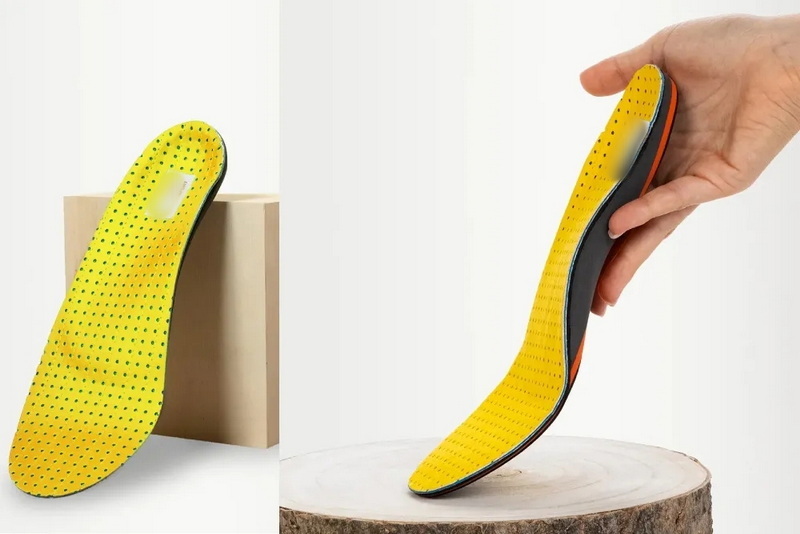
1. Skipping the trimming process. Oversized orthotics will fold in the toe box and create pressure points.
2. Ignoring shoe shape. Not every shoe accommodates every orthotic style; always ensure compatibility.
3. Over-tightening laces. This compresses the foot and limits flexibility.
4. Assuming instant comfort. Orthotics often require a short adjustment period of two to three runs.
5. Poor cleaning habits. Sweat and dirt buildup can cause odor and reduce durability over time.
Avoiding these mistakes ensures you get the maximum benefit from your Dr. Scholl's inserts.
To maintain performance and hygiene, follow a regular care routine:
- After each run, remove the orthotics to let both shoes and inserts air-dry.
- Wipe gently with a damp cloth using mild soap if necessary; never soak them in water.
- Store them in a ventilated area, avoiding high heat or direct sunlight.
- Replace every 6 to 12 months or sooner if they show visible wear or compression marks.
Running orthotics experience constant stress; timely cleaning and replacement prevent bacterial buildup and ensure consistent cushioning throughout their lifespan.
To maximize comfort, pair your orthotics with compatible shoe designs. Consider the following characteristics:
Running shoes with deep footbeds provide space for orthotic placement without crowding your toes. Shoes that feel too tight on insertion will compromise both comfort and ventilation.
Neutral running shoes with midsole flexibility complement the contour of Dr. Scholl's orthotics. Highly rigid models may restrict motion and reduce cushioning benefits.
Always ensure the original insole is removable. Permanent liners or glued insoles make orthotic installation difficult or uneven.
A firm, cup-shaped heel counter stabilizes your heel while preventing inward or outward rolling. This feature enhances orthotic performance and ensures longevity.
Choose shoes designed for long-distance comfort rather than racing speed. A slightly roomier fit allows the orthotic to sit naturally and reduces pressure at high mileage.
Combining proper shoes with the right orthotics delivers superior results in comfort, joint protection, and overall running efficiency.
Runners often report multiple physical and performance improvements after consistent orthotic use:
- Relief from pain associated with plantar fasciitis, heel spurs, or shin splints.
- Better alignment from ankles to hips, reducing injury recurrence.
- Enhanced energy return due to improved biomechanical efficiency.
- Increased running distance before fatigue sets in.
- Even weight distribution preventing calluses and hot spots.
- Extended shoe lifespan, as both sole and midsole experience less damage.
Beyond comfort, properly inserted orthotics create a more responsive connection between your foot and the shoe, allowing smoother transitions in gait and better momentum control.
Even premium-quality orthotics don't last forever. Over time, exposure to sweat and mechanical stress causes material fatigue. Look for these signs to determine replacement time:
- The heel cup feels soft or flattened.
- The arch support collapses or no longer holds shape.
- You notice uneven wear or cracked surfaces.
- Recurrent foot pain or imbalance returns during activity.
For runners logging high mileage each week, check the condition monthly. Replacing worn orthotics ensures continued alignment and protection throughout your training cycles.
Dr. Scholl's orthotics with deep heel cups absorb shock and reduce pressure on the plantar fascia ligament, providing noticeable relief for chronic heel pain.
Orthotics with reinforced medial arch support guide the foot into a more natural position, stabilizing gait and reducing inward rolling.
Cushioned orthotics help distribute impact evenly across the foot, minimizing pressure on the ball and heel.
Better foot mechanics provided by orthotics align the leg properly, decreasing rotational forces that contribute to knee discomfort.
Shock-absorbing orthotics protect muscles and tendons along the shin from excessive vibration on hard surfaces.
Each condition requires selecting the correct Dr. Scholl's model, followed by proper insertion for maximum effect.
Knowing how to insert Dr. Scholl's orthotics in running shoes is a small yet powerful step toward improving both comfort and performance. The process goes beyond sliding inserts into shoes—it's about achieving balance between technology, foot structure, and running habits.
From removing old insoles and trimming for a precise fit to understanding biomechanics and long-term maintenance, every detail affects the outcome. Properly fitted orthotics not only prevent pain and fatigue but also enhance stride efficiency, helping runners move with greater stability and confidence.
Whether you are a competitive athlete or a casual jogger, the right installation of Dr. Scholl's orthotics ensures every step supports your long-term joint health and performance goals.
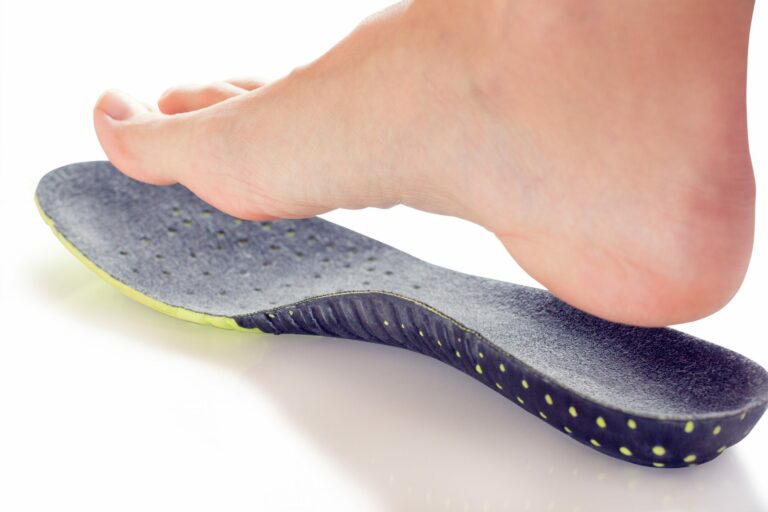
They should sit evenly inside your shoes without curling or sliding. When standing, you should feel balanced pressure across your feet without tightness or gaps under the arches.
Yes. Always take out the factory insoles first. Placing orthotics on top can cause the shoe to feel cramped and unstable.
Indirectly, yes. Orthotics improve foot alignment, which enhances leg posture and reduces stress on knees and hips during running.
Usually a few days to a week. Start with short sessions to let your feet adapt, then gradually increase your running duration.
Yes, as long as both shoes have similar internal volumes and removable insoles. Recheck alignment each time for consistent comfort.


