
Language
Views: 222 Author: Edvo Publish Time: 2025-11-30 Origin: Site


Content Menu
● What Are DIY Heated Insoles?
● Safety First: Essential Warnings
● Tools And Materials You Will Need
● Design Options For Your Heated Insoles
● Building A Wire‑Based DIY Heated Insole
● Building A Carbon Tape Or Film Heated Insole
● Adding Insulation And A Comfortable Top Layer
● Choosing A Power Supply And Basic Controls
● How To Integrate Photos And Videos Into Your Project
● Testing, Measuring Performance, And Troubleshooting
● Long‑Term Use, Care, And Maintenance
● Ideas For Advanced Features And Product‑Level Development
● Recommended Visual Flow For An Article Or Tutorial
● FAQ
>> 1. Are DIY heated insoles safe to use?
>> 2. Which heating element is better: wire or carbon tape?
>> 3. What voltage should I use for DIY heated insoles?
>> 4. How do I avoid hot spots under my feet?
>> 5. Can I use rechargeable lithium batteries inside the insole?
DIY heated insoles are customized footbeds with integrated low‑voltage heating elements that keep your feet warm in cold weather. By combining a simple heating circuit, safe insulation, and an external power source, you can build a practical solution for everyday use or outdoor activities in winter.
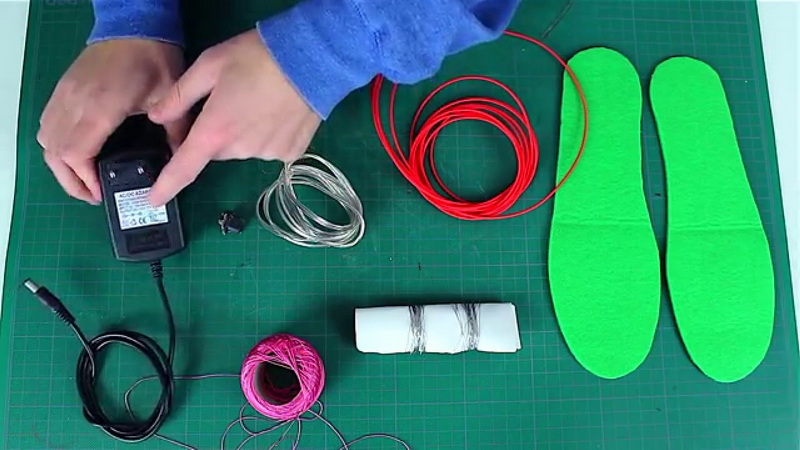
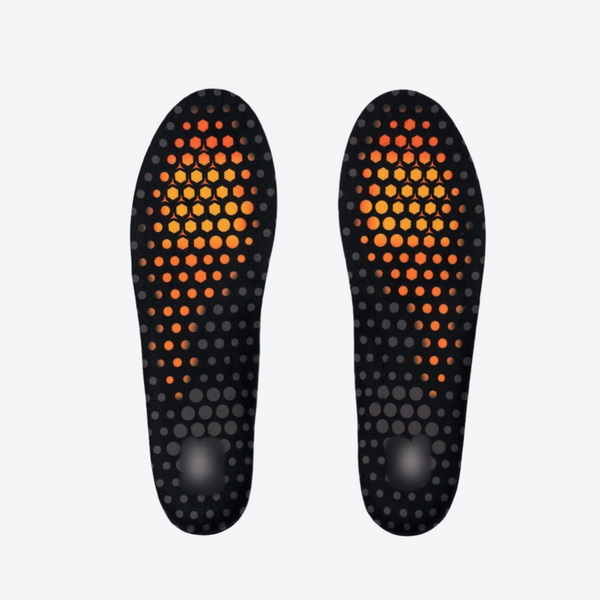
DIY heated insoles place a thin heating element inside or on top of a standard insole to generate gentle warmth under your foot. The heat is usually focused on the forefoot and toe area, where blood flow is lower and people feel cold first.
These insoles are powered by a compact DC power source, such as a power bank or battery pack, connected through flexible cables that lead out of the shoe. A thin comfort layer covers the heating element so your foot touches only soft materials while the heat is distributed evenly.
Any heated insole combines moisture, pressure, and electricity, so safety must come before comfort or low cost. Poor design can lead to hot spots, melted insulation, short circuits, or in extreme cases burns and damaged footwear.
To reduce risk, always work with low voltage, protect all exposed conductors, and place battery packs outside the shoe instead of under your weight. Add a fuse or basic protection device, avoid using damaged cables, and never ignore unusual smells, discoloration, or areas that feel excessively hot.
Before starting, prepare all tools and components to make the build smoother and more controlled. You can customize details, but most DIY heated insole designs share similar material groups.
Typical materials include:
- A pair of flat foam, EVA, or felt insoles to use as the base.
- Heating element: nichrome resistance wire or carbon fiber heating tape/film.
- Flexible insulated hook‑up wires for power connections.
- Heat‑shrink tubing and electrical tape to cover joints.
- High‑temperature fabric or contact adhesive.
- Thin fabric or foam sheet for the top cover.
- Low‑voltage DC power source such as a USB power bank or battery pack.
- Optional: small inline switch, dimmer, or simple controller.
Helpful tools include scissors, a craft knife, pliers, a needle and strong thread, a multimeter, and a temperature measuring device such as a contact thermometer or non‑contact thermometer.
There are two main design families you can choose from, depending on what parts you already have and how comfortable you are with electronics.
- Wire‑based design: Uses a long loop of resistance wire arranged in a snake‑like pattern across the upper surface of the insole. The wire heats up when current flows, and the pattern can be customized to different foot sizes or shoe shapes.
- Carbon tape or film design: Uses flat flexible heating elements that spread heat more uniformly and are often thinner. This approach offers a cleaner look and more even warmth but needs careful bonding and connection work.
Both designs share the same basic logic: a controlled amount of electrical resistance transforms electrical energy into heat, and a cover layer smooths the surface and protects the circuit from wear and moisture.
Start by tracing the outline of your foot or the original shoe insole on the new insole blank. Mark key areas where warmth is most useful, especially the toes and ball of the foot, while leaving less emphasis on the heel.
Draw a layout with a pencil to show the planned path of the wire or tape. Keep spacing consistent, avoid sharp bends, and leave a clear path along the arch or side of the insole where the main leads can exit toward the ankle. A clear diagram on paper can help you refine the pattern before committing to glue or stitching.
For a wire‑based version, cut two equal lengths of resistance wire, one for each insole. The length depends on the resistance per meter of the wire and the voltage you plan to use; longer wire at the same voltage usually produces gentler warmth.
1. Thread the resistance wire through a soft insulating tube if you want added mechanical protection and comfort.
2. Bend the wire into a smooth zigzag or spiral pattern and place it on the insole surface following your drawn layout.
3. Fix the wire using small stitches with strong thread or dots of high‑temperature adhesive, making sure not to cut into or pinch the wire.
4. Route both ends of the wire toward the side or rear of the insole, where they will join flexible hook‑up wires that run to the power source.
5. Solder or mechanically connect the resistance wire to the hook‑up wires, then cover each joint with heat‑shrink tubing.
After both insoles are built, verify that their resistances are similar so they will heat evenly. The multimeter helps you confirm that no short circuits are present and that each insole draws a reasonable current at the chosen voltage.
If you use carbon tape or flexible film heaters, the assembly method changes slightly but follows the same pattern planning.
1. Cut carbon tape to the desired length, matching the coverage area drawn on the insole.
2. Place a bonding layer or fabric adhesive on the insole surface and position the tape in the planned pattern.
3. Apply heat or pressure according to the adhesive instructions so the tape bonds uniformly without bubbles or folds.
4. Attach insulated leads to the ends or pads of the tape by sewing and gluing or by carefully soldering if the material allows it.
5. Create strain relief by looping the leads and fixing them to the insole, so the soldered or sewn interface is not constantly bent with every step.
This approach produces a flatter, more uniform heater that feels less noticeable underfoot, especially once the top cover is added.
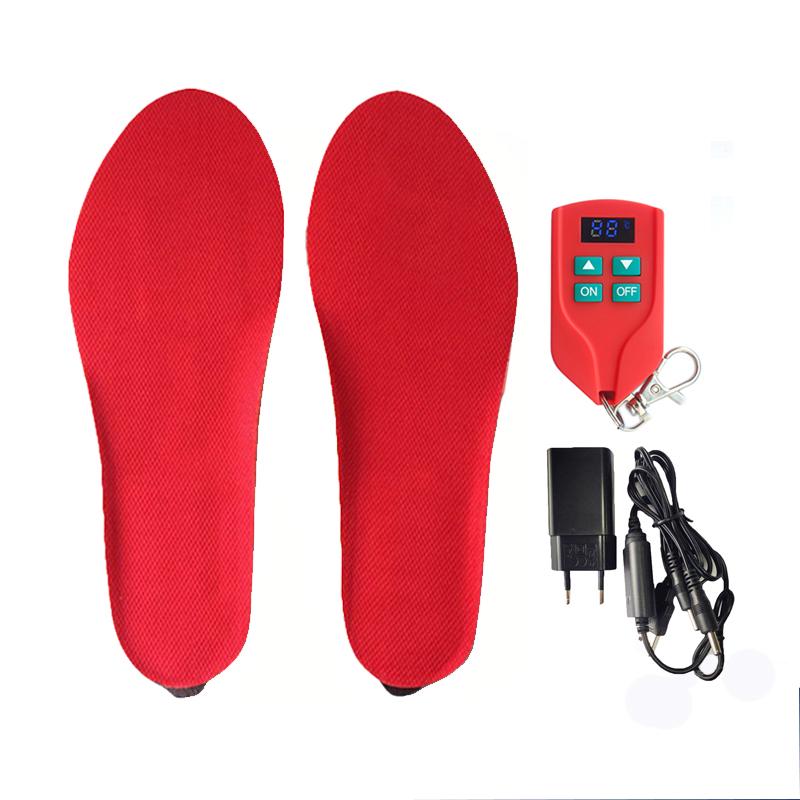
After the heater is secured, you need to turn the technical build into something comfortable enough for daily use inside shoes.
- Cut a thin foam, felt, or textile cover that fully overlaps the heating surface and slightly extends over the edges.
- Apply adhesive evenly between the heater and the cover layer, pressing down firmly to avoid air pockets or raised lines.
- Trim the edges carefully once the glue is dry, making sure the insole still fits easily into the shoe without bunching or tight spots.
The top cover protects the heater from sweat, dirt, and friction. It also smooths out any minor irregularities so the foot rests on an even surface instead of directly on wires or tape.
Selecting and wiring the power source is one of the most important decisions for both comfort and safety. A common choice is a USB power bank or low‑voltage battery pack carried in a pocket, attached to the ankle, or strapped around the calf.
Key points for the power system:
- Match the heater resistance to your chosen voltage so that the current and resulting heat remain at a safe level.
- Place a small fuse in series with the power line to protect against short circuits.
- Use reliable connectors that are easy to plug and unplug even with gloves on.
- Consider adding a simple inline switch or low‑cost dimmer to adjust heat output without disconnecting the pack.
By keeping the voltage modest and using external packs, you limit the stress on components inside the shoe and make maintenance or replacement of batteries much easier.
If you plan to share your DIY heated insole project with users or customers, good visuals will significantly increase engagement and clarity. Photographs and videos help explain details that are hard to capture in text alone.
Useful visual moments include:
- A clean shot of all materials and tools laid out before assembly.
- Several close‑ups during layout of the heating pattern on the insole.
- Step‑by‑step clips showing attachment of the heater, wire connections, and the top cover.
- Short test videos showing the insole being powered on, checked with a thermometer, and inserted into a boot.
When creating videos, keep each clip focused on a single step and explain what you are doing with brief voiceover or captions. For a manufacturing brand, mixing studio‑style shots with some lifestyle scenes outdoors can also show real‑world use.
Before placing the insoles into shoes and going outside, complete a structured testing process. This protects the user and gives you data to improve the design.
Test steps:
1. Lay the insoles flat on a heat‑resistant surface and connect them to the power source.
2. After a few minutes, check the surface with your hand and, if available, a thermometer to confirm that the heat is gentle and even.
3. Measure current draw with a multimeter to ensure it matches your design goals and that each insole behaves similarly.
4. Flex the insoles gently while powered, and observe whether any area becomes significantly hotter or whether the heat suddenly cuts out.
If you find hot spots, revise the wire spacing, reduce voltage, or shorten runtime. If only one side heats properly, inspect that insole for broken connections, poor solder joints, or damaged tape.
Heated insoles live in a harsh environment: they must handle sweat, dust, impact, and repeated bending. A few good care habits will extend their service life and maintain safety.
- After use, disconnect the power, remove the insoles, and let them dry at room temperature.
- Avoid placing them directly on strong heaters or in dryers that might deform the base or damage adhesive.
- Regularly inspect edges and wiring exits for cracks, peeling layers, or exposed conductors.
- If you notice any burning smell, darkened spots, or melted sections, stop using the insoles immediately and repair or replace them.
Battery care is equally important. Store packs in a cool, dry place and keep them partially charged when not used for a long time. Avoid using obviously swollen, corroded, or physically damaged batteries.
Once the basic DIY version is working well, you can extend the concept toward more advanced and commercial‑style systems. This is particularly relevant for a professional insole manufacturer that wants to develop heated solutions as an OEM offering.
Potential upgrades include:
- Multi‑level temperature control with preset heat modes.
- Thermostat or sensor‑based regulation that automatically maintains a target foot temperature.
- Wireless remote controls or mobile‑app integration for switching modes without handling cables.
- Modular designs where the heated layer can be paired with different top covers or orthotic structures for various markets, such as outdoor sports, work safety, or medical comfort.
From a manufacturing point of view, you can also explore integrated conductive textiles, laminated multilayer constructions, automated cutting and bonding processes, and standardized connectors that fit multiple footwear categories.
If you are using this topic as a content marketing piece, plan the placement of visuals to support the reader's journey from idea to finished product.
A simple flow could be:
- Early section: overview photos of materials, plus a diagram of the insole heating layout.
- Mid‑section: sequence of close‑ups and short clips for layout, wiring, bonding, and covering steps, each paired with concise captions.
- Later section: visuals showing safety checks, power connection, and actual outdoor or indoor use.
For a brand, mixing hands‑on workshop scenes with product‑style images on white background can communicate both technical capability and finished quality.
DIY heated insoles turn a standard pair of insoles into customized, low‑voltage foot warmers using resistance wire or flexible carbon heaters covered by soft, comfortable layers. With thoughtful layout planning, safe power design, and careful assembly, they can deliver reliable warmth in winter without sacrificing comfort or adding excessive bulk inside shoes.
For manufacturers and serious hobbyists, this project is also a stepping stone toward advanced heated insole products with better control electronics, integrated smart textiles, and more durable constructions. Whether used as a personal project or as a prototype for future OEM offerings, a well‑designed heated insole system showcases both technical skill and practical understanding of foot comfort.
DIY heated insoles can be reasonably safe when built with low voltage, proper insulation, and external battery packs, but they always carry some risk. To keep users safe, add fuses or simple protection, avoid damaged wiring, and test thoroughly before long‑term wear.
Resistance wire is cheap, widely available, and easy to shape, which makes it suitable for first prototypes and custom patterns. Carbon tape or film is flatter and can provide more even heat, which is attractive for thin shoes or commercial designs, but it requires more careful bonding and connection work.
Most DIY builders aim for a low‑voltage range, often similar to common USB power levels or slightly higher, to balance warmth and safety. Start with conservative settings, measure current, and adjust only after you understand the temperature behavior over time.
Hot spots occur when too much heating element is concentrated in one small area or where insulation is uneven. Use evenly spaced runs, avoid tight bends, add a uniform top cover, and always test the insole while powered before putting it into a shoe.
It is not recommended to embed lithium batteries directly inside the insole under your body weight because impact, bending, or punctures can damage the cells. A safer method is to keep battery packs outside the shoe, use robust enclosures and protection circuits, and disconnect immediately if the pack shows any signs of heat or deformation.


