
Language
Views: 222 Author: Edvo Publish Time: 2025-10-28 Origin: Site


Content Menu
● Understanding Why Insoles Become Slippery
● Smart Fixes to Keep Orthopedic Insoles Stable
>> 1. Use Adhesive Pads or Velcro
>> 2. Choose Anti-Slip Insoles
>> 3. Roughen Smooth Insole Surfaces
>> 4. Maintain Clean and Dry Shoes
>> 6. Use Glue for Permanent Fixes
>> 9. Use Breathable, Sweat-Control Materials
>> 10. Replace Worn-Out Insoles
● Advanced Grip Enhancement Techniques
● Exploring Orthopedic Insole Materials
>> Foam and EVA
>> Gel Insoles
>> Cork
>> Leather
>> Neoprene
● Long-Term Care Practices for Anti-Slip Performance
● FAQ
>> 1. How can I keep my insoles from sliding inside shoes?
>> 2. Which socks prevent insole slipping?
>> 3. Can roughening the insole handle slipperiness?
>> 4. Are gel insoles prone to slipping?
>> 5. How often should I replace orthopedic insoles?
Orthopedic insoles are essential for ensuring comfort, posture balance, and proper foot alignment while walking or standing. However, one common issue that many individuals face is slipperiness — when insoles slide inside the shoe or the foot moves across their surface. Fortunately, several proven techniques can help solve this problem effectively while maintaining the insoles' integrity and performance.

Orthopedic insoles become slippery for multiple reasons:
- Moisture buildup from sweat or humid environments reduces friction between the shoe and the insole surface.
- Improper sizing creates gaps that allow movement.
- Smooth upper materials, such as leather or gel, offer less friction.
- Low-traction socks, especially synthetics, worsen grip loss.
- Wear and tear flatten the surface texture, reducing frictional resistance over time.
Understanding the cause helps determine the right solution for your use case, from cleaning and fitting adjustments to changing materials.
Velcro patches, double-sided tape, or insole adhesives are the most straightforward ways to prevent sliding. Simply place these beneath the heel and arch sections for quick grip reinforcement. Adhesive Velcro allows removal for cleaning or replacement without damaging shoe interiors.
Modern orthopedic insoles are crafted with anti-slip coatings, high-friction fabrics, and textured undersides that hold firmly within shoes. For example, insoles with micro-fiber top layers or rubberized bases combine grip, flexibility, and breathability. These smart designs enhance foot stability without compromising comfort.
If leather or silicone surfaces feel slick, gently buff them with fine-grit sandpaper. This introduces natural texture and friction. Limit this process to reduce chances of over-wearing soft materials—just enough texture makes a big difference.
Sweat and moisture are the biggest culprits for insole slippage. Always dry shoes after use using shoe dryers or absorbent inserts. Avoid storing them in sealed spaces and switch pairs frequently to allow moisture evaporation.
Socks with silicone patterns or textured fabric prevent the foot from sliding over the insole. Cotton or blended-grip socks are ideal daily choices, while sport-fit socks work well for training and longer walks.
For chronic insole movement, apply thin layers of flexible shoe adhesive under high-motion zones like the heel cup or arch base. Ensure even pressure while drying to avoid uneven bonding.
Self-stick rubber pads are a removable solution for older shoes. Place them under insoles or in the heel area to heighten friction. They work particularly well for deeply cushioned shoes or professional footwear with smooth lining interiors.
Improper sizing remains the number one oversight for insole slipperiness. Trim-to-fit insoles should contour closely to the shoe interior to avoid shifting. Short insoles cause heel lift; oversized ones bunch and slide. Always test fit before fixation or trimming.
Breathability is key for steady traction and odor control. Choose models made with moisture-wicking foam, perforated leather, or air-cell mesh that allow quick drying. These materials ensure feet remain dry even during extended wear.
Over time, insoles deteriorate — surfaces flatten, coatings peel, and textures fade. When the fabric loses traction or the padding compresses excessively, replacement becomes the only lasting fix.
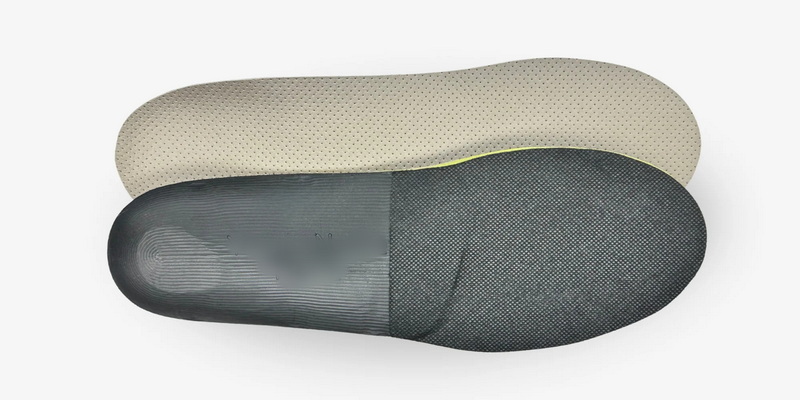
For long-term stability, apply DIY strengthening tricks such as:
- Rubbing beeswax on leather upper surfaces for organic grip.
- Lightly spraying hairspray on the insole before wearing for temporary stickiness.
- Using double-textured slip-resistant overlays for additional friction.
The selection of materials in orthopedic insoles plays a key role in both support and anti-slip performance. Different materials exhibit unique properties that affect traction, cushioning, and overall comfort.
EVA (Ethylene Vinyl Acetate) and foam are the most common materials for insoles. These are lightweight, flexible, and naturally non-slip due to their textured surfaces. They also offer excellent shock absorption and adaptability, making them ideal for diabetics and individuals with plantar fasciitis.
Polyurethane (PU) and memory foam combine durability with superior comfort. PU offers consistent cushioning that retains shape, while memory foam conforms precisely to the foot's contour, reducing pressure points. High-grip coating layers on PU bases prevent sliding.
Gel insoles provide localized pressure distribution and relief for joint and heel pain. However, they can become slippery if moisture accumulates. Selecting gel insoles combined with textured or fabric top covers eliminates this issue.
Cork insoles are sustainable, moisture-wicking, and slightly textured, making them naturally anti-slip. They mold to the user's foot shape over time, balancing comfort and grip with firm arch support.
Leather insoles offer classic comfort and durability. However, untreated leather tends to be smooth and may require roughening or the addition of a non-slip lining for better traction.
Neoprene insoles are ideal for water-resistant footwear. Their high flexibility and resilience deliver grip even under wet conditions, commonly used in orthotic and athletic applications.
An insole's grip should not compromise its overall comfort or biomechanical function. Excess friction may cause blisters or irritation. For the perfect balance:
- Match your insole's rigidity to your activity level—rigid for control, soft for cushioning.
- Combine anti-slip coatings with breathable materials to promote comfort during extended wear.
- Use inserts that conform dynamically to your foot to maintain alignment while preventing slipping.
- Clean insoles weekly using mild soap and a soft brush to maintain surface micro-texture.
- Replace inserts every 6–9 months depending on wear intensity.
- Avoid high heat drying, which weakens adhesives and base foam.
- Rotate shoes frequently to preserve insole structure and dryness.
Making orthopedic insoles less slippery depends on both maintenance and material choice. Preventive hygiene, breathability, accurate fitting, and enhanced surface texture all contribute to reliable non-slip stability. By combining practical actions such as Velcro reinforcement, non-slip socks, and proper cleaning with material-specific improvements like textured foams or cork layers, users can ensure lasting comfort, strength, and confidence with every step.
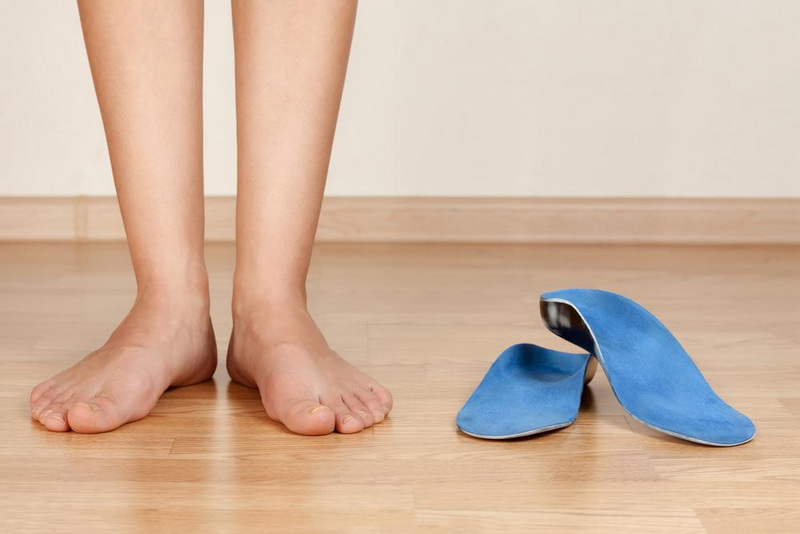
Secure them with Velcro or anti-slip pads, ensuring alignment with the shoe base.
Use anti-slip grip socks with rubberized soles or cotton blends for daily stability.
Yes. Lightly sanding smooth materials like leather or gel adds essential grip texture.
They can be, especially in humid conditions, but using versions with fabric tops prevents this.
Every six to nine months or sooner if they lose texture, support, or fit precision.


