
Views: 222 Author: Edvo Publish Time: 2026-01-03 Origin: Site


Content Menu
● Understanding Orthotic Inserts
>> Main Benefits and Applications
● Step 1: Determine Your Needs
>> Typical Use-Case Categories
● Step 2: Choose the Right Material
>> Commonly Used Materials in Orthotic Manufacturing
● Step 3: Define Customization Requirements
>> Customization Options to Consider
● Step 4: Evaluate and Select Your Manufacturer
● Step 5: Sample Development and Testing
● Step 6: Pricing, Order Terms, and Negotiation
● Step 7: Mass Production and Process Control
>> Elements of the Production Process
● Step 8: Quality Inspection and Control
● Step 9: Shipping and International Logistics
● Step 10: After-Sales Support and Reordering Strategy
● Marketing and Branding Considerations
>> Strategies to Strengthen Brand Value
● Sustainability Trends in Orthotic Manufacturing
>> Green Manufacturing Practices
● FAQs About Ordering Orthotic Inserts
>> 1. How long does mass production take for custom orthotic inserts?
>> 2. What is the minimum order quantity for OEM orders?
>> 3. Can I mix sizes or designs within one order?
>> 4. How can I ensure consistent quality for repeat orders?
>> 5. Do Chinese manufacturers assist with packaging and labeling for retail?
Ordering orthotic inserts can be a transformative process for individuals and businesses seeking comfort, anatomical support, and health-centered footwear solutions. Whether you are a global footwear brand, a medical product distributor, or a wholesale buyer searching for OEM manufacturing partners in China, understanding how to order orthotic inserts correctly ensures long-term satisfaction and reliable performance.
This comprehensive guide covers each stage of the ordering journey—from identifying product needs to post-delivery cooperation—offering both practical insights and professional procurement strategies for international buyers.
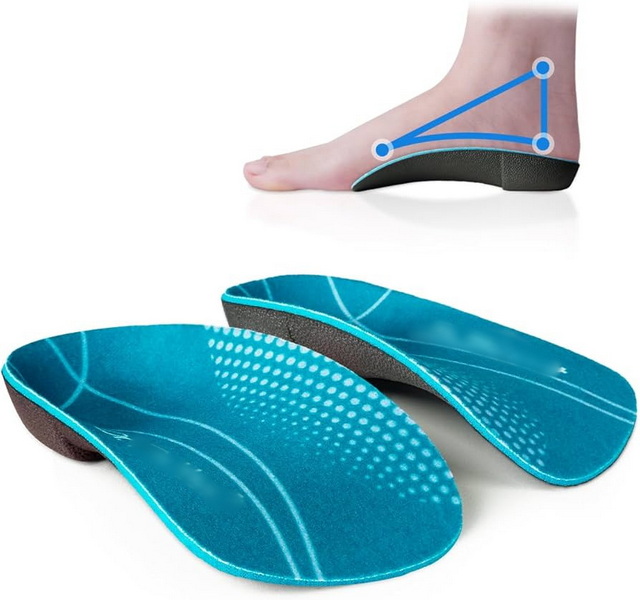
Orthotic inserts, often known as foot orthoses or insoles, are devices placed inside shoes to correct biomechanical foot issues, relieve pain, and improve posture. They are widely used by athletes, workers, elderly individuals, and patients with chronic foot disorders.
High-quality orthotic inserts help distribute pressure evenly, cushion the heel, and align the foot structure to prevent injuries. In addition to medical benefits, inserts are also used commercially to enhance comfort in footgear products. Understanding their main functions is essential before exploring how to order them effectively from OEM manufacturers.
- Posture Correction: Maintain proper alignment of the foot and ankle to reduce strain on knees, hips, and back.
- Pain Relief: Target pressure points and support arch structures to relieve common disorders such as plantar fasciitis and metatarsalgia.
- Improved Athletic Performance: Provide better stability for runners, hikers, and sports professionals.
- Enhanced Comfort: Increase shoe versatility and comfort for long hours of standing or walking.
- Brand Added Value: OEM-designed orthotic inserts can differentiate footwear brands by offering ergonomic benefits.
Modern orthotics integrate innovative design with advanced materials, making them vital not only for medical use but also for fashion and sports industries.
Before you start ordering orthotic inserts, define exactly what your business or end-users need. This foundational step sets the direction for design, pricing, and production planning.
Think about your target market: Are you serving healthcare providers, sports brands, or general footwear retailers? Each segment requires a unique approach to materials, design, and marketing.
- Medical Orthotics: Focus on rehabilitation, posture correction, and long-term comfort.
- Sports Performance Inserts: Designed with high rebound, breathability, and impact absorption features.
- Everyday Comfort Inserts: Lightweight, cost-efficient solutions for casual wear markets.
- Industrial Safety Inserts: Use fire-retardant, anti-slip, and anti-fatigue materials for occupational environments.
- Custom-Fit Orthotics: Based on individualized foot scans or digital modeling data.
A well-defined product purpose not only simplifies communication with your manufacturer but also ensures the inserts meet your customer's expectations.
Choosing the optimal materials is one of the most decisive phases when ordering orthotic inserts. The wrong material blend can lead to poor durability, customer dissatisfaction, or even product returns.
- EVA (Ethylene Vinyl Acetate) Foam: Resilient, lightweight, and cost-effective. Ideal for comfort and sports lines.
- PU (Polyurethane) Foam: Durable with excellent compression and rebound properties. Often used in premium orthotics.
- Gel and Silicone: Provide high shock absorption and flexibility, particularly useful for impact-intensive sports orthotics.
- Memory Foam: Conforms to the foot's contours, enhancing user comfort.
- Cork and Leather: Offer natural odor control and moisture absorption, suitable for luxury or traditional footwear brands.
- TPU or Carbon Fiber Base: Ensures rigidity and long-lasting structural support, essential for medical-grade inserts.
When negotiating with a Chinese orthotic manufacturer, you should request detailed material specifications, including density, hardness, and compression test results. This ensures the physical performance aligns with your product goals.
For OEM buyers, customization is crucial to achieve differentiation and meet brand identity standards. Custom orthotic inserts can be designed to match specific shapes, branding elements, and target customer demographics.
- Shape and Contour: Adjust heel cup depth, arch curvature, or forefoot lift for various shoe types.
- Logo Application: Screen printing, embossing, or woven labeling for branding.
- Color Matching: Aligns with seasonal product lines or company color identity.
- Surface Texture: Options range from perforated mesh to microfiber or antibacterial coverings.
- Packaging Design: Customized retail packaging enhances shelf appeal and ensures compliance with regional labeling laws.
- Special Features: Such as deodorizing layers, washable materials, or heat-moldable properties.
Working closely with your supplier's design engineers can help you develop innovative orthotics that stand out in competitive markets.
Selecting the right manufacturer significantly affects quality and service reliability. Partnering with a leading Chinese orthotic manufacturer offers a strategic advantage in both cost and innovation.
However, a thorough evaluation process ensures you find a professional partner capable of meeting international business standards.
- Production Capacity: Make sure the factory can handle your forecasted volume.
- Manufacturing Equipment: CNC cutting machines, 3D molding equipment, and automated lamination lines improve accuracy.
- Certification and Compliance: Look for ISO, CE, or FDA credentials.
- Experience: Preference should go to factories with export experience in orthotic and insole sectors.
- Communication Responsiveness: Effective communication prevents errors during the design-to-production transition.
A strong supplier relationship built on transparency and reliability leads to consistent product quality and sustainable business expansion.
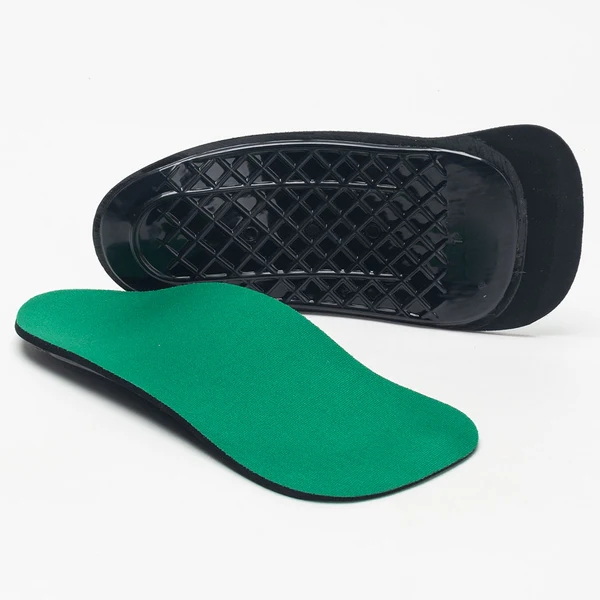
Before large-scale production, sample development allows you to verify comfort, appearance, and performance. Request prototype samples using the exact materials and dimensions agreed upon in your specifications.
- Compression and Fatigue Testing: Measure durability after repeated stress cycles.
- Fit Testing: Try samples in different shoe sizes to confirm compatibility.
- Odor Resistance Evaluation: Essential for long-term wearability.
- Material Adhesion Check: Confirm layers bond securely without delamination.
- Customer Trial Feedback: Gather insights from real users before mass production.
Provide feedback quickly to adjust prototypes. A few extra rounds of sampling can save time and cost during full-scale production.
Pricing varies depending on design complexity, material choices, customization level, and order quantity. Negotiating a fair price that balances quality with affordability is vital.
Establishing transparent order terms solidifies mutual trust between buyer and manufacturer.
- Request detailed quotes that list costs for materials, labor, packaging, and shipping.
- Confirm whether tooling fees for custom molds are included or separate.
- Define clear payment terms—commonly a 30% deposit and 70% before shipment.
- Negotiate reorder pricing in advance for stable long-term cooperation.
- Ensure all clauses, including lead time and defect replacement policy, are included in the proforma invoice.
Strong contractual clarity ensures your project proceeds smoothly from initial inquiry to delivery.
Once the order is confirmed and samples are approved, your supplier proceeds to mass production. During this stage, consistent quality management is essential.
Many reputable manufacturers have dedicated QA teams and lean production systems to maintain product consistency.
1. Material Preparation: Cutting EVA, PU, or gel sheets according to pre-defined thicknesses.
2. Molding and Shaping: Using heat and pressure equipment to form arches and contours.
3. Trimming and Finishing: Precision cutting to match standard size charts.
4. Surface Lamination: Adding fabric or mesh for comfort and appearance.
5. Logo Printing and Packaging: Custom branding added before final packing.
Maintaining active communication with the factory throughout production helps identify deviations early and reduces rework risks.
Quality inspection ensures the final product meets approved standards. This can be conducted internally by your manufacturer or via third-party inspectors.
- Dimensional accuracy within size tolerance.
- Uniform material density and elasticity.
- Surface finish without bubbles or cracks.
- Correct logo placement and packaging design.
- Consistent color and material performance.
A qualified supplier provides inspection reports, product photos, and test data before shipping. Inspecting random samples from different batches ensures overall reliability.
Efficient logistics play a key role when ordering orthotic inserts internationally. Shipping methods depend on your order volume, destination, and urgency.
- Ocean Freight: Ideal for bulk orders with extended delivery timelines.
- Air Freight: Suitable for mid-volume or time-sensitive shipments.
- Courier and Express Service: Used for samples or small-batch orders.
Work closely with the manufacturer's logistics department to ensure proper documentation—invoice, packing list, certificate of origin, and customs clearance details. For European and U.S. buyers, confirming HS codes and tariff classifications in advance avoids import delays.
Professional manufacturers provide continuous customer service even after shipment. Evaluate feedback from your retailers or end-users to refine future orders.
Long-term collaboration with a dependable OEM supplier brings several advantages, including consistent quality improvement, shared product innovation, and predictable lead times.
- Maintain clear records of previous order parameters.
- Schedule reorders proactively to avoid stockouts.
- Reassess materials annually for new technology updates.
- Explore eco-friendly materials or biodegradable packaging to attract sustainability-conscious customers.
A smooth after-sales communication channel fosters trust, helping both parties grow competitively in the global footwear industry.
For importers and brand owners, having quality orthotic inserts is only part of success—the other part is effective branding and market alignment.
Distinctive branding can elevate a simple insole into a high-value, trusted accessory in your product line.
- Highlight ergonomic benefits in product packaging.
- Offer educational leaflets or QR-linked videos explaining usage and care tips.
- Create specialized collections for medical or athletic markets.
- Emphasize “Made in China by OEM Experts” to showcase manufacturing capability and affordability.
- Ensure online product listings include detailed specifications, size charts, and benefits.
Strong marketing communication backed by reliable OEM production builds brand authority and long-term customer loyalty.
As global awareness of environmental protection increases, many buyers now prefer eco-friendly orthotic inserts. Modern manufacturers adapt by using recyclable materials and sustainable production methods.
- Utilizing bio-based EVA derived from natural resins.
- Reducing chemical adhesives by adopting heat-melting bonding systems.
- Recycling production scraps into secondary foam insoles.
- Using water-based ink for logo printing to reduce emissions.
- Implementing waste-water treatment and energy-efficient equipment.
B2B customers who prioritize sustainable supply chains gain marketing advantages and align with eco-conscious consumer values.
Learning how to order orthotic inserts effectively helps businesses secure high-quality, functional, and brand-enhancing products. From understanding material specifications to managing international logistics, each step ensures product reliability and user satisfaction.
By collaborating with experienced OEM manufacturers, especially those in China's advanced footwear industry, you can access innovative technologies, flexible customization, and global supply reliability. Whether you are starting a new orthotic brand or expanding a large retail portfolio, mastering these steps ensures efficient procurement and sustainable business growth.
Production usually takes between three to five weeks depending on mold complexity, material selection, and order volume. Reorders with existing molds often require shorter lead times.
MOQ generally ranges from 500 to 1000 pairs per model. Customized molds or unique materials may require a higher initial order to offset production setup costs.
Yes, most manufacturers allow size assortments within one SKU. Some might also accept multiple styles under a single container shipment to reduce freight cost.
Use standardized specifications, request pre-shipment inspection reports, and maintain communication with the quality control team. Keeping the same production mold also guarantees dimensional consistency.
Yes, most professional manufacturers provide one-stop services including private-label packaging, barcode labeling, and multilingual product instructions suitable for export markets.


